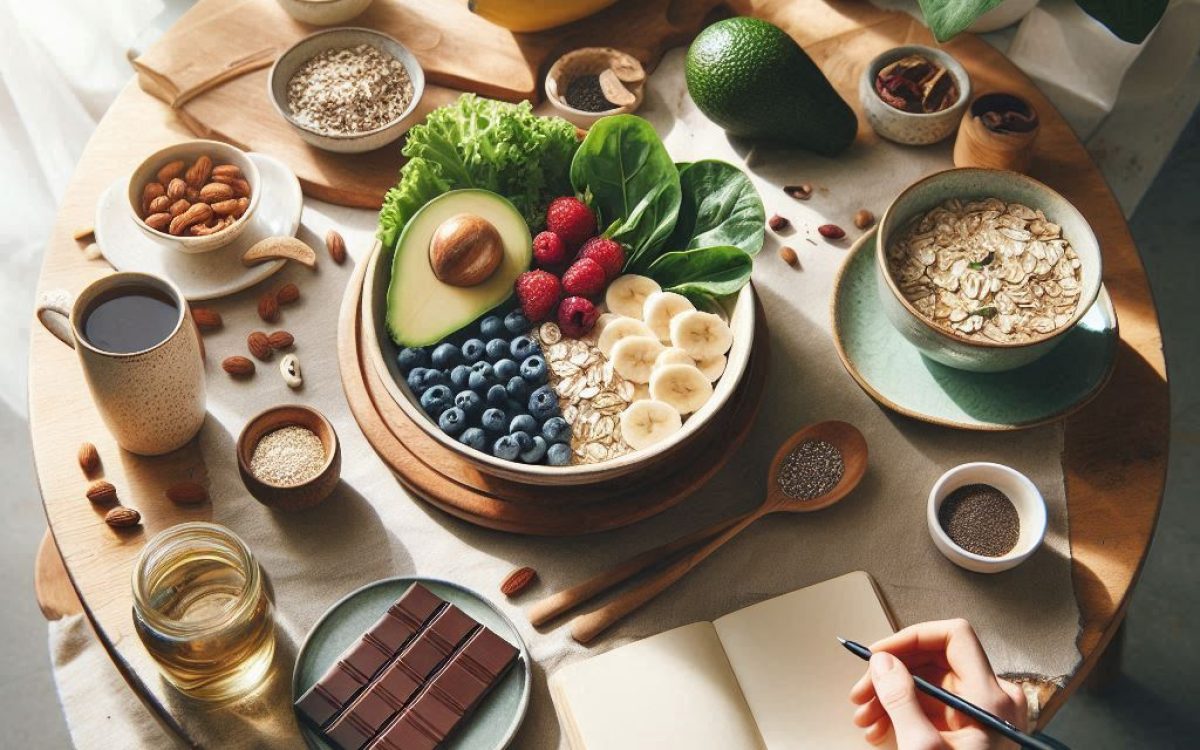
Simple ways to eat for emotional wellbeing include consuming foods rich in vitamins, minerals, omega-3 fatty acids, probiotics, and fiber, which can improve mood, reduce stress, and support mental health. Everyone seeks happiness and emotional stability, and what many people don’t realize is that the food we eat daily has a significant impact on mood and mental health. Nutrition is not just a way to satisfy hunger; it is a powerful tool to enhance mental wellbeing, reduce stress, and support emotional balance. In this article, we will explore the best foods that improve mood, how nutrition affects mental health, and practical tips for mindful eating.

The Connection Between Food and Mood
Scientific studies have shown a strong link between diet and mental health. Foods rich in essential nutrients, such as vitamins, minerals, and healthy fats, help improve brain function, support the production of neurotransmitters like serotonin and dopamine, and stabilize mood.
On the other hand, excessive consumption of processed foods, fast food, and refined sugars can increase anxiety, depression, and mood swings. Choosing healthy and diverse foods is key to promoting mental wellbeing and happiness.
Foods That Boost Mood
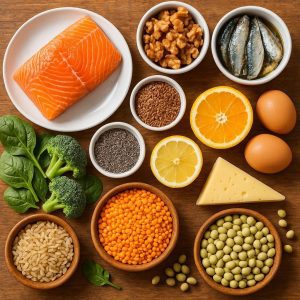
1. Selenium-Rich Foods
Selenium is an important mineral for maintaining a stable mood. Research shows that low selenium intake is linked to poor mood. Foods rich in selenium include:
- Brazil nuts
- Seafood such as oysters, tuna, sardines
- Whole grains
- Chicken
- Lean lamb
- Sunflower seeds
- Brown rice and oats
- Soybeans
- Eggs, low-fat cheese, and yogurt
- Beans
2. Folate-Rich Foods
Folate (vitamin B9) helps produce serotonin in the brain, a neurotransmitter responsible for happiness. Low folate levels can negatively affect mood and contribute to depression. Top sources of folate include:
- Spinach and lettuce
- Lentils and soybeans
- Black beans
- Broccoli, cabbage, and asparagus
- Oranges, papaya, and beets
3. Vitamin D-Rich Foods
Vitamin D directly impacts serotonin levels, which can improve mood and mental health. Foods rich in vitamin D include:
- Salmon
- Cheese
- Egg yolks
- Milk and fortified orange juice
4. Caffeine-Containing Foods
Caffeine stimulates dopamine release in the brain, enhancing alertness and mood. However, excessive caffeine can cause stress, anxiety, or insomnia in sensitive individuals, so it should be consumed cautiously.
5. Omega-3 Rich Foods
Omega-3 fatty acids play a key role in reducing stress and improving mood. You can increase your intake through:
- Fatty fish such as salmon, sardines, anchovies, and mackerel
- Walnuts
- Flaxseeds and chia seeds
- Canola oil
How Nutrition Affects Mental Health
- Neurotransmitters: Vitamins and minerals are essential for producing serotonin and dopamine, which regulate mood.
- Omega-3 Fatty Acids: Improve neural interactions and reduce stress.
- Fiber: Supports gut health, which is directly linked to mood.
- Probiotics: Fermented foods like yogurt and pickles promote a healthy gut microbiome and enhance mood.
- Processed Foods & Sugars: Overconsumption can worsen anxiety and depression.
- Stimulants: Excess caffeine can increase nervousness and affect sleep quality.
Nutritional Tips to Improve Mood
- Choose whole foods over processed and packaged foods.
- Increase fresh fruits and vegetables in your diet.
- Ensure daily servings of whole grains and legumes.
- Include probiotic-rich foods like unsweetened yogurt.
- Use cinnamon with yogurt or oats instead of sugar.
- Eat fermented foods like sauerkraut.
- Balance seafood and lean poultry while reducing red meat intake.

Mindful Eating for Better Mood
Mindful eating means focusing fully on the eating experience: taste, texture, aroma, and hunger cues. Benefits of mindful eating include:
- Reducing stress and anxiety by focusing on sensory experiences.
- Improving digestion by eating slowly and chewing thoroughly.
- Understanding emotional triggers for eating and making conscious food choices.
- Enhancing self-control and awareness of portion sizes.
- Building a positive relationship with food and reducing guilt.
Anti-Depression Foods
While no food can replace medication or therapy for depression, certain foods may help reduce symptoms:
- Vitamins & Minerals: Selenium, vitamin D, B vitamins, zinc, tryptophan.
- Probiotics: Yogurt, caviar.
- Omega-3 Fatty Acids: Fatty fish, nuts, flaxseeds.
- Complex Carbs: Whole grains instead of simple sugars.
- Antioxidants: Vitamin C (broccoli, oranges), beta-carotene (carrots, broccoli), vitamin E (nuts, vegetable oils).
Foods to Avoid
- Added sugars
- Simple carbohydrates
- Excess caffeine
- Alcohol
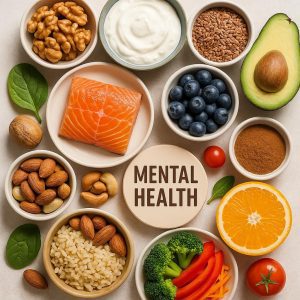
Mediterranean Diet and Mental Health
The Mediterranean diet emphasizes vegetables, fruits, legumes, and olive oil, with limited red meat. Rich in antioxidants and anti-inflammatory foods, it may protect mood and mental wellbeing while also benefiting heart health.
Foods and Drinks That Promote Happiness and Reduce Stress
- Fatty fish: Salmon, tuna for omega-3s.
- Nuts and seeds: Brazil nuts, almonds, sunflower seeds.
- Whole grains: Oats, whole wheat.
- Fruits & vegetables: Berries, carrots, leafy greens.
- Lean proteins: Chicken, eggs.
- Fermented foods: Yogurt, miso soup.
- Dark chocolate: 75% cocoa or higher.
- Calming beverages: Chamomile, hibiscus, mint, ginger tea, matcha.

Healthy nutrition is not just for the body—it is crucial for mental wellbeing and mood. Consuming foods rich in vitamins, minerals, omega-3 fatty acids, probiotics, and fiber can help improve mood, reduce stress, and support mental health.
By practicing mindful eating, avoiding processed foods and refined sugars, and following a balanced diet like the Mediterranean diet, you can enhance happiness, reduce anxiety, and improve your overall relationship with food.
Start taking charge of your mental wellbeing today! Explore more tips, meal ideas, and guides at Nutrition Travels to nourish both your body and mind for a happier, healthier life.