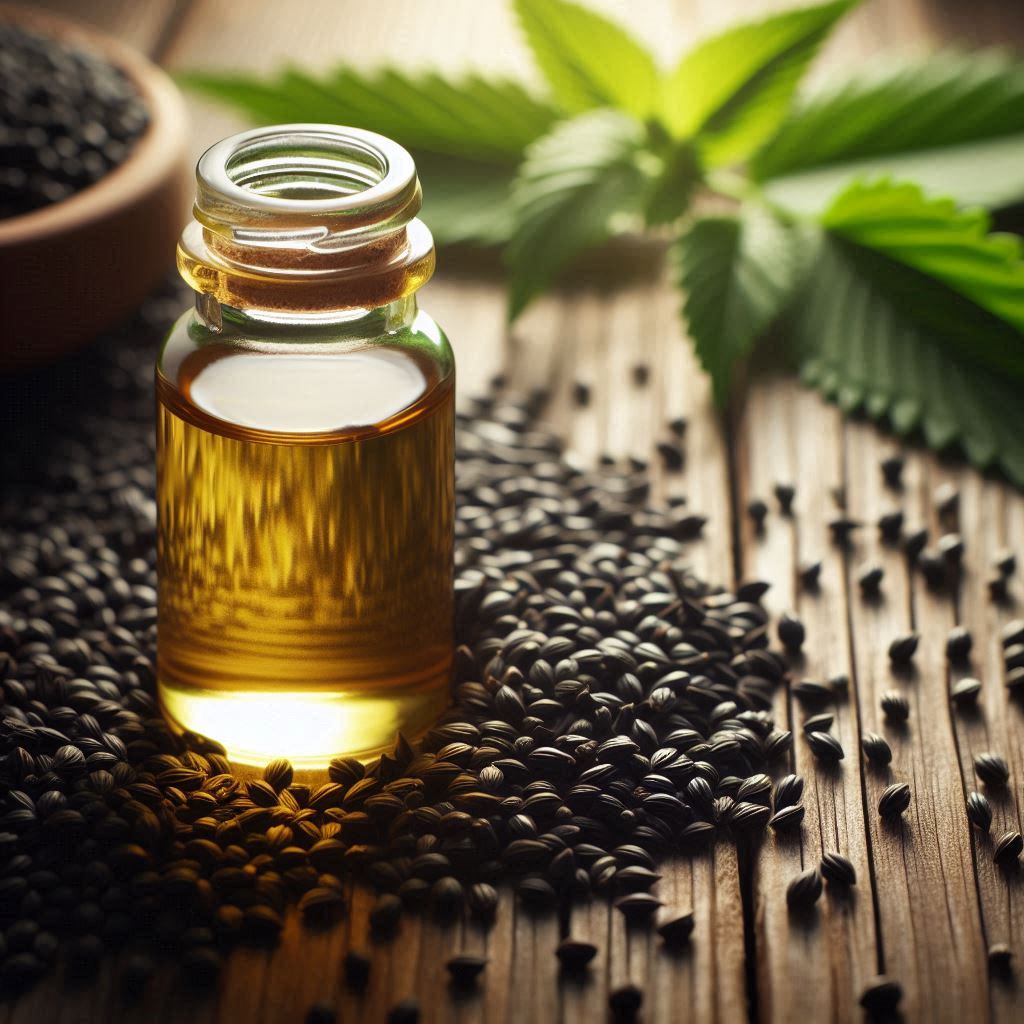

Peppermint benefits have made this refreshing herb a popular natural remedy for generations. Why does a simple cup of peppermint tea feel so soothing after a heavy meal? And why does the scent of mint instantly make you feel more awake? These everyday experiences reveal something important—peppermint is not just a flavoring herb, but a functional botanical with real physiological effects.
For centuries, peppermint has been used in traditional medicine for digestive discomfort and respiratory relief. Today, modern research is beginning to confirm what people have long experienced: peppermint can influence not only the gut, but also the brain.
From easing bloating to enhancing focus, peppermint offers a unique combination of calming and stimulating effects. Understanding how it works allows you to use it intentionally as part of your daily health routine.

What Are the Main Peppermint Benefits?
Peppermint is a natural hybrid plant created from watermint and spearmint. It is particularly rich in menthol, the compound responsible for its cooling sensation and many of its therapeutic effects.
Key Active Compounds:
- Menthol
- Menthone
- Polyphenols and antioxidants
These compounds interact with different systems in the body, including the digestive tract and nervous system.
Forms of Use:
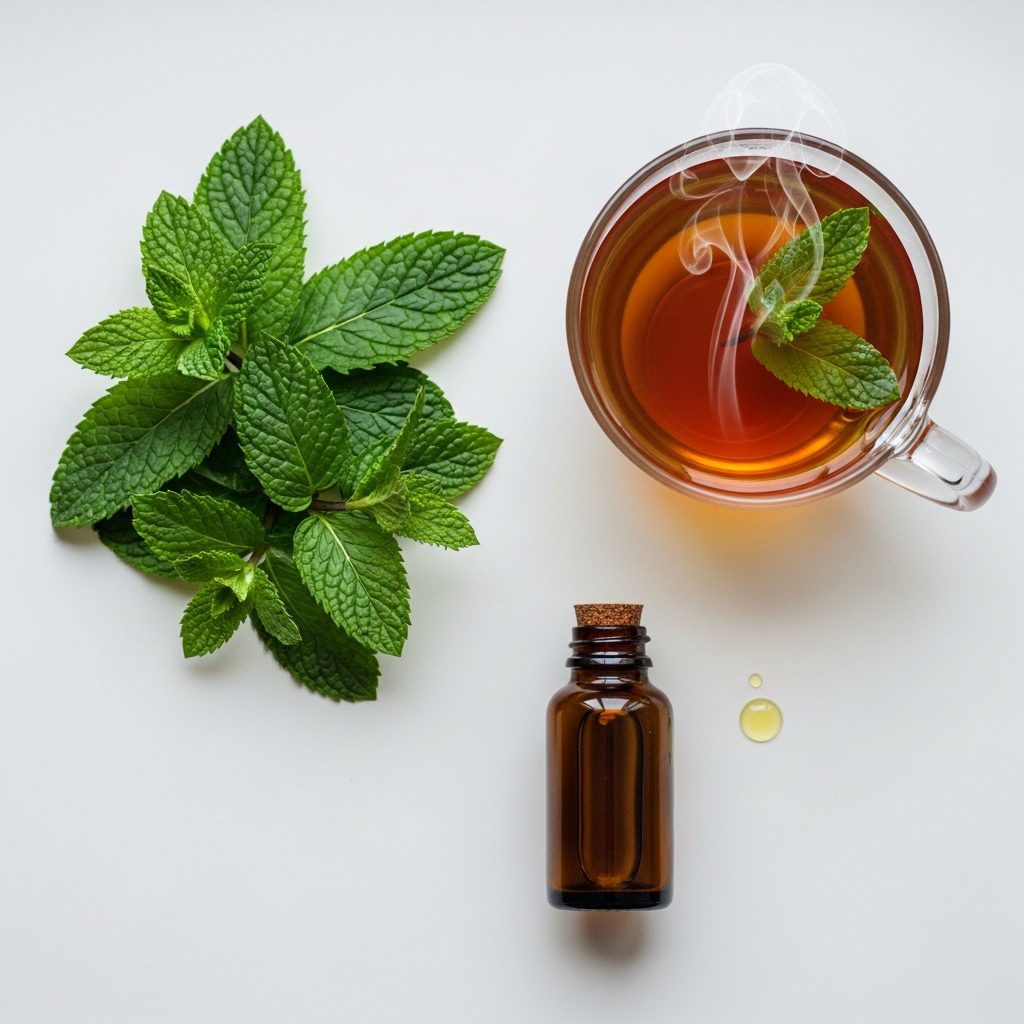
Peppermint is available in several forms, each with distinct benefits:
- Herbal tea (gentle and widely used)
- Essential oil (highly concentrated)
- Capsules (targeted digestive support)
- Fresh or dried leaves
The form you choose depends on whether your goal is digestive comfort, mental clarity, or both.

How It Works in the Body:
1- Relaxation of Digestive Muscles:
Peppermint helps relax the smooth muscles of the gastrointestinal tract. This reduces spasms and allows food and gas to move more easily, which can relieve bloating and discomfort.
2- Interaction with Sensory Receptors:
Menthol activates cold-sensitive receptors in the body. This creates a cooling effect that can reduce the sensation of pain or irritation, especially in the digestive system.
3- Influence on the Nervous System:
Peppermint has a dual effect: it can calm certain types of discomfort while simultaneously stimulating alertness. This makes it unique compared to herbs that are purely sedative or purely stimulating.
4- Circulation and Brain Function:
Some evidence suggests peppermint may support blood flow, which can enhance oxygen delivery to the brain. This contributes to improved focus and reduced mental fatigue.
Health Benefits of Peppermint:
1- Supporting Digestive Comfort:
Peppermint is widely used to ease symptoms like bloating, gas, and mild cramping. By relaxing intestinal muscles, it helps reduce pressure and discomfort after meals.
2- Relieving Nausea:
The aroma and compounds in peppermint can help calm the stomach. This makes it useful for occasional nausea, especially when consumed as tea or inhaled.
3- Enhancing Mental Alertness:
The scent of peppermint has been linked to increased alertness and faster cognitive processing. Many people use it during work or study sessions to stay focused.
4- Reducing Headache Tension:
When applied topically (in diluted form), peppermint oil may help relax muscles and improve blood flow, which can ease tension headaches.
5- Supporting Respiratory Ease:
Menthol creates a sensation of open airways, which can make breathing feel easier during mild congestion.

Deficiency or Overuse:
Is Peppermint Essential?
Peppermint is not classified as an essential nutrient, but its regular use can support multiple body systems in subtle yet meaningful ways.
Potential Side Effects:
- May worsen acid reflux in some individuals
- Excessive intake can cause digestive irritation
- Undiluted essential oil may irritate the skin
Who Should Be Cautious?
- Individuals with GERD or chronic acid reflux
- Pregnant women (especially with concentrated forms)
- People sensitive to strong herbal extracts
Moderation is important to avoid unwanted effects.
Best Food and Natural Sources:
Peppermint can be easily incorporated into your diet in simple ways:
- Fresh peppermint leaves in salads or drinks
- Peppermint tea after meals
- Infused water with mint leaves
- Light use in desserts or smoothies
Comparing Forms:
- Tea: gentle, suitable for daily use
- Fresh leaves: mild and refreshing
- Capsules: more targeted for digestive issues
- Essential oil: potent, used in small amounts
Each form provides a different intensity and speed of effect.

Best Way and Time to Consume:
- After meals: supports digestion and reduces bloating
- Midday or during work: enhances alertness and focus
- During discomfort: tea or aroma for quick relief
- Before sleep: tea may help relaxation without sedation
Peppermint can be used both reactively (when symptoms appear) and proactively (as part of a routine).
Common Myths About Peppermint Benefits:
“Peppermint is only for digestion”
While it’s best known for digestive support, peppermint also affects cognitive function and mental energy.
“Stronger is better”
Using highly concentrated forms excessively can lead to irritation rather than increased benefits.
“All peppermint products are equal”
Different forms vary in strength and effect. Tea is mild, while essential oil is highly concentrated.

Practical Tips to Get More Peppermint Benefits:
- Drink peppermint tea after heavy meals
- Use peppermint aroma to refresh your mind during work
- Avoid applying essential oil directly without dilution
- Combine peppermint with a balanced diet for better results
- Pay attention to your body’s response and adjust accordingly
Peppermint is a simple yet powerful example of how natural compounds can influence both physical and mental well-being. Its ability to support digestion while enhancing alertness makes it a versatile addition to a modern lifestyle.
By using peppermint intentionally—whether through tea, fresh leaves, or aromatherapy—you can tap into its benefits in a practical and sustainable way. Small daily habits like these can significantly improve how you feel, think, and function.
If you’re looking to explore more science-based nutrition strategies and natural approaches to better health, visit Nutrition Travels and discover how everyday choices can elevate your well-being.