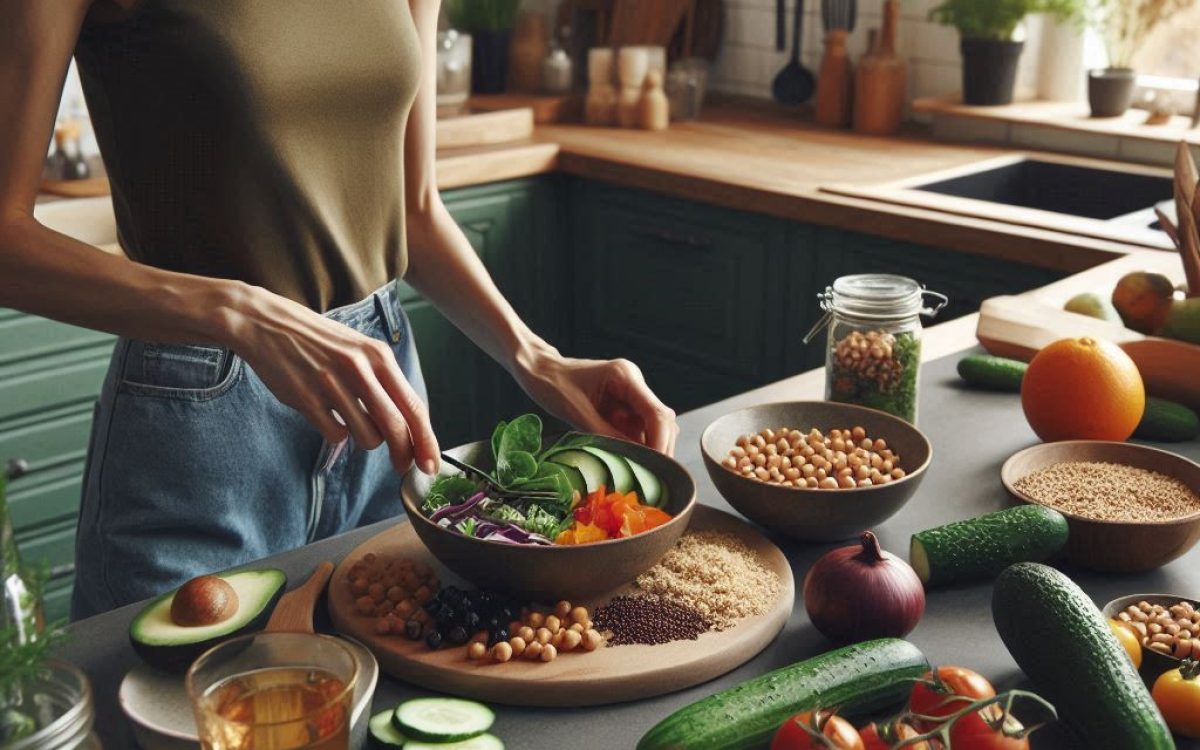
Plant-based diets have become a global movement — not just a trend. More people are turning toward plants for better health, weight management, and sustainability. Unlike restrictive fad diets, a plant-based approach focuses on whole, nutrient-rich foods that nourish the body while promoting gradual and lasting weight loss.
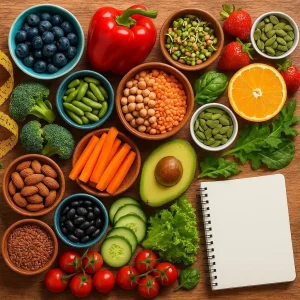
From fruits and vegetables to legumes, whole grains, nuts, and seeds, these foods are naturally low in calories yet rich in fiber, helping you feel full longer while supporting digestion and metabolism.
The Science Behind Plant-Based Weight Loss
The effectiveness of plant-based diets for weight loss lies in their composition. Whole plant foods are typically high in volume but low in energy density, meaning you can eat larger portions with fewer calories. Fiber, a cornerstone of plant-based eating, slows digestion, stabilizes blood sugar, and reduces hunger hormones — key factors that help control cravings.
A 2019 study in The Journal of Nutrition found that participants following a plant-based diet lost significantly more weight than those consuming animal-based foods, even without strict calorie counting. This happens because plant-based diets naturally promote a calorie deficit without the feeling of deprivation.

Key Principles of a Plant-Based Weight Loss Diet
1- Prioritize Whole Foods: Choose foods as close to their natural state as possible — fresh fruits, vegetables, whole grains, legumes, and seeds.
2- Limit Processed Options: Even vegan junk food (like chips, pastries, or sugary cereals) can sabotage your progress.
3- Watch Your Portions of High-Calorie Foods: Nuts, seeds, and oils are nutrient-dense but high in calories — moderation is key.
4- Stay Hydrated: Water supports metabolism and helps control hunger cues.
5- Eat Mindfully: Slow eating allows your body to register fullness and prevents overeating.
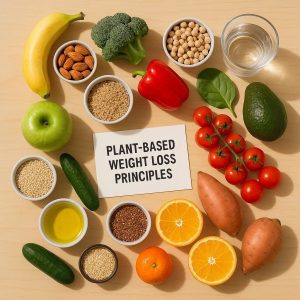
Top Plant-Based Foods That Support Weight Loss
1- Leafy Greens
Spinach, kale, Swiss chard, and arugula are nutrient powerhouses packed with vitamins A, C, K, and antioxidants. Their high fiber and water content add volume to your meals without adding calories.
2- Legumes
Beans, lentils, chickpeas, and peas are excellent sources of plant-based protein and soluble fiber. They stabilize blood sugar and keep you full for hours, reducing snacking and cravings.
3- Whole Grains
Brown rice, quinoa, oats, and barley are rich in complex carbohydrates that release energy slowly, keeping blood sugar stable and supporting metabolism. Quinoa, in particular, is a complete protein, providing all essential amino acids.
4- Fruits
Berries, apples, pears, and citrus fruits provide natural sweetness, antioxidants, and fiber. They satisfy your sweet tooth in a healthy way, making them great alternatives to desserts high in refined sugars.
5- Nuts and Seeds
Almonds, chia seeds, flaxseeds, and walnuts supply protein, omega-3 fatty acids, and fiber. Despite being calorie-dense, they promote satiety when eaten in small portions.
6- Vegetables with Volume
Cruciferous vegetables such as broccoli, cauliflower, and Brussels sprouts help detoxify the body, boost metabolism, and support gut health — all essential for weight management.

How Plant-Based Diets Boost Metabolism
Plant-based diets enhance metabolism by improving gut health. The high fiber intake feeds beneficial gut bacteria, which play a role in regulating energy balance and fat storage.
Moreover, antioxidants in colorful plant foods reduce inflammation — a major contributor to metabolic slowdown and weight gain.
The absence of saturated fats from animal products also supports cardiovascular health, allowing for better oxygen flow during exercise and overall energy efficiency.
Common Mistakes to Avoid
While plant-based diets offer numerous benefits, they can lead to imbalances if not well planned. Avoid these pitfalls:
- Relying on Processed Vegan Foods: Many “vegan-friendly” snacks are loaded with sugar, refined carbs, and unhealthy oils.
- Skipping Protein: Ensure you include legumes, tofu, tempeh, or quinoa in your meals for muscle maintenance.
- Neglecting Key Nutrients: Vitamins B12, D, calcium, iron, and omega-3s are vital. Consider fortified foods or supplements if needed.
- Ignoring Portion Control: Even healthy foods can cause weight gain when eaten excessively.
By staying mindful and balanced, you can enjoy all the benefits without missing essential nutrients.
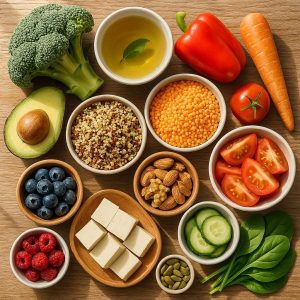
Sample One-Day Plant-Based Meal Plan for Weight Loss
Breakfast:
Overnight oats made with almond milk, chia seeds, banana slices, and a handful of blueberries.
Lunch:
Quinoa salad with chickpeas, cherry tomatoes, cucumber, kale, olive oil, and lemon dressing.
Snack:
Apple slices with a tablespoon of natural peanut butter.
Dinner:
Stir-fried tofu with broccoli, carrots, and brown rice — seasoned with garlic, ginger, and soy sauce.
Drink:
Green tea or water infused with cucumber and mint for hydration.
This simple plan provides balanced nutrition, sustained energy, and helps maintain a calorie deficit naturally.

Long-Term Benefits Beyond Weight Loss
A plant-based diet doesn’t just help you shed pounds — it transforms your overall health. Studies link it to lower risks of heart disease, diabetes, and hypertension.
The high intake of antioxidants combats oxidative stress, while plant proteins and fibers support digestive and hormonal balance.
It’s also an eco-friendly choice — reducing your carbon footprint while improving your well-being. Choosing plants means choosing a sustainable and compassionate way of living.
Tips for Staying Consistent
- Plan Your Meals: Preparation prevents impulsive eating and keeps you on track.
- Experiment with Recipes: Make plant-based eating exciting with colorful bowls, smoothies, and creative sauces.
- Listen to Your Body: Adjust portions and macronutrients according to your energy levels.
- Celebrate Progress: Focus on how you feel, not just the number on the scale.
Transitioning to a plant-based diet is one of the most sustainable ways to lose weight — no crash dieting, no calorie obsession, just wholesome eating.
By filling your plate with plants, you fuel your body with nutrients that support energy, metabolism, and long-term wellness.
Remember, the goal isn’t perfection — it’s consistency. Each plant-based meal you choose brings you one step closer to a healthier, lighter, and more energized version of yourself.
Ready to embrace a healthier lifestyle?
Start your plant-based weight loss journey today with expert guides and nutrition tips at Nutrition Travels — because real change begins one meal at a time.