

Pregnancy is a period that calls for mindful choices, especially when it comes to daily habits like drinking tea. Safe Herbal Teas can be a comforting addition to a healthy pregnancy routine, offering relaxation and support for common concerns such as digestion and mild discomfort. Many people enjoy herbal teas as a natural way to promote well-being, but pregnancy can change how the body responds to certain herbs.
This makes it important to understand which herbal teas are gentle and supportive, and which ones should be avoided. The goal is not to eliminate herbal teas entirely, but to approach them with awareness, moderation, and care.
In this guide, we’ll explore safe options, teas to avoid, and practical tips for incorporating herbal teas into a healthy pregnancy routine.

Why Herbal Teas Require Care During Pregnancy:
Herbal teas are made from concentrated plant extracts, which means they contain active compounds that can affect the body. While these effects can be beneficial in many cases, pregnancy introduces new considerations.
Key Concerns:
- Some herbs can stimulate uterine activity
- Certain compounds may affect hormones
- Excess intake can lead to unwanted side effects
- Not all herbs have been studied thoroughly in pregnancy
Because of these factors, even mild herbal teas should be consumed thoughtfully.

Safe Herbal Teas During Pregnancy:
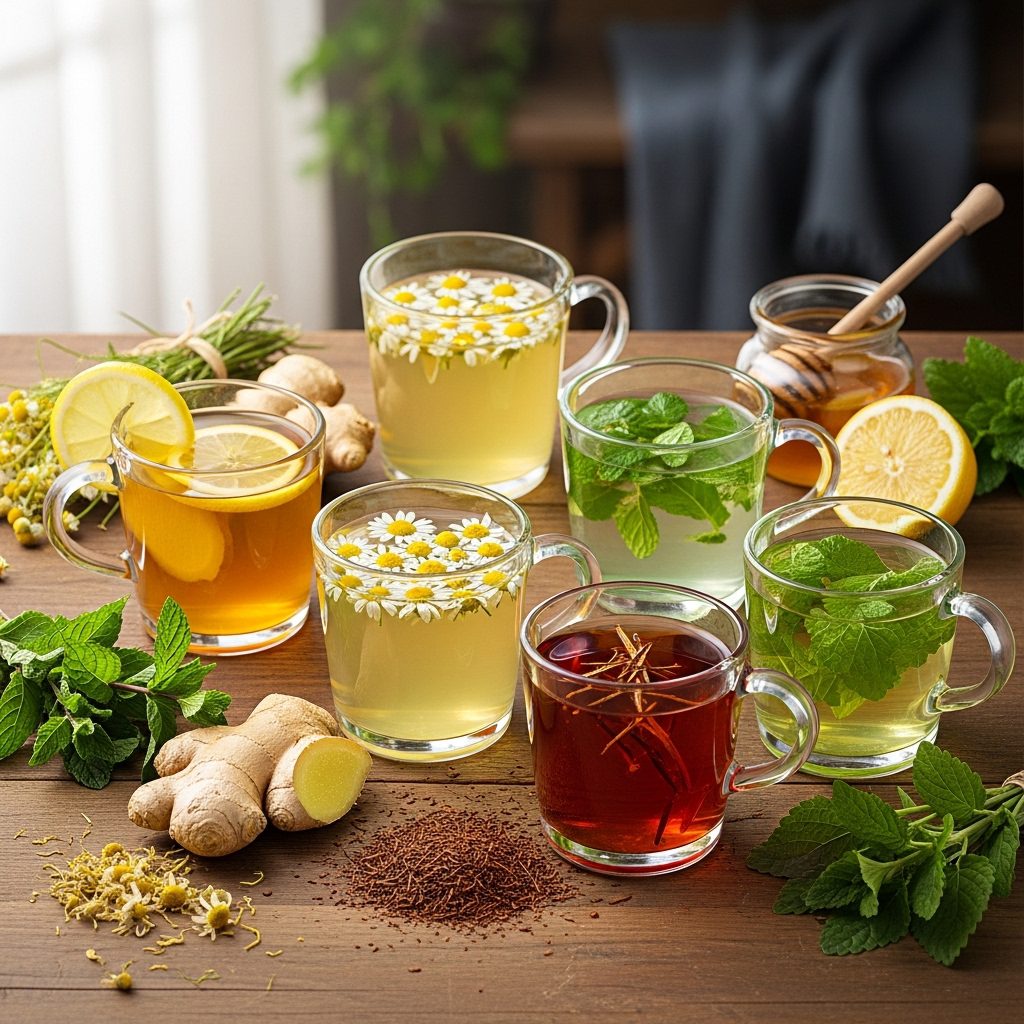
1- Ginger Tea:
Ginger is one of the most commonly recommended herbal options during pregnancy, especially for managing nausea.
Benefits:
- Helps reduce morning sickness
- Supports digestion and reduces bloating
- Can ease mild stomach discomfort
A mild ginger tea can be especially helpful during the first trimester when nausea is more common. It is generally safe when consumed in moderate amounts.
2- Peppermint Tea:
Peppermint is another gentle option that is often well tolerated.
Benefits:
- Helps relieve gas and bloating
- Can reduce mild nausea
- Offers a refreshing and calming effect
Peppermint tea is caffeine-free and can be a soothing choice, particularly after meals.
3- Chamomile Tea:
Chamomile is known for its calming properties and is often used to support relaxation.
Benefits:
- Promotes relaxation and stress relief
- May help improve sleep quality
- Supports digestive comfort
It should be consumed in moderation, as excessive use is not recommended during pregnancy.
4- Rooibos Tea:
Rooibos is naturally caffeine-free and rich in antioxidants, making it a safe and nutritious option.
Benefits:
- Contains antioxidants that support overall health
- Gentle on the stomach
- Naturally caffeine-free
This makes rooibos a popular and safe alternative to traditional teas.
5- Lemon Balm Tea:
Lemon balm is a mild herb known for its calming effects.
Benefits:
- Helps reduce stress and mild anxiety
- Supports better sleep
- Offers a gentle calming effect
Like other herbal teas, it should be used in moderation.
Herbal Teas to Avoid During Pregnancy:
Some herbs may pose risks due to their potency or effects on the body.
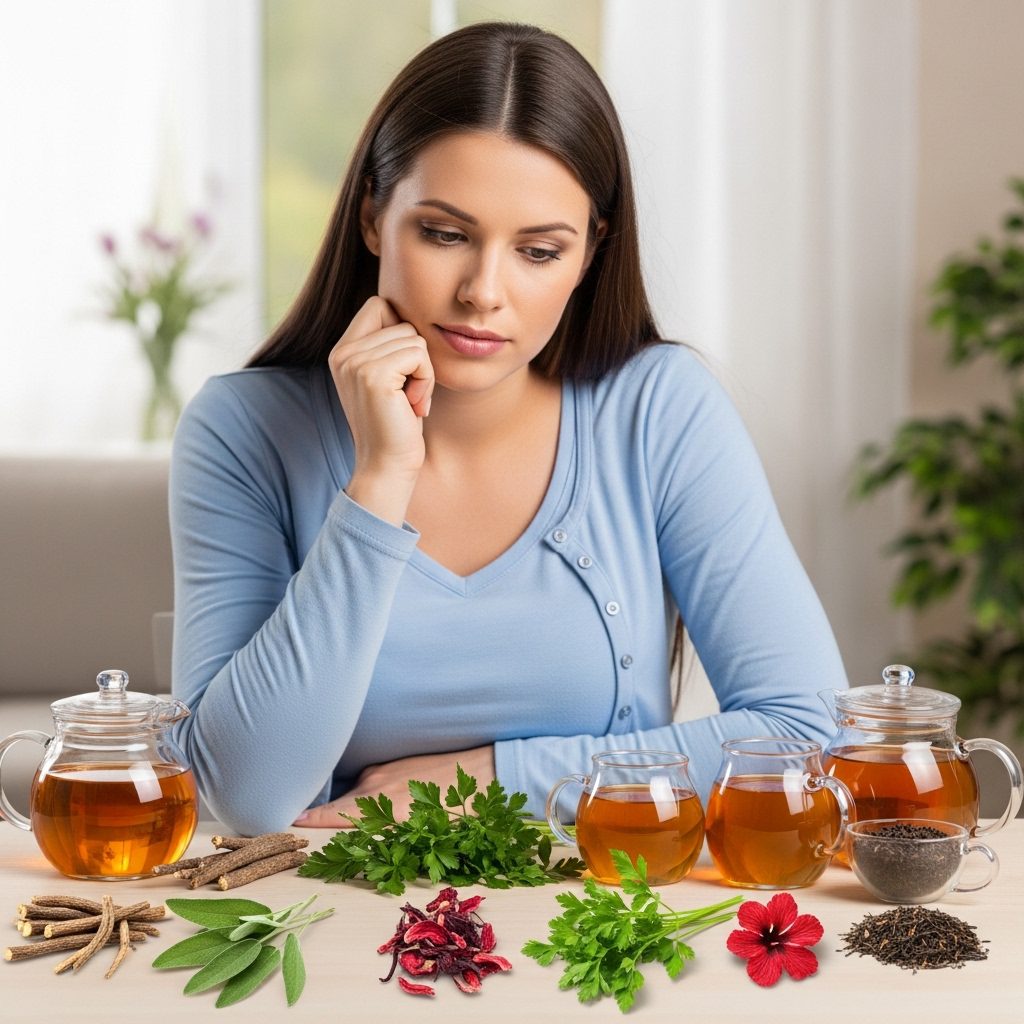
1- Licorice Root Tea:
Licorice can influence hormone levels and blood pressure, making it unsafe during pregnancy.
2- Sage Tea:
Sage contains compounds that may stimulate uterine contractions when consumed in high amounts.
3- Parsley Tea:
In concentrated forms, parsley can act as a uterine stimulant and should be avoided.
4- Hibiscus Tea:
Hibiscus may affect hormone balance and is generally not recommended during pregnancy.
5- Senna Tea:
Senna is a strong laxative that can lead to dehydration and electrolyte imbalance, which are not safe during pregnancy.
Importance of Moderation When Drinking Safe Herbal Teas:
Even when choosing safe herbal teas, moderation is essential.
Guidelines to Follow:
- Limit intake to 1–2 cups per day
- Avoid combining multiple herbal teas without guidance
- Choose high-quality, trusted sources
- Pay attention to your body’s response
Too much of even a safe herbal tea can lead to discomfort or unwanted effects.
Tips for Drinking Safe Herbal Teas Safely During Pregnancy:
1- Choose Simple Ingredients:
Stick to single-herb teas instead of complex blends with unknown ingredients.
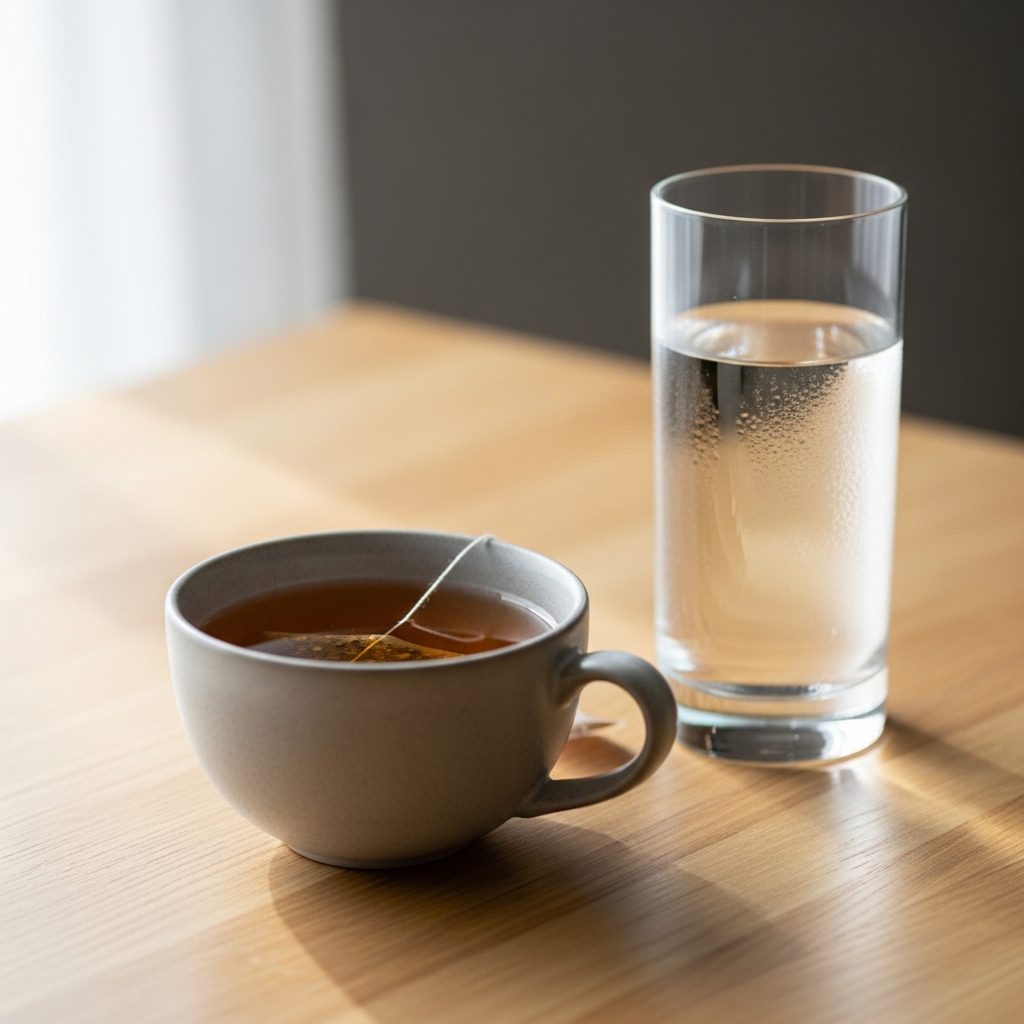
2- Stay Hydrated:
Herbal tea can contribute to hydration, but it should not replace water.
3- Avoid Excessive Intake:
More does not mean better—consistency and moderation are key.
4- Consult a Healthcare Professional:
Always consult a doctor or nutrition specialist before introducing new herbal teas, especially if you have any medical concerns.
Common Misconceptions About Safe Herbal Teas:
- Natural means completely safe:
Not all natural substances are safe during pregnancy. Some herbs can have strong effects on the body.
- All herbal teas are the same:
Different herbs have different properties, and not all are safe for pregnant individuals.
- Drinking more tea gives more benefits:
Excess consumption can increase risks rather than benefits.
Practical Ways to Include Safe Herbal Teas in Your Daily Routine:
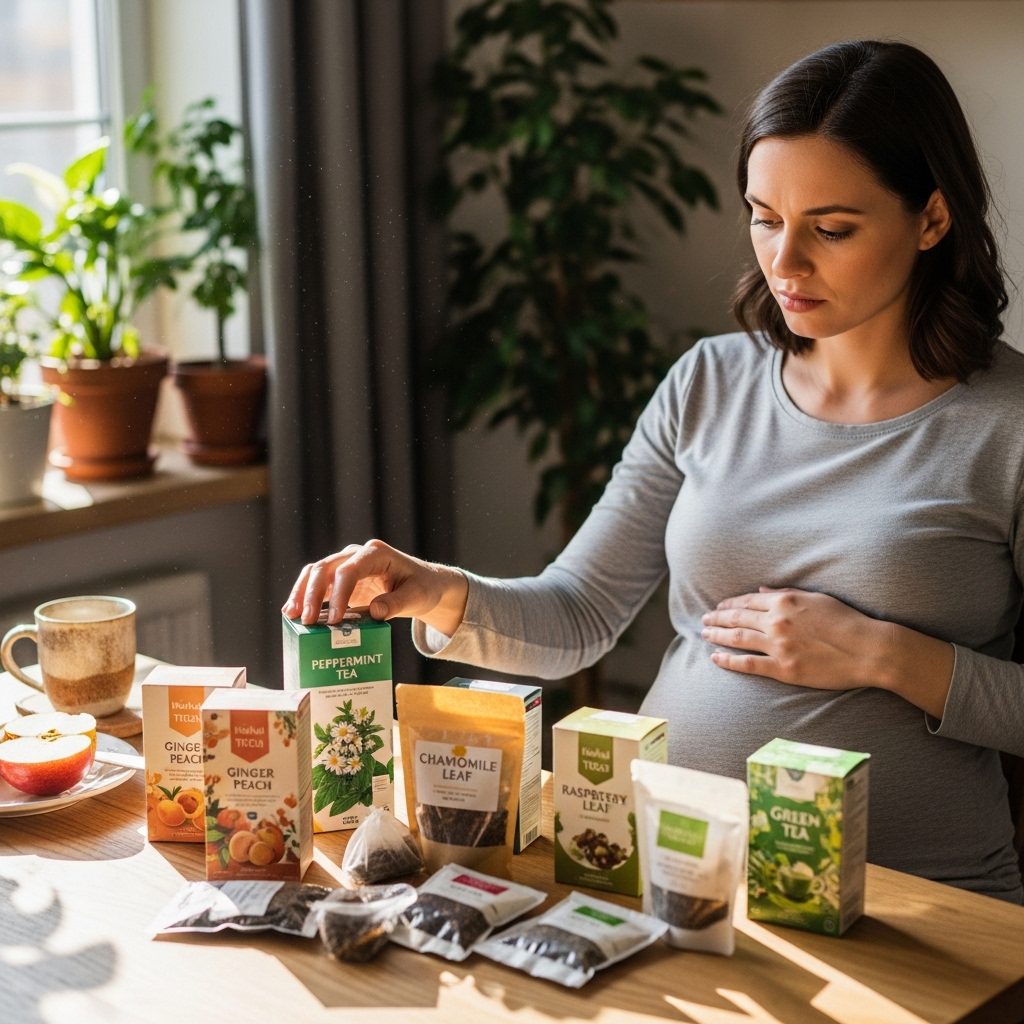
- Drink ginger tea after meals to support digestion
- Use peppermint tea to ease bloating
- Enjoy chamomile tea in the evening for relaxation
- Choose rooibos as a daily caffeine-free alternative
- Keep intake moderate and consistent
These simple habits can make herbal teas a safe and enjoyable part of your routine.
Herbal teas can be a valuable addition to a healthy pregnancy when chosen carefully. Some options offer gentle support for digestion, relaxation, and overall comfort, while others should be avoided due to potential risks.
The key is to stay informed, practice moderation, and consult with healthcare professionals when needed. By making thoughtful choices, you can safely enjoy the benefits of herbal teas without compromising your health or your baby’s well-being.
For more evidence-based nutrition guidance and practical wellness tips, visit Nutrition Travels and explore how to support a healthier lifestyle during pregnancy.