

When we think about building muscles or improving athletic performance, attention often focuses on the amount of protein a person consumes daily. We might hear advice like “consume 2 grams of protein per kilogram of body weight”, as if this amount alone is enough to build muscles. However, modern research in sports nutrition has shown that protein quality, especially its content of the amino acid leucine, plays a bigger role in stimulating muscle growth than merely focusing on quantity.
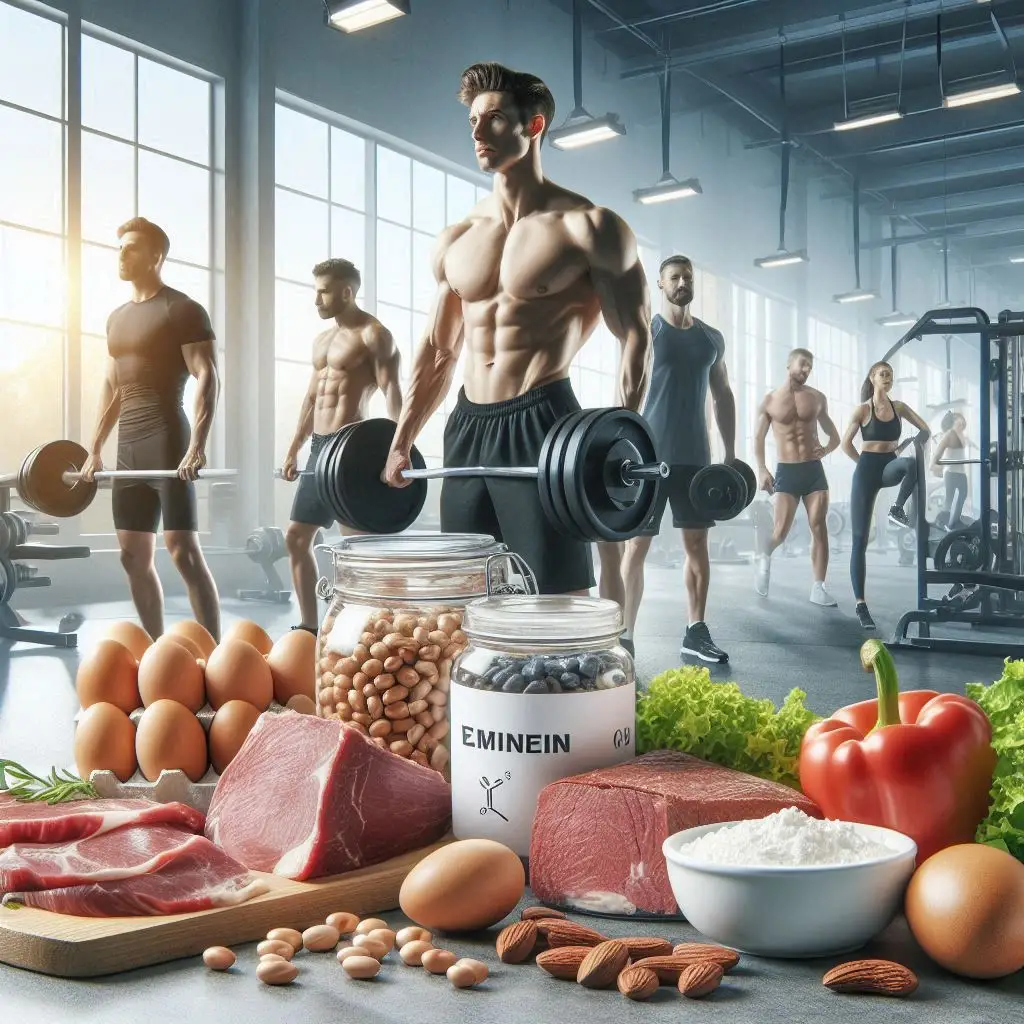
What is Leucine and Its Role in Muscle Growth?
When it comes to the energy needed for training and athletic performance, carbohydrates are usually the first thing that comes to mind, as they are the preferred energy source for working muscles. While some protein can be converted and used as an energy source, most protein is used to build and repair body tissues. Leucine, however, is different. Compared to other amino acids, leucine can be easily converted into energy during exercise.
In addition to being an energy source, leucine plays a pivotal role in building new muscle tissue, as it is essential for stimulating muscle growth. In fact, leucine is considered the most potent stimulator of muscle growth among all amino acids. For this reason, many athletes turn to foods and supplements rich in leucine to improve muscle strength and increase lean muscle mass.
Protein Quality vs Quantity: Which is Better for Muscle Building:
Many athletes assume that all protein is equal, but the reality is different. Proteins vary in their content of essential amino acids and their ability to support muscle building. Animal proteins, such as meat, fish, eggs, and dairy products, often contain high levels of leucine, whereas plant proteins may be lower in this amino acid.
For example, 30 grams of soy protein may contain about 2 grams of leucine, while the same amount of milk or egg protein can contain 3 grams or more. These differences may seem small, but they are very important when it comes to stimulating muscle growth over the long term, especially for athletes who train intensely.
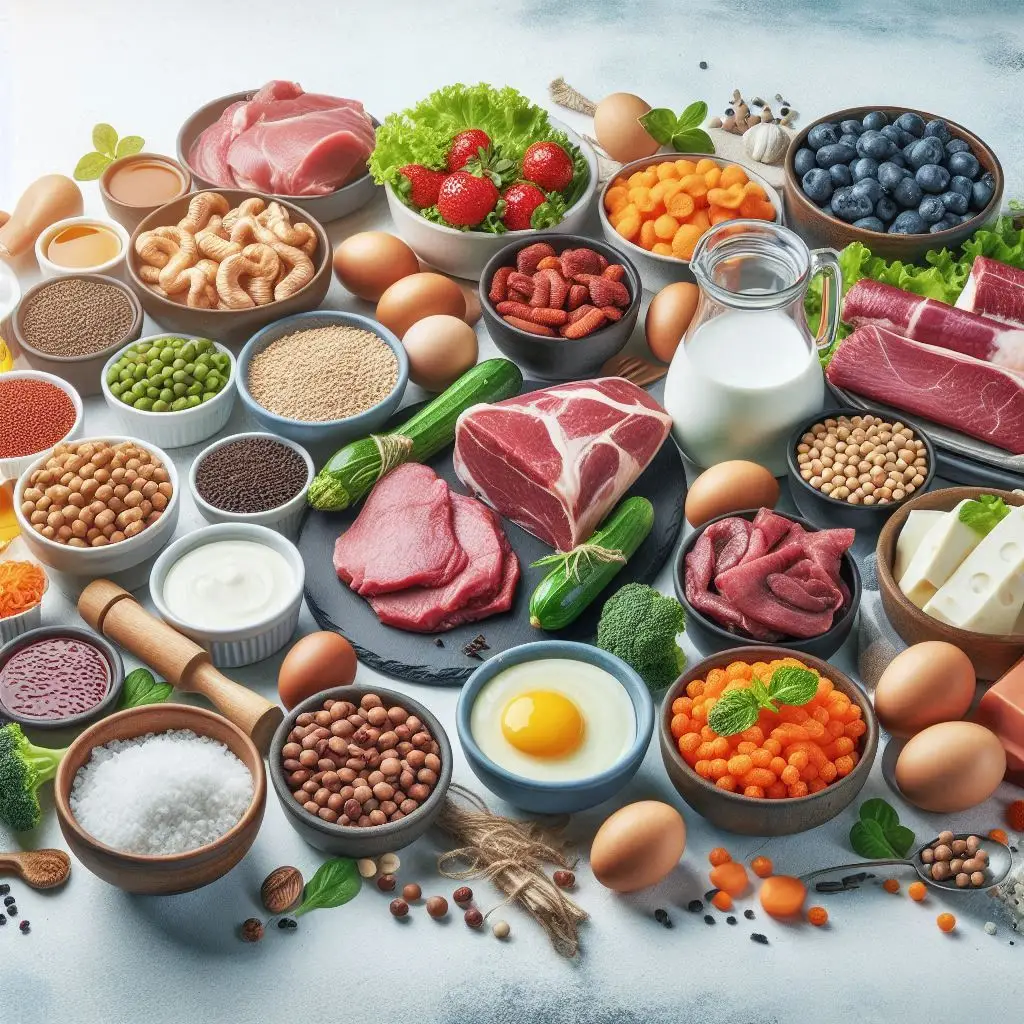
Top Leucine-Rich Foods to Boost Muscle Growth:
If the goal is to effectively support muscle growth, choosing protein rich in leucine becomes an important step. Some of the best sources include:
1. Eggs: Eggs are one of the best sources of leucine, especially the egg whites.
2. Dairy Products: Such as milk, cheese, and yogurt, providing a good amount of leucine along with complete, easily digestible proteins.
3. Red Meat and Poultry: All provide high levels of leucine, making them ideal for athletes.
4. Fish: Especially salmon and tuna, which contain high-quality protein with a good ratio of healthy fatty acids.
5. Plant Proteins: Such as protein extracted from peas or rice, which can be combined to form a complete amino acid profile, including leucine.
The Ideal Amount per Meal:
Research shows that distributing protein across multiple meals throughout the day is more effective than consuming a large amount at once. Consuming about 20-30 grams of complete protein rich in leucine per meal can provide 2-3 grams of leucine, which is the level needed to optimally stimulate muscle protein synthesis.
This means that athletes should not only consider their total daily protein intake but also the quality of protein and how it is distributed throughout the day.
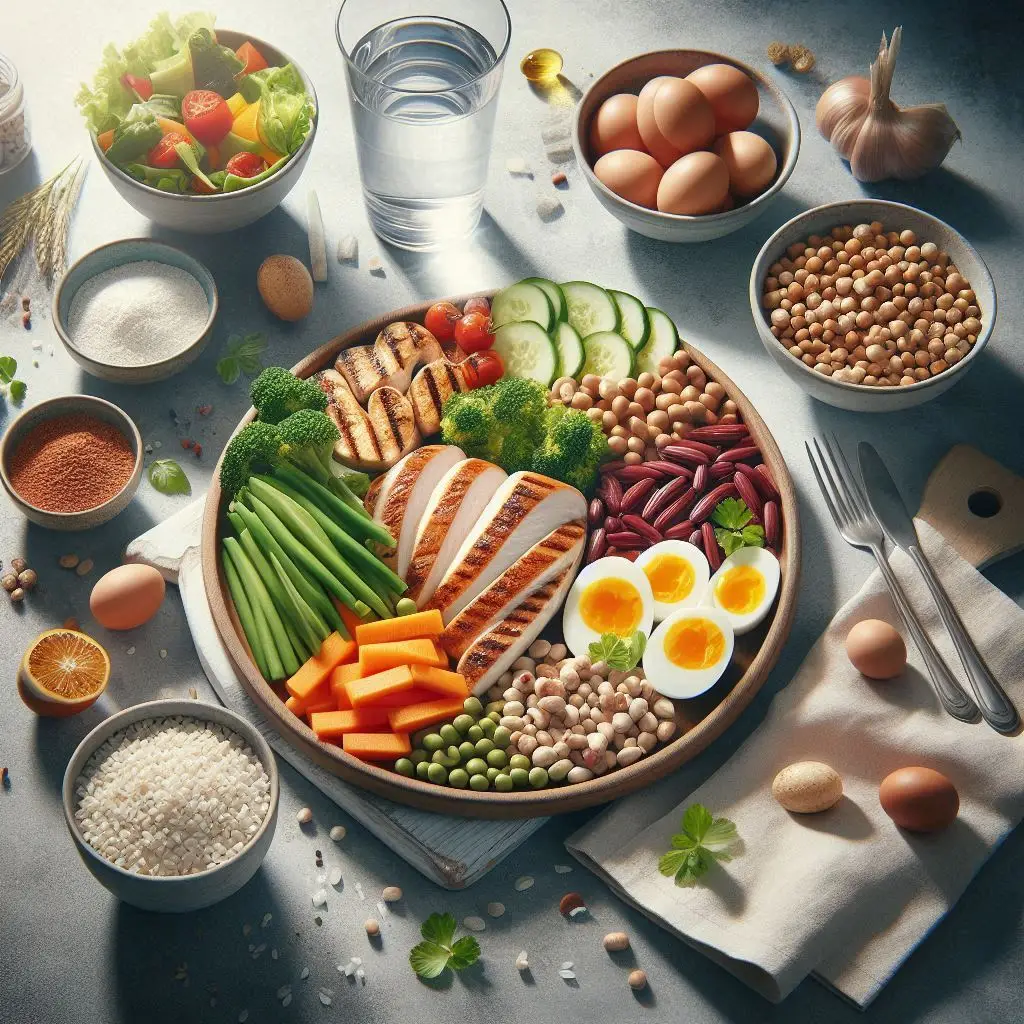
Leucine represents the key that unlocks muscles to use protein for rebuilding themselves after exercise. Choosing high-quality protein with adequate leucine is often more effective than simply increasing protein quantity randomly. For athletes, focusing on animal protein or complementary plant sources, and distributing protein across multiple meals during the day, can improve results in terms of muscle size, strength, and recovery speed.
At Nutrition Travels, we provide accurate and scientific information on nutrition and fitness, helping athletes and health enthusiasts understand the most important nutrients and apply them practically in their daily lives.