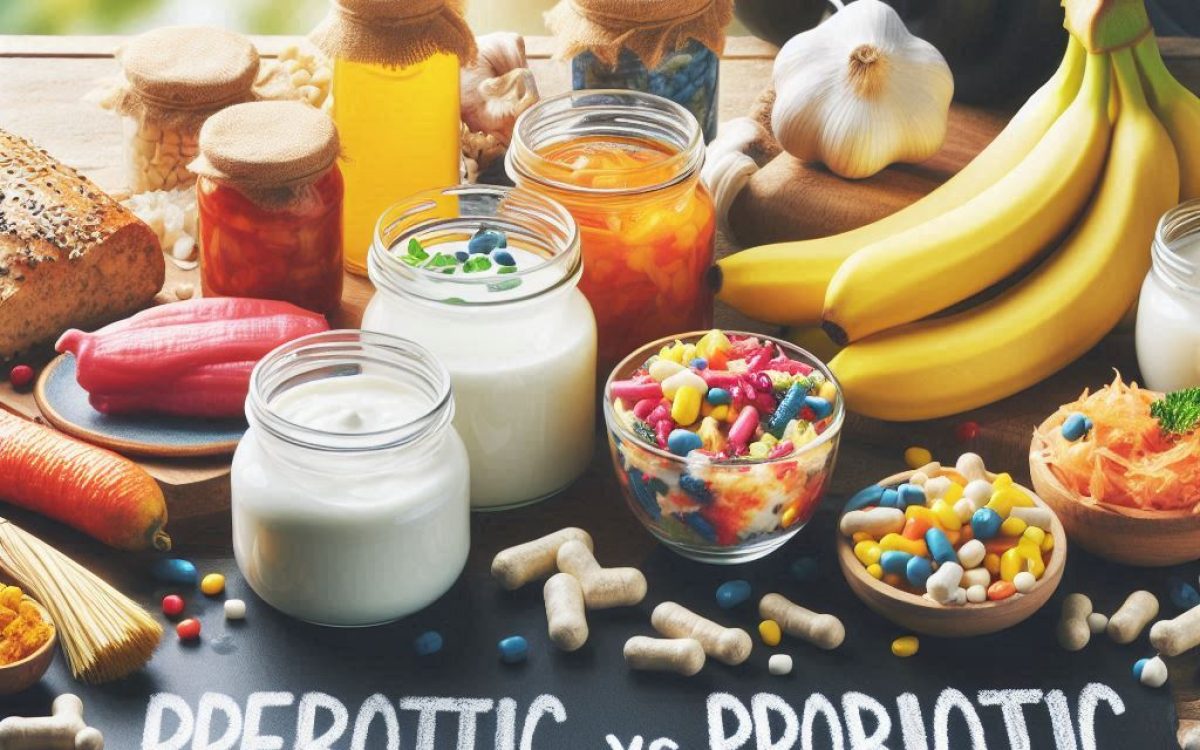
In recent years, interest has grown significantly in prebiotics vs. probiotics and how this comparison relates to athletic performance and muscle growth. These two gut-health components have emerged as essential tools for improving digestion and enhancing nutrient absorption. As research has expanded, it has become clear that their benefits go far beyond gut health—they play a key role in boosting energy, strengthening immunity, accelerating muscle recovery, and increasing muscle mass. This growing awareness has led many athletes to question which one offers the greatest advantage.
In this article, we explain the difference between prebiotics and probiotics, how each affects the body and muscle growth, and how athletes can choose the best option for maximizing performance.
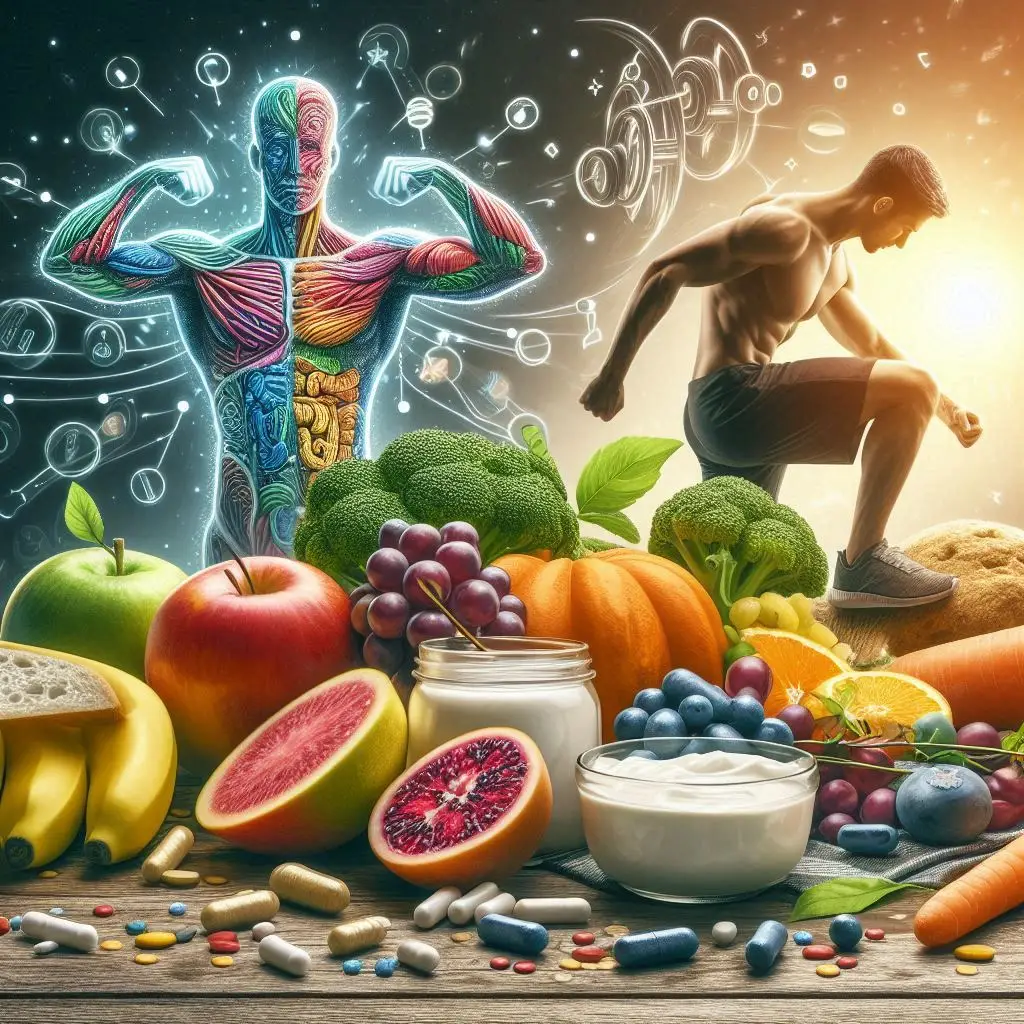
Prebiotics vs. Probiotics: What’s the Difference?
Probiotics: Ready-to-Use Beneficial Bacteria:
Probiotics are dietary supplements that contain beneficial bacteria similar to those naturally present in the gut. They play a major role in breaking down food and supporting healthy digestion. Probiotics are also found in fermented foods such as yogurt and yeast.
Common Probiotic Strains (Lactobacillus, Bifidobacterium, etc.):
- Lactobacillus.
- Bifidobacterium.
- Saccharomyces boulardii.
Prebiotics: Food for Beneficial Gut Bacteria:
Prebiotics promote the growth of beneficial bacteria. They consist of fibers and carbohydrates that the body cannot digest, but that serve as nourishment for the good bacteria already present in the gut—or introduced through probiotic supplements.
Prebiotics are found in fiber-rich foods such as fruits, vegetables, whole grains, legumes, onions, and garlic.

How Does Gut Health Affect Muscle Growth?
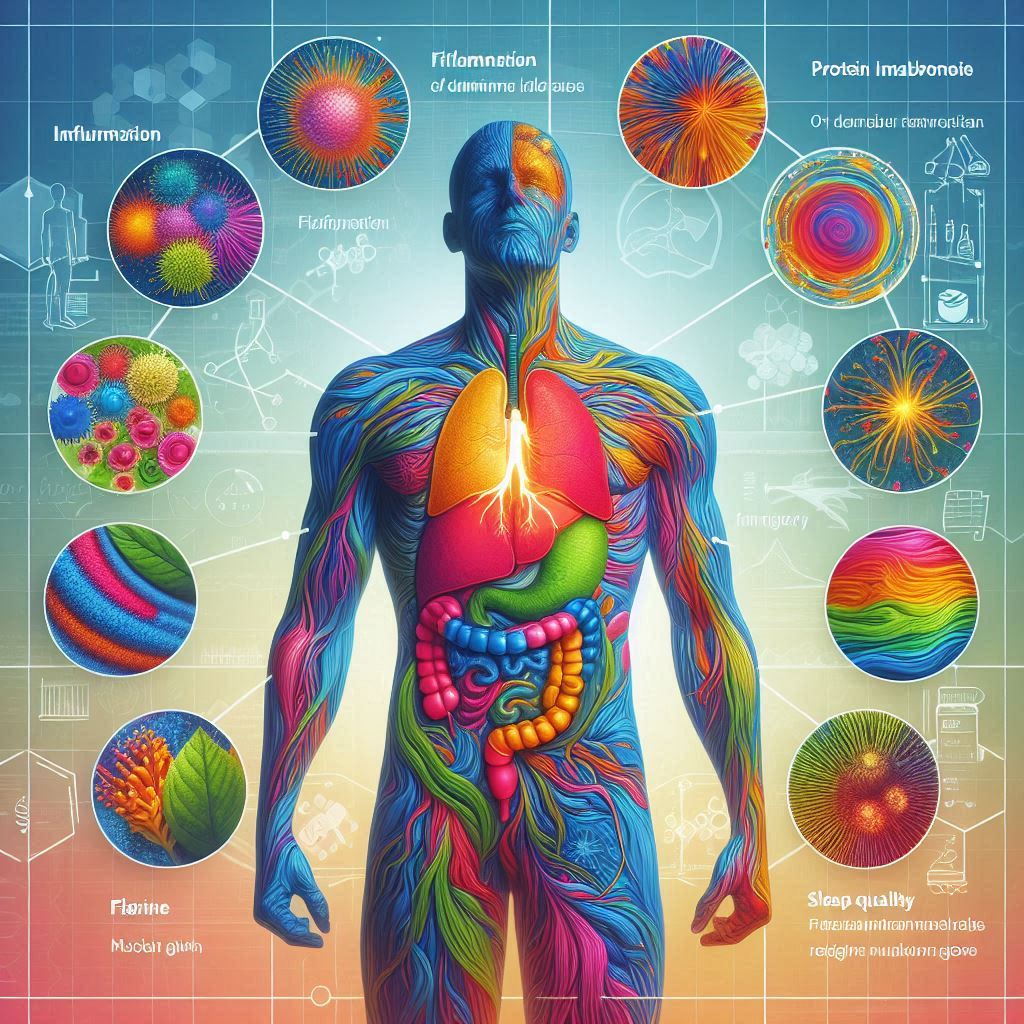
It may sound surprising that the gut plays a role in muscle building, but recent research shows a strong connection between the microbiome (the trillions of bacteria in the gut) and the following:
- Protein and amino acid absorption.
- Reduction of exercise-induced inflammation.
- Production of key hormones like testosterone and insulin.
- Regulation of energy levels.
- Improved muscle recovery.
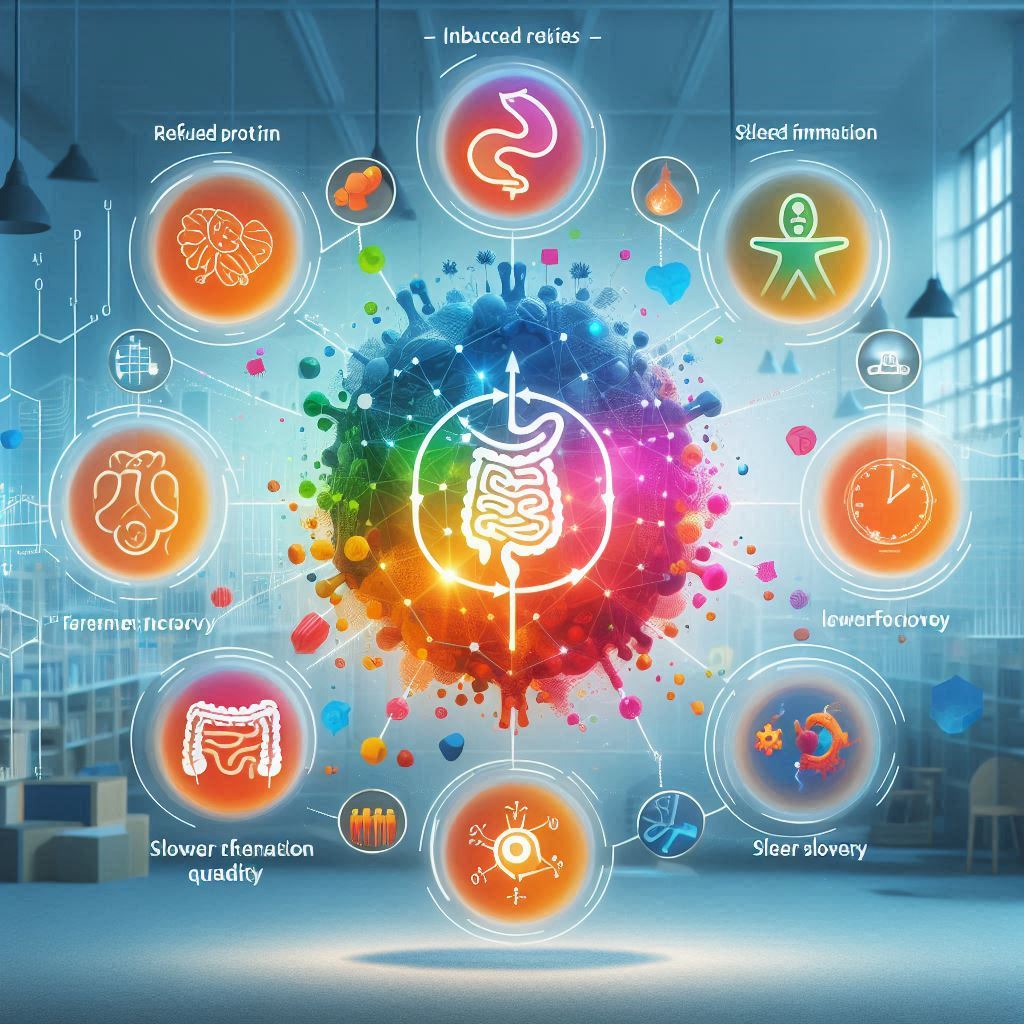
When the gut microbiome is imbalanced (a condition known as dysbiosis), several problems occur:
- Reduced protein absorption.
- Increased inflammation.
- Slower recovery.
- Faster fatigue during workouts.
- Lower sleep quality.
All of these hinder muscle growth.
The Role of Probiotics in Muscle Growth and Performance:
1. Improved absorption of protein and amino acids:
Certain strains such as Lactobacillus plantarum enhance the gut’s ability to extract amino acids from food, significantly supporting muscle protein synthesis.
2. Reduced post-workout inflammation:
Intense training raises inflammation in the muscles. Probiotics help lower inflammation by:
- Strengthening the gut mucosal barrier.
- Reducing intestinal permeability (Leaky Gut).
- Regulating immune function.
This speeds up recovery.
3. Enhanced energy production:
Probiotics improve the absorption of carbohydrates and fats, increasing energy stores during exercise and delaying fatigue.
4. Better sleep quality:
Sleep is critical for muscle growth. Probiotics help with:
- Reduced anxiety.
- Improved sleep patterns.
- Lower cortisol levels.
This directly contributes to better muscle development.
5. Prevention of digestive issues:
Many athletes experience digestive problems such as:
- Bloating.
- Cramping.
Probiotics help reduce these symptoms and improve digestive comfort.
The Role of Prebiotics in Muscle Growth and Recovery:
Prebiotics do not provide bacteria themselves but nourish the existing beneficial bacteria, creating long-term improvements in gut health. Their effects on muscle development include:
1. Increased growth of beneficial bacteria:
Prebiotics boost the number of good bacteria, which leads to:
- Better digestion.
- Higher protein absorption.
- Reduced inflammation.
All of which support muscle growth.
2. Production of Short-Chain Fatty Acids (SCFAs):
These include:
- Butyrate.
- Propionate.
- Acetate.
SCFAs help:
- Improve insulin sensitivity.
- Enhance energy utilization.
- Reduce inflammation.
- Support muscle fiber growth.
3. Reduced fat accumulation:
Certain prebiotics help reduce body fat—especially abdominal fat—which contributes to improving lean body mass.
4. Stronger immunity:
A stronger immune system allows athletes to train consistently without interruption.
5. Improved satiety and appetite control:
This helps athletes trying to lose fat without sacrificing muscle mass.
Prebiotics vs. Probiotics: Which Is Better for Muscle Growth?
According to recent scientific research:
➡ The best muscle-building results come from combining both prebiotics and probiotics.
However, if you must choose:
1. Probiotics provide a faster, more noticeable improvement in digestion and protein absorption.
2. Prebiotics deliver long-term benefits by strengthening and stabilizing the gut microbiome.
Together, they create a powerful synergy for enhanced performance, better recovery, and stronger muscle development.
Potential Side Effects of Prebiotics vs. Probiotics:
According to the CDC, both are generally safe for healthy individuals. However, some people may experience temporary side effects when first taking them:
- Gas.
- Constipation.
- Loss of appetite.
- Bloating.
- Acid reflux.
These symptoms typically disappear within a few days as the body adjusts.

Prebiotics and probiotics are essential for improving gut health—but their impact extends far beyond digestion. Modern research confirms they play a crucial role in muscle growth, athletic performance, recovery, energy production, and inflammation reduction.
Therefore, the best strategy for athletes seeking faster and more consistent improvements in muscle mass and performance is to combine both types—whether through food or supplements.
At Nutrition Travels, we are committed to providing the latest science-based insights in sports nutrition to help you choose the best strategies for building muscle and improving your overall health.