

As we age, our bodies naturally undergo changes, and the digestive system often becomes more sensitive and slower than it was in younger years. This is where High-Fiber Diet Plans for Seniors play a crucial role. They are not just a nutritional preference, but a foundational component of a healthy lifestyle that supports digestive comfort and reduces common concerns such as constipation and bowel irregularities.
Adopting a fiber-rich diet is a long-term investment in quality of life, independence, and overall well-being for older adults.

How High-Fiber Diets Support Digestive Health:
Dietary fiber falls into two main categories:
1) Soluble Fiber:
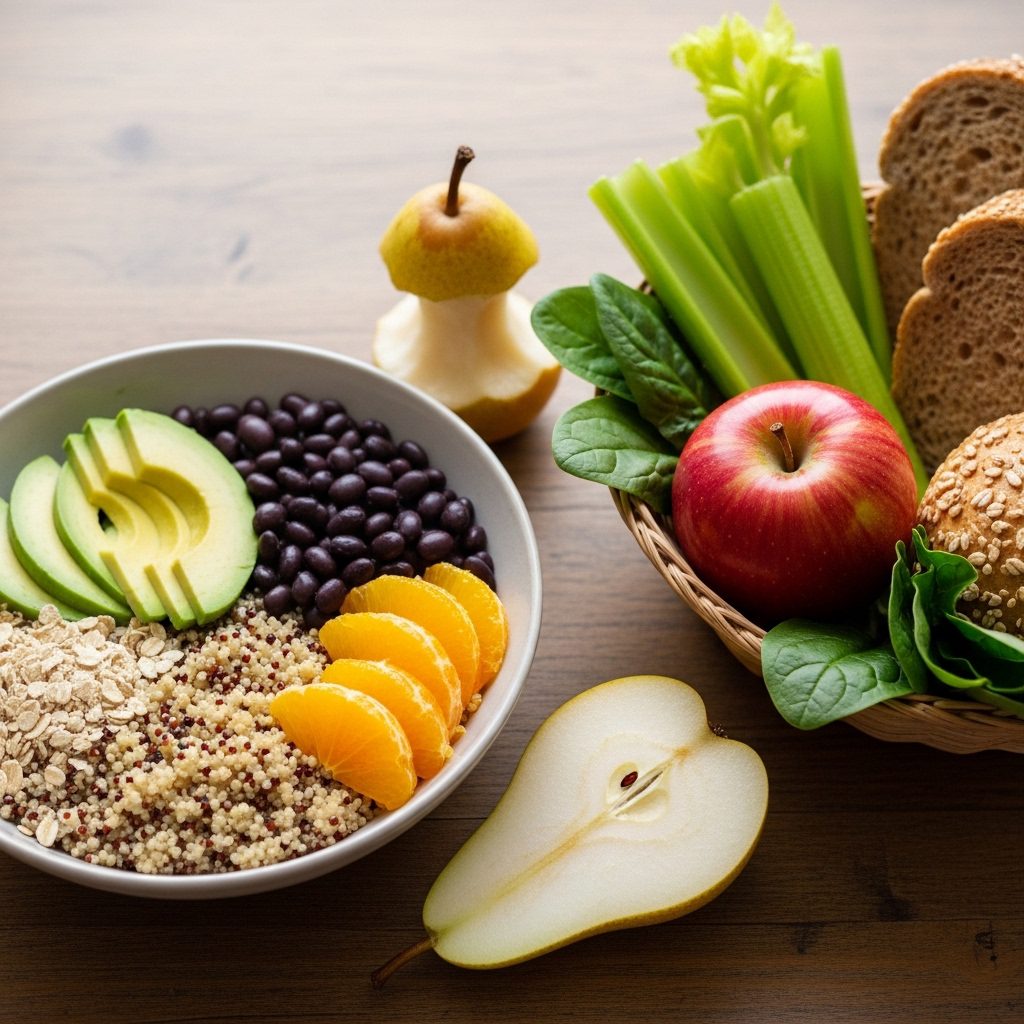
Found in foods such as oats, apples, lentils, and legumes, soluble fiber helps lower cholesterol levels and regulate blood sugar.
2) Insoluble Fiber:
Present in whole grains, leafy vegetables, and fruit skins, insoluble fiber promotes healthy bowel movements and helps prevent constipation.
Combining both types within a balanced, high-fiber eating pattern creates optimal digestive support.
High-Fiber Diet Plans for Seniors: Common Age-Related Issues Improved by Fiber:
As people grow older, many experience:
-
- Chronic constipation
- Bloating
- Sluggish digestion
- Elevated cholesterol levels
A well-structured, fiber-rich diet can naturally ease these issues without relying heavily on laxatives or medications. Fiber also enhances satiety, helping maintain a healthy weight—an important factor in reducing joint strain and supporting mobility.
Natural Sources of Fiber for Seniors:
To build a senior-friendly, high-fiber meal plan, focus on:
-
- Whole grains such as oats and whole wheat
- Legumes like lentils and beans
- Vegetables including broccoli and carrots
- Fruits such as pears and apples
- Nuts and seeds in moderate portions
Fiber intake should increase gradually to avoid gas or bloating, and adequate hydration is essential.

High-Fiber Diet Plans for Seniors: The Importance of Hydration:
Fiber works best when paired with sufficient fluid intake. Increasing fiber without enough water can actually worsen constipation.
Unless otherwise directed by a healthcare provider, seniors are generally encouraged to drink at least 6–8 cups of water daily.
When to Consult a Doctor:
Although fiber offers many benefits, medical guidance is recommended if there are:
-
- Chronic digestive conditions
- Difficulty swallowing
- Unexplained weight loss
- Persistent abdominal pain
Any significant dietary change should be made thoughtfully and, when necessary, under professional supervision.

High-Fiber Diet Plans for Seniors: Designing a Balanced High-Fiber Daily Plan:
Instead of consuming most fiber in one meal, it’s better to distribute it throughout the day. For example:
-
- Breakfast: Whole-grain oatmeal
- Lunch: Fresh or cooked vegetables with legumes
- Dinner: Light meal with well-cooked vegetables
- Snacks: Fruit or a small handful of nuts
Spreading fiber intake helps improve digestion, reduce bloating, and maintain steady energy levels. Gradual adjustments remain the key to comfort.
Fiber and Chronic Disease Prevention:
Official dietary recommendations from the U.S. Departments of Agriculture and Health and Human Services highlight that fiber-rich eating patterns are associated with a reduced risk of heart disease, diabetes, and certain digestive disorders.
High-fiber diets contribute to:
-
- Better blood sugar regulation
- Lower LDL (“bad”) cholesterol
- Improved heart health
- Healthier weight management
These factors become increasingly important with advancing age.

High-Fiber Diet Plans for Seniors: Common Mistakes to Avoid:
Despite its benefits, some practices can reduce the effectiveness of a high-fiber diet:
1. Increasing fiber too quickly.
2. Not drinking enough water.
3. Relying solely on fiber supplements.
4. Ignoring dietary variety.
Whole foods remain the best source of fiber, as they also provide essential vitamins, minerals, and antioxidants.

A Practical One-Day Example:
Here’s a simple sample day:
-
- Breakfast: Oatmeal cooked with low-fat milk and sliced apples
- Lunch: Brown rice with lentils and cooked vegetables
- Snack: One pear
- Dinner: Vegetable soup with whole-grain bread
This approach supplies fiber steadily throughout the day without overwhelming the digestive system.
High-Fiber Diet Plans for Seniors: The Role of Physical Activity:
Fiber is most effective when combined with regular movement. A 20–30 minute daily walk can help:
-
- Stimulate bowel function
- Reduce bloating
- Support overall health
A fiber-rich diet works best as part of a balanced and active lifestyle.
Tips for Long-Term Adherence:
Consistency can be challenging, especially for seniors accustomed to long-standing eating habits. To make the transition easier:
-
- Introduce one change at a time
- Swap familiar foods for whole-grain versions
- Prepare vegetables in ways that are easy to chew and digest
- Consult a registered dietitian if needed

The goal is not perfection—but sustainability.
High-Fiber Diet Plans for Seniors: Are Supplements Necessary?
In some cases, a doctor may recommend fiber supplements if dietary intake alone is insufficient. However, supplementation should always be supervised, particularly for seniors taking other medications.
Whole foods remain the primary foundation, with supplements serving only as supportive additions—not replacements.
According to official U.S. dietary guidelines, adults over age 50 are advised to consume approximately:
- 30 grams of fiber per day for men
- 21 grams per day for women
These recommendations reinforce that high-fiber dietary patterns are a central component of healthy aging.
When implemented gradually, combined with adequate hydration and regular physical activity, the benefits are both noticeable and sustainable.
At this stage of life, long-term health often depends on small, consistent daily decisions.
If you’re looking for reliable nutrition plans and practical, evidence-based guidance to help seniors improve their health, we invite you to visit nutritiontravels.