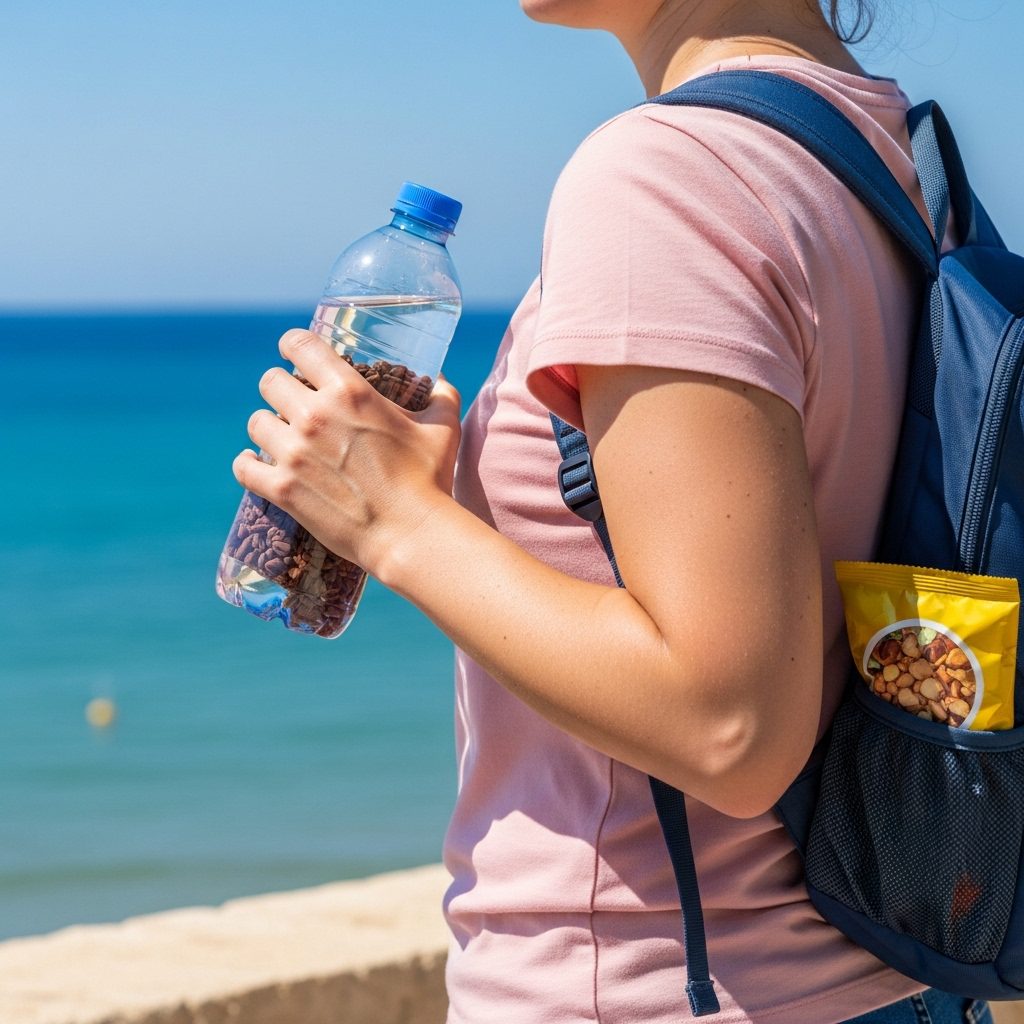
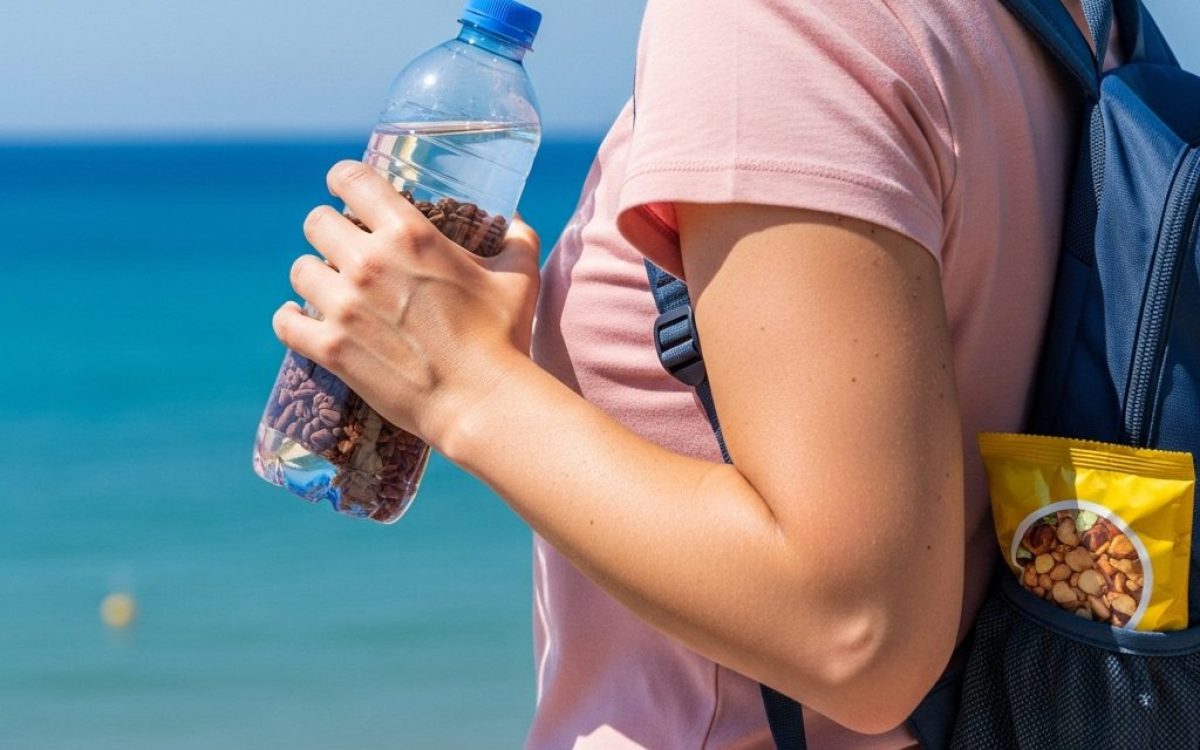
Traveling the world is one of life’s greatest joys — but staying healthy on the road requires preparation and awareness. From unfamiliar food standards to climate changes and long travel hours, your body faces multiple challenges while abroad. That’s why understanding Travel Health Essentials is key to avoiding food poisoning, maintaining energy, and staying fit throughout your journey.
Foodborne illnesses such as traveler’s diarrhea are common in many destinations, often caused by bacteria like Salmonella or E. coli, contaminated water, or improper food handling. At the same time, disrupted routines can impact your fitness, digestion, and immunity.
The good news? With smart planning and practical habits, you can protect your health and fully enjoy your adventure.
Why Food Poisoning Happens During Travel:
Food poisoning while traveling usually occurs due to:
- Contaminated water (tap water or ice cubes)
- Undercooked meat, poultry, or seafood
- Raw vegetables washed with unsafe water
- Street food exposed to heat and insects
- Unpasteurized dairy products
- Poor hand hygiene
Different countries have varying food safety standards, and your digestive system may not be used to local bacteria. This makes prevention your strongest defense.
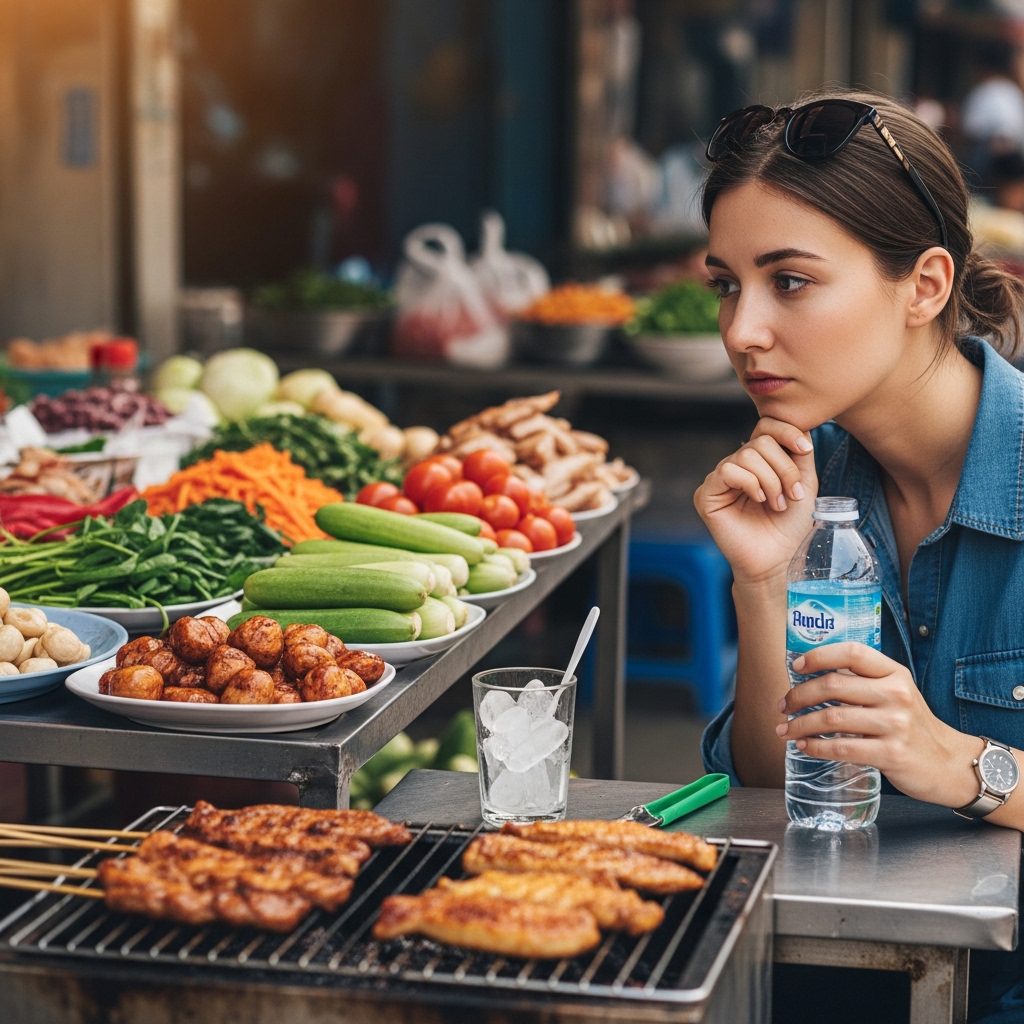
The Golden Rule: “Cook It, Boil It, Peel It, or Leave It”:
One of the most trusted Travel Health Essentials guidelines comes from global health authorities like the Centers for Disease Control and Prevention.
Follow this simple rule:
- Eat food that is freshly cooked and served hot
- Drink only bottled or properly boiled water
- Peel fruits yourself (bananas, oranges, avocados)
- Avoid anything raw that you cannot wash or peel
If you’re unsure about a food’s safety, it’s better to skip it.
Safe Drinking Habits While Abroad:
Water safety is critical when traveling:
- Drink only sealed bottled water.
- Avoid tap water — even for brushing teeth in high-risk areas.
- Skip ice cubes (often made from tap water).
- Choose pasteurized milk and dairy products.
Dehydration increases fatigue and weakens immunity. Staying hydrated with safe water helps your body resist infection and maintain energy levels.

Foods to Avoid During Travel:
To reduce your risk of food poisoning:
- Avoid raw salads and uncooked vegetables
- Skip street food that sits uncovered
- Avoid buffet food that has been sitting out
- Say no to undercooked meat and seafood
- Avoid cut fruit sold in open markets
Instead, choose restaurants with high hygiene ratings and busy dining areas — high turnover usually means fresher food.
Hygiene: Your First Line of Defense:
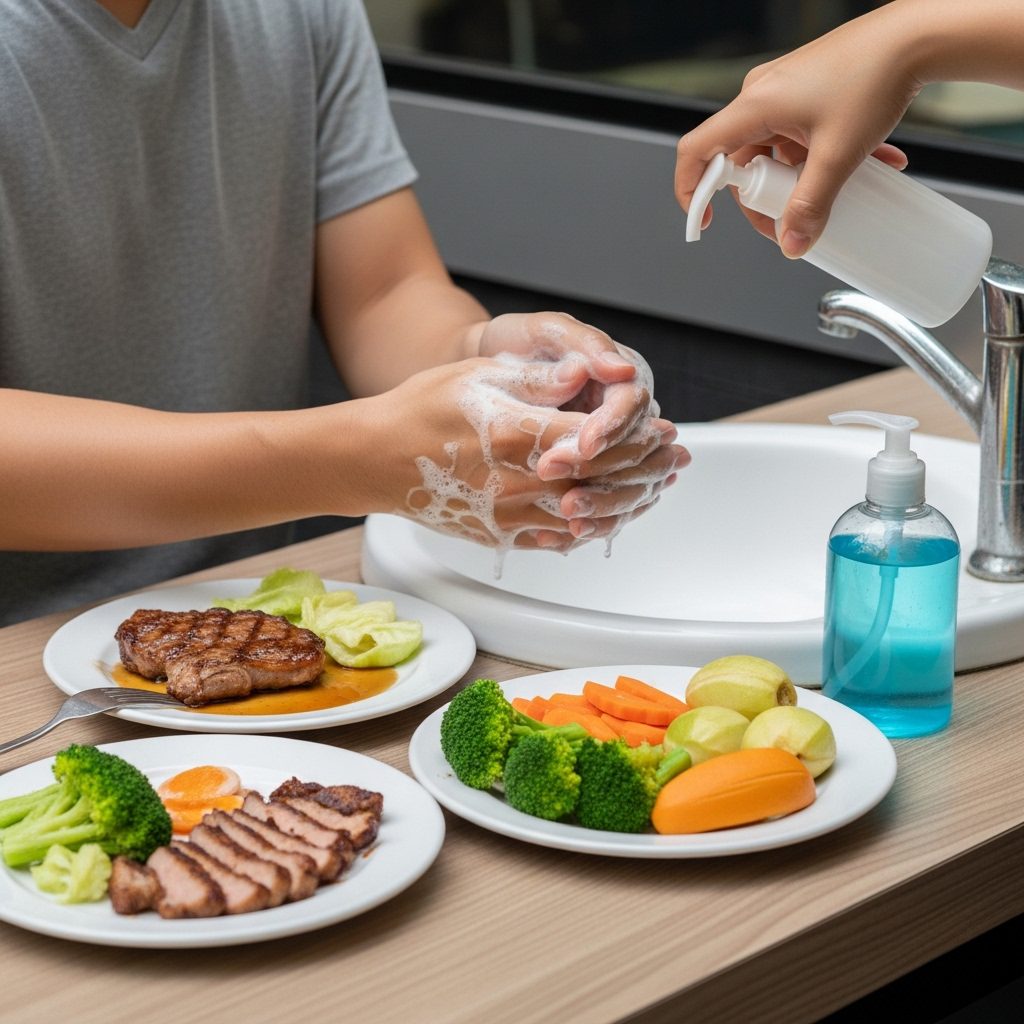
Washing your hands is one of the most powerful Travel Health Essentials habits.
- Wash hands with soap and water for at least 20 seconds
- Use hand sanitizer (minimum 60% alcohol) when soap is unavailable
- Avoid touching your face with unclean hands
Hand hygiene protects you not only from food poisoning but also from respiratory infections and viruses.
What to Do If You Get Food Poisoning:
Despite precautions, traveler’s diarrhea can still happen.
Common symptoms include:
- Stomach cramps
- Diarrhea
- Nausea or vomiting
- Fever
- Weakness
If symptoms appear:
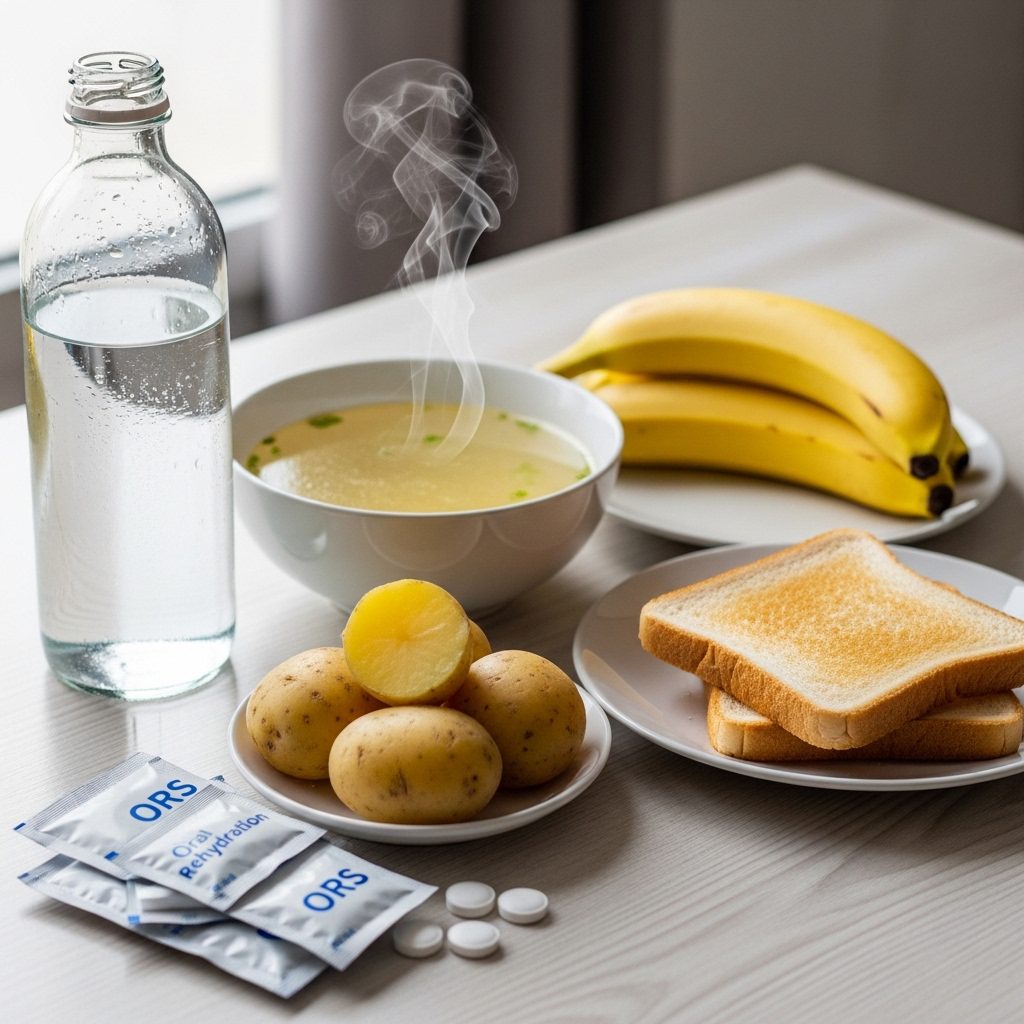
1- Rehydrate immediately – Drink bottled water, clear broth, or oral rehydration salts.
2- Eat light foods – Stick to rice, toast, bananas, and boiled potatoes.
3- Rest – Allow your body to recover.
4- Seek medical help – If symptoms last more than 48 hours, include blood in stool, or cause severe dehydration.
Avoid anti-diarrheal medication unless recommended by a healthcare professional.
Staying Fit While Traveling:
Health isn’t only about avoiding illness — it’s also about maintaining energy and fitness.
Travel often disrupts routines, but staying active doesn’t require a gym membership.
1- Walk Whenever Possible:
Turn sightseeing into cardio. Explore cities on foot instead of relying on taxis. Walking tours are excellent for both cultural immersion and physical activity.
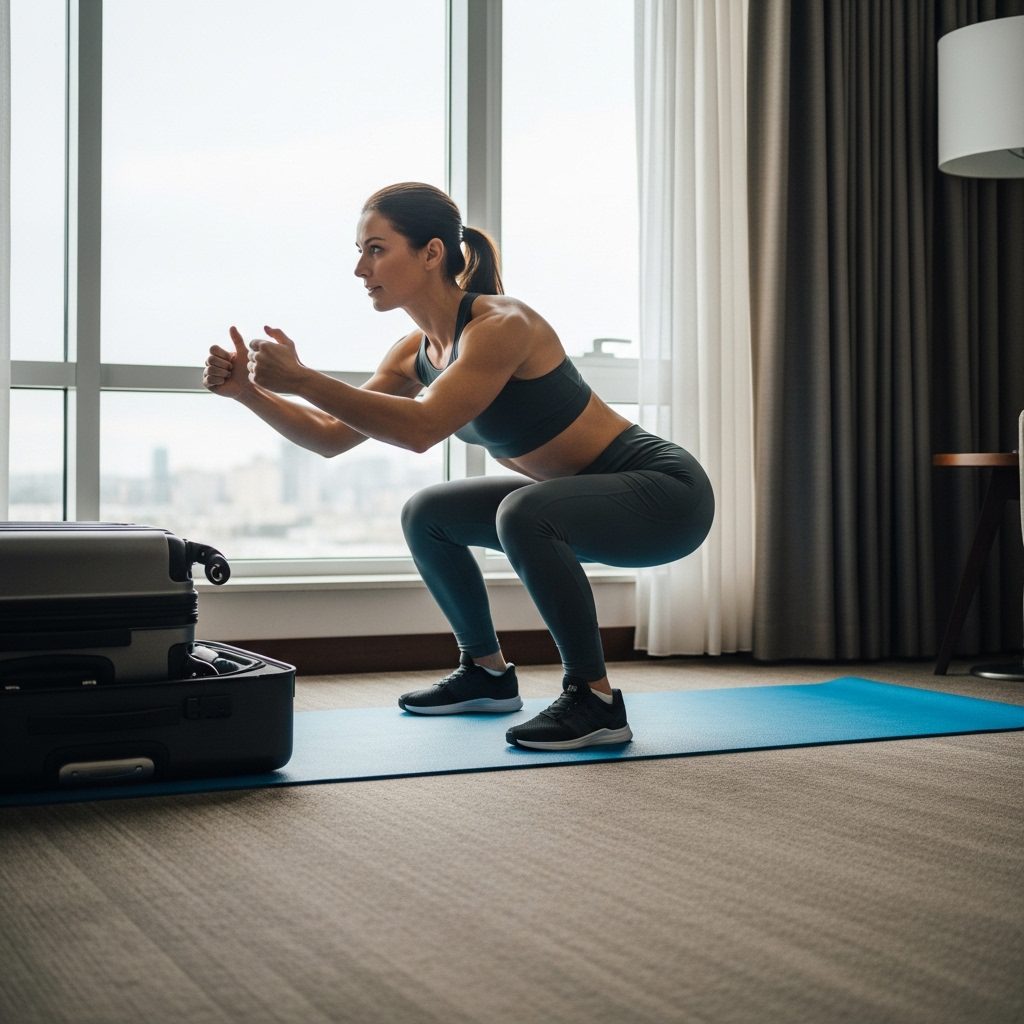
2- Bodyweight Workouts in Your Room:
No equipment needed. Try:
- Squats
- Push-ups
- Planks
- Lunges
A 15–20 minute routine can boost circulation and maintain muscle tone.
3- Use Hotel Facilities:
If available, use the hotel gym or swimming pool. Even light exercise improves digestion and energy levels.
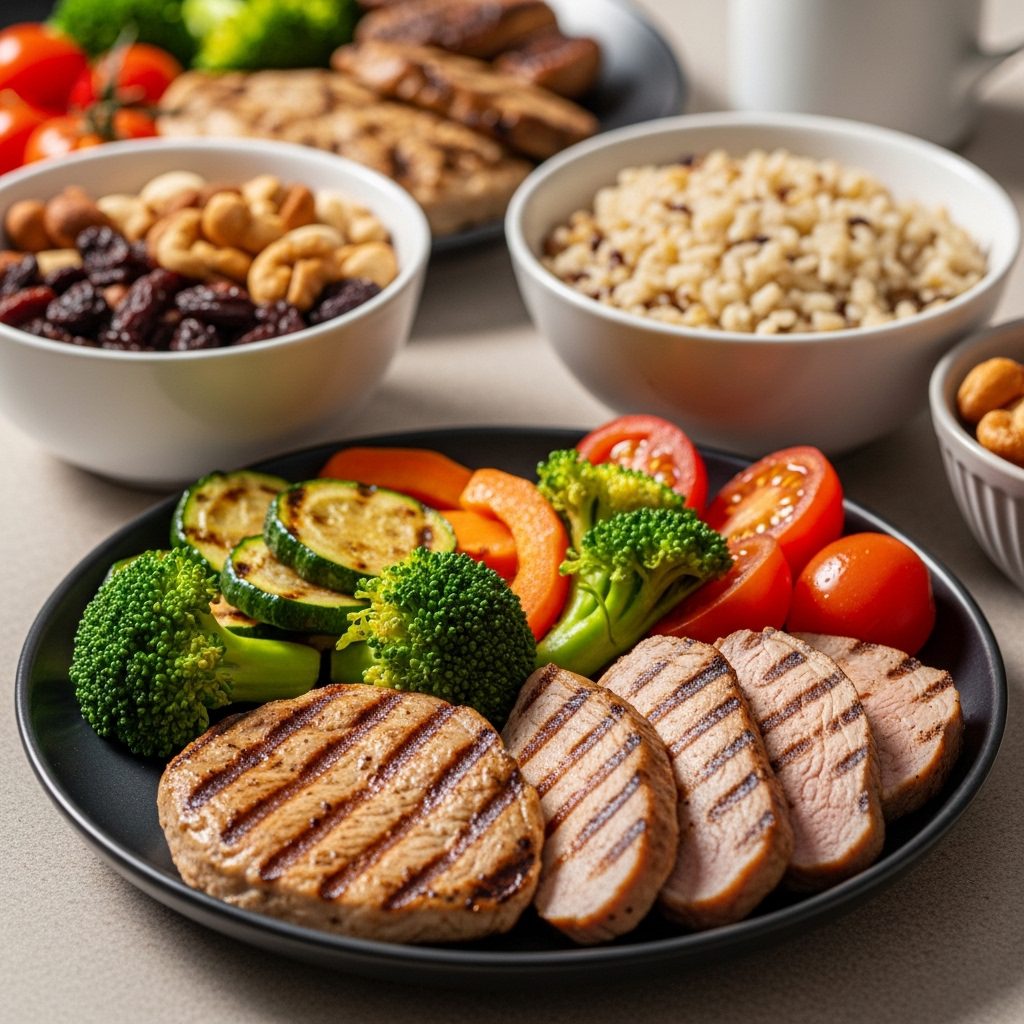
Smart Nutrition Choices on the Road:
Maintaining balanced nutrition supports immunity and stamina.
Choose:
- Grilled or baked proteins
- Freshly cooked vegetables
- Whole grains when available
- Smaller portion sizes
Limit:
- Fried foods
- Sugary snacks
- Heavy processed meals
Carrying healthy snacks like nuts or dried fruit prevents overeating unhealthy options.
Protecting Your Immune System:
Strong immunity is a major part of Travel Health Essentials.
- Sleep 7–8 hours per night
- Stay hydrated
- Consider probiotics before and during travel
- Avoid excessive alcohol
- Manage stress
Before traveling, consult a doctor 4–6 weeks in advance to discuss necessary vaccinations based on your destination.
Movement During Long Flights:
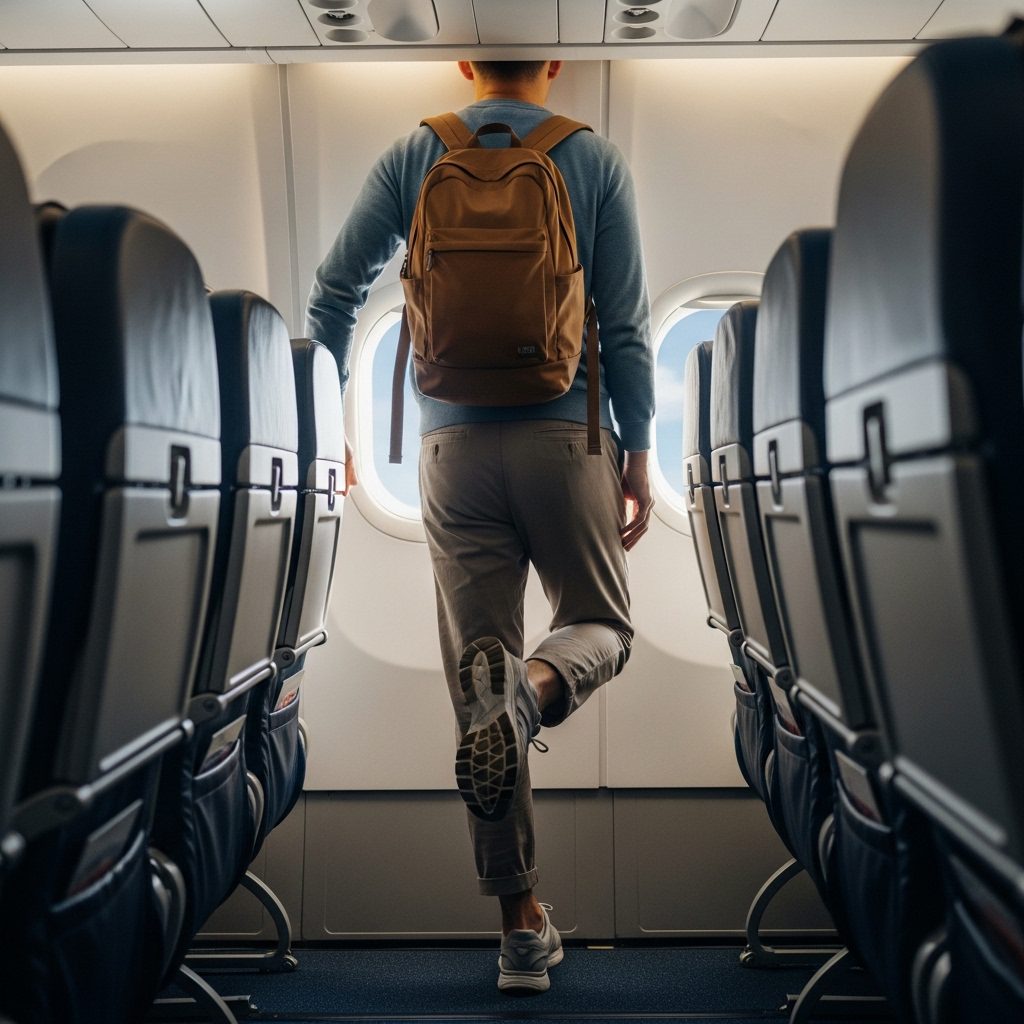
Long travel hours can reduce circulation and increase fatigue.
To stay healthy:
- Walk around every 1–2 hours during flights
- Stretch your legs and ankles
- Drink water regularly
- Avoid excessive caffeine
Small movements reduce the risk of blood clots and keep your energy steady upon arrival.
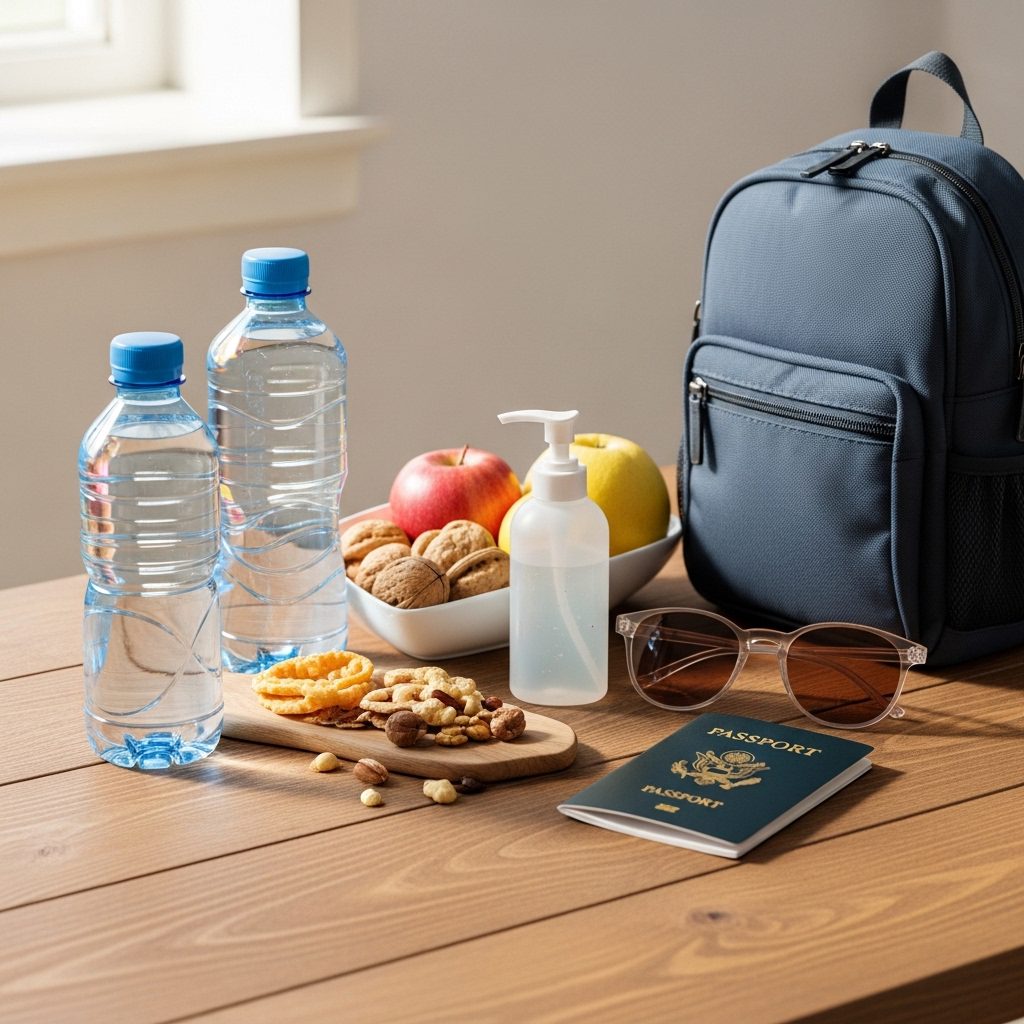
Travel Health Preparation Checklist:
Before departure:
- Pack oral rehydration salts
- Bring anti-diarrheal medication (after medical advice)
- Carry hand sanitizer
- Pack personal prescriptions
- Include sunscreen and insect repellent
Preparation is one of the smartest Travel Health Essentials strategies.
Staying healthy while traveling doesn’t mean limiting your adventure — it means preparing wisely so you can explore confidently.
By following simple rules like drinking bottled water, choosing freshly cooked food, practicing proper hygiene, and maintaining physical activity, you significantly reduce the risk of food poisoning and fatigue.
Travel is meant to energize you, not exhaust you. Protect your digestive health, support your immune system, and stay active wherever you go.
For more practical wellness and travel guidance, visit Nutrition Travels — where smart travel meets healthy living, and every journey begins with well-being.