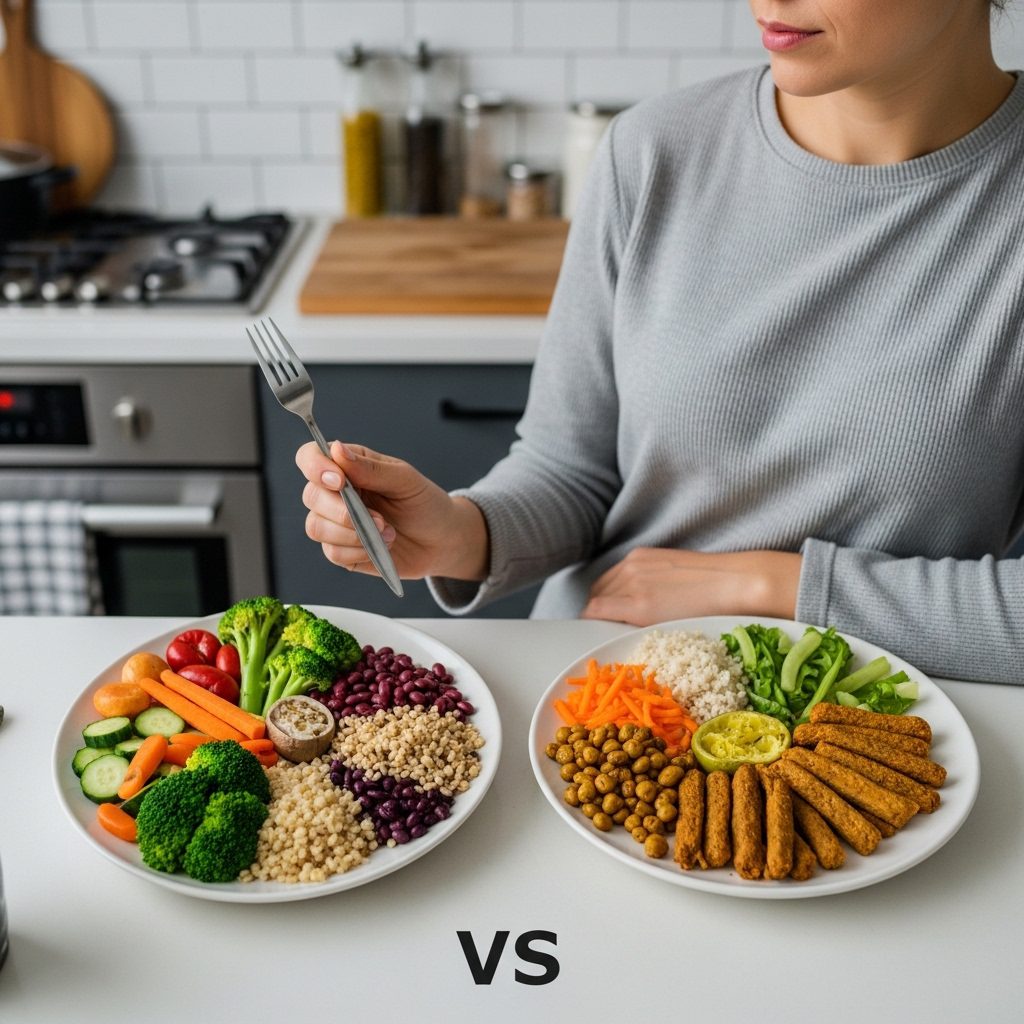

As plant-based diets gain popularity, many individuals face the choice between Whole Foods vs Processed Plant-Based Meats. Understanding the nutritional differences between these two options is essential for anyone following a vegetarian or vegan lifestyle. While both can fit into a plant-based eating pattern, knowing how they impact your overall health, energy levels, and long-term well-being helps you make a smarter, health-conscious decision. This guide explores the benefits and limitations of each option so you can optimize your diet effectively.
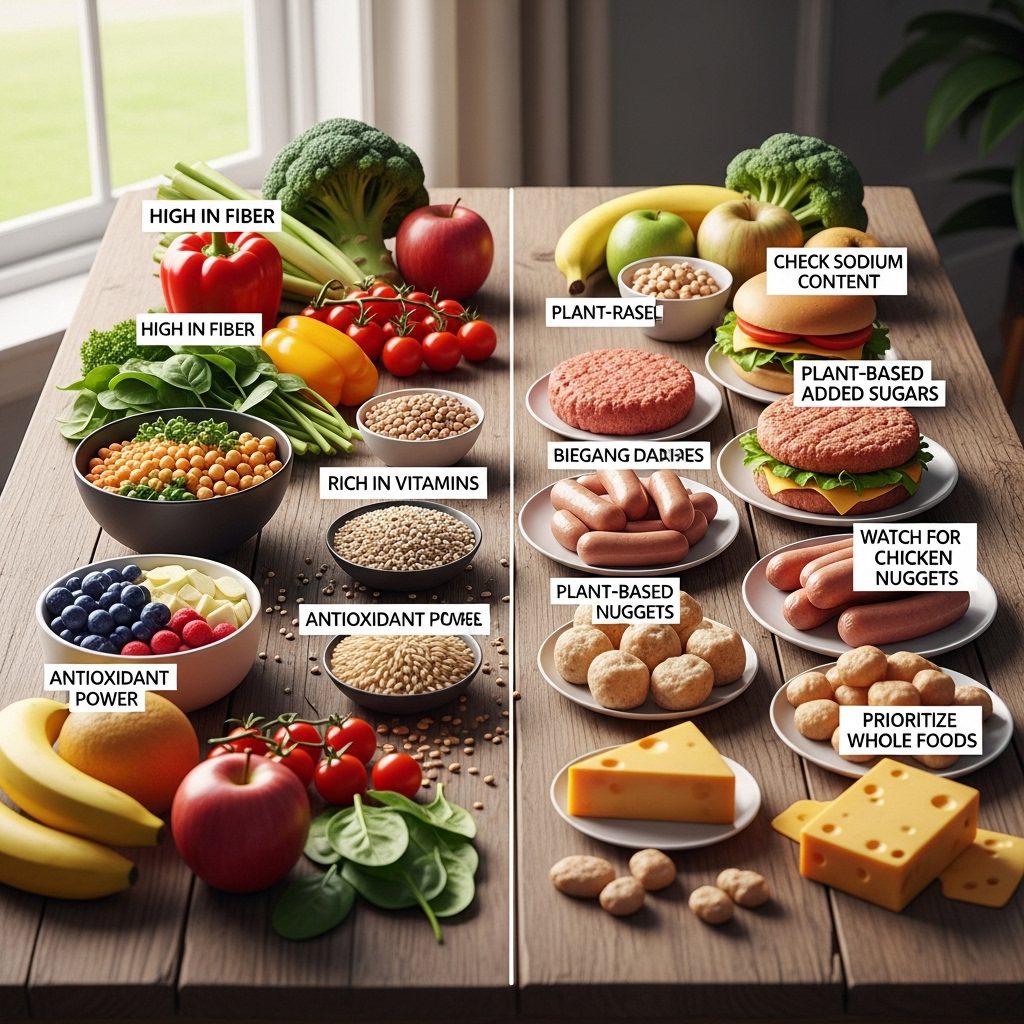
What Are Whole Plant Foods?
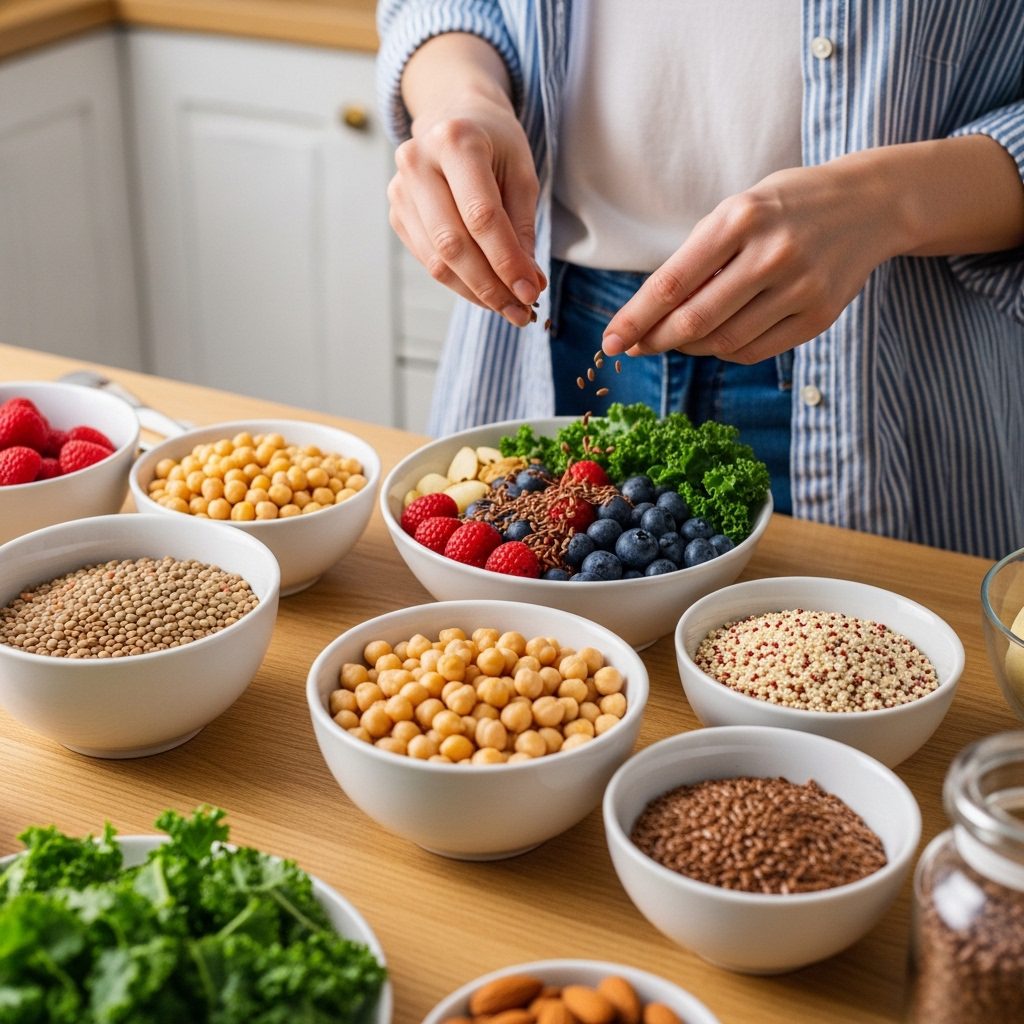
Whole plant foods include fruits, vegetables, legumes, nuts, seeds, and whole grains. These foods are minimally processed, often eaten in their natural form, and packed with nutrients. Key characteristics include:
- High fiber content: Whole grains, legumes, fruits, and vegetables provide soluble and insoluble fiber, promoting digestive health, stable blood sugar levels, and a feeling of fullness.
- Micronutrients: Vitamins, minerals, and antioxidants are naturally abundant in whole foods, supporting immunity, bone health, and brain function.
- Healthy fats: Nuts, seeds, and avocados offer monounsaturated and polyunsaturated fats, which help reduce inflammation and support heart health.
- Low sodium and additives: Whole foods contain negligible sodium and rarely include artificial flavors, preservatives, or colors.
Examples include lentils, chickpeas, quinoa, kale, berries, almonds, and flaxseeds.
Understanding Processed Plant-Based Meats:
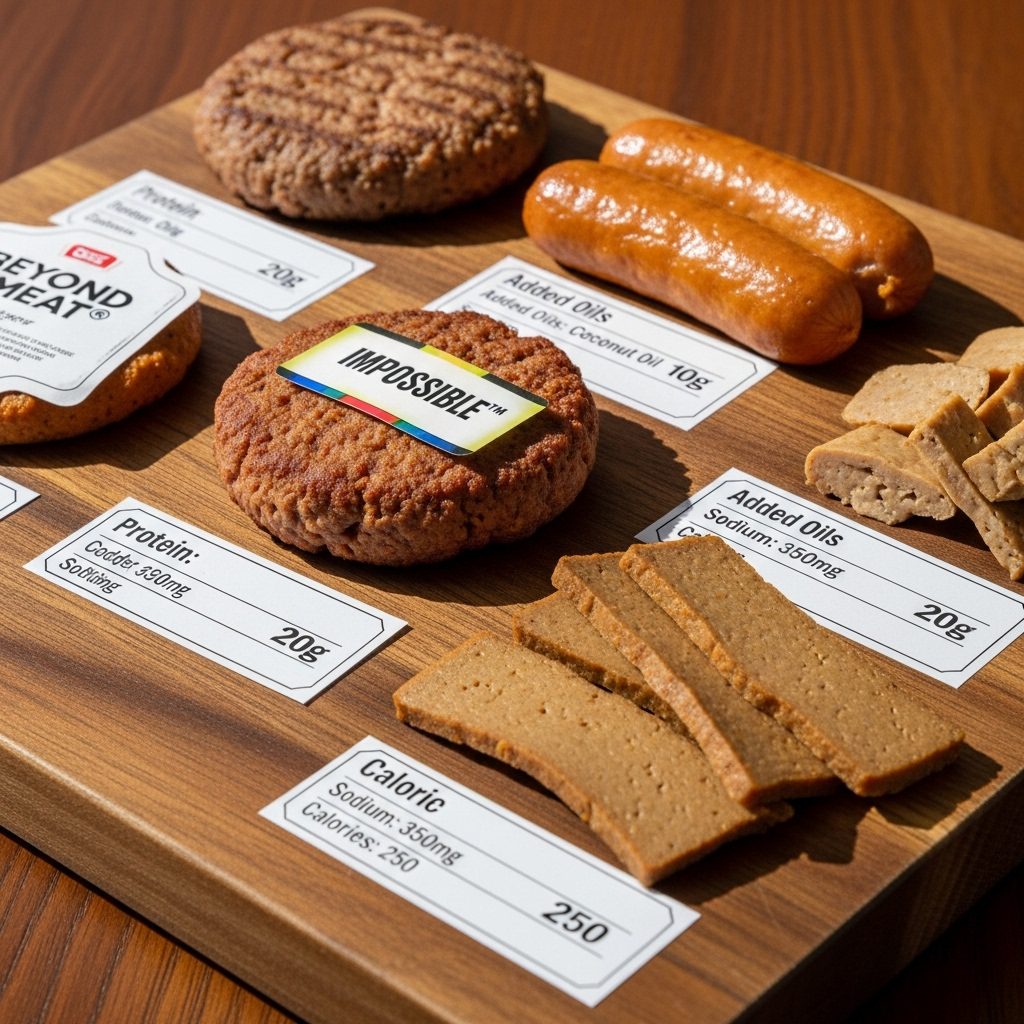
Processed plant-based meats are products designed to mimic the taste, texture, and appearance of animal meats. Common types include burgers, sausages, nuggets, and deli slices made from soy, pea protein, wheat gluten, or other plant-derived ingredients. While they provide a convenient protein source for vegetarians and vegans, these products are not nutritionally identical to whole foods. Key points include:
- High protein content: Often enriched to match or exceed the protein levels of animal meat.
- Added ingredients: To achieve taste and texture, manufacturers add oils, salt, stabilizers, flavorings, and sometimes sugars.
- Variable nutrient profile: Some plant-based meats are fortified with vitamins and minerals like B12, iron, or zinc, but levels may differ between brands.
- Caloric density: Certain processed products are higher in calories due to added oils and fats, which may contribute to weight gain if consumed excessively.
Examples include Beyond Meat® burgers, Impossible™ burgers, tofu-based sausages, and seitan products.
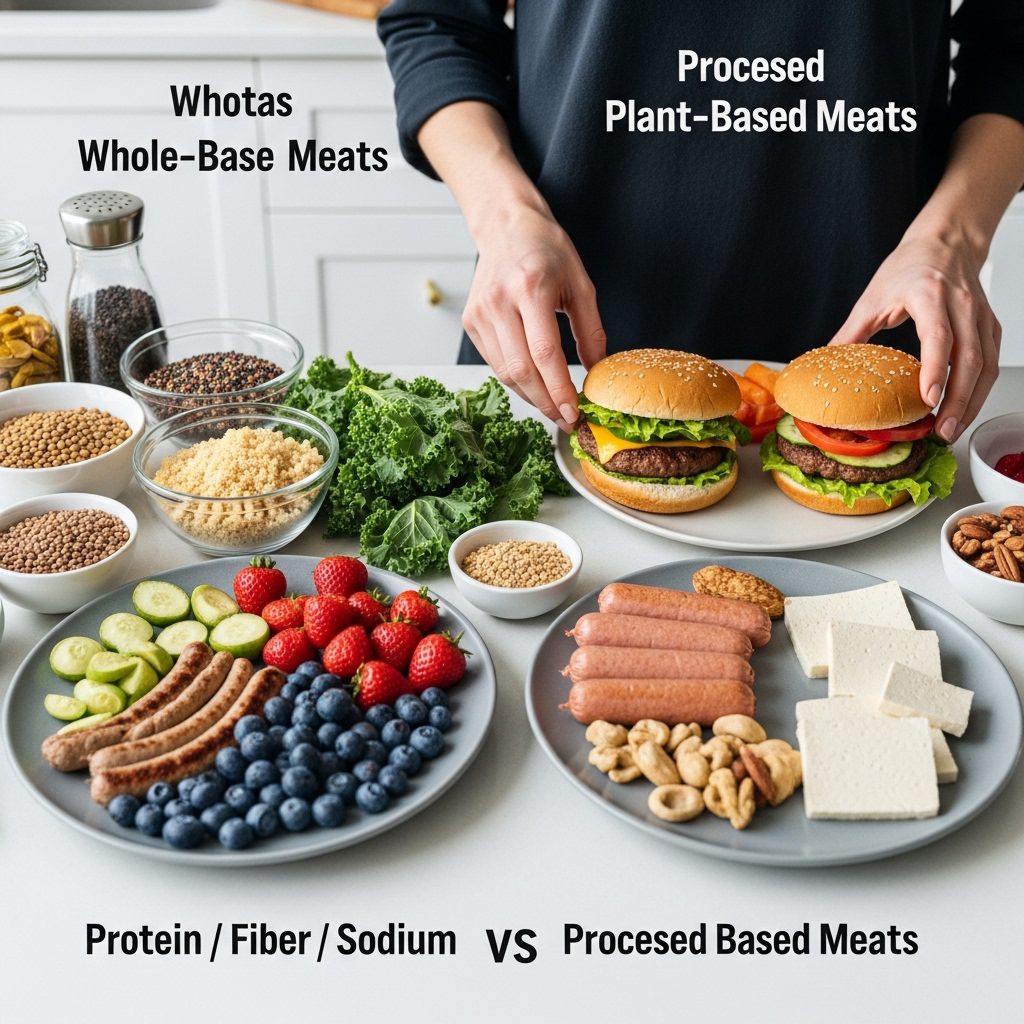
Nutritional Comparison: Whole Foods vs. Processed Plant-Based Meats:
| Nutrient/Feature | Whole Foods | Processed Plant-Based Meats |
| Protein | Moderate (depends on food, e.g., lentils) | High (engineered to match meat protein) |
| Fiber | High | Low |
| Sodium | Low | Often high |
| Added sugars | Very low or none | Sometimes present |
| Healthy fats | Present (nuts, seeds, avocado) | Variable, often refined oils |
| Micronutrients | Naturally abundant (vitamins, minerals) | Fortified selectively |
| Antioxidants & phytochemicals | High | Low |
| Convenience | Requires cooking/prep | Ready-to-cook |
From this comparison, it becomes clear that while processed plant-based meats provide a protein boost and convenience, whole plant foods offer a broader spectrum of nutrients critical for long-term health.
Health Benefits of Whole Plant Foods:
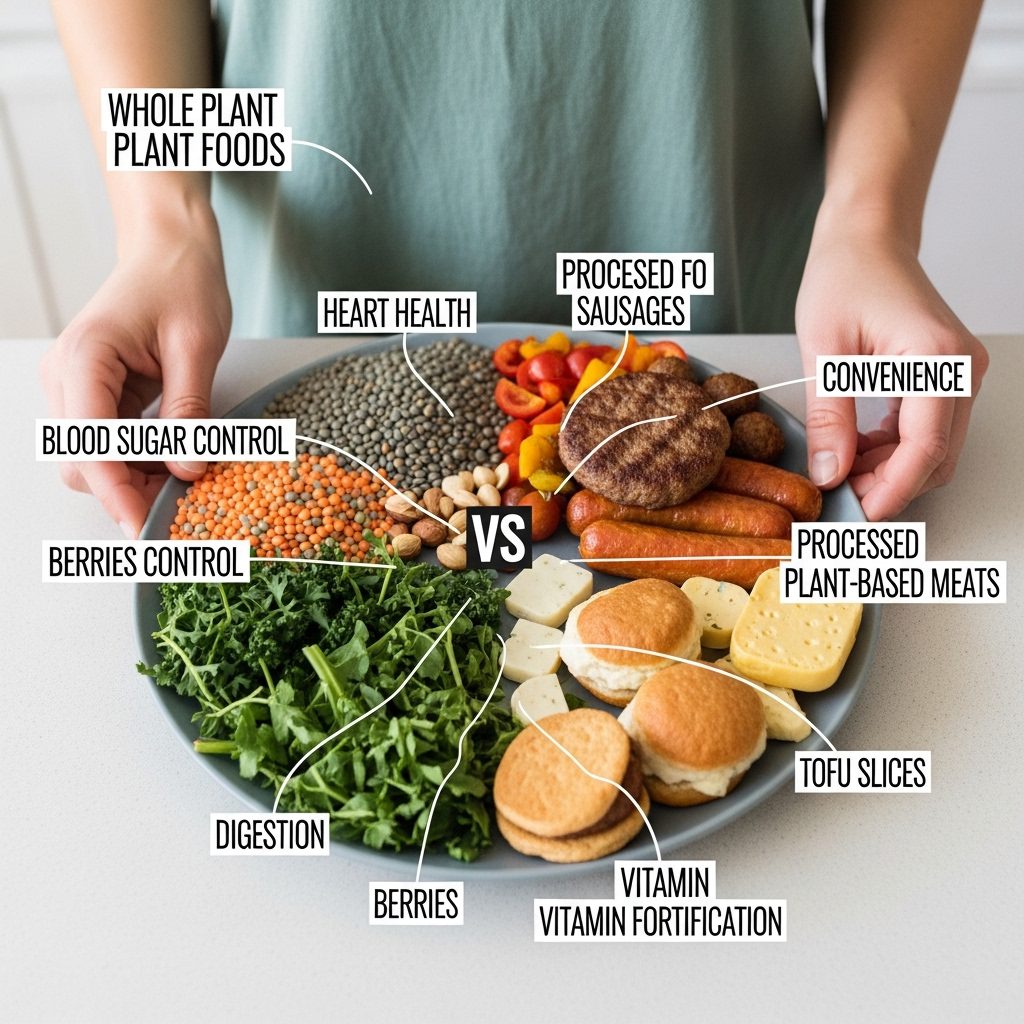
1. Improved heart health: The fiber, healthy fats, and antioxidants in whole foods help reduce cholesterol and blood pressure.
2. Weight management: High fiber and low caloric density promote satiety and prevent overeating.
3. Blood sugar control: Complex carbohydrates in whole foods release glucose slowly, supporting stable energy levels.
4. Disease prevention: Diets rich in whole plant foods are associated with lower risks of type 2 diabetes, cancer, and chronic inflammation.
5. Digestive health: Fiber supports gut microbiota, promoting digestion and nutrient absorption.
Advantages of Processed Plant-Based Alternatives:
1. Convenience: Easy to cook, store, and transport, suitable for busy lifestyles.
2. Protein fortification: Helpful for meeting daily protein requirements, especially for those transitioning from animal-based diets.
3. Familiar taste and texture: Can help reduce cravings for meat, supporting dietary adherence for new vegetarians or vegans.
4. Vitamin and mineral fortification: Some products include B12, iron, and zinc, which are sometimes lacking in vegan diets.
Limitations and Considerations:
While processed plant-based meats are a valuable addition, excessive consumption can have drawbacks:
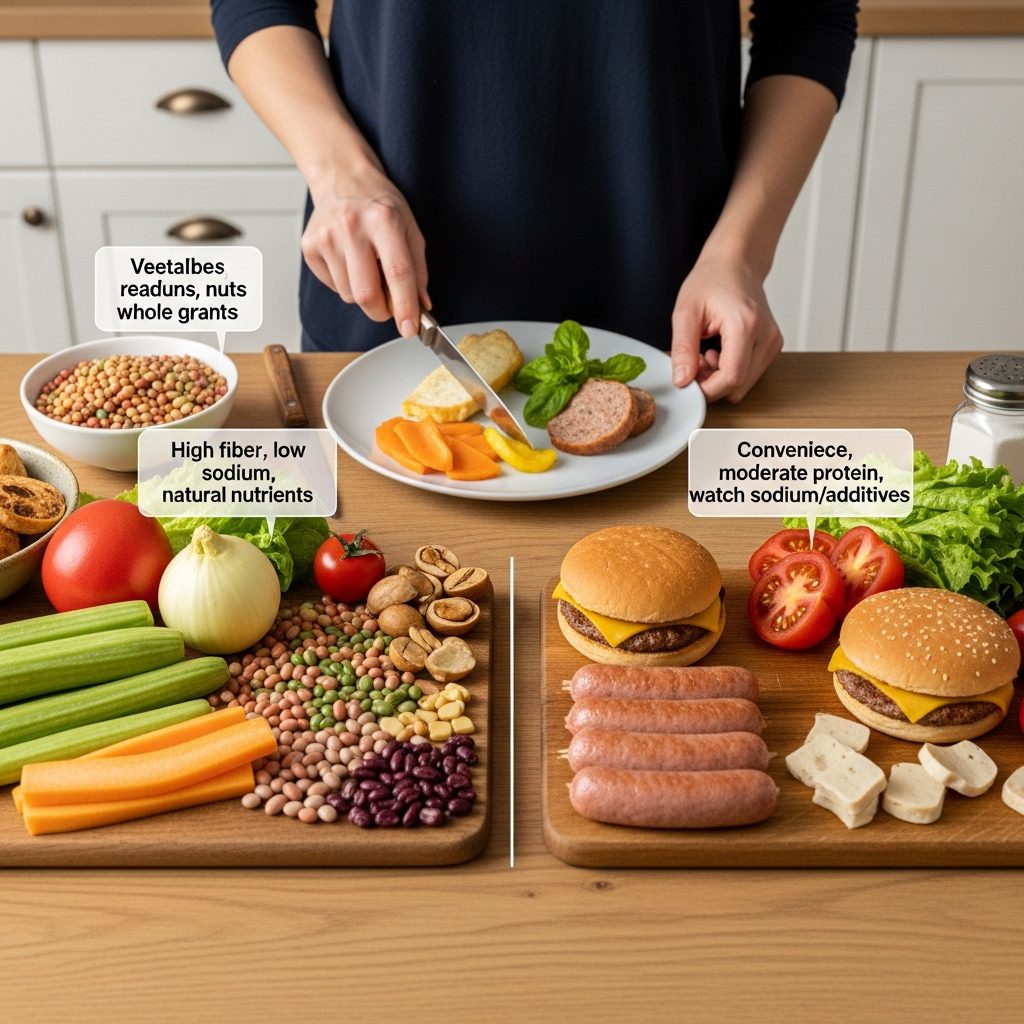
- High sodium: Many products contain more sodium than recommended, increasing the risk of hypertension.
- Added fats and calories: Can lead to unwanted weight gain if portion sizes are not controlled.
- Low fiber: Unlike whole foods, processed meats provide little to no fiber, limiting digestive benefits.
- Additives: Preservatives and flavorings may affect gut health and increase inflammation in sensitive individuals.
Whole foods, on the other hand, require planning and preparation, which can be challenging for people with busy schedules.
How to Make the Healthiest Choice:
1. Prioritize whole foods: Base your diet primarily on vegetables, fruits, whole grains, legumes, nuts, and seeds.
2. Use processed plant-based meats strategically: Include them occasionally to increase protein intake, especially when convenience is important.
3. Read labels carefully: Choose products with lower sodium, minimal additives, and some nutrient fortification.
4. Balance your meals: Pair processed meats with fiber-rich vegetables, whole grains, and healthy fats to improve overall nutrition.
5. Practice moderation: Even with plant-based diets, portion control and variety are key to long-term health.
Meal Planning Tips:
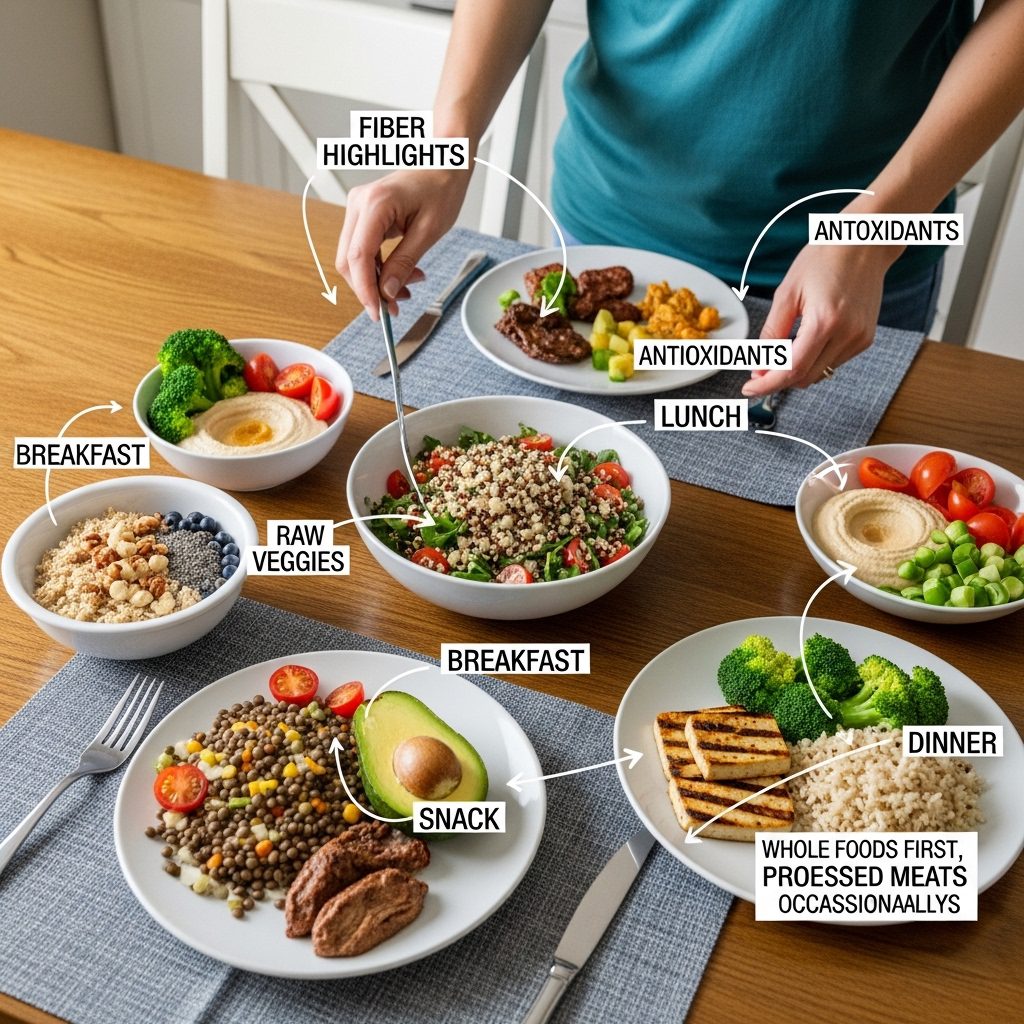
- Breakfast: Oatmeal topped with nuts, chia seeds, and berries provides fiber, protein, and antioxidants.
- Lunch: Lentil salad with leafy greens, avocado, quinoa, and olive oil.
- Snack: Hummus with raw veggies or a handful of almonds.
- Dinner: Grilled tofu or tempeh with steamed broccoli and brown rice. Include a small portion of plant-based meat occasionally for variety.
- Beverages: Water, herbal teas, and smoothies made with whole fruits rather than juices.
The Final Verdict on Whole vs Processed Plant Foods:
Both whole plant foods and processed plant-based meats can play a role in a plant-based diet. However, from a health perspective, whole foods offer a more nutrient-dense, fiber-rich, and naturally balanced option. Processed plant-based meats are excellent for convenience, protein supplementation, and transitioning away from animal-based products, but they should complement—not replace—whole foods.
Focusing on whole, minimally processed foods ensures you receive the vitamins, minerals, antioxidants, and fiber essential for heart health, weight management, blood sugar control, and long-term well-being.
Choosing between whole plant foods and processed plant-based meats doesn’t have to be an all-or-nothing decision. Prioritize whole foods as the foundation of your diet, and use processed plant-based meats occasionally for variety and convenience. By making informed choices, you can enjoy the benefits of a plant-based lifestyle without compromising nutrition.
For more practical guides and nutritional tips, visit Nutrition Travels and explore how to create a balanced, plant-powered diet that works for you.