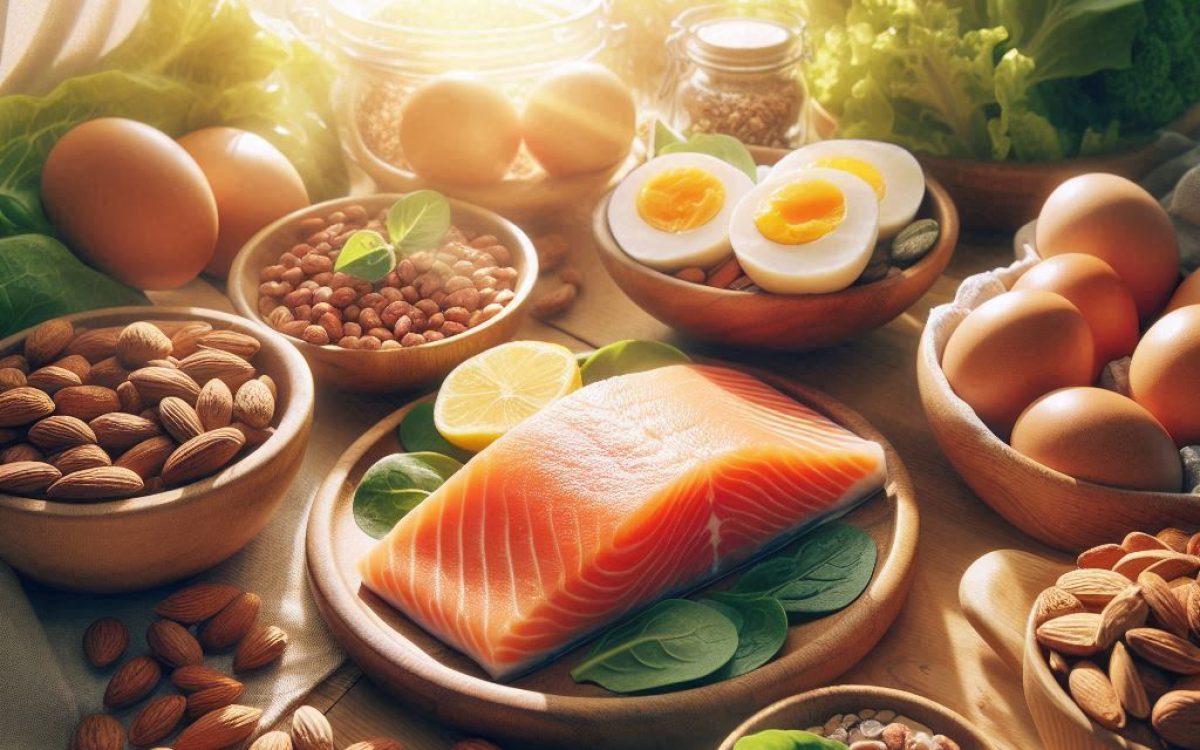
Vitamin D and Omega-3 fatty acids play an important role in mood regulation, especially during Seasonal Affective Disorder (SAD) that appears as seasons change. With the shift in seasons, not only do temperatures fluctuate, but our body chemistry and psychological state also change in ways many people may not notice. Some individuals experience low energy, decreased motivation, mood swings, or a sense of emotional heaviness that increases with reduced sun exposure. These mood changes are often linked to Seasonal Affective Disorder (SAD), a condition commonly seen during winter and shorter daylight hours.
For those interested in nutrition, this topic opens an important door: mood is not purely psychological, but the result of a complex interaction between the brain, hormones, the nervous system, and nutrition. Among the nutrients receiving growing scientific attention in this context are Vitamin D and Omega-3 fatty acids, due to their direct role in supporting brain function and mood regulation.
What is Seasonal Affective Disorder and How It Affects Mood?
Seasonal Affective Disorder is described as depressive episodes that occur at the same time each year, especially during winter or fall. People may feel sadness or depression at the beginning of winter, with mood improvement returning during warmer seasons and longer days. It can occur at other times of the year, but it is much less common outside autumn and winter.
Vitamin D is known to play a role in seasonal depression, as this condition mainly occurs when people have less exposure to sunlight, often leading to Vitamin D deficiency. Seasonal depression is considered a common type of depression, affecting 11% of individuals who experience severe seasonal depressive episodes. Here, nutrition appears as a supportive factor that can noticeably influence brain chemistry.

Vitamin D: An Essential Element in Mood Balance:
Vitamin D deficiency is linked to the development of depression. One study showed that taking 5000 IU of Vitamin D daily during winter significantly reduced symptoms of seasonal depression.
Although the evidence is not fully conclusive, Vitamin D may help improve mood during Seasonal Affective Disorder. Another reason for Vitamin D deficiency is that people often wear sunscreen when going outside to protect themselves from conditions such as skin cancer and premature aging.
Vitamin D Function and Its Impact on Mood:
Vitamin D is a hormone produced by the body or obtained as a nutrient. It has many health benefits and is necessary for numerous body functions and brain processes.
The body can produce Vitamin D when the skin is exposed to sunlight, and it can also be obtained through certain foods. Vitamin D also regulates serotonin, an important neurotransmitter for mood, happiness, and positive emotions. Therefore, low Vitamin D levels during winter may be responsible for reduced serotonin activity. It is also essential for melatonin production, which regulates sleep-wake cycles often disrupted in people with Seasonal Affective Disorder. This means maintaining adequate Vitamin D levels may help improve emotional brain function, regulate sleep patterns, and reduce symptoms of depression.

Getting Vitamin D from Your Diet:
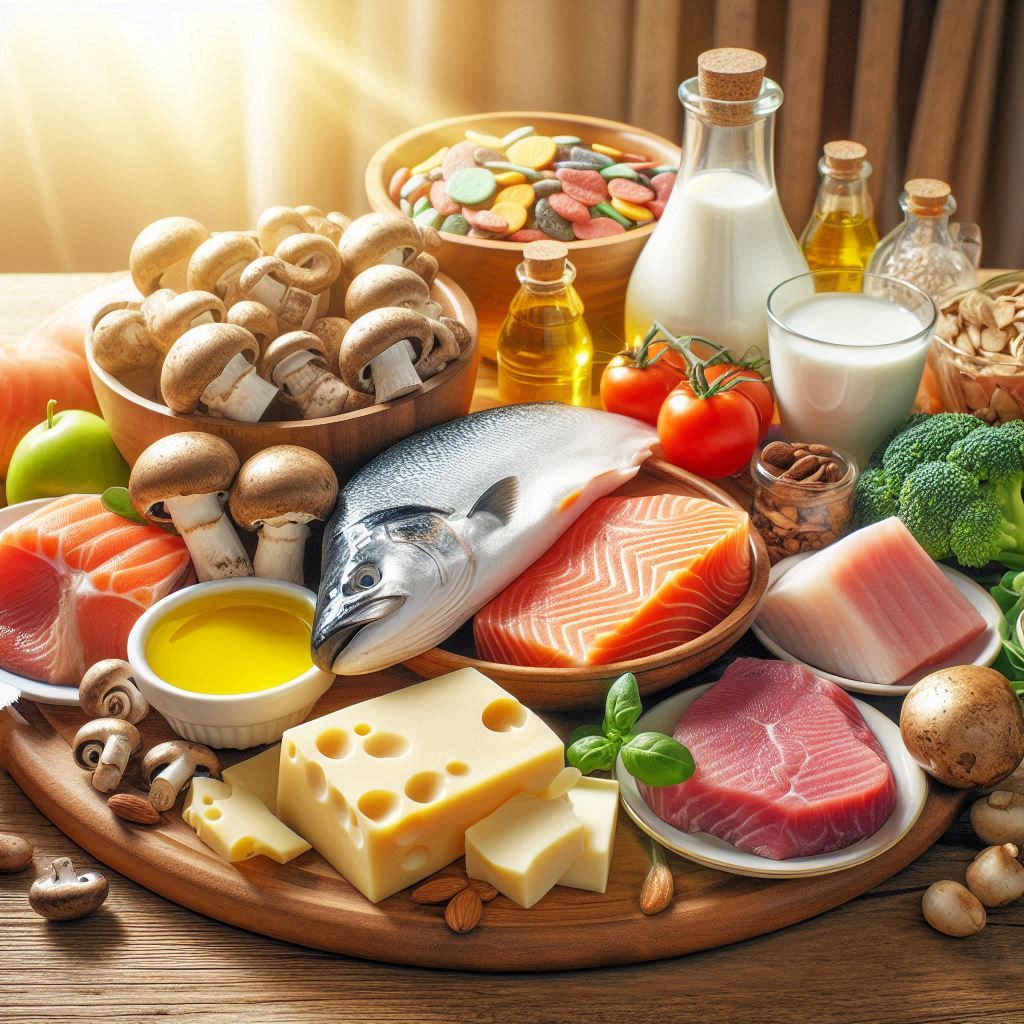
You can increase your Vitamin D intake by consuming more foods rich in this vitamin. Examples include:
- Fish liver oils
- Wild edible mushrooms
- Wild salmon
- White fish
- Meat
- Fish
- Dairy products
- Fortified breakfast cereals
It is important to note that Vitamin D concentrations in foods can vary widely and often depend on the type. However, Vitamin D content in most foods is generally very low, except for certain fish liver oils and fatty fish, especially compared to what can be obtained from sunlight exposure or supplements.
Omega-3: The Fats That Nourish the Brain:
Omega-3 fatty acids are essential fats that the body cannot produce on its own, so they must be obtained from food or supplements. The two main types, eicosapentaenoic acid (EPA) and docosahexaenoic acid (DHA), play a crucial role in brain health and may help reduce symptoms of depression.
Although studies specifically on Seasonal Affective Disorder are limited, evidence suggests that Omega-3 fatty acids may also help reduce seasonal mood fluctuations. To support mood, the standard supplemental dose ranges between 1000 and 2000 mg of EPA and DHA.
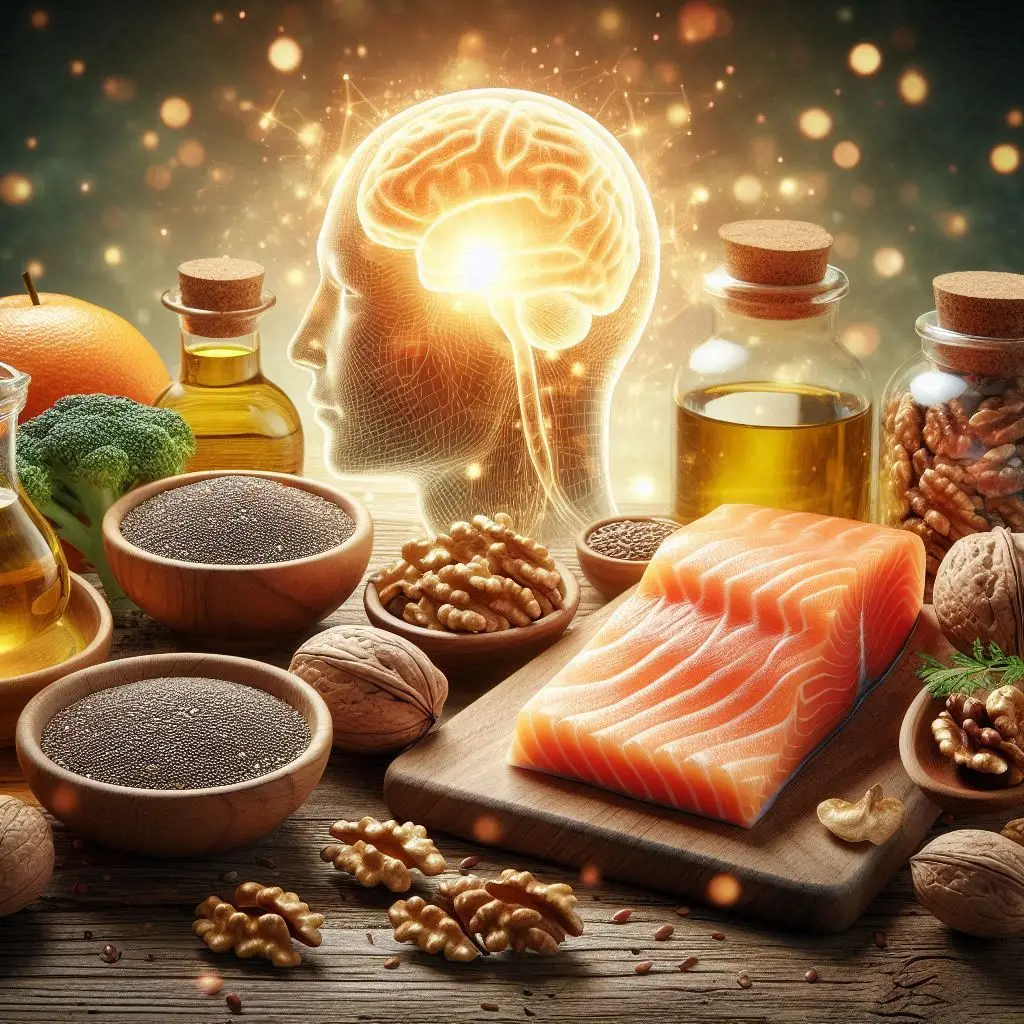
How Do Omega-3s Affect Mental State?
There are several mechanisms that link Omega-3s to mood:
1. Supporting the structure of nerve cells:
DHA contributes to the flexibility of nerve cell membranes, helping efficient transmission of neural signals.
2. Regulating neurotransmitters:
Omega-3s play a role in regulating serotonin and dopamine, two of the most important chemicals related to mood and motivation.
3. Reducing inflammation:
Chronic low-grade inflammation has become a factor associated with depression. In Seasonal Affective Disorder, where biological and environmental factors interact, maintaining good Omega-3 levels may help support emotional stability.
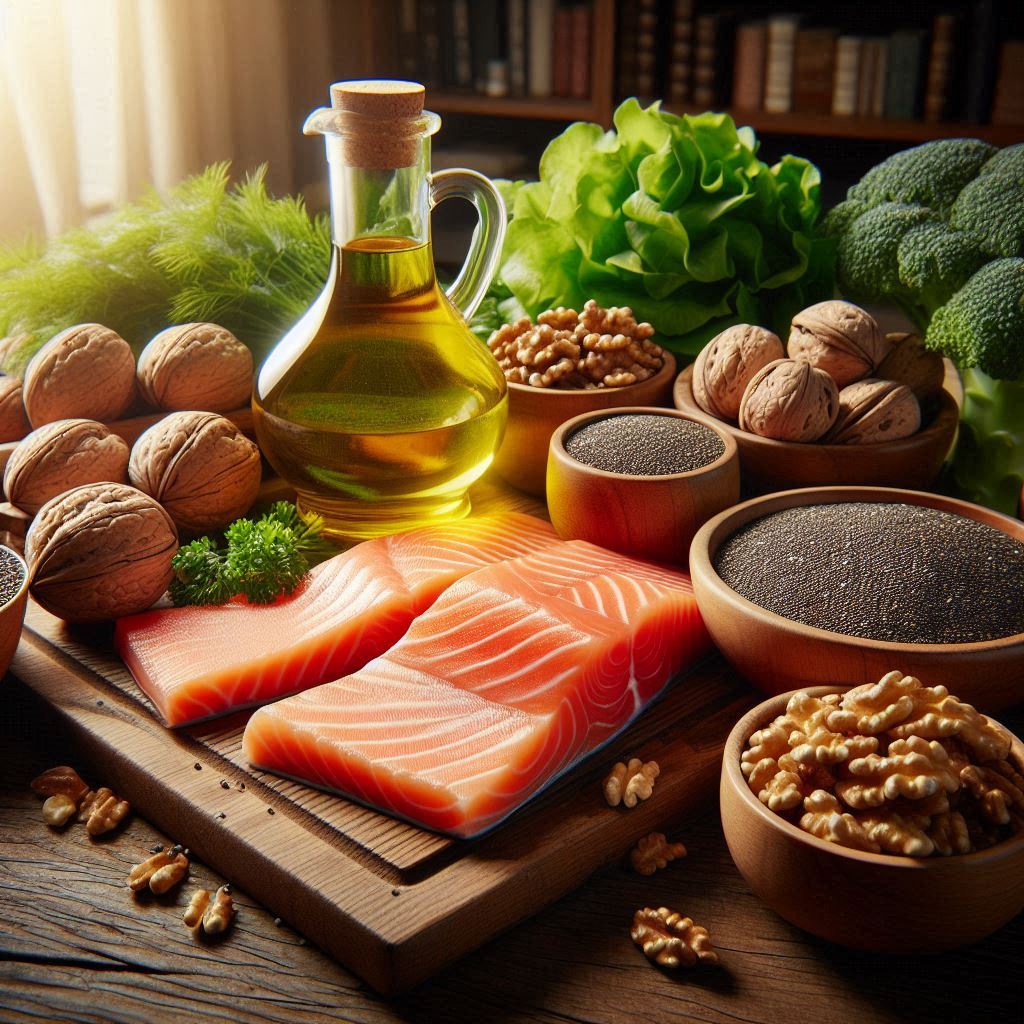
Main Dietary Sources of Omega-3:
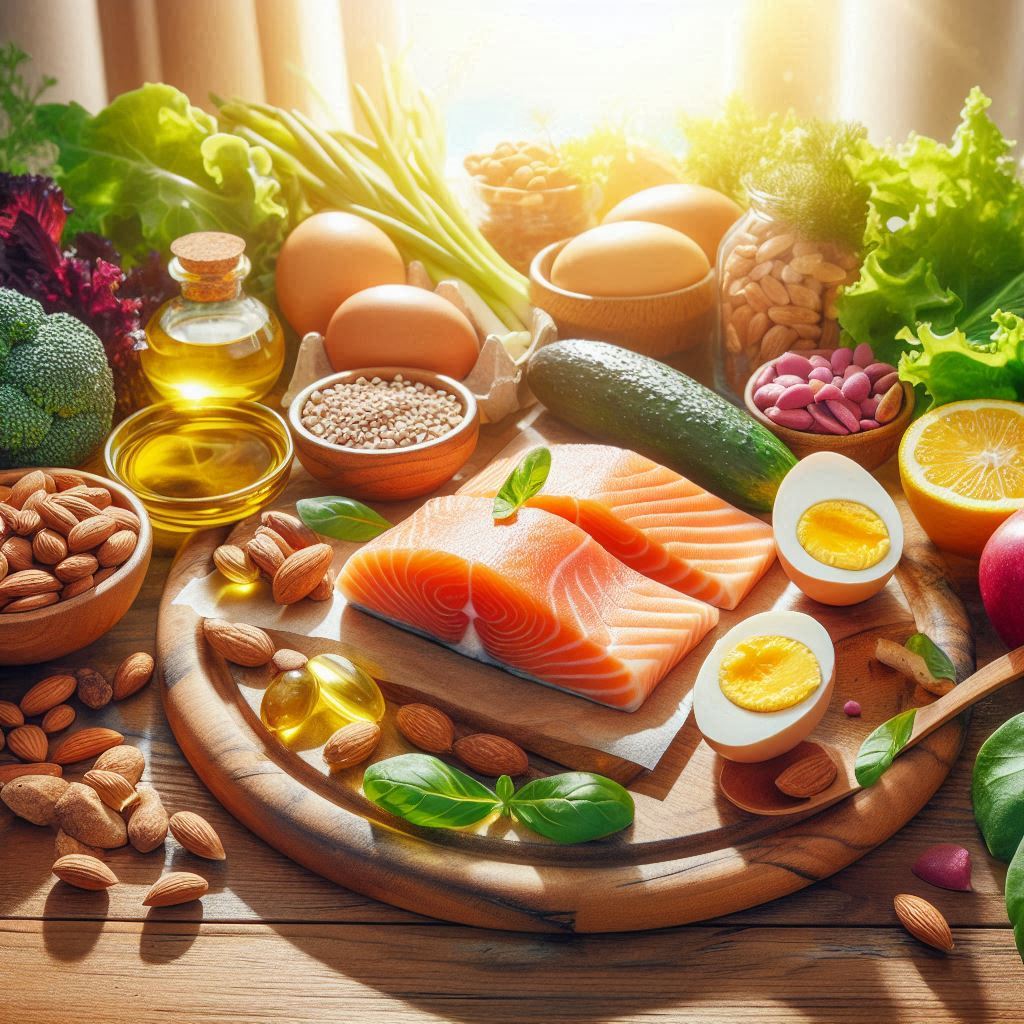
- Fatty fish (salmon, tuna, sardines)
- Flaxseeds and chia seeds
- Walnuts
- Canola oil
Although plant sources contain ALA, the body converts only a small portion of it into EPA and DHA, so fish remain among the most effective sources.
Nutrition as a Lifestyle to Support Brain Function and Mood:
People interested in nutrition often see food as fuel for the body, but its impact goes beyond muscles and energy to reach mood and cognitive functions. A balanced dietary pattern that includes:
- Adequate protein to support neurotransmitters.
- Healthy fats, especially Omega-3.
- Various vitamins and minerals.
may create a more psychologically stable internal environment. This does not mean food alone treats Seasonal Affective Disorder, but it represents an important supportive factor within an integrated system.
Who Benefits Most from Vitamin D and Omega-3 in SAD?
1. People living in areas with limited winter sunlight.
2. Those who spend most of their time indoors.
3. Individuals with a history of seasonal mood fluctuations.
4. Those following diets low in fish and healthy fats.
For these groups, nutrition may be an influential part of reducing symptom severity or supporting an overall sense of balance.

With changing seasons, some individuals may experience real psychological changes with a clear biological basis. Vitamin D and Omega-3 stand out as two nutrients with an important role in supporting brain health and mood regulation, especially during periods of reduced sun exposure.
For those interested in nutrition, these elements are not only viewed from the perspective of immunity or heart health, but as part of a broader picture that includes mental health and quality of life.
At Nutrition Travels, we are committed to providing reliable, science-based content that helps you deeply understand the relationship between nutrition and mental health, so your dietary choices support both your body and mood all year round.