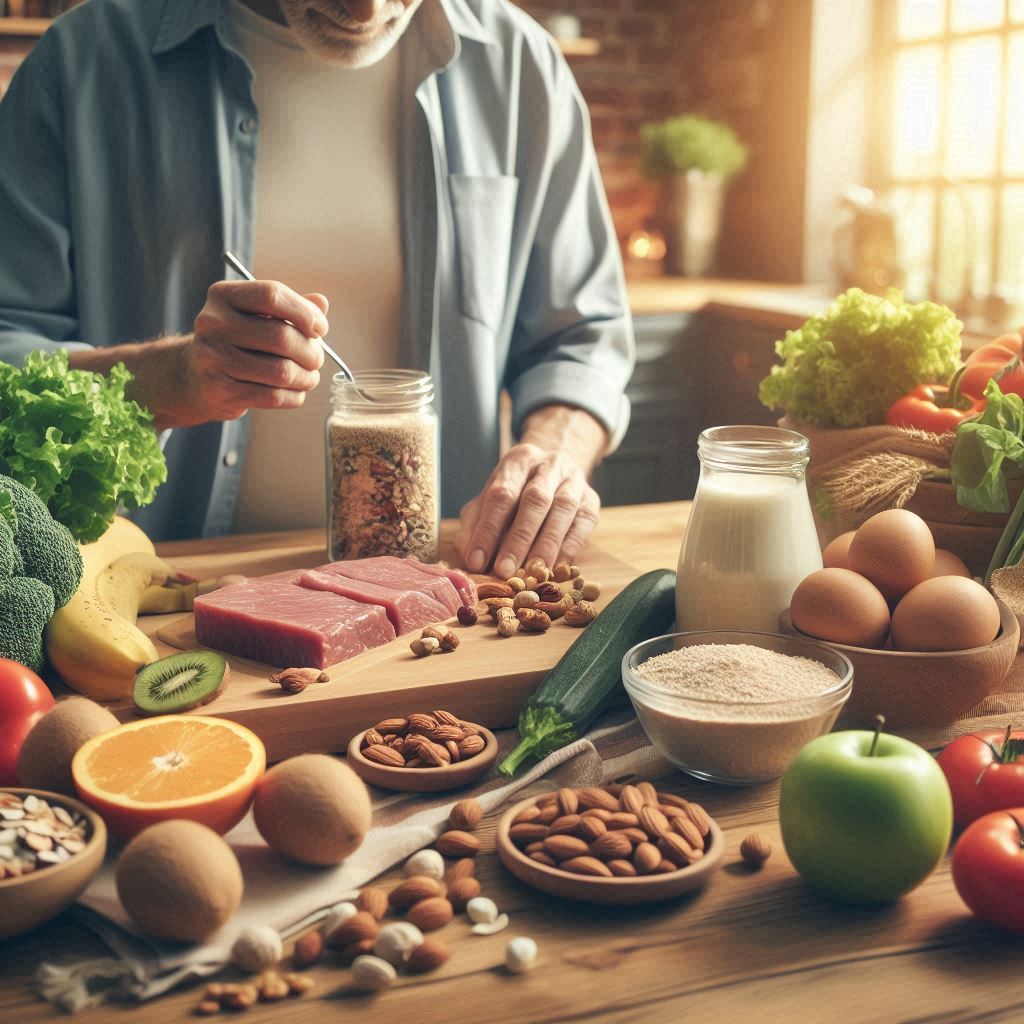

Depression is one of the most common mental health challenges in today’s world. While therapy and medication are often essential parts of treatment, recent research has uncovered another powerful factor that can influence mood: diet. The connection between what we eat and how we feel emotionally is stronger than many people realize.
The food you choose daily not only affects your physical health but also your mental well-being. In this article, we’ll explore the science behind the diet-depression link, highlight foods that may improve mood, and discuss what to avoid if you want to protect your mental health.

How Diet Influences Mental Health
Your brain, like the rest of your body, needs proper fuel to function well. Nutrients from food play a vital role in:
-
Neurotransmitter production:
Chemicals like serotonin and dopamine, which regulate mood, rely on nutrients such as amino acids, B vitamins, and omega-3 fatty acids.
-
Gut health:
The gut and brain are connected through the “gut-brain axis.” A healthy gut microbiome can positively influence mental health.
-
Inflammation:
Diets high in processed foods and sugar increase inflammation, which has been linked to higher rates of depression.
The Role of Nutrient Deficiencies
Nutrient deficiencies are surprisingly common and can worsen depressive symptoms. Some key examples include:
-
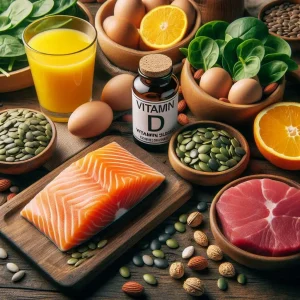
Omega-3 fatty acids:
Found in fatty fish like salmon, these help regulate mood and reduce inflammation.
-
Vitamin D:
Low levels are associated with seasonal affective disorder (SAD) and depressive symptoms.
-
B vitamins:
Especially folate (B9) and B12, which are crucial for brain function and neurotransmitter synthesis.
-
Iron and zinc:
Deficiency in these minerals can lead to fatigue, low mood, and poor concentration.
Foods That May Help Improve Mood
1- Fatty Fish
Salmon, mackerel, and sardines are rich in omega-3 fatty acids, which have been shown to reduce depressive symptoms.
2- Leafy Greens
Spinach, kale, and Swiss chard are loaded with folate, a key nutrient for brain health.
3- Whole Grains
Oats, brown rice, and quinoa help stabilize blood sugar levels, preventing mood swings.
4- Nuts and Seeds
Walnuts, flaxseeds, and chia seeds provide both omega-3s and magnesium, a mineral linked to reduced anxiety and depression.
5- Fermented Foods
Yogurt, kefir, sauerkraut, and kimchi promote a healthy gut microbiome, which plays a direct role in mental well-being.

Foods to Limit or Avoid
1- Processed Foods
High in unhealthy fats, additives, and preservatives, processed foods can increase inflammation and negatively impact brain health.
2- Sugary Snacks and Drinks
Excess sugar may provide a temporary energy boost but often leads to crashes that worsen mood.
3- Refined Carbohydrates
White bread, pastries, and sugary cereals cause rapid spikes and drops in blood sugar, which can make depressive symptoms worse.
4- Excess Caffeine and Alcohol
While small amounts may not be harmful, too much can interfere with sleep and increase anxiety, both of which are linked to depression.

Practical Tips for a Mood-Boosting Diet
- Focus on whole foods: Fresh fruits, vegetables, whole grains, lean proteins, and healthy fats.
- Eat regular meals: Skipping meals can lead to blood sugar crashes and irritability.
- Stay hydrated: Even mild dehydration can affect mood and energy levels.
- Consider supplements if recommended by your doctor, especially for vitamin D, omega-3s, and B vitamins.
- Build a balanced plate: Combine protein, complex carbs, and healthy fats for steady energy and stable mood.
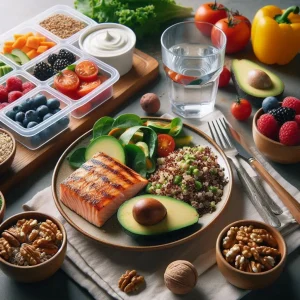
It’s important to remember that diet alone is not a cure for depression. However, it is a powerful tool that can complement other treatments like therapy and medication. Improving nutrition can make your body more resilient, your mood more stable, and your mind more focused.
The connection between diet and depression is undeniable. By choosing foods that support brain health and limiting those that harm it, you can take a proactive step toward improving your mental well-being.
Your journey toward better mental health doesn’t have to feel overwhelming—small changes add up. Start by adding an extra serving of vegetables, swapping soda for water, or choosing whole grains over refined ones.
For more science-backed nutrition tips and practical guidance, visit Nutrition Travels—your trusted guide to healthier eating and a happier life.