
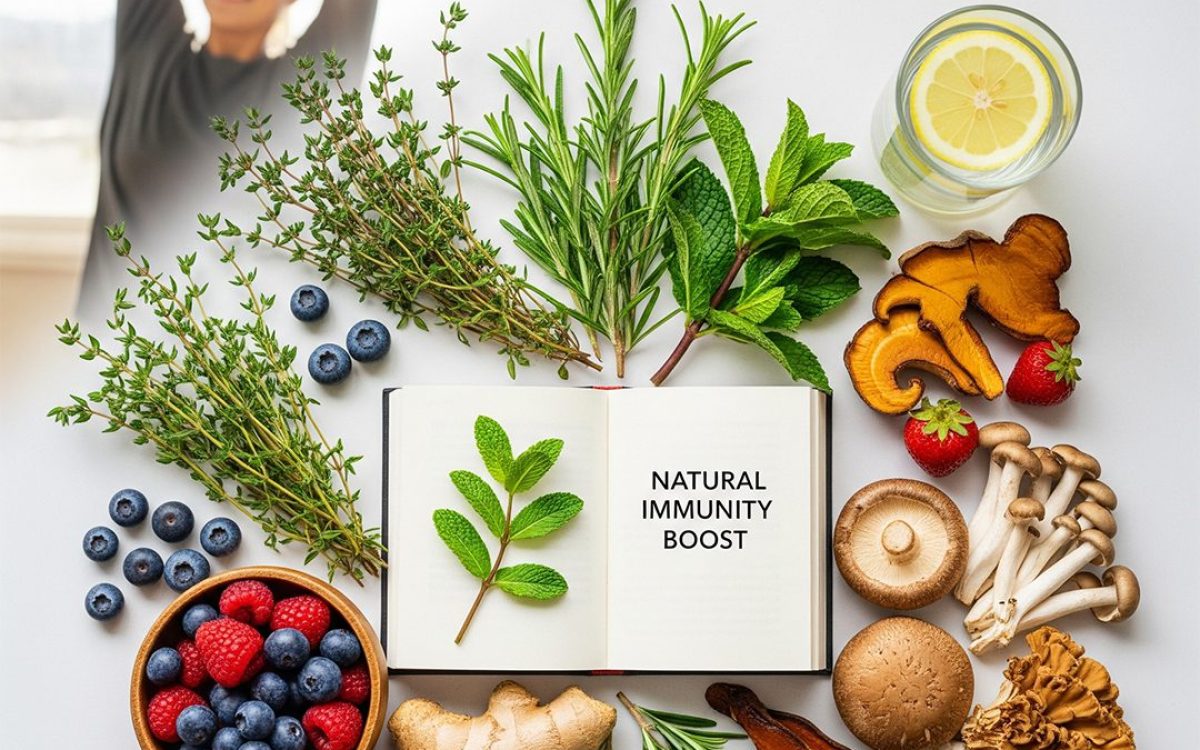
Boosting immunity is essential as the body’s first line of defense against bacteria, viruses, and toxins. Without a strong immune system, even a simple cold or minor infection can turn into a serious health problem. The good news is that this can often be achieved naturally—using herbs and remedies found right around us.
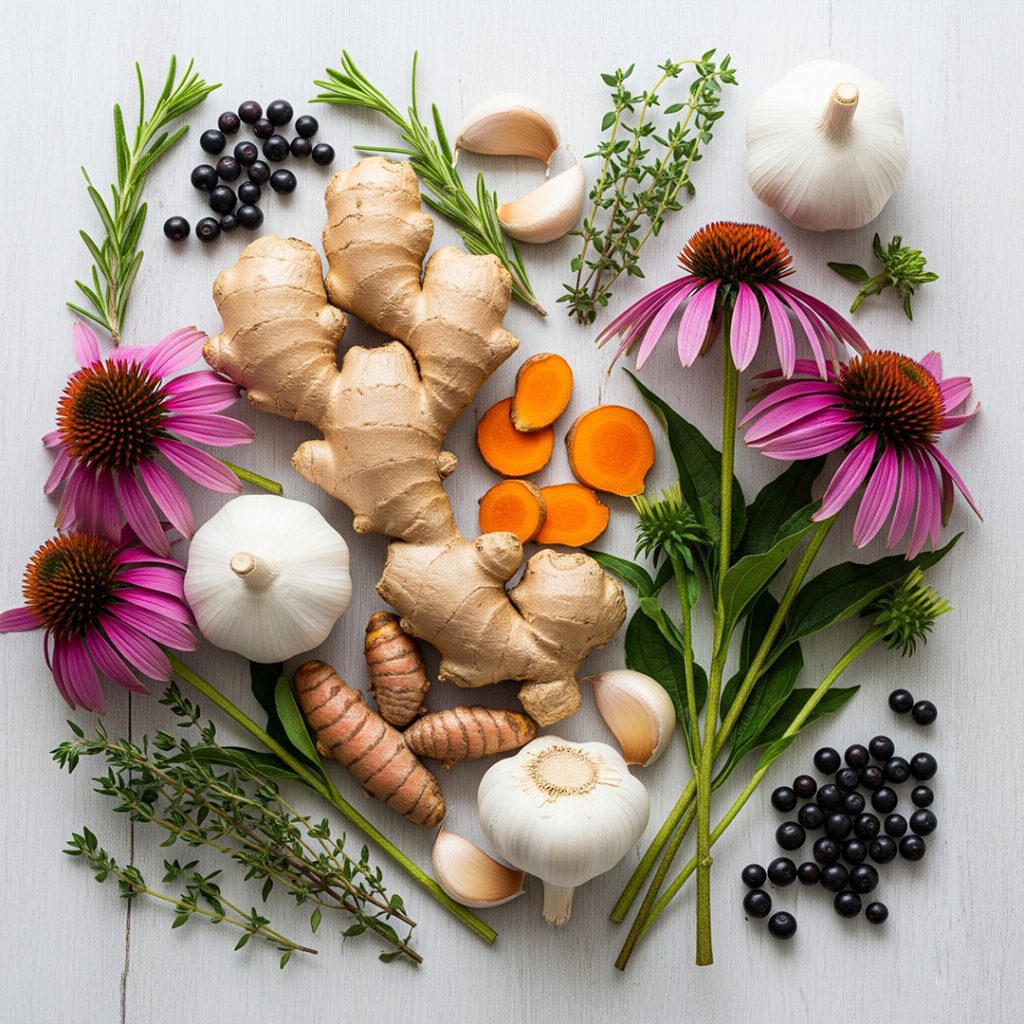
For thousands of years, herbs have been used in traditional medicine to enhance immunity, fight inflammation, and increase the body’s resistance to disease. From ginger to turmeric, garlic to echinacea—these natural gifts provide powerful support to our health. In this article, we’ll explore the most important immunity-boosting herbs, how they work in the body, ways to use them daily, and key studies that have proven their effectiveness.
The Connection Between Immunity and Natural Herbs :
Although the immune system is highly complex and influenced by multiple factors such as sleep, nutrition, stress, and age, herbs play a pivotal role in strengthening it. They are not just flavor enhancers or kitchen additions—they are sources of active compounds that directly impact immune function.
- Flavonoids: Powerful antioxidants that protect cells from free radical damage, lowering the risk of chronic inflammation.
- Alkaloids: Natural compounds that help the body resist bacteria and viruses by enhancing immune response.
- Essential Oils: Found in herbs like thyme and rosemary, they provide anti-inflammatory and calming effects while boosting resistance to respiratory infections.
- Natural Vitamins and Minerals: Such as zinc, iron, and vitamin C, which are crucial for the production of white blood cells that fight infections.
This means herbs are not just short-term solutions but long-term tools for comprehensive immune support—protecting cells, reducing inflammation, and stimulating the body’s defense mechanisms.
Herbs That Naturally Boost Immunity: Popular Choices and Their Benefits :
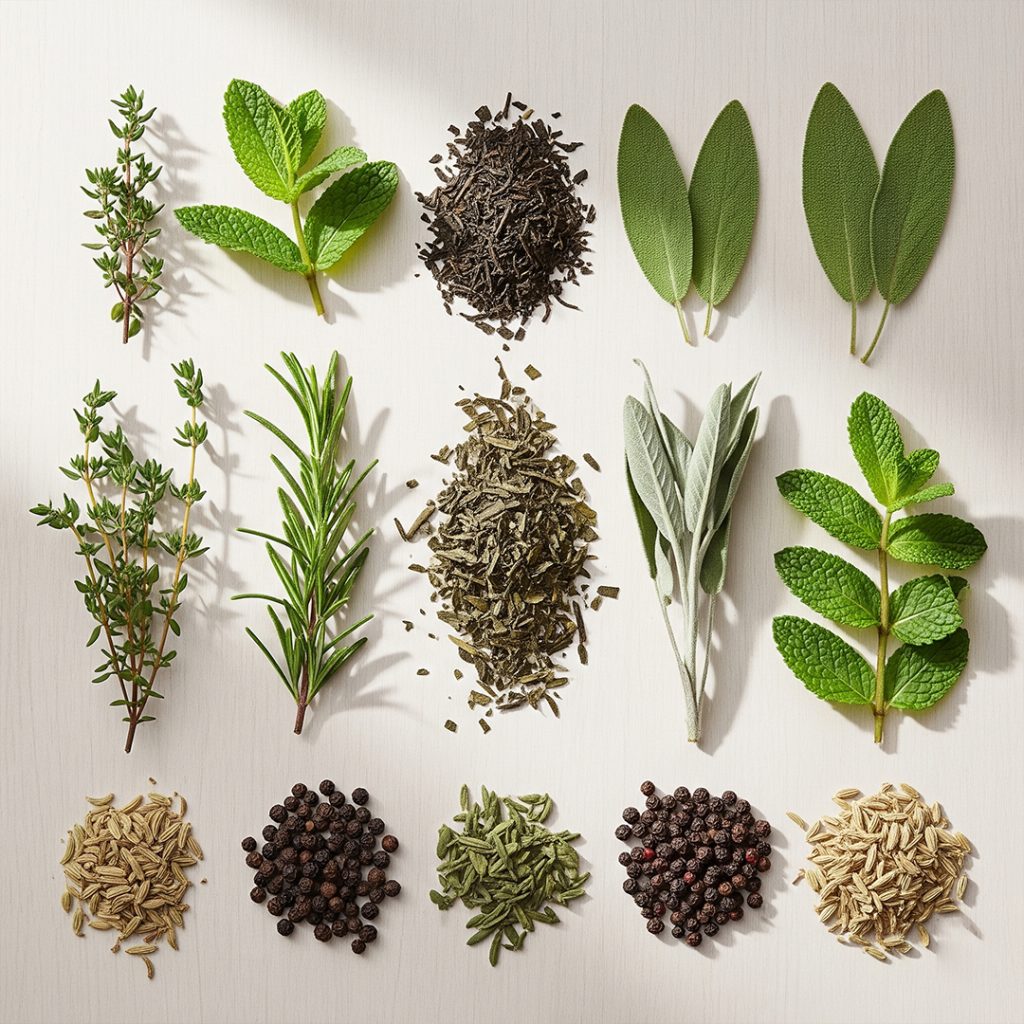
1.Thyme
One of the strongest herbs traditionally used to support immunity and the respiratory system.
- Benefits:
- Rich in essential oils with antibacterial and antiviral properties.
- Helps treat coughs and respiratory infections.
- Contains antioxidants that protect cellular health.
- Uses: Thyme tea with honey, seasoning for salads and meats, diluted thyme essential oil for inhalation.
2. Rosemary: A Natural Herb for Boosting Immunity
An aromatic herb packed with plant compounds.
- Benefits:
- Improves circulation and oxygen delivery to cells.
- Rich in antioxidants that strengthen the immune system.
- Enhances memory and reduces stress.
- Uses: As a food seasoning (especially with meat and poultry), rosemary tea, or essential oil for relaxation.
3.Sage
An ancient herb with a long history in folk medicine.
- Benefits:
- Antibacterial and antiviral properties.
- Soothes sore throats and tonsil inflammation.
- Improves both respiratory and digestive health.
- Uses: Sage tea, gargling with sage infusion, or culinary seasoning.
4.Mint: Immunity-Boosting Benefits Naturally
Refreshing and highly beneficial for both immunity and digestion.
- Benefits:
- Opens airways and relieves nasal congestion.
- Antibacterial, reducing stomach inflammation.
- Promotes relaxation, indirectly supporting immunity.
- Uses: Hot mint tea, fresh mint in salads and juices, diluted mint essential oil for inhalation or massage.
5.Green Tea
A beverage rich in polyphenols and flavonoids.
- Benefits:
- Stimulates white blood cell production.
- Contains EGCG, a powerful antioxidant that fights viruses.
- Detoxifies the body.
- Uses: One to two cups daily, blended with lemon or ginger for extra benefits.
6.Black Pepper
A common spice with remarkable medicinal value.
- Benefits:
- Contains piperine, which boosts nutrient absorption (especially curcumin from turmeric).
- Improves digestion and indirectly supports immunity.
- Antibacterial and antifungal.
- Uses: Sprinkled with turmeric or added to soups and stews.
7.Fennel Seeds
A fragrant herb with digestive and immune-boosting properties.
- Benefits:
- Rich in vitamin C and antioxidants.
- Reduces inflammation and protects against infections.
- Eases coughs and improves breathing.
- Uses: Fennel tea, chewing fennel seeds after meals, or adding to baked goods and dishes.
Micronutrients in Herbs and Their Role in Immune Health :
Herbs are more than natural flavors—they are nutrient-dense “mini-pharmacies” filled with vitamins, minerals, and bioactive compounds that work synergistically to support the immune system. Unlike synthetic supplements that often provide a single ingredient, herbs deliver a wide spectrum of micronutrients.
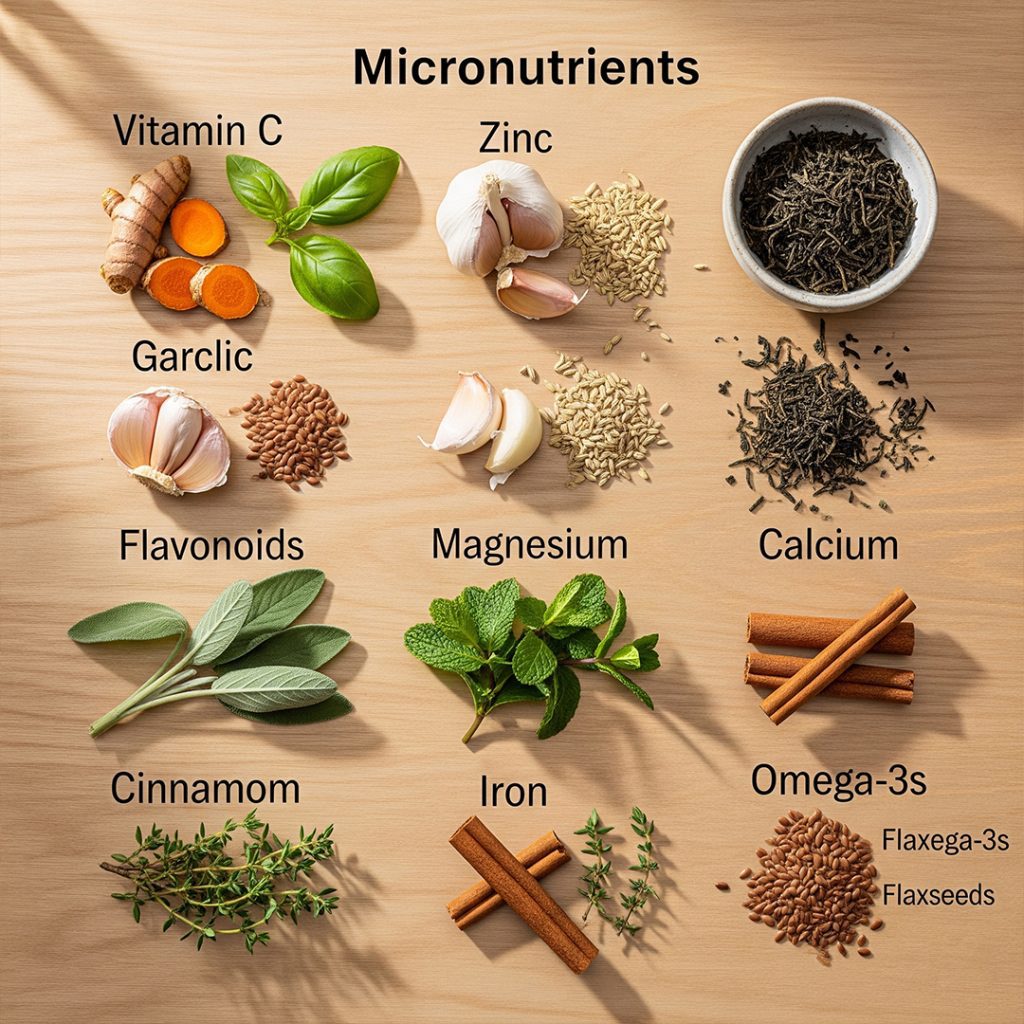
- Vitamin C: Found in turmeric, basil, and sage. Essential for collagen production, strengthens skin as a defense barrier, boosts white blood cell activity, and fights oxidative stress.
- Zinc: Present in garlic, fennel, flaxseeds, and other medicinal herbs. Speeds wound healing, strengthens immune cells, and reduces the duration of colds.
- Flavonoids: Abundant in ginkgo, basil, and green tea. They protect DNA, stimulate protective enzymes, and enhance immune response to viral infections.
- Calcium & Magnesium: Found in sage, mint, and fennel. Calcium supports bone health and immune cell production, while magnesium reduces stress and supports cardiovascular health, both critical for immunity.
- Iron: Found in cinnamon, green tea, and thyme. Key for hemoglobin production, ensuring oxygen delivery to immune cells for optimal function.
- Essential Fatty Acids (Omega-3s): Present in flaxseeds, basil, and other oily herbs. Reduce chronic inflammation and support brain and nervous system health, lowering stress-related immune suppression.
- Essential Oils: Such as thyme, mint, and rosemary oils. Chemically active with antibacterial, circulatory, and immunity-boosting effects.
Boosting Immunity: How to Use Herbs in Your Daily Diet :
- Add fresh herbs to salads.
- Drink herbal teas daily.
- Replace salt with herbs and spices to cut sodium intake.
- Combine herbs for synergistic benefits (e.g., ginger + cinnamon + honey).

Foods to Avoid That Weaken Immunity :
While herbs are rich in benefits, certain foods can undermine immune strength and make the body more prone to infections. Balance is key—excessive intake of the following foods can cancel out the positive effects of herbs:
- Refined Sugars: Found in desserts, soft drinks, and sweet pastries. Excess sugar weakens white blood cell activity and causes blood sugar spikes that stress the body.
- Processed Foods: Such as fast food, sausages, canned meats, and ready-made meals. They contain preservatives and unhealthy fats that burden the liver, a key organ for detoxification and immune support.
- Trans Fats: Found in hydrogenated oils, baked goods, and fried fast food. They increase chronic inflammation, impair immune function, and harm cardiovascular health—closely tied to immunity.
Bottom line: Cutting back on these foods isn’t about restriction—it’s a vital step toward building a resilient immune system.

Boosting Immunity: Lifestyle Habits to Maximize Herbal Benefits
- Sleep 7–8 hours daily.
- Exercise regularly.
- Manage stress through meditation or yoga.
- Stay hydrated with adequate water intake.
Boosting immunity isn’t a one-time action—it’s a journey shaped by daily choices. Natural herbs like garlic, ginger, turmeric, and echinacea are powerful allies in this process. Combined with a healthy lifestyle (exercise + sleep + balanced diet), they help us live longer, stronger, and disease-free lives.

For more health and nutrition tips, visit NutritionTravels and explore our full library of guides to building natural immunity.