

In recent years, energy bars have become widely popular among athletes, university students, and even busy professionals looking for a quick snack that provides a boost of energy. They are marketed as a convenient meal replacement, an instant energy source, and an ideal solution for those with fast-paced lifestyles. But the key question remains: Do energy bars really work as advertised? And are they a healthy, safe alternative to natural food, or just a marketing product loaded with sugars?
In this article, we’ll take a deep dive into energy bars—their ingredients, benefits, potential risks, situations where they may be useful, and times when it’s best to avoid them.

What Are Energy Bars?
An energy bar is a light and convenient snack option that provides the body with a rich source of energy.
Energy bars are typically made from a mix of carbohydrates, protein, and fats. The amount and type of these macronutrients vary depending on the bar’s formulation and purpose. Carbohydrates are the body’s main source of energy and are found in the form of sugars, starches, and fiber. Protein is essential for building and repairing tissues, which is especially important for athletes and active individuals. Fats are crucial for hormone production, brain function, and energy storage.
The primary goal of energy bars is to provide quick, easily digestible energy, making them popular before workouts or during activities that require prolonged effort.
Potential Benefits of Energy Bars:
1. Convenience: Small, lightweight, and easy to eat anywhere.
2. Quick energy source: Useful before or after workouts, especially for athletes who need to replenish energy stores quickly.
3. High in protein (sometimes): Some types are designed to be closer to “protein bars,” helping with muscle building.
4. Meal replacement option: Handy when there’s no time for a complete meal.
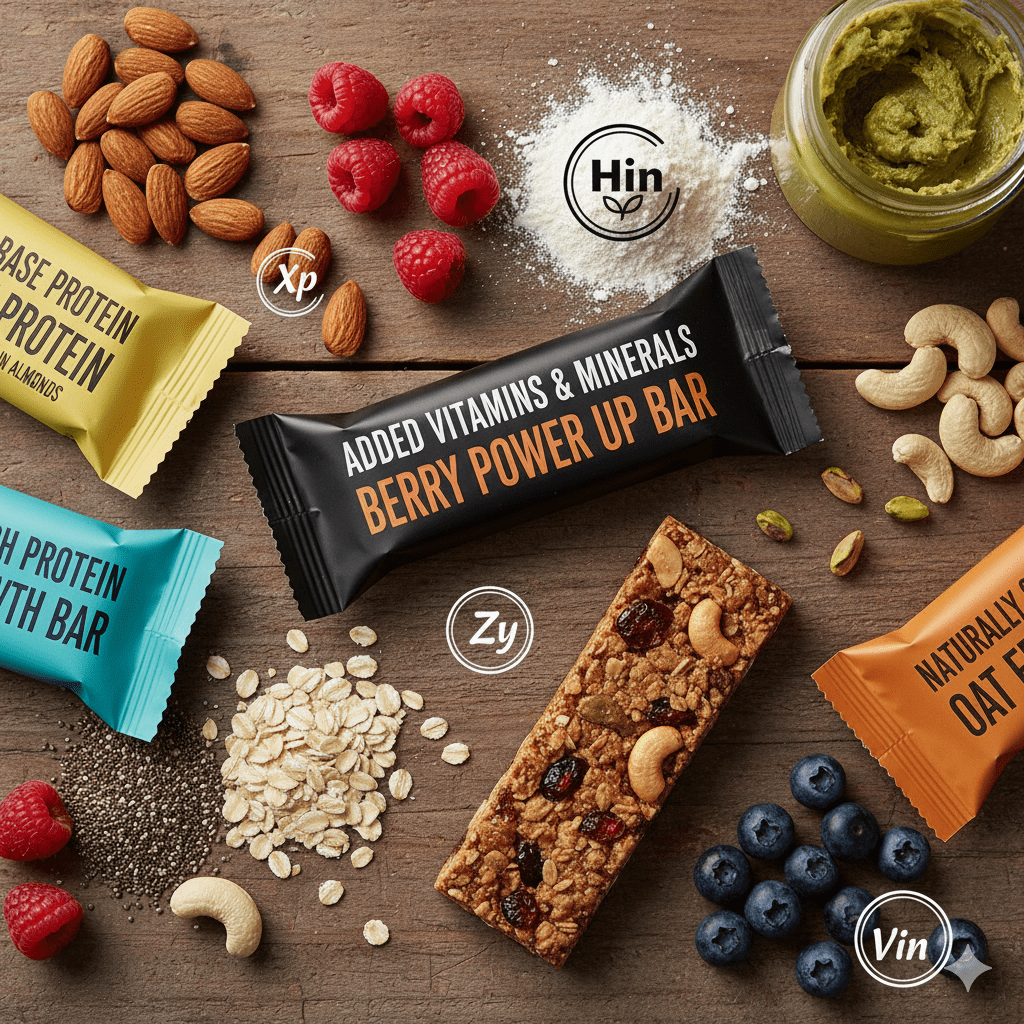
5. Added nutrients: Some brands fortify their bars with vitamins and minerals to support overall health.
Possible Risks and Downsides:
Despite these benefits, energy bars are not always healthy:
1. High sugar content: Many bars contain 20–30 grams of sugar, about the same as a candy bar.
2. High in calories: One bar can have 300–400 calories, which may contribute to weight gain if consumed unnecessarily.
3. Unhealthy fats: Some are made with partially hydrogenated oils, harmful to heart health.
4. Not an ideal food substitute: No matter how enriched, they remain processed products.
5. Digestive issues: Some people may experience bloating or gas due to artificial fibers or soy protein.

When Are Energy Bars Actually Useful?
1. Before exercise: If there’s no time for a full meal, they can provide quick fuel.
2. During prolonged activity: Such as long-distance running, cycling, or hiking.
3. After workouts: To replenish glycogen stores and support muscle recovery.
4. While traveling or working: As a handy alternative when healthy food isn’t available.
Tips for Choosing the Best Bar:
1. Look for bars with less than 10 grams of sugar.

2. Choose bars rich in natural fiber (at least 5 grams).
3. For athletes, aim for 10–15 grams of protein per bar.
4. Avoid bars with hydrogenated oils or excessive preservatives.
5. The best options are those made with natural ingredients like nuts, oats, and dried fruits.
Energy bars are not magical. They can be beneficial in certain situations, such as before workouts or while traveling, but they are not suitable as a permanent replacement for natural food. Many contain high amounts of sugar and calories that can do more harm than good if not used properly.
So, the answer to the question: Do energy bars really work? is: Yes, they do—but only temporarily. Their effectiveness depends on the type of bar, the timing of consumption, and your body’s needs. The best approach is to use them as a supplement to your diet, not a complete substitute for meals.
✨ And if you’re looking for practical advice to understand the role of energy bars in your daily life, and how to choose healthier natural alternatives for long-lasting balanced energy, Nutrition Travels is your ultimate guide. Here you’ll find trusted articles and accurate information to help you build a healthy diet that matches your lifestyle and provides real energy from natural sources.