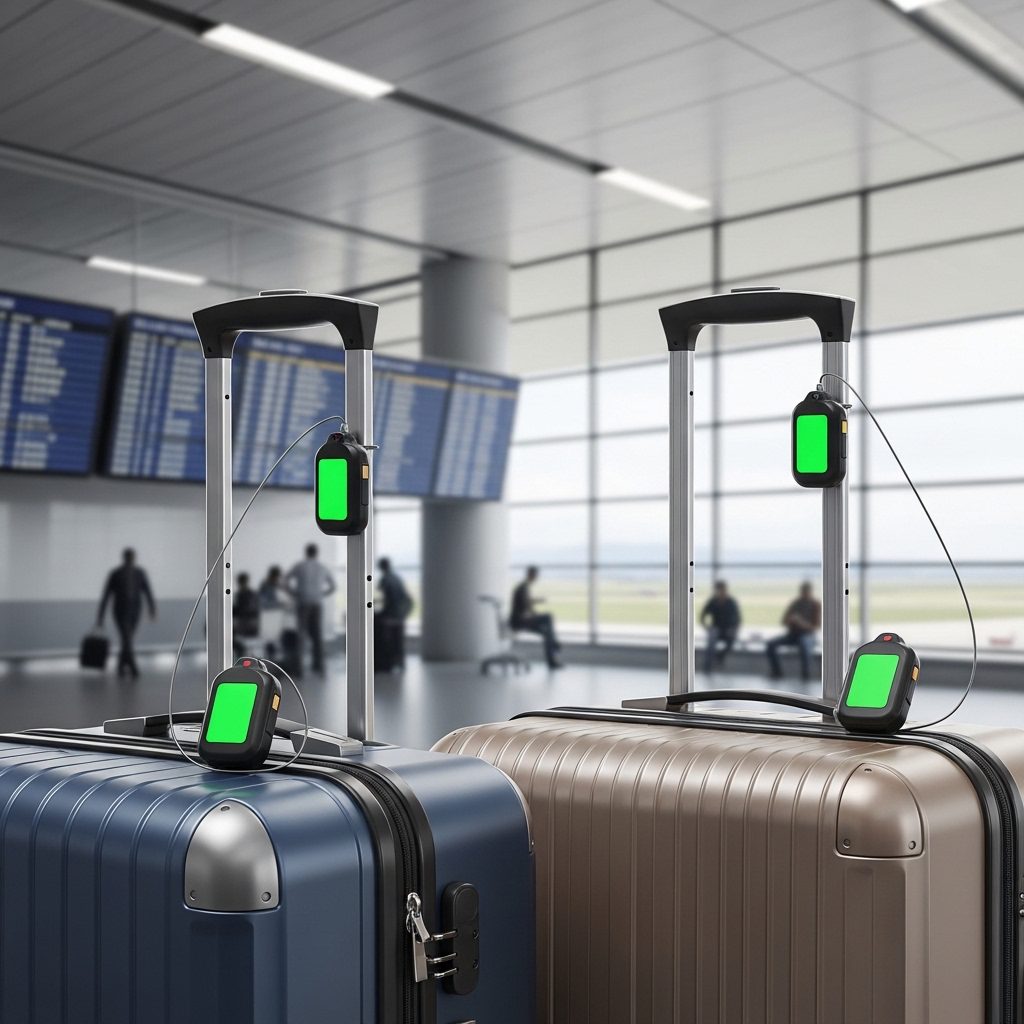
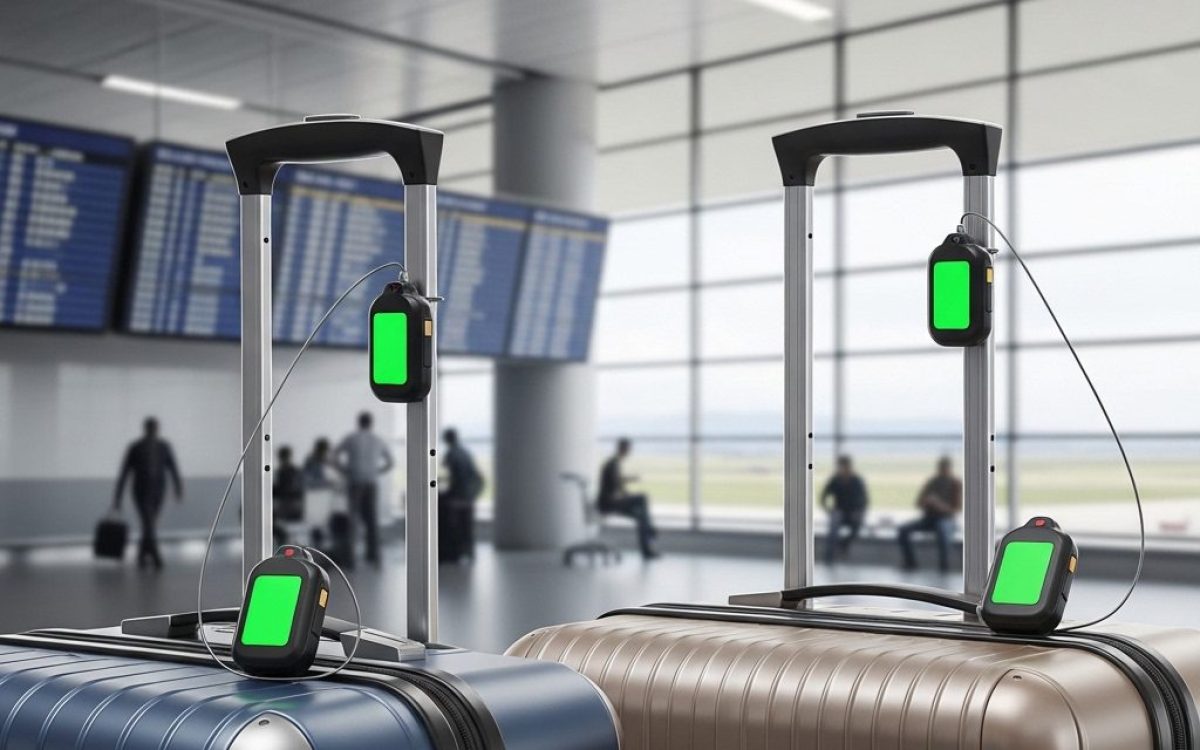
Travel has become much easier with modern technology, but lost luggage remains a concern for many travelers. This is where smart luggage comes in, using tracking devices like AirTags or built-in GPS systems to give peace of mind during your journey.
Smart luggage isn’t just a luxury—it’s a practical investment to avoid lost or delayed bags, especially during international flights or busy airports. With growing air travel, tracking your bags has become essential for every savvy traveler.
For official information on travel guidelines and luggage tracking, you can visit the U.S. Transportation Security Administration (TSA) .
What is Smart Luggage?
Smart luggage refers to suitcases or backpacks equipped with technology to help track their location in real-time or nearby. Some of these technologies use AirTags or similar devices, while others rely on built-in GPS in the bag itself.
AirTags vs. Built-in GPS
-
- AirTags: Small devices placed inside your bag, connecting to your phone via a specific app. They allow you to locate your bag within Bluetooth range or through the global AirTag user network.
- Built-in GPS: Uses satellites to determine the bag’s location. However, transmitting that location to your phone typically requires a cellular network or Wi-Fi connection. This makes GPS trackers effective for long-distance tracking, provided network coverage is available.
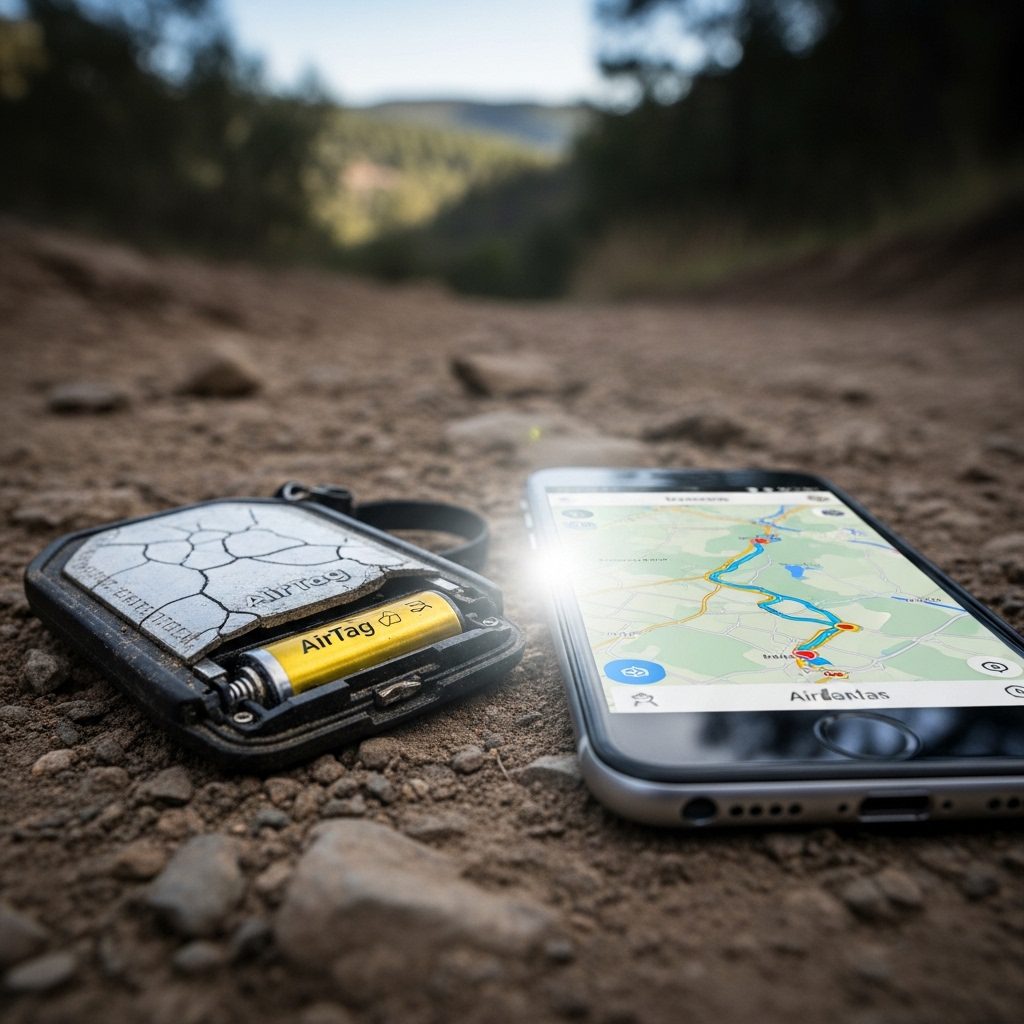
In short, AirTags are suitable for daily or city travel, while built-in GPS is better for long trips or multi-airport journeys.
Advantages of Smart Luggage Using AirTags :
-
- Ease of Use: Can be placed in any suitcase or backpack without changing the bag itself.
- Instant Alerts: Receive notifications if your bag goes out of range or is lost.
- Affordable & Efficient: AirTags are low-cost compared to built-in GPS systems and use easily replaceable batteries.
- Privacy & Security: Apple uses its global user network with encryption to protect your data.
Advantages of Smart Luggage Using Built-in GPS :
-
- High Accuracy: Locate your bag anywhere, even in remote areas.
- Ideal for Long & International Trips: Perfect for travel across multiple airports or cities.
- Additional Features: Some bags include anti-theft alerts, digital locks, and battery indicators.
Practical Tip:
For frequent city travel, AirTags are ideal. For international trips or precise bag tracking, built-in GPS is more suitable.
Integrating Smart Luggage into Your Travel Routine
- Always place a tracking device inside your bag before checking in.
- Activate the apps for each system before travel.
- Keep a backup of bag details and photos to ease recovery if lost.
The goal is to provide security while maintaining an enjoyable travel experience without worrying about delayed or missing luggage.

Practical Tips for Using Smart Luggage :
- Choose the Right Bag: Not all luggage is suitable for smart technology. Ensure a sturdy bag with safe space for AirTags or GPS devices.
- Secure the Device:
- Place AirTag in a hidden pocket or small pouch inside the main bag.
- For built-in GPS, ensure the battery is fully charged.
- Update Apps and Information: Before travel, open the related apps and ensure maps and location data are updated.
- Monitor Luggage During Travel: Track your bag at the airport or while moving between cities. Knowing its location prevents long waits and anxiety.
Advanced Comparison: AirTags vs. GPS
| Feature | AirTags | Built-in GPS |
| Range | Limited by Bluetooth & users | Virtually unlimited via satellites |
| Cost | Low | Relatively high |
| Battery | Easy to replace | Larger, requires periodic charging |
| Accuracy | Good in cities & airports | Excellent even in remote areas |
| Privacy | Encrypted & local | Depends on network & provider |
Bottom Line:
For mostly city or domestic travel, AirTags are cost-effective and practical. For international trips or remote destinations, built-in GPS provides higher accuracy and peace of mind.
Real-life Use Cases
- Business Trips or Conferences: AirTags ensure you know your bag’s location while moving between hotels and airports.
- Adventure or Long Trips: GPS-equipped luggage offers peace of mind when traveling across countries or leaving bags in remote accommodations.
Many airlines allow smart luggage as long as lithium batteries are removable, in accordance with current TSA and international safety regulations. Travelers should always check airline policies before departure to avoid issues at check-in. For luggage safety guidance, visit the TSA website.

Additional Tips to Avoid Lost Luggage
- Place a label with contact info inside the bag.
- Take photos of each bag and its contents before traveling.
- Use brightly colored or marked luggage for easy identification.
- Fully charge any smart tracking device and enable alerts before departure.
Why Smart Luggage is a Smart Investment
- Saves time and effort searching for lost bags.
- Provides peace of mind for solo travelers or families.
- Ensures you enjoy your trip fully without worrying about lost luggage.
When Smart Luggage May Not Be Necessary
Smart luggage may not be essential for short domestic trips, carry-on-only travel, or destinations with minimal transit points. In these cases, traditional luggage with proper labeling and basic precautions may be sufficient.
In short, smart luggage combines technology and convenience to make travel safer and smoother. Choosing between AirTags and GPS depends on your travel style, destination, and trip length.
For more tips on smart luggage and practical travel advice, visit nutritiontravels, where you’ll find complete guides for planning safe, enjoyable trips with a smooth luggage experience.