

In today’s world, it’s easy to forget how much our diet affects overall health. Nutritional medicine highlights the vital link between what we eat and how our body responds to diseases and inflammation. Chronic inflammation, such as that associated with heart disease, diabetes, or joint issues, can be significantly reduced by following a carefully planned diet and specific cooking methods.
Nutritional medicine is not just a health trend; it’s a science based on reliable research about how foods interact with the body. By choosing the right ingredients and cooking techniques, you can reduce chronic inflammation, support your immune system, boost daily energy, and even improve your overall mood.
Basics of Nutritional Medicine for Reducing Inflammation:
This approach closely resembles the Mediterranean dietary pattern, one of the most researched eating patterns in the world. Multiple long-term studies suggest that diets rich in vegetables, fruits, olive oil, whole grains, and fatty fish are associated with lower levels of systemic inflammation and reduced risk of chronic disease.
1- Focus on Anti-Inflammatory Foods
Include foods rich in omega-3 fatty acids, such as:
-
- Fatty fish (salmon, mackerel, sardines)
- Nuts and seeds like walnuts and flaxseeds
- Dark leafy greens like spinach and kale
Eating these foods regularly may help reduce markers of inflammation in the blood, especially when combined with an overall balanced diet. 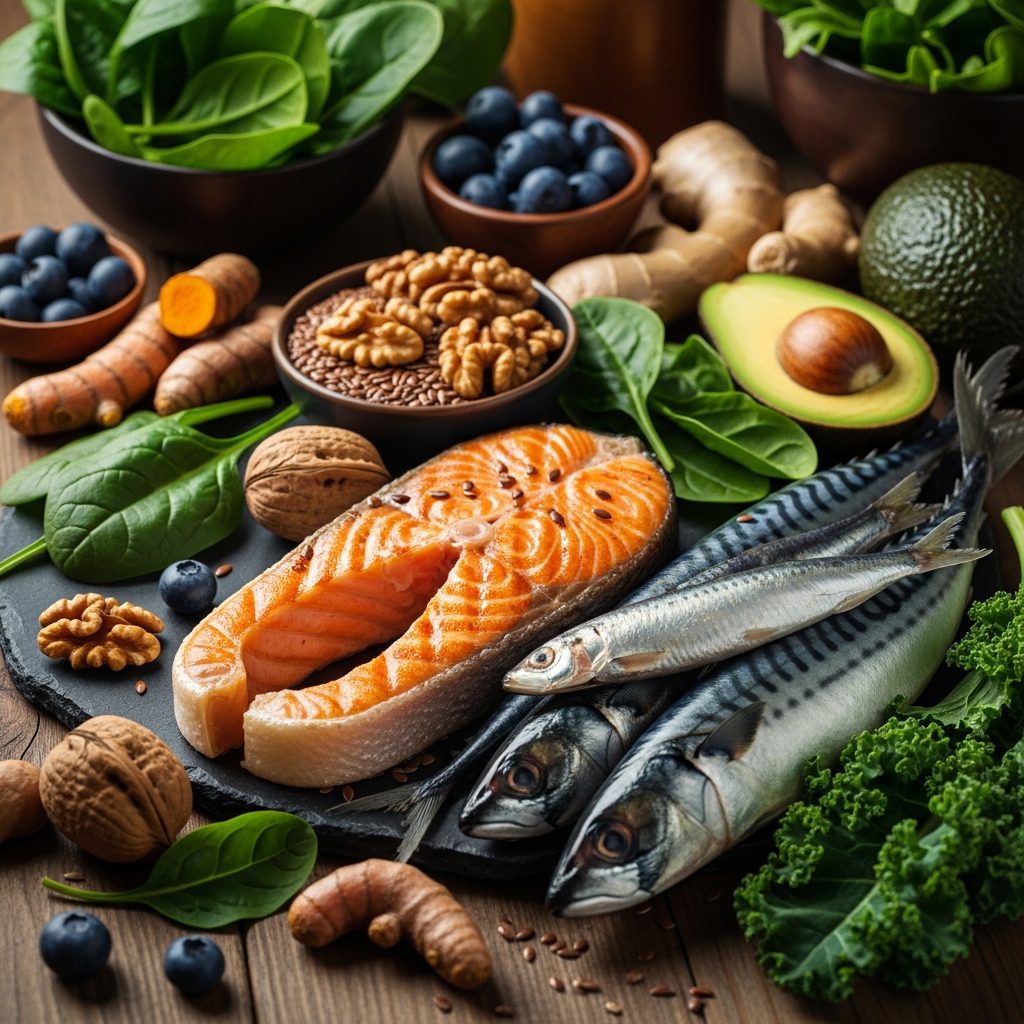
2- Limit Processed Foods and Sugars
Foods high in added sugar and industrial fats increase chronic inflammation. This includes:
-
- Soft drinks and processed sweets
- Processed meats like sausages and canned meats
Reducing the intake of these foods is strongly associated with lower levels of chronic inflammation.
Healthy Cooking Methods :
The way you cook can enhance or diminish the anti-inflammatory effects of foods.
1. Steaming or Boiling
-
- Preserves nutrients in vegetables and fish.
- Reduces formation of harmful compounds produced during frying or direct grilling.
2. Grilling or Roasting at Moderate Temperatures
-
- Maintains food flavor without burning fats or proteins.
- Avoid direct charring, as burnt foods can increase inflammation.
3. Use Natural Spices
-
- Turmeric, ginger, garlic, and chili have anti-inflammatory properties.
- Adding them to daily cooking enhances flavor while supporting health.
Practical Daily Plan Example
Here’s a simple day following nutritional medicine principles to reduce chronic inflammation:
Breakfast:
-
- Oatmeal cooked in water or almond milk, with chia seeds and berries.
Lunch:
-
- Leafy vegetable salad with grilled fish and olive oil.
Dinner:
-
- Mixed vegetable soup with natural spices like turmeric and ginger.
Snacks:
-
- Unsalted nuts or seasonal fruit slices.
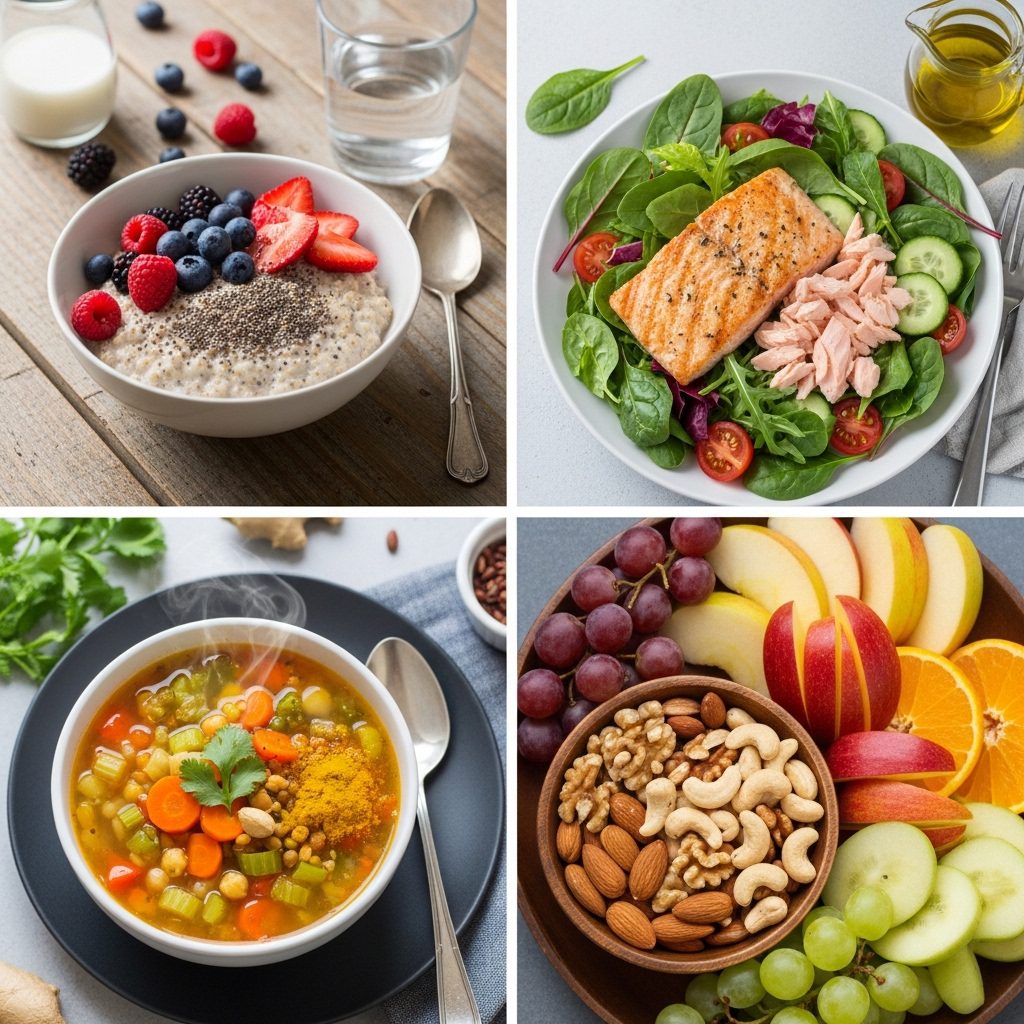
Following this plan not only boosts energy but also significantly reduces chronic inflammation over time.
Sample Daily Recipes :
Breakfast – Plant-Based Oatmeal:
-
- 1 cup oats cooked with almond milk or regular milk.
- 1 tsp ground flaxseed and chia seeds.
- Blueberries or strawberries rich in antioxidants.
Lunch – Grilled Fish Salad:
-
- A portion of grilled salmon or mackerel with olive oil and lemon juice.
- Dark leafy greens such as spinach and kale, with tomatoes and cucumbers.
- Natural spices like turmeric and ground ginger.
Dinner – Mixed Vegetable Soup:
-
- Carrots, zucchini, potatoes, and green beans.
- Add garlic and chili for flavor and anti-inflammatory benefits.
- Steam or boil to preserve nutrients.
Snacks:
-
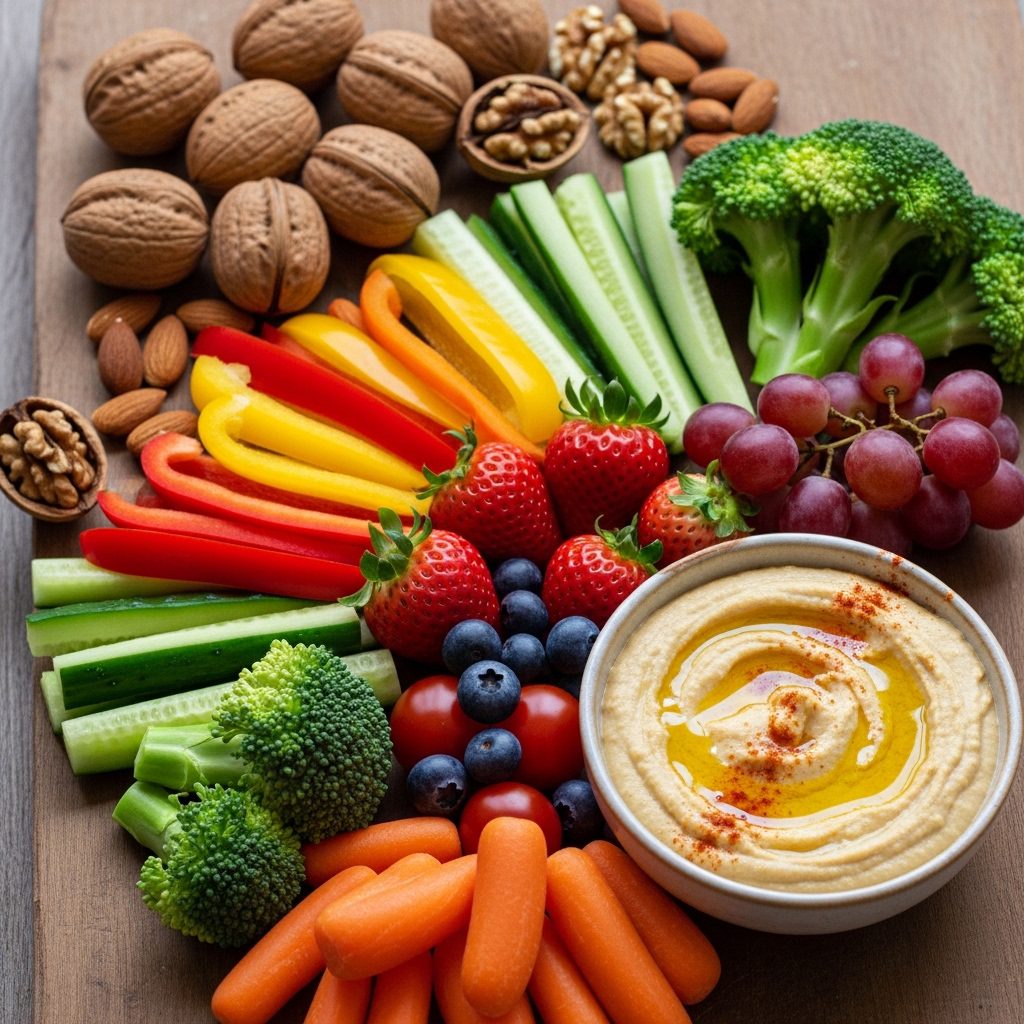
- A handful of unsalted nuts (walnuts or almonds).
- Seasonal fruits or fresh vegetables with hummus.
Following this approach improves daily energy, digestion, and mood due to the effects of food on chronic inflammation.
Practical Tips for Daily Nutritional Medicine :
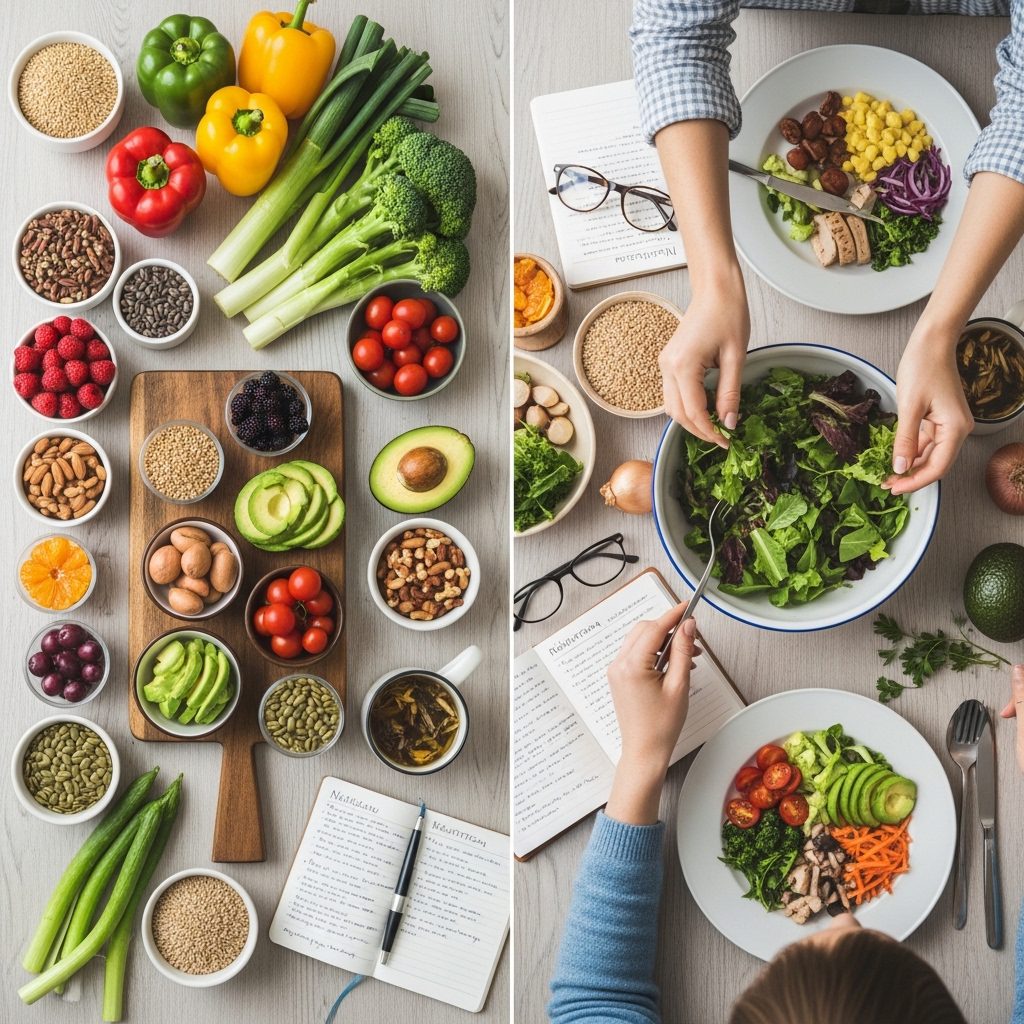
1. Plan Ahead
-
- Prepare meals in advance to avoid fast or processed foods that increase inflammation.
- Dedicate time weekly to prepare healthy meals.
2. Cook in Batches and Store Safely
-
- Use airtight glass containers for soups and salads.
- Saves time and ensures adherence to anti-inflammatory principles.
3. Diversify Food Sources
-
- Rotate protein and vegetables weekly to prevent monotony and provide all essential nutrients.
- Include whole grains like quinoa or brown rice to increase fiber and reduce inflammation.
4. Stay Hydrated
-
- Water supports digestion and helps maintain the body’s natural detoxification systems, including the liver and kidneys, enhancing the effects of anti-inflammatory foods.
How Long Does It Take to Notice Changes?
While some people may feel improved energy within days, measurable changes in inflammatory markers usually take several weeks of consistent dietary patterns. Sustainable results come from long-term habits rather than short-term changes.
Linking Nutritional Medicine to Scientific Research
Recent studies confirm that a diet rich in vegetables, fruits, fatty fish, and natural spices can reduce chronic inflammation levels in the body. For more reliable information on nutrition and inflammation, refer to the NIH .
Nutritional medicine is not just recipes; it’s a lifestyle that helps reduce chronic inflammation, support the immune system, and maintain daily energy. By choosing anti-inflammatory foods, using healthy cooking methods, and following a balanced daily plan, you can improve your health noticeably and sustainably.
Start your journey toward better health today! Discover more practical articles and daily recipes on nutritiontravels, where you’ll learn how food can be a natural remedy for your body and mind, with actionable tips to apply nutritional medicine easily in daily life.