

Metabolism is often described as the body’s internal engine, responsible for converting food into energy that fuels every function of daily life. From breathing and circulation to muscle repair and hormone regulation, metabolism is always working—even when you are resting or asleep. Yet, many people believe that a “slow metabolism” is the main reason behind weight gain and difficulty losing fat. The truth, however, is far more nuanced.
Understanding how metabolism actually works—and how to support it naturally—can help you achieve sustainable weight management, better energy levels, and long-term health without extreme dieting or unrealistic routines.
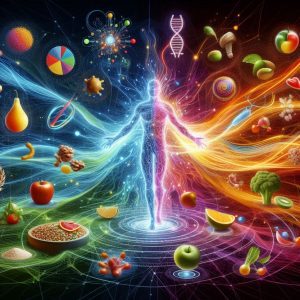
What Is Metabolism?
Metabolism refers to the complex set of chemical reactions that occur in the body to maintain life. These reactions transform calories from food and drinks into usable energy. A large portion of this energy is used simply to keep you alive—powering your heart, lungs, brain, and other vital organs.
This baseline energy use is known as the Basal Metabolic Rate (BMR), which typically accounts for 60–80% of the total calories burned each day. The remaining calories are burned through physical activity and digestion.

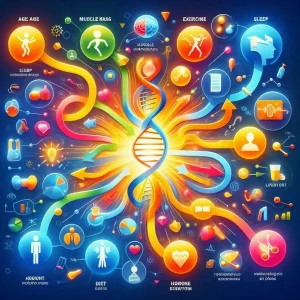
Factors That Affect Metabolic Rate
Several elements influence how fast or slow your metabolism operates:
- Age: Metabolism naturally slows with age
- Sex: Men often have higher muscle mass, increasing calorie burn
- Muscle Mass: Muscle tissue burns more calories than fat
- Hormones: Thyroid hormones play a major role
- Lifestyle Habits: Diet, movement, sleep, and stress levels
Although genetics play a role, daily habits have a much greater impact on metabolic health than most people realize.
Common Metabolism Myths
Myth 1: A Slow Metabolism Is the Main Cause of Weight Gain
Truth: In most cases, weight gain results from consuming more calories than the body uses and not from an unusually slow metabolism.
Myth 2: You Can Target Fat Loss in Specific Areas
Truth: Spot reduction is a myth. Fat loss occurs throughout the body, not in isolated zones.
Myth 3: Extreme Dieting Speeds Up Metabolism
Truth: Severely restricting calories can actually slow metabolism by forcing the body into energy-conservation mode.

Natural Ways to Boost Metabolism
1- Build and Maintain Muscle Mass
Strength training is one of the most effective ways to increase metabolic rate. Muscle tissue is metabolically active, meaning it burns calories even at rest. Incorporating resistance exercises two to three times per week can significantly increase daily energy expenditure over time.
2- Prioritize Protein Intake
Protein has a higher thermic effect of food (TEF) compared to carbohydrates and fats. This means your body burns more calories digesting protein. Including high-quality protein sources—such as eggs, fish, lean meats, legumes, and dairy—in every meal helps support metabolism and muscle maintenance.
3- Stay Properly Hydrated
Water is essential for nearly every metabolic process. Even mild dehydration can reduce metabolic efficiency. Drinking enough water throughout the day supports digestion, nutrient transport, and calorie burning. Cold water may slightly increase energy expenditure as the body works to warm it.
4- Combine Cardio and HIIT Training
Aerobic exercise like walking, running, and cycling increases calorie burn during activity. Meanwhile, High-Intensity Interval Training (HIIT) triggers the “afterburn effect,” allowing the body to continue burning calories for hours after the workout ends.
5- Improve Sleep Quality
Poor sleep disrupts hormones that regulate hunger, fullness, and metabolism. Chronic sleep deprivation increases cravings and reduces insulin sensitivity, making weight management more difficult. Aim for 7–9 hours of quality sleep each night to support metabolic balance.
6- Increase Daily Movement (NEAT)
Non-Exercise Activity Thermogenesis (NEAT) includes everyday movements such as walking, standing, stretching, and household chores. These small actions may seem insignificant, but together they can burn hundreds of extra calories daily.

Foods and Drinks That Support Metabolism
While no food magically boosts metabolism, some choices can support metabolic efficiency:
- High-fiber vegetables and whole grains
- Green tea and coffee (in moderation)
- Spicy foods containing capsaicin
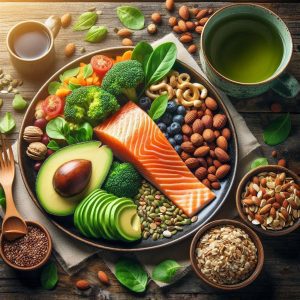
- Healthy fats like nuts, seeds, and avocado
- Omega-3-rich fish such as salmon
A balanced diet consistently outperforms any “metabolism-boosting” shortcut.
Habits That Can Slow Metabolism
To protect your metabolic health, avoid these common mistakes:
- Severe calorie restriction
- Skipping meals frequently
- Prolonged sitting with little movement
- Chronic stress and high cortisol levels
- Excessive intake of processed foods and sugar
These habits signal the body to conserve energy, making fat loss harder over time.
The Bigger Picture of Metabolic Health
Metabolism is not something you can “hack” overnight. Instead, it responds gradually to consistent habits. Supporting your metabolism means nourishing your body adequately, moving regularly, managing stress, and allowing proper recovery. Sustainable fat loss and energy balance come from alignment—not extremes.
Metabolism is not the enemy; it is a finely tuned system designed to keep you alive and functioning. When you support it with strength training, protein-rich meals, hydration, quality sleep, and daily movement, your body becomes more efficient at burning energy naturally. True metabolic health is built through consistency, not quick fixes.
If you enjoy learning about nutrition, wellness, and smart lifestyle strategies, explore more expert guides and insights on Nutrition Travels. Your journey toward better health starts with understanding your body—and making informed choices every day.