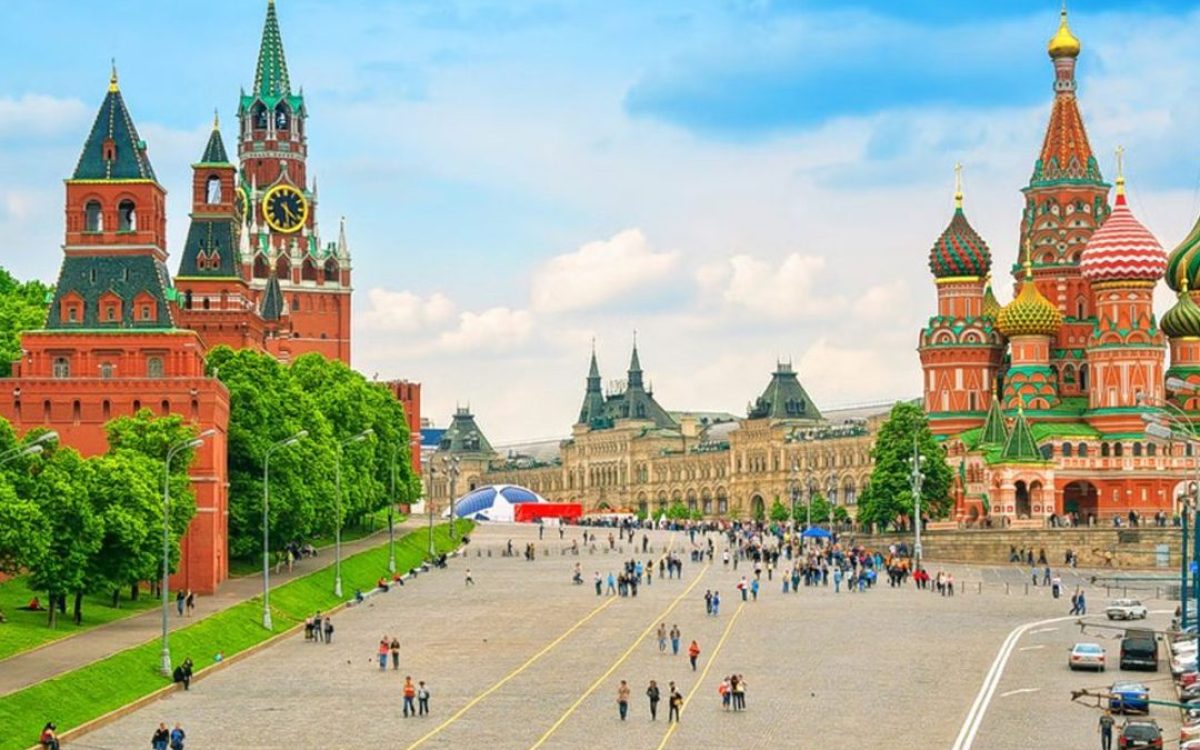
Russia, the largest country in the world, offers a unique and diverse tourism experience. By 2025, Russia is expected to witness significant growth in its tourism sector, with visitors exploring historical and cultural landmarks such as museums, castles, and churches, as well as enjoying the stunning nature of Siberia and the Ural Mountains, vibrant cultural festivals, and scenic boat tours on the Neva River in St. Petersburg.
Russia spans Europe and Asia, covering a total area of approximately 17,098,242 square kilometers. Located in the northern part of Eurasia, it borders 16 countries, most of which were part of the former Soviet Union. Due to its vast size, Russia’s climate varies greatly, ranging from arctic in the north to humid continental in most regions, with subtropical conditions in parts of the south. Russia is characterized by its diverse terrain, including vast plains, towering mountains, and dense forests. As of 2025, Russia has a population of approximately 144 million people.
Russia’s wide range of climates affects the best times to visit:
- Winter (Dec–Feb): Harsh, especially in Siberia and the north, with heavy snow and sub-zero temperatures.
- Spring (Mar–May): Nature begins to bloom, but some areas remain cold.
- Summer (Jun–Aug): Warm (20–30°C), sunny, and perfect for outdoor activities. It’s the busiest tourist season.
- Autumn (Sep–Nov): Cooler temperatures with beautiful autumn foliage—a scenic time to visit.
As for the best time to visit Russia, it depends on the region you wish to visit and the activities you wish to do.
- Moscow and Saint Petersburg: Summer (June–August) is the best time to visit the major cities, as the weather is warm and ideal for sightseeing.
- Siberia: If you want to enjoy the natural beauty of Siberia, summer is the best time to visit, while if you want to experience winter activities, winter is the perfect time.

Entertainment Destinations in Russia:
Russia’s vast territory, coupled with its rich history, offers a diverse range of entertainment destinations that cater to the interests of all travelers from around the world. Here are the most prominent of these destinations spread across major Russian cities.
Top Destinations in the Capital, Moscow:
- Red Square: The beating heart of Moscow, visitors can enjoy sights such as St. Basil’s Cathedral and the Kremlin.
- Moscow Metro: An underground museum of architecture and design.
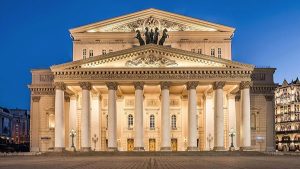
- Bolshoi Theater: Art lovers from around the world dream of visiting this destination, especially those who love the performing arts, where you can enjoy magnificent ballet and opera performances.
- Gorky Park: An ideal place to relax and enjoy nature, and enjoy various activities such as cycling and ice skating.
- Family Park Skazka Moscow: Offers a variety of rides and events suitable for the whole family.
Saint Petersburg:
- Hermitage Museum: The largest art museum in the world, housing a vast collection of artworks from various eras.
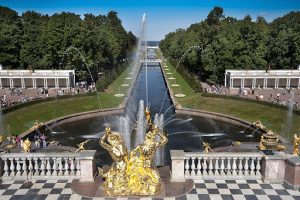
- Peterhof Palace and Park: Known as the “Russian Versailles,” it is famous for its grand palaces, beautiful gardens, and elaborate fountains.
- Catherine Palace and Park: A major historical and cultural site known for its lavish palaces and landscaped gardens.
- Ice skating on the Neva River: A unique experience to enjoy the city’s beauty from a different perspective.
Other popular Russian destinations:
- Sochi: A vibrant Black Sea resort city, popular for its beaches, warm climate, and luxurious resorts. It also hosted the 2014 Winter Olympics.
- Lake Baikal: The world’s deepest lake (1,642 meters), great for diving, canoeing, and ice adventures in winter.
- Kazan: A city rich in history, where Russian and Tatar cultures blend harmoniously. Famous for landmarks like Kazan Kremlin, a UNESCO World Heritage Site.
- Mount Elbrus: The highest mountain in Europe, with two summits reaching 5,642 and 5,621 meters above sea level, tourists can enjoy skiing and mountaineering there

Historical Destinations in Russia:
Russian history is rich with many notable events, creating numerous historical destinations that attract travelers from all over the world. The most important historical destinations in Russia are:
- The Kremlin: The historic heart of Moscow, the country’s administrative headquarters, and home to numerous centuries-old churches, palaces, and museums.
- Red Square: A famous historical square in Moscow, surrounded by prominent landmarks such as St. Basil’s Cathedral, Lenin’s Mausoleum, and other ancient historical buildings.
- St. Basil’s Cathedral: One of the oldest churches in Russia, and Moscow in particular, it is a unique architectural masterpiece and a symbol of the capital.
- The Hermitage Museum: The largest art museum in the world and one of the most important museums in Russia, located in Saint Petersburg.
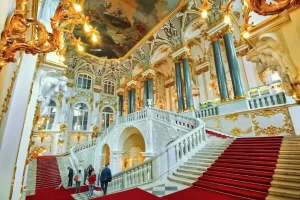
- The Winter Palace: The former seat of the Russian Empire, considered an architectural masterpiece, also located in Saint Petersburg.
- Catherine Palace and Park: A major historical and cultural site famous for its lavish palaces and landscaped gardens in Saint Petersburg.
- Novgorod: An ancient historic city, one of the oldest in Russia, home to many historic churches and monasteries.
- Suzdal: A charming historic city, famous for its churches and monasteries, home to numerous monuments that testify to ancient Russian history.
- Vladimir: A historic city with many medieval monuments.
Natural Destinations in Russia:
With its great geographical diversity, Russia offers a variety of stunning natural destinations that attract travelers. Among the most important natural destinations in Russia are:
- Lake Baikal: The deepest lake in the world, with a maximum depth of 1,642 meters (5,387 feet), its clear, crystal-clear waters offer opportunities for outdoor activities such as diving and canoeing. In winter, it transforms into a magical icy landscape, making it an ideal destination for skiing.

- The Ural Mountains: A large mountain range stretching across the country, offering stunning natural scenery and opportunities for hiking and skiing. It also includes numerous nature reserves that protect its diverse wildlife.
- Kamchatka Peninsula: Characterized by its volcanic landscape, it contains many active volcanoes and hot springs, offering tourists the opportunity to observe wildlife such as brown bears and whales.
- Caucasus Mountains: Located in southern Russia, these dramatic peaks are home to Mount Elbrus, Europe’s highest point (5,642 m). A paradise for climbers, hikers, and snow sports enthusiasts.
- Siberian Forests: Spanning vast areas, they contain a diverse array of flora and fauna, and offer opportunities for outdoor activities such as hiking and camping.
There are also numerous national parks that protect stunning landscapes and wildlife, such as Sochi National Park and Krasnoyarsk Stolby National Park.
When is the best time to visit Russia?
This depends on the region you wish to visit and the activities you plan to do. Summer is the most popular season, as the weather is warm and ideal for visiting major cities. Winter is suitable for winter activities such as skiing and visiting winter markets. Spring and fall are ideal for visiting Russia, as temperatures are moderate.
What are the most important tourist cities in Russia?
Moscow, the capital, Saint Petersburg, Sochi, and Kazan.
What is the currency used in Russia?
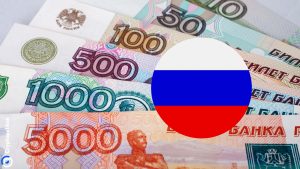
The Russian ruble (RUB) is the official currency in Russia. (Note: Currency exchange rates may vary. As of early 2025, 100 RUB ≈ $1.19
Don’t miss the chance to explore Russia’s treasures—from the opulent palaces of Moscow and Saint Petersburg to the wild beauty of Siberia and the Ural Mountains. An unforgettable journey awaits you.
For more travel inspiration and hidden gems around the globe, follow Nutrition Travels—your guide to unforgettable destinations and expert tips for every journey.