

Obesity is not just about appearance or a number on the scale. It is a chronic and complex condition influenced by genetic, environmental, and behavioral factors. A person is considered obese when their Body Mass Index (BMI) exceeds 30. There are many reasons why some individuals struggle to lose weight. In this article, we will dive into the deeper and more comprehensive effects of obesity.

1- Obesity: Symptoms and Physical and Psychological Causes:
Obesity is a complex disease that occurs when excess fat accumulates in the body. It is not merely a cosmetic issue.
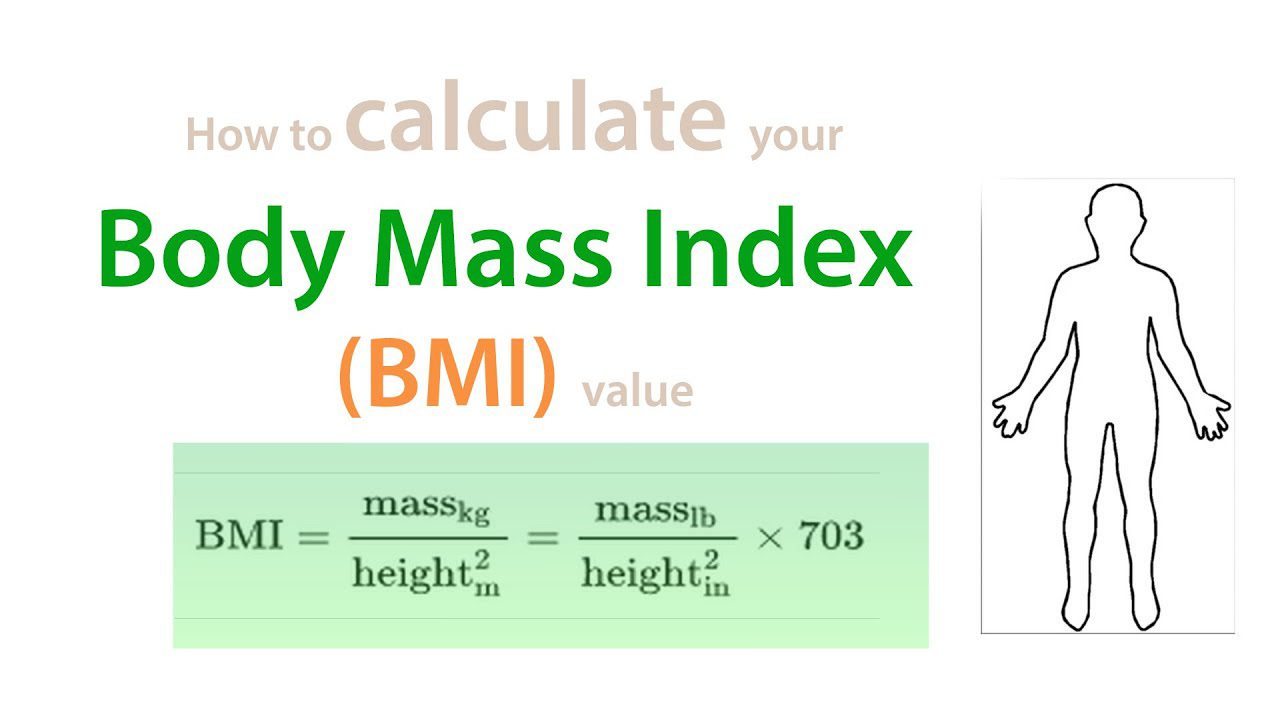
To determine whether a person’s weight is within a healthy range, the Body Mass Index (BMI) is used and It can be calculated using the following:
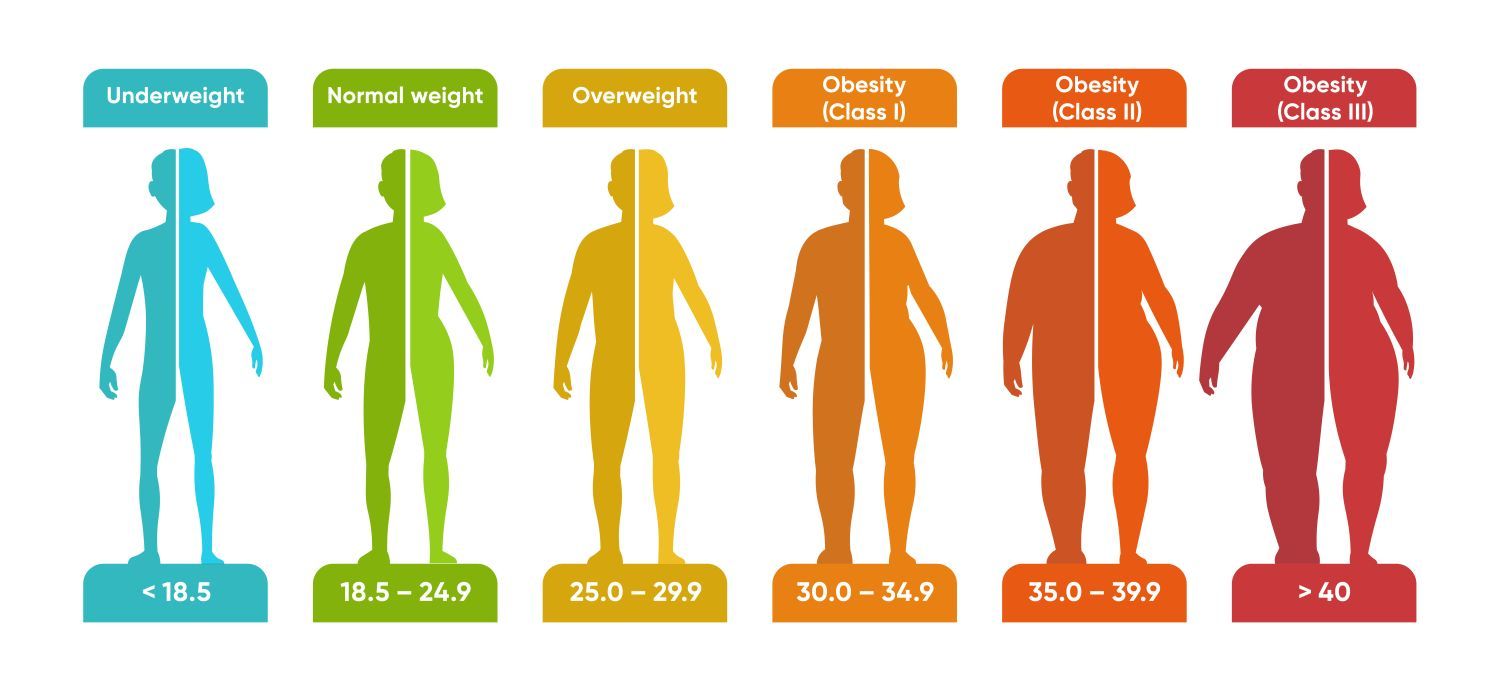
If the BMI is below 18.5, the person is considered underweight, which may indicate malnutrition or other health problems. A BMI between 18.5 and 24.9 is considered healthy and normal. A BMI between 25.0 and 29.9 indicates overweight, which can lead to obesity if not managed. Once BMI reaches 30.0 or more, the degrees of obesity begin:
- Class I (30.0 – 34.9)
- Class II (35.0 – 39.9)
- Class III or severe obesity (above 40), which is the most dangerous and linked to chronic health issues.
– Symptoms:
1- Excessive sweating.
2- Extreme fatigue.
3- Joint pain and low back pain.
4- Difficulty breathing.
5- Sleep problems, such as: snoring.
6- Difficulty in practicing physical activities.
7- Loss of self-confidence, depression.
8- High blood pressure.
9- Excess body fat, especially around the waist area.
– Causes of obesity:
1- Eating more calories than necessary for the body to accumulate in the form of fat, specifically through eating fast food and high-calorie drinks.
2- Unhealthy lifestyle, lack of physical activity and not doing work that requires energy.
3- Genetic factors, as some people have a disorder in certain genes responsible for the disorder of fats and proteins such as leptin deficiency and other nutrients.
4- Some associated health conditions such as thyroid and other gland disorders.
5- As people age, they tend to lose muscle mass, which can lower the body’s resting metabolic rate. Combined with age-related hormonal changes, this can make it easier to gain weight and harder to lose it.
6- Lack of sleep may contribute to weight gain by disrupting hormones such as ghrelin and leptin, which regulate hunger and fullness. This hormonal imbalance can increase appetite and cravings, especially for high-calorie foods.
7- Overeating leads to weight gain, especially if the diet is high in fat.
8- Some medications may contribute to weight gain, including certain antidepressants (such as selective serotonin reuptake inhibitors), antipsychotics, corticosteroids, and some diabetes medications like insulin and sulfonylureas.
9- Psychological factors Emotions affect eating habits such as: boredom, sadness, tension, or anger, as many people eat excessively.
2- What are the risks of obesity:
Obesity has become increasingly common in modern times, largely due to sedentary lifestyles and widespread availability of high-calorie, processed foods. These factors contribute significantly to the global rise in obesity rates. Obesity has been associated with many associated health diseases such as type II diabetes, where sensitivity to insulin secreted from the pancreas decreases, high blood pressure, heart disease and atherosclerosis, and obesity leads to arthritis and back pain. Obesity has been linked to an increased risk of developing certain types of cancer, such as breast cancer (particularly after menopause), colon cancer, and endometrial cancer. While it does not directly cause cancer, it is considered a contributing risk factor. At the level of Other Obesity can significantly impact mental health, particularly in adolescents and young adults. It has been associated with increased risks of depression, anxiety, low self-esteem, and social isolation due to stigma and body image concerns.
3- Treating obesity in the right ways:
The best way to treat obesity is to eat a healthy, low-calorie diet and exercise regularly such as:
1- Increase physical activity, at least 30 minutes a day, for at least 5 days a week.

2- Adopt a healthy balanced diet rich in vegetables, fruits, and whole grains, and reduce the intake of fats, sugars, and salt.

3- Adopting olive oil instead of animal fats in the preparation of foods.
4- Drink water in appropriate quantities, and stay away from soft drinks.
5- Relying on cheeses and dairy that contain lower fat percentages.
6- Prioritize homemade meals instead of ready-made.
7- Consumption of red meat without fat, and chicken without skin.
8- Eat fish regularly.
In conclusion, obesity is not a personal failure or a superficial issue—it often reflects complex biological, psychological, and social challenges. True healing starts with self-compassion and a holistic understanding of health. Every individual’s journey is unique, and sustainable change comes from addressing both physical well-being and emotional resilience.