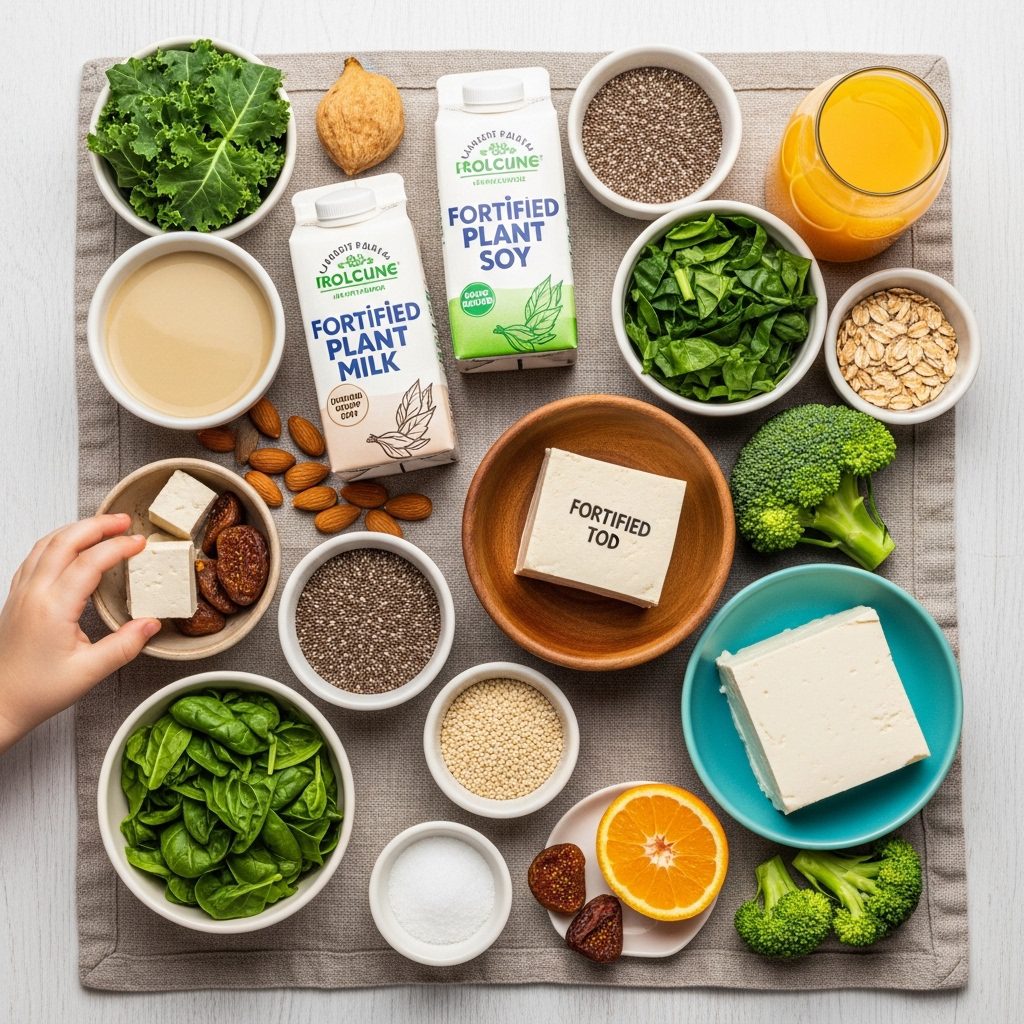

Protein Quality for the Aging is a crucial factor as the body undergoes natural changes that affect muscles, muscle mass, and even energy levels and daily activity. One of the most prominent challenges is age-related muscle loss, scientifically known as sarcopenia. This condition not only impacts physical strength but can also increase the risk of injuries.
In this context, the type of protein a person consumes becomes essential, not just the daily protein amount. Protein quality and essential amino acid content, especially leucine, play a major role in maintaining muscles as we age.
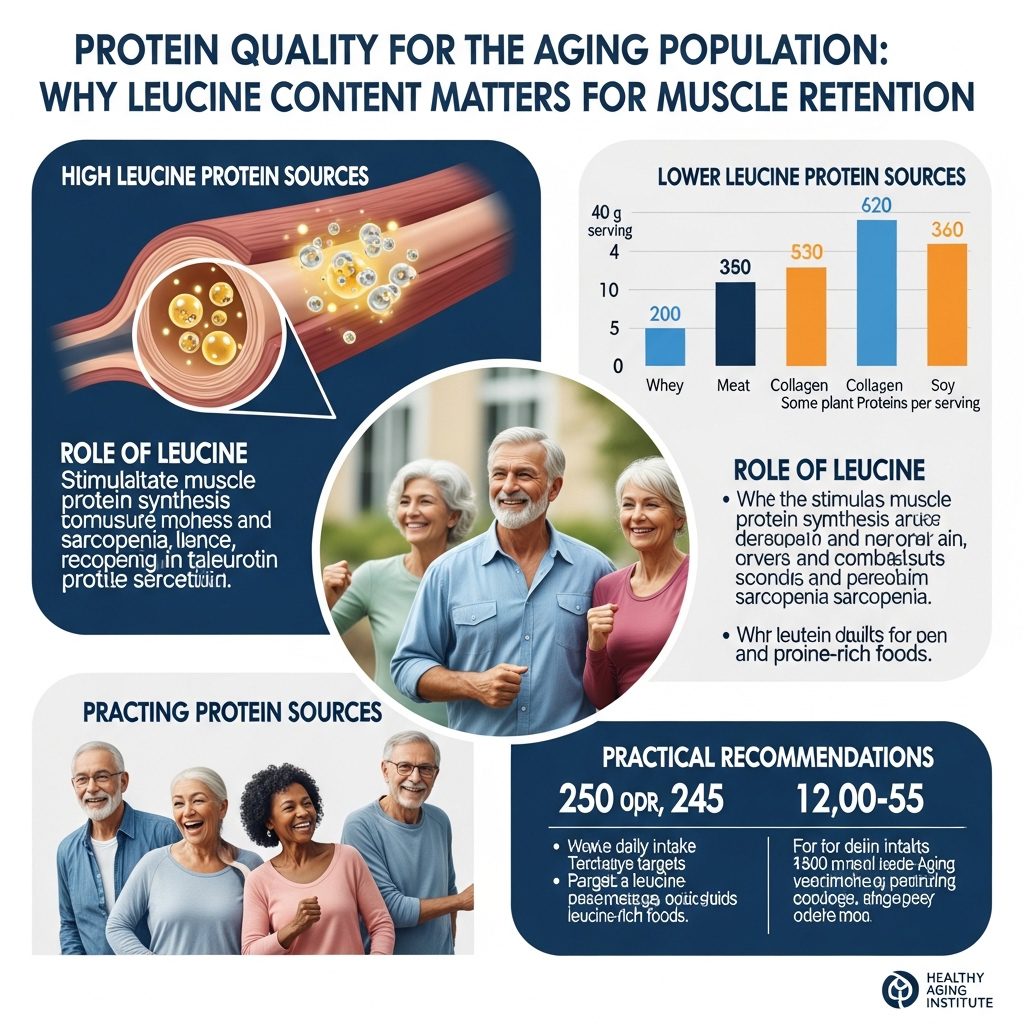
What is Leucine and Why It Matters for Older Adults?
Leucine is one of the essential amino acids, meaning the body cannot produce it and must obtain it from food. Among all amino acids, leucine is considered the main stimulator of muscle protein synthesis. It is particularly noted for its health benefits, according to the Cleveland Clinic website in the United States.
As we get older, muscles become less sensitive to protein intake, meaning they require stronger stimulation to remain active and healthy. This is where leucine comes in, as it helps activate a pathway called mTOR, which is responsible for building and regenerating muscles.
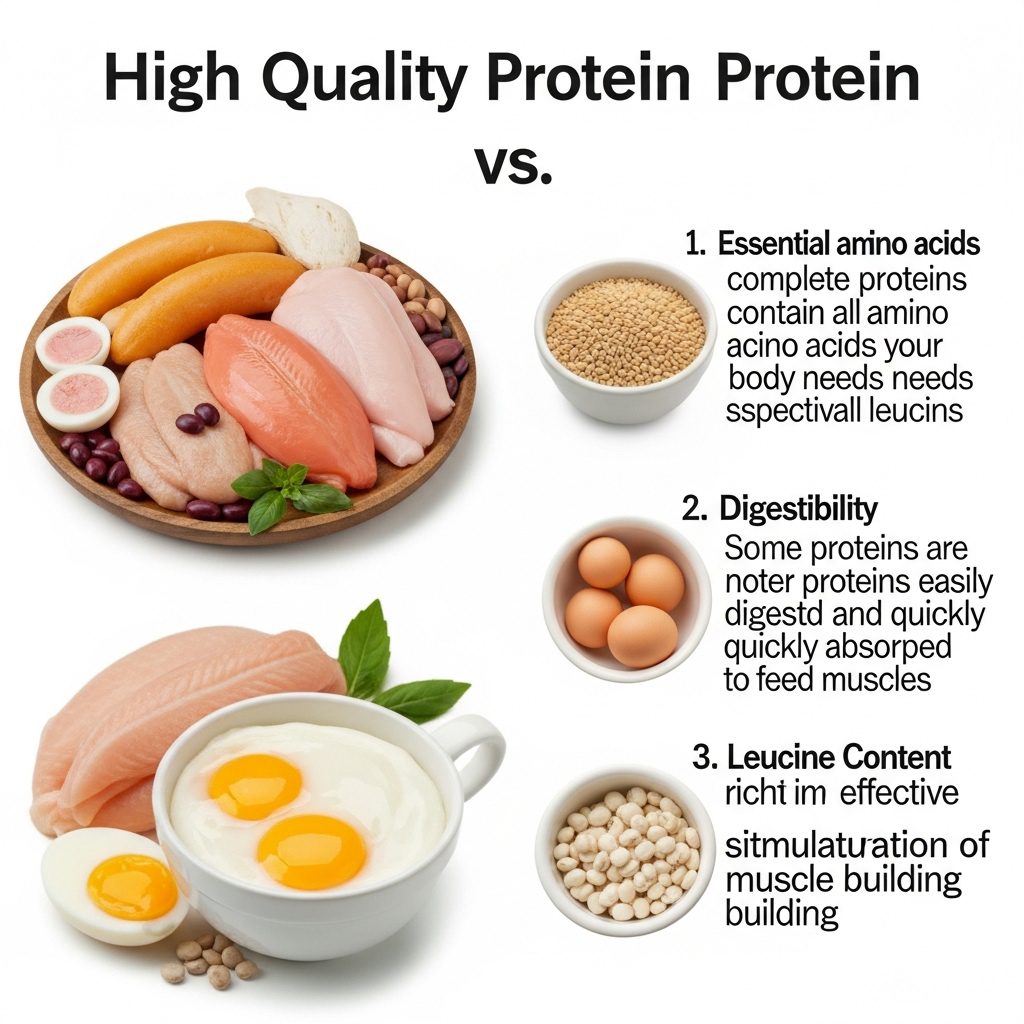
High-Quality Protein vs. Low-Quality Protein for the Aging:
Not all proteins are equal, and the difference in quality is related to:
1. Essential amino acids: Complete proteins contain all the amino acids the body needs, especially leucine.
2. Digestibility: Some proteins are easily digested and quickly absorbed to feed muscles.
3. Leucine content: Proteins rich in leucine ensure effective stimulation of muscle building.
Foods such as meat, chicken, fish, eggs, and dairy products are usually complete proteins and rich in leucine, while plant-based proteins like legumes may contain lower levels of leucine, meaning combining different sources might be necessary to achieve the same benefits.
Effects of Leucine Deficiency in Older Adults:
Low leucine intake can lead to:
- Muscle weakness.
- Blood sugar fluctuations.
- Reduced recovery after illness: Weak muscles take longer to regenerate.
Therefore, for older adults concerned about muscle health, focusing on protein quality is often more important than quantity alone.

How Older Adults Can Increase Leucine Intake:
There are several strategies to consider:
1. Choose complete protein in every meal:
Example: an egg with low-fat cheese, or a piece of fish with vegetables.
2. Distribute protein intake throughout the day:
Consuming protein evenly at breakfast, lunch, and dinner ensures continuous muscle stimulation.
3. Leucine-fortified proteins or protein supplements:
Some older adults find it difficult to consume enough dietary protein. In these cases, supplements can be helpful, but it is always recommended to consult a nutrition specialist before starting.
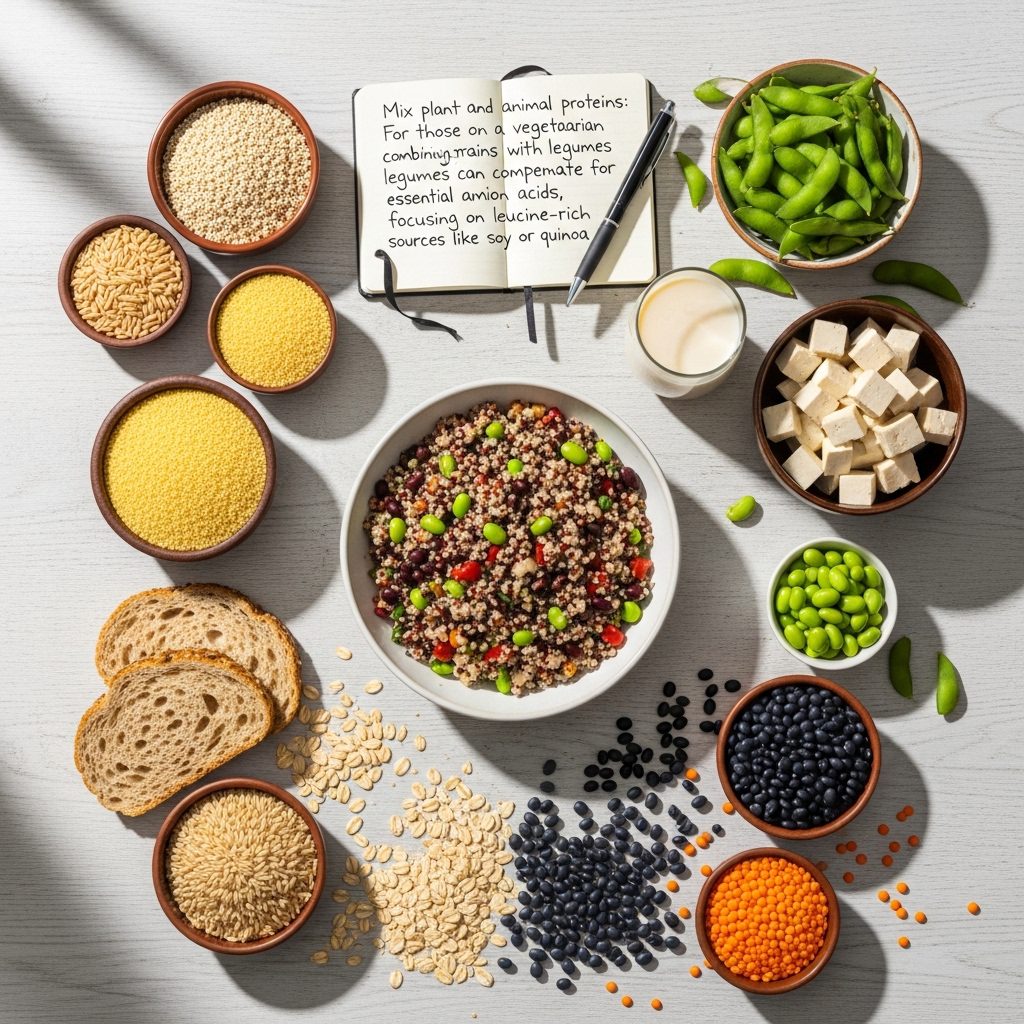
4. Mix plant and animal proteins:
For those on a vegetarian diet, combining grains with legumes can compensate for essential amino acids, focusing on leucine-rich sources like soy or quinoa.
Leucine and Physical Activity in Older Adults:
Even with leucine-rich protein intake, physical activity plays a crucial role in maintaining muscles. Resistance exercises, such as weight lifting, increase muscle sensitivity to protein, making leucine more effective at stimulating muscle building.

As we age, maintaining health is not just about nutrition or exercise alone, but combining protein quality, leucine content, and regular physical activity. Leucine acts as a key that stimulates muscles to build and regenerate, reducing muscle mass loss that may affect daily independence.
Paying attention to this simple point when choosing foods can make a significant difference. Older adults who prioritize muscle health find high-quality protein and leucine sources a powerful tool to support an active and healthy lifestyle.
For those interested in more details and scientific sources about protein quality and the importance of leucine, you can find additional information on our website Nutrition Travels.