
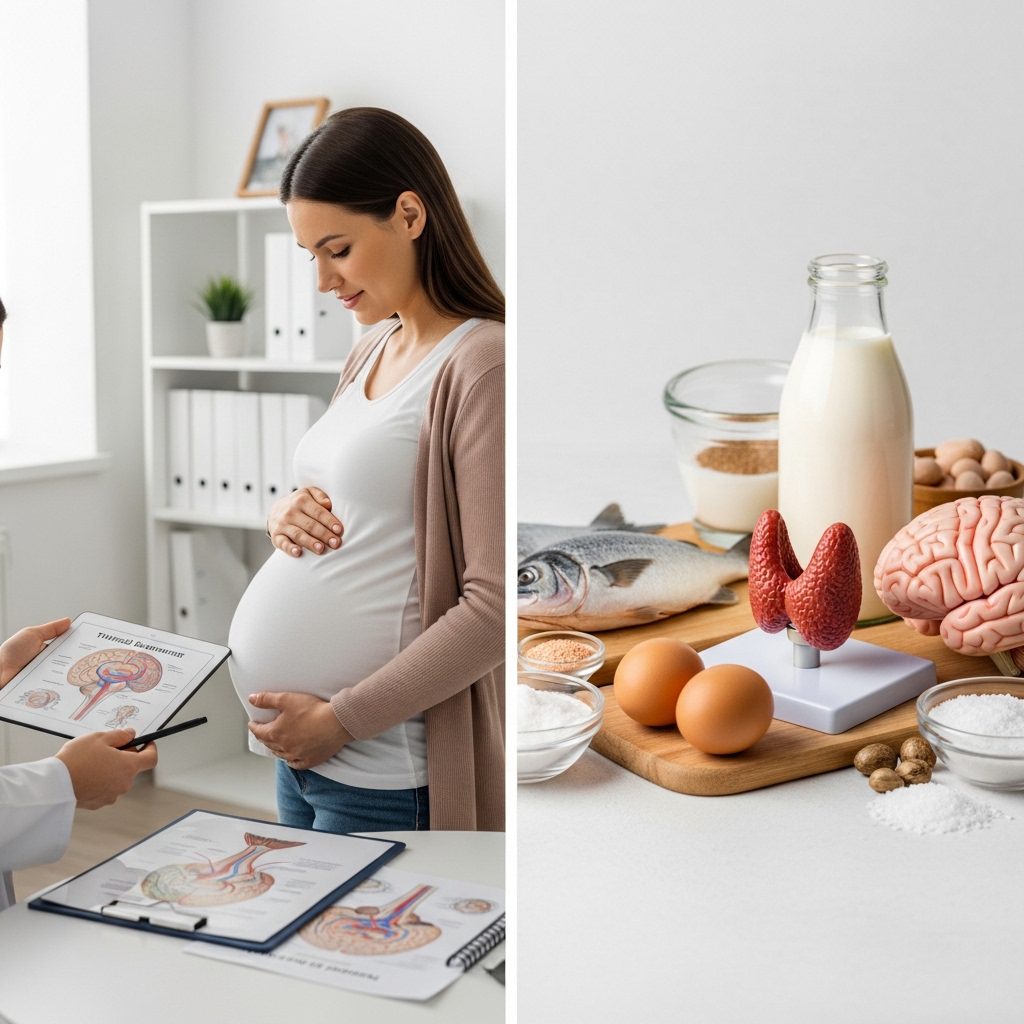
Understanding iodine requirements in pregnancy is essential for protecting both maternal health and fetal development. Iodine plays a central role in thyroid hormone production, which directly influences fetal brain growth, metabolism, and neurological maturation. Without adequate intake, the consequences can affect a child’s cognitive potential long after birth.
During pregnancy, the body undergoes profound hormonal changes. As a result, iodine needs increase significantly to support the growing fetus and maintain maternal thyroid balance. Therefore, meeting daily iodine requirements is not optional—it is a foundational component of prenatal nutrition.
Why Iodine Requirements in Pregnancy Increase:
Pregnancy raises iodine demands for several biological reasons. First, the mother must produce additional thyroid hormones to meet both her own metabolic needs and those of the developing fetus. Second, iodine is transferred directly to the fetus, especially in early pregnancy when the fetal thyroid gland is not yet functional.
Moreover, increased kidney filtration during pregnancy leads to greater iodine loss in urine. Consequently, even women with previously adequate intake may become deficient if their diet does not adjust accordingly.
Actionable tip: Pregnant women should aim for approximately 220–250 micrograms of iodine daily, depending on regional health guidelines.

The Role of Iodine in Fetal Brain Development:
Thyroid hormones regulate neuronal migration, myelination, and synapse formation in the developing brain. These processes are especially critical during the first trimester, when the fetal brain forms rapidly.
If iodine intake is insufficient, maternal thyroid hormone production may decline. As a result, the fetus may not receive adequate hormonal support for optimal brain development. Even mild iodine deficiency has been associated with lower IQ scores and subtle learning challenges later in childhood.
Actionable tip: Ensure consistent iodine intake early in pregnancy, rather than waiting until later trimesters.
Supporting Fetal Thyroid Development:
Around the second trimester, the fetal thyroid gland begins functioning independently. However, it still relies on maternal iodine supply to produce its own hormones.
Adequate iodine supports:
- Proper thyroid gland formation
- Balanced metabolic programming
- Healthy growth and organ development
In contrast, chronic deficiency may increase the risk of congenital hypothyroidism, growth delays, and impaired neurological outcomes.
Actionable tip: Discuss iodine levels with your healthcare provider during early prenatal visits to ensure adequate intake from the start.
Best Dietary Sources of Iodine:
Fortunately, iodine can be obtained through common dietary sources. However, intake varies widely depending on soil quality and regional food fortification practices.
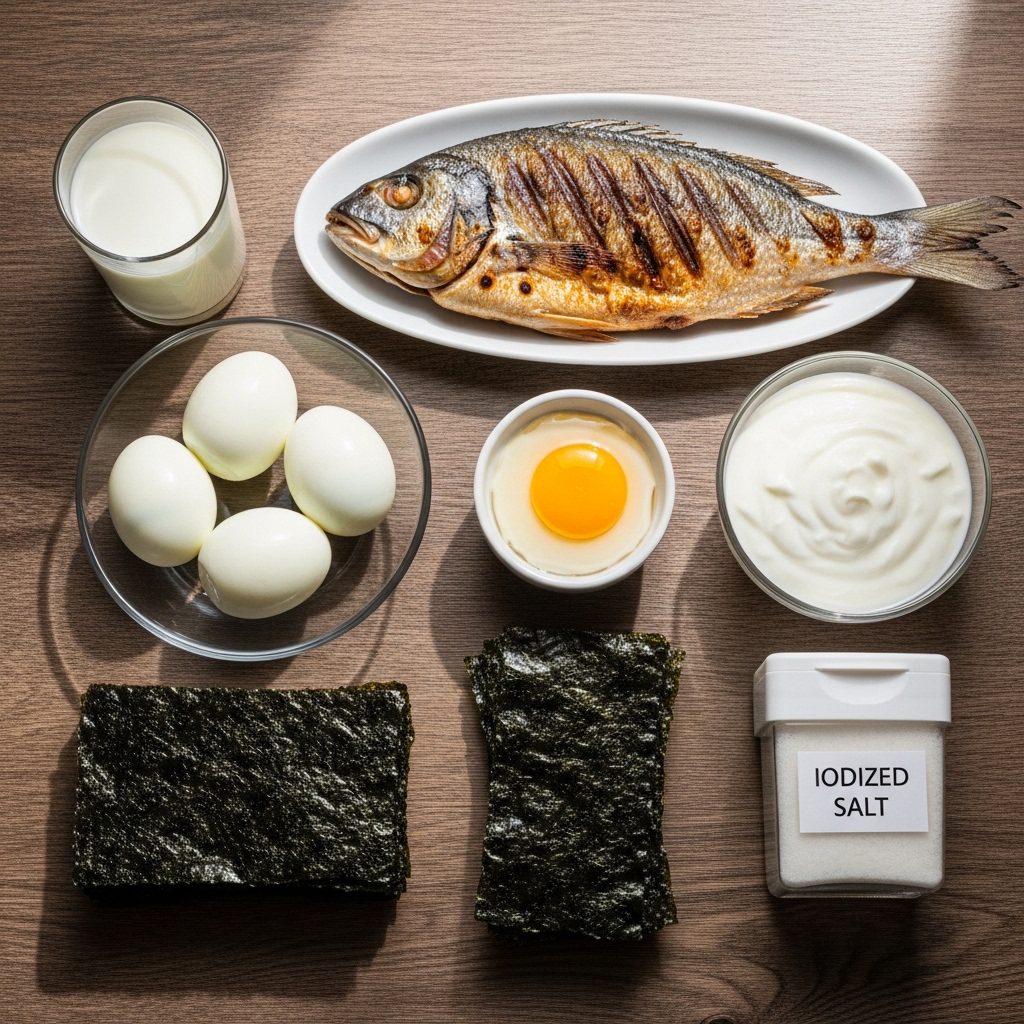
Key sources include:
- Iodized salt: One of the simplest and most reliable sources.
- Seafood: Fish, shrimp, and seaweed are naturally rich in iodine.
- Dairy products: Milk, yogurt, and cheese provide moderate amounts.
- Eggs: Contain iodine along with protein and choline.
Because many people reduce salt intake for cardiovascular health, iodine intake may unintentionally decline. Therefore, using iodized salt in moderate amounts is both safe and beneficial during pregnancy.
Actionable tip: Replace non-iodized gourmet salts with iodized salt for everyday cooking.

Should Pregnant Women Take Iodine Supplements?
In some cases, diet alone may not meet iodine requirements in pregnancy. Prenatal vitamins often contain iodine, but not all formulas include adequate amounts.
Supplementation may be recommended when:
- Dairy and seafood intake is low
- The diet excludes iodized salt
- Regional iodine deficiency is common
However, excessive iodine intake can also disrupt thyroid function. For this reason, supplementation should always be guided by a healthcare professional.
Actionable tip: Check your prenatal vitamin label to confirm it contains 150 micrograms of iodine, unless otherwise advised.

Risks of Iodine Deficiency:
Iodine deficiency during pregnancy can lead to serious complications. Mild deficiency may reduce cognitive performance in children, while severe deficiency increases the risk of miscarriage, stillbirth, and developmental disorders.
Additionally, maternal hypothyroidism caused by inadequate iodine can contribute to fatigue, depression, and weight gain. These symptoms may be mistaken for normal pregnancy changes, delaying intervention.
Early detection through thyroid screening can prevent long-term consequences.
Actionable tip: If you experience persistent fatigue or swelling, request thyroid function testing during prenatal care.
Avoiding Excess Iodine Intake:
Although deficiency is concerning, excessive iodine consumption can also harm thyroid balance. Very high intake may trigger hyperthyroidism or suppress fetal thyroid activity.
Seaweed, in particular, contains highly variable iodine levels. Therefore, large or frequent servings should be avoided unless medically recommended.
Moderation remains key to maintaining hormonal balance throughout pregnancy.
Actionable tip: Limit seaweed snacks and avoid multiple iodine-containing supplements simultaneously.

Lifestyle Factors That Support Thyroid Health:
Diet is foundational, yet lifestyle habits further influence thyroid function and nutrient absorption.
- Balanced nutrition: Adequate protein, selenium, and zinc support thyroid hormone conversion.
- Stress management: Chronic stress may disrupt endocrine balance. Gentle relaxation practices help regulate hormones.
- Regular prenatal care: Routine monitoring ensures early detection of thyroid irregularities.
- Adequate sleep: Sleep supports hormonal regulation and metabolic stability.
Additionally, maintaining consistent meal timing helps stabilize energy levels and support metabolic health during pregnancy.
Actionable tip: Combine iodine-rich foods with a nutrient-dense, varied diet to maximize thyroid support.
Sample Daily Meal Plan to Meet Iodine Needs:
A practical daily structure can make meeting iodine requirements easier:
1. Breakfast: Greek yogurt with berries and a boiled egg.
2. Mid-Morning Snack: Whole-grain toast lightly seasoned with iodized salt.
3. Lunch: Grilled salmon with brown rice and steamed vegetables.
4. Afternoon Snack: Cheese slices with nuts.
5. Dinner: Shrimp stir-fry with quinoa and mixed vegetables.
6. Evening: A glass of milk.
This balanced approach ensures iodine intake while supporting overall prenatal nutrition.

Long-Term Benefits of Adequate Iodine Intake:
Meeting iodine requirements in pregnancy offers lifelong advantages for the child. Optimal intake supports:
- Strong cognitive development
- Healthy thyroid regulation
- Balanced metabolism
- Improved academic and behavioral outcomes
Furthermore, maternal thyroid stability contributes to smoother pregnancy progression and reduced complications.
Small dietary adjustments today can significantly influence a child’s neurological potential tomorrow.
Iodine is a cornerstone nutrient for supporting fetal brain and thyroid development during pregnancy. Because iodine requirements in pregnancy increase substantially, proactive dietary planning becomes essential. Through balanced meals, appropriate supplementation when needed, and consistent prenatal monitoring, expecting mothers can protect both their own thyroid health and their baby’s cognitive future.
Prioritizing iodine intake is a simple yet powerful step toward a healthier pregnancy. For more evidence-based guidance, practical nutrition strategies, and supportive resources tailored for mothers, explore Nutrition Travels and continue your journey toward informed, confident prenatal wellness.