
Aging is a natural journey, but it comes with changes that quietly reshape how our bodies use and absorb nutrients. Among all nutrients, protein stands out as a true game-changer. For younger adults, it fuels growth and fitness—but for older adults, it becomes the key to staying strong, protecting bones, and holding on to independence. In this guide, we’ll uncover why protein matters more than ever with age, how much you really need, the best sources to count on, and simple, everyday tips to help you stay active, healthy, and vibrant.
But here’s the challenge: many older adults don’t get enough protein in their diets. In this article, we’ll explore why protein matters so much as we age, how much is needed, the best food sources, and practical tips for meeting daily requirements.

Why Protein Matters More with Age
1-Preventing Muscle Loss (Sarcopenia)
After the age of 50, adults naturally start to lose muscle mass in a process called sarcopenia. This can lead to weakness, balance issues, and a higher risk of falls. Protein helps slow this decline by providing the building blocks (amino acids) needed to preserve muscle.
2-Supporting Bone Health
Protein plays a key role in bone density. Combined with calcium and vitamin D, it helps reduce the risk of fractures and osteoporosis—a common concern among older adults.
3-Boosting Immune Function
The immune system weakens with age. Protein-rich foods support antibody production and repair tissues, keeping the body better equipped to fight infections.
4-Improving Recovery and Healing
Older adults often take longer to recover from illness, surgery, or injury. Adequate protein speeds up the healing process and supports overall recovery.
How Much Protein Do Older Adults Need?
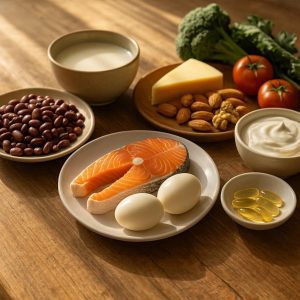
General guidelines suggest adults need 0.8 grams of protein per kilogram of body weight per day. However, research shows that older adults may benefit from 1.0–1.2 grams per kilogram to prevent muscle loss and maintain function.
Example: An older adult weighing 70 kg (154 lbs) may need around 70–84 grams of protein daily.
Protein intake should also be spread evenly across meals rather than eaten mostly at dinner. This ensures a steady supply of amino acids throughout the day.
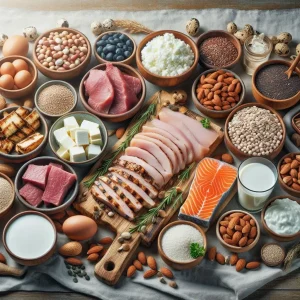
Best Sources of Protein for Older Adults
Animal-Based Options
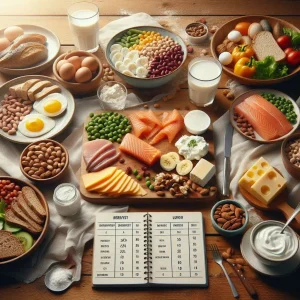
- Lean meats(chicken, turkey, lean beef)
- Fish(especially salmon, tuna, sardines for added omega-3s)
- Eggs(easy to prepare and versatile)
- Dairy(Greek yogurt, cottage cheese, milk)
Plant-Based Options
- Legumes(beans, lentils, chickpeas)
- Soy products(tofu, tempeh, edamame)
- Nuts and seeds(almonds, chia seeds, pumpkin seeds)
- Whole grains(quinoa, oats, brown rice)
Practical Tips for Meeting Protein Needs
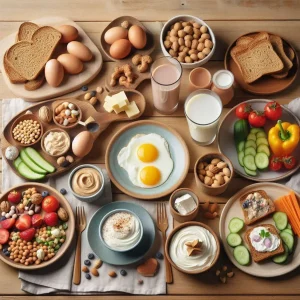
1-Start the day with protein
Instead of just toast or cereal, add eggs, yogurt, or nut butter to breakfast.
2-Add protein to snacks
Choose string cheese, hummus with veggies, or a handful of nuts instead of sugary snacks.
3-Use smaller, frequent meals
For older adults with reduced appetite, eating smaller meals more often can help meet protein needs.
4-Make smoothies
Blending fruit with milk, yogurt, or protein powder can be an easy, tasty way to increase intake.
5-Combine plant and animal proteins
Mix beans with rice, or pair lentils with chicken for balanced meals.
Barriers to Getting Enough Protein
Some older adults struggle with protein intake because of:
- Reduced appetite
- Dental problems making it harder to chew meats
- Fixed income limiting access to high-quality protein sources
- Lack of knowledge about protein-rich options
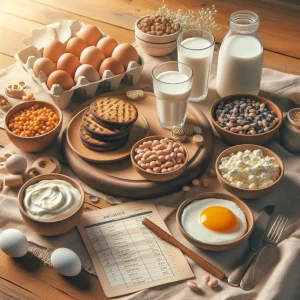
Solutions include softer protein-rich foods (scrambled eggs, yogurt), affordable plant-based proteins (beans, lentils), and planning meals around protein first.
The Role of Exercise
Protein works best when combined with strength and resistance training. Even light weightlifting or resistance band exercises help stimulate muscle protein synthesis, making protein intake more effective for maintaining muscle mass and function.
Protein is more than a nutrient—it’s the foundation of healthy aging. By making it a daily priority, older adults can protect their muscles, strengthen bones, speed up recovery, and enjoy life with greater energy and independence.
The good news? It doesn’t take big changes to see big results. A boiled egg at breakfast, a handful of nuts instead of a cookie, or a protein smoothie in the evening can completely transform the way your body feels and functions.
At Nutrition Travels, we believe every stage of life deserves vitality. That’s why we bring you practical strategies, delicious meal ideas, and expert insights to help you age with strength, confidence, and joy.