

The Battle of the Most Debated Diets. If you’re thinking about starting a weight loss journey, you’ve probably stumbled upon the age-old question: Should I go for a low-carb diet or a low-fat diet?
This debate isn’t new, but it’s still one of the hottest topics in nutrition. Some people swear that cutting carbs is the ultimate fat-burning secret, while others believe reducing dietary fat is the key to shedding pounds. But which one truly works better?
In this article, we’ll break it down with science-backed facts and practical insights—so you can choose the diet that fits your lifestyle best.
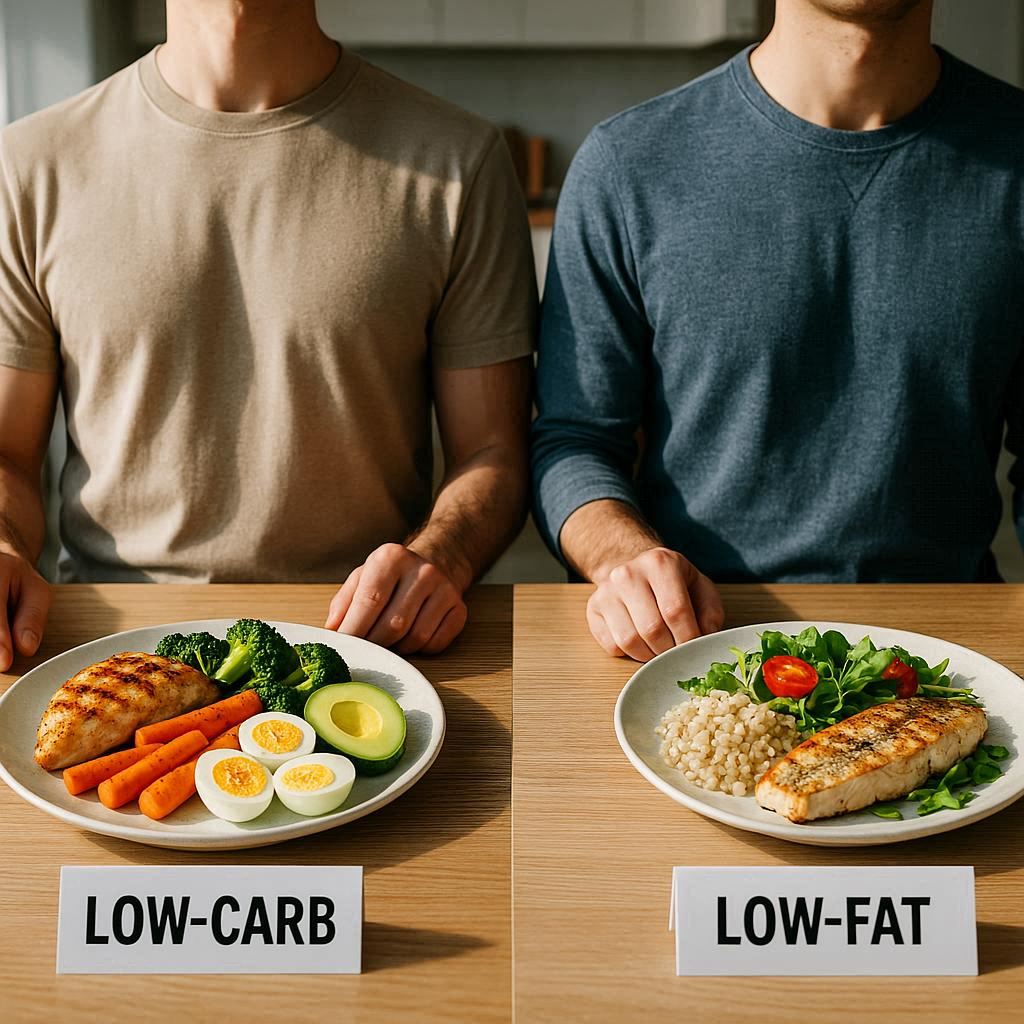
What is a Low-Carb Diet?
A low-carb diet simply means reducing your daily intake of carbohydrates like bread, rice, pasta, potatoes, and sweets.
The idea is that instead of relying on carbs for energy, your body shifts to burning stored fat, sometimes entering a state called ketosis (when carbs are drastically reduced).
Benefits of Low-Carb:
- Longer satiety: Protein and fat help keep you full for longer.
- Lower blood sugar levels: Especially beneficial for people with insulin resistance or type 2 diabetes.
- Faster fat burning: Your body adapts to using fat instead of carbs.
Drawbacks of Low-Carb:
- Initial side effects like fatigue or headaches when carb intake drops.
- Hard to maintain if you love bread, pasta, or rice.
- Can reduce performance in high-intensity workouts.
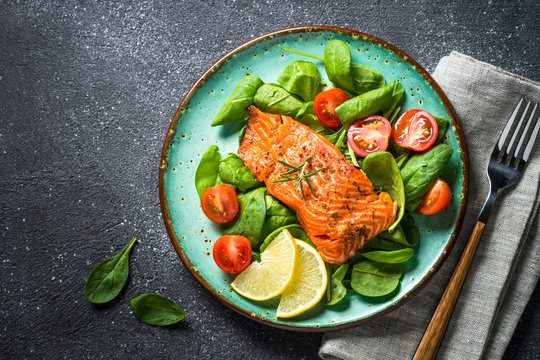
What is a Low-Fat Diet?
A low-fat diet focuses on reducing daily fat intake, especially saturated fats and fried foods. Instead, it emphasizes healthy carbs like whole grains, vegetables, and fruits, with limited fats.
Benefits of Low-Fat:
- Easy to follow: Many food products are already labeled “low-fat.”
- Heart-friendly: Cutting down on saturated fats helps protect your arteries.
- Lower calories: Fat provides 9 calories per gram, compared to 4 calories per gram in carbs or protein.
Drawbacks of Low-Fat:
- May leave you feeling hungrier faster.
- Some “low-fat” products are packed with added sugar.
- Not ideal for people who need to control blood sugar.
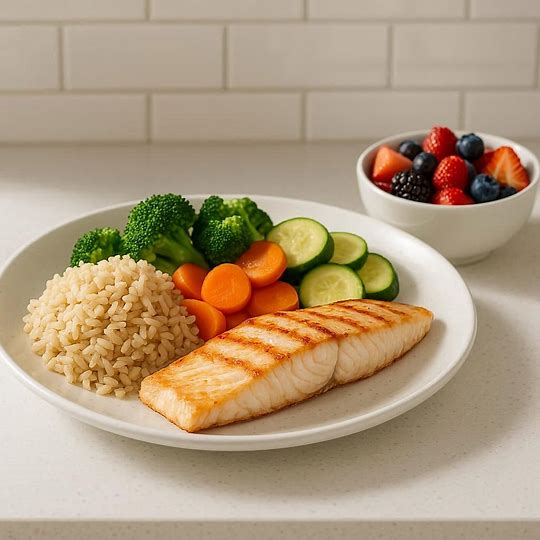
Low-Carb vs. Low-Fat: Which is Better for Weight Loss?
Here’s the million-dollar question: Who wins this diet battle?
Scientific studies show that:
In the first 6 months:
Low-carb followers tend to lose weight faster because the body sheds water stored with carbs.
After 12 months or more:
The difference between the two diets is minimal. Success depends more on consistency than on the type of diet.
In other words: There’s no absolute winner. Every body responds differently.
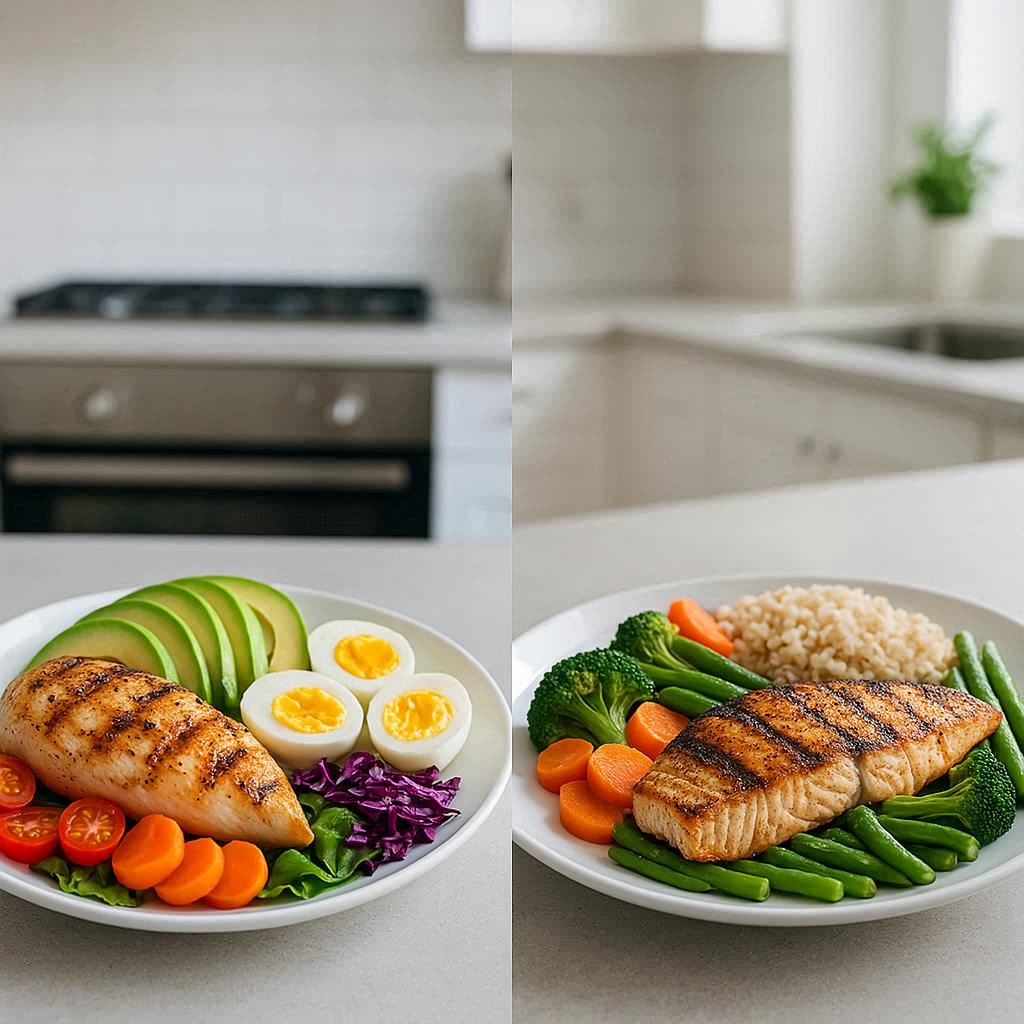
How to Choose the Right Diet for You
Before committing to either diet, consider these factors:
-
Your lifestyle
- Love bread and pasta? Low-carb will feel like torture.
- Prefer cheese, meats, and nuts? Low-fat may be harder to stick to.
-
Your health condition
- People with diabetes often do better on low-carb.
- Those with heart issues may benefit more from low-fat.
-
Your ability to stay consistent
The best diet is the one you can stick to long-term. Consistency is the true secret to sustainable weight loss.

Golden Tips for Success (No Matter the Diet)
- Focus on whole, nutritious foods—not just calorie counting.
- Stay hydrated throughout the day.
- Exercise regularly, even light activities like walking.
- Stay flexible: Adjust the diet to your needs instead of following it too strictly.
- Consult a nutritionist before making any drastic changes.

So, Who’s the Real Winner?
The truth is—the winner is YOU, not the diet.
Whether you choose low-carb or low-fat, what really matters is your ability to stick with it and find a balance that works for your lifestyle. Remember, your ultimate goal isn’t just to lose weight—it’s to improve your health and enjoy food without extreme restrictions.
Now it’s your turn: Try one of the diets for a few weeks, track your weight, energy levels, and mood—and then decide which works best for you.
And don’t forget to check out Nutrition Travels for practical tips, healthy recipes, and real-life success stories to inspire your journey toward your ideal weight.