
Plant Protein for Strength has become increasingly popular as more athletes look for sustainable and effective ways to build muscle. With the rise in health awareness and the shift toward plant-based eating habits, many are discovering that plant protein for strength can effectively support muscle growth and enhance physical performance when consumed in adequate amounts and from diverse sources.
In this article, we will explore the most important plant-based protein sources for strength, explain how to use them, their benefits, and the best ways to incorporate them into your diet.

Can Vegetarians Build Strong Muscles?
Muscle building relies on three key pillars:
- Consuming enough protein daily (typically between 1.6 to 2.2 grams per kilogram of body weight).
- Regular resistance or weight training.
- Adequate rest and sleep for muscle recovery and growth.
When these conditions are met, plant-based athletes can achieve the same muscle-building results as those who consume animal protein.
The key is to diversify plant-based protein sources to ensure the intake of all essential amino acids the body needs.

Top Plant-Based Protein Sources for Strength Training:
If you’re looking for reliable plant-based protein sources, here are some of the best options:
1. Artichokes: Provide about 3.5 grams of protein per serving and are rich in iron and dietary fiber.
2. Peas: One cup contains around 8 grams of plant-based protein.
3. Spinach: Contains about 1 gram of protein per cup, in addition to iron, calcium, magnesium, manganese, folate, and potassium.
4. Soybeans: A high-protein source offering up to 18 grams per cup.
5. Cauliflower: Low in calories but contains about 2 grams of protein per cup, making it supportive for lean muscle building.
6. Broccoli: One cup provides about 2.6 grams of protein, and is also rich in iron, folic acid, vitamins C and K, phosphorus, and manganese.
7. Legumes: Especially lentils, with 18 grams of protein per cooked cup, along with chickpeas and various types of beans.
8. Nuts: Such as almonds, walnuts, and nut butters like peanut butter and pistachio butter, which provide healthy protein and fats.
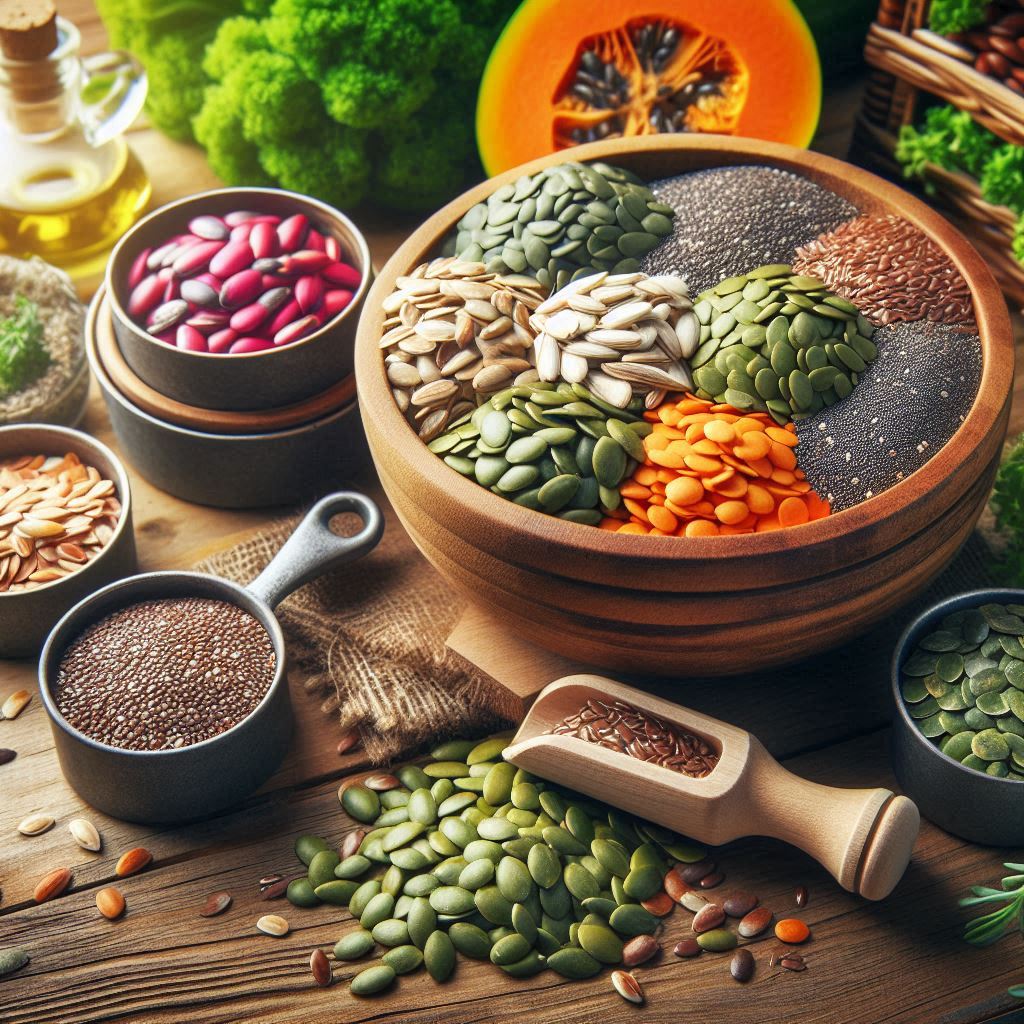
9. Seeds: Including pumpkin seeds, chia seeds, hemp seeds, and oats, all of which offer strong plant-based protein content.
How to Obtain a Complete Plant-Based Protein:
Some plant-based proteins lack certain essential amino acids, but this does not reduce their value.
The solution is simply to combine different plant-based protein sources throughout the day to create a complete and balanced amino acid profile supportive of muscle growth and recovery.
Examples:
- Rice and lentils together form a complete protein.
- Chickpeas paired with whole wheat bread also provide a complete protein.
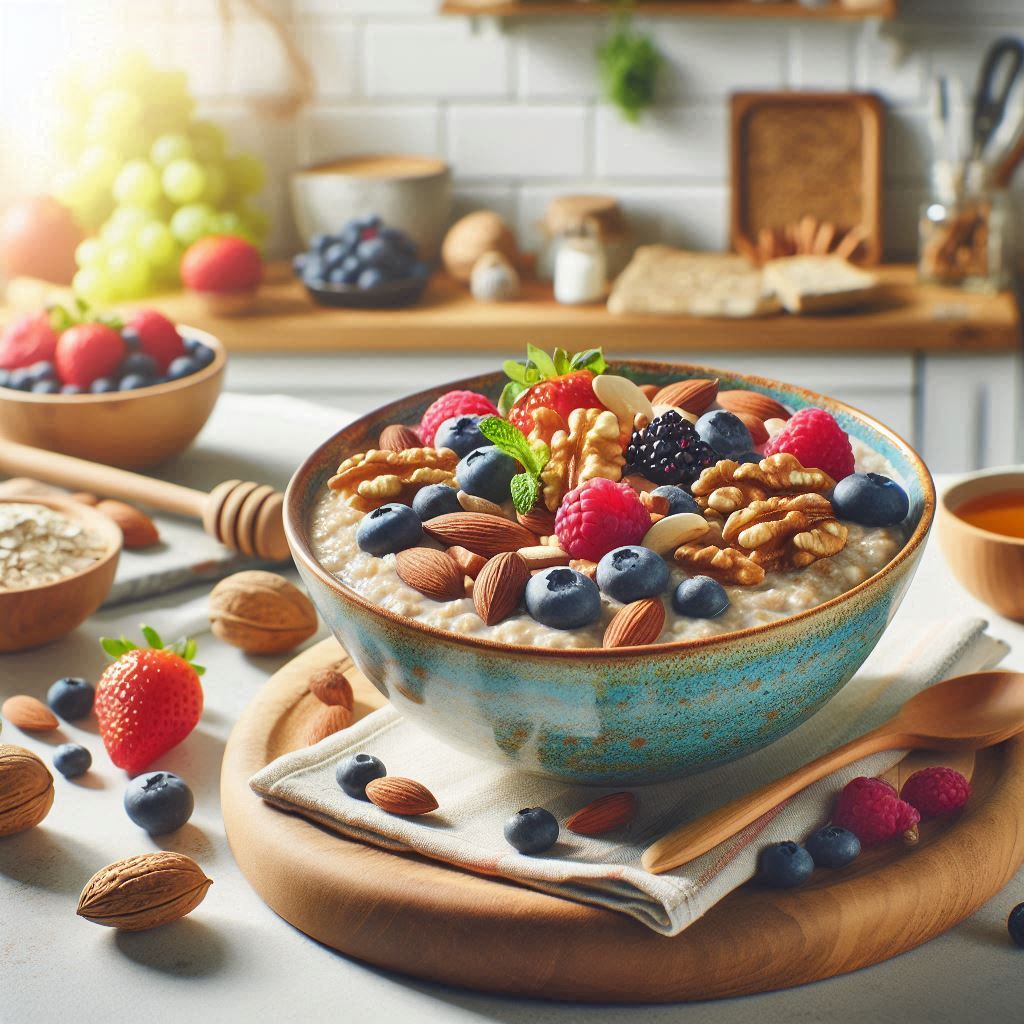
- Oats combined with nuts like almonds or walnuts enhance the protein quality of the meal.
Sample Daily Meal Plan for a Strength-Training Vegan:
| Meal | Example | Approx. Protein |
| Breakfast | Oats + pea protein + banana + chia seeds | 25g |
| Snack | Nuts + apple | 7g |
| Lunch | Brown rice + lentils + chickpea salad | 30g |
| Pre-workout | Banana + 10 almonds | 5g |
| Post-workout | Plant-based protein shake | 25g |
| Dinner | Grilled tofu + vegetables + quinoa | 28g |
Tips for Successfully Building Muscle on a Plant-Based Diet:
1. Diversify protein sources throughout the day.
2. Use plant-based protein supplements if needed.
3. Do not neglect iron and Vitamin B12 (supplements may be necessary).
4. Increase total calorie intake if your goal is muscle gain.
5. Maintain progressive and consistent strength training.

A plant-based diet is not a barrier to building strength or gaining muscle.
In fact, it can be a healthier, more sustainable, and nutrient-rich approach when followed correctly.
The key is wise selection and distribution of plant protein sources, combined with a structured strength training program.
With the right nutritional strategy, plant-based athletes can achieve strong muscle development and high athletic performance equal to—or even exceeding—those who rely on animal protein.
And because many people need clear guidance and a structured approach, we at Nutrition Travels provide reliable information, practical advice, meal ideas, and nutritional plans designed to help you achieve your health goals in a scientific and sustainable way.