
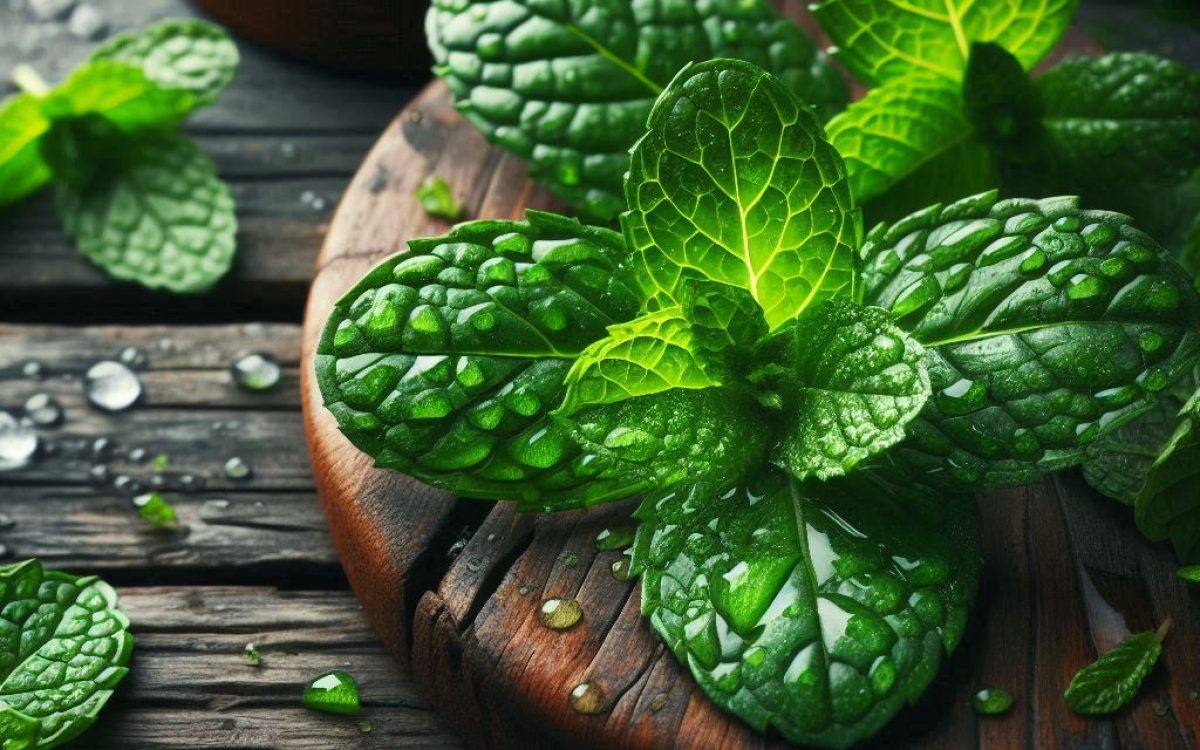
In the world of modern nutrition, mint isn’t just a fragrant herb used to enhance the flavor of foods and drinks—it’s a nutrient-dense powerhouse with impressive health benefits. While many recognize its refreshing taste, few are aware of its rich nutritional profile and its powerful ability to aid digestion, strengthen immunity, and support overall wellness.
Nutritional Value of Mint:
Rich in active compounds, vitamins, and minerals that make it a nutritional gem:
- Vitamin A: Supports vision and strengthens immune defenses.
- Vitamin C: A potent antioxidant that helps the body fight infections.
- Folic Acid (Vitamin B9): Vital for cell regeneration and growth.
- Minerals like Potassium, Magnesium, and Calcium: Crucial for heart rhythm, muscle function, and bone strength.
- Dietary Fiber: Improves digestive health and reduces bloating.
- Antioxidants: Menthol and rosmarinic acid contribute to its calming, antimicrobial, and anti-inflammatory properties.
Health and Nutritional Benefits:
Mint’s benefits go far beyond its refreshing taste. Here’s how it supports the body and mind:
-
Aids Digestion Naturally:
Helps relieve indigestion, gas, and bloating by relaxing the muscles of the digestive tract. It’s especially effective for managing symptoms of IBS due to its antispasmodic effects.
- Enhances Breathing & Oral Freshness
The menthol in mint opens up the airways and provides relief from congestion. It also combats bad breath, thanks to its antibacterial nature.
- Strengthens the Immune System
Loaded with Vitamin C and antioxidants, mint boosts immune defenses and helps the body resist inflammation and infection..
-
Anti-Inflammatory Properties
When applied topically, mint oil can reduce muscle soreness, ease joint pain, and soothe skin irritations like bug bites.
-
Supports Mental Clarity and Stress Relief
Its fresh aroma has mood-lifting effects, reduces anxiety, and improves focus. It’s also used in aromatherapy to enhance sleep quality.
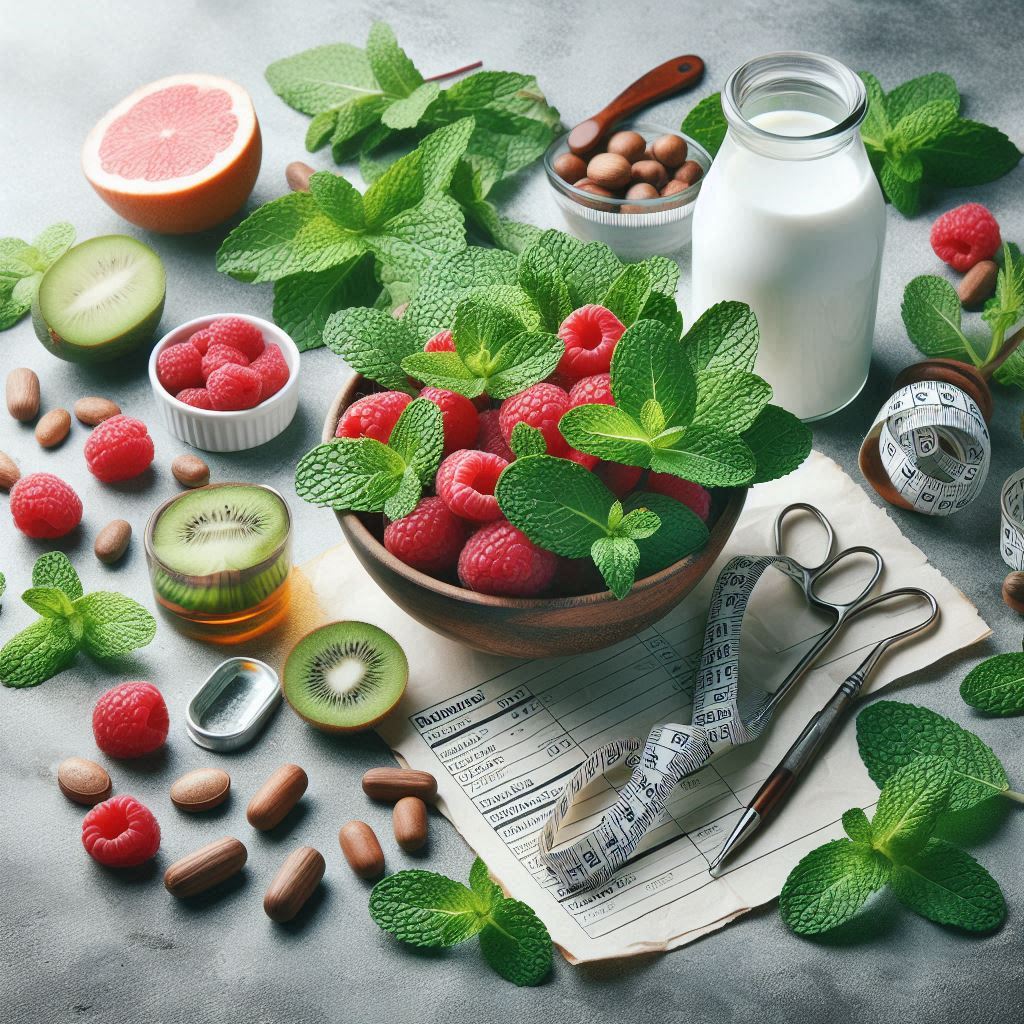
- Assists in Weight Management
It can help curb appetite, ease water retention, and support smoother digestion—making it a helpful companion in a balanced weight-loss routine.
How to Use Mint in Your Daily Diet:
There are countless delicious ways to include mint in your daily routine:
1- Beverages:
Add fresh mint leaves to green tea, herbal infusions, detox water, or fresh juices for a crisp, cooling effect.
2- Meals:
Enhance salads, soups, and marinades. It’s a key ingredient in Middle Eastern favorites like tabbouleh and falafel.
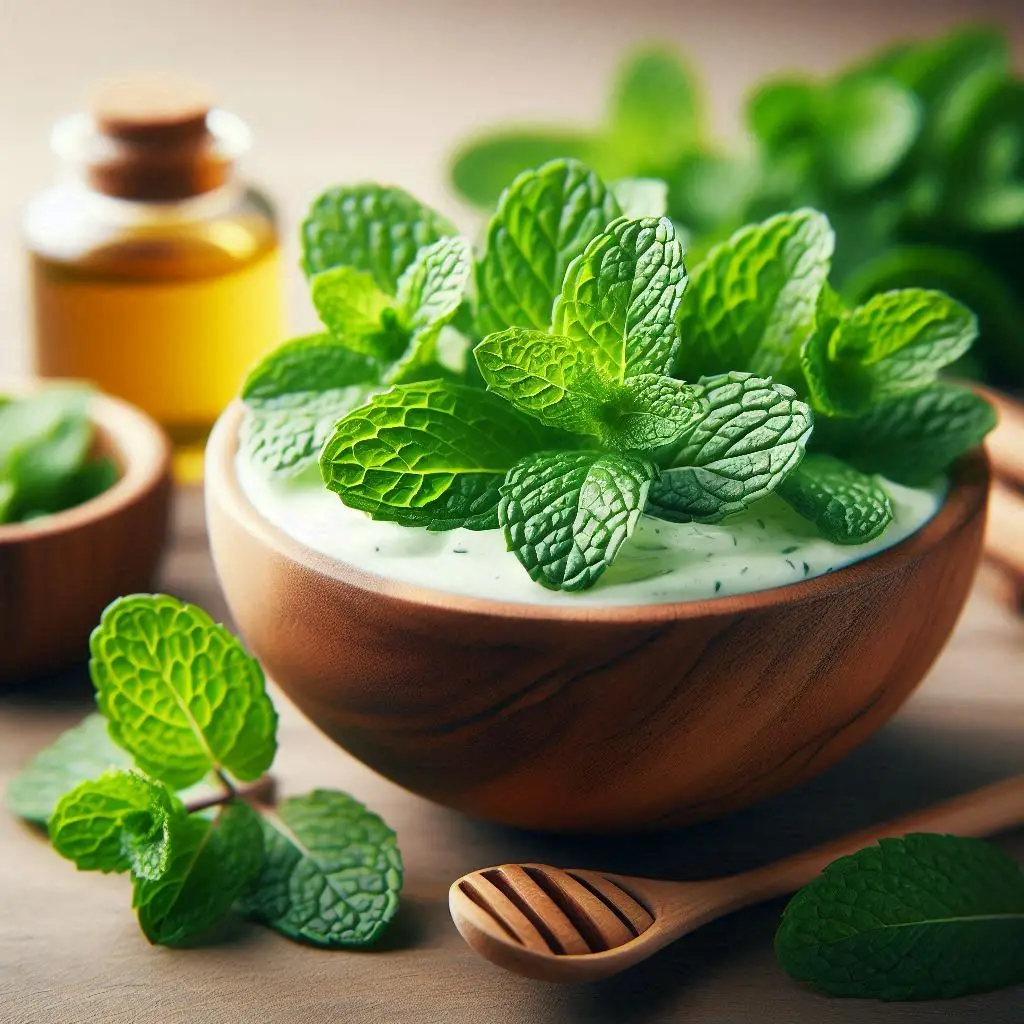
3- In Desserts:
Mix chopped mint into yogurt, use it in ice cream, or pair it with dark chocolate for a refreshing flavor twist.
Optimal Ways to Use:
1- Choosing the Right Form of Mint:
-
- Fresh mint: Best for raw dishes and teas; it offers the strongest flavor and highest oil content.
- Dried mint: Ideal for cooking and long-simmering dishes where fresh mint isn’t practical.
2- Peppermint Oil:
-
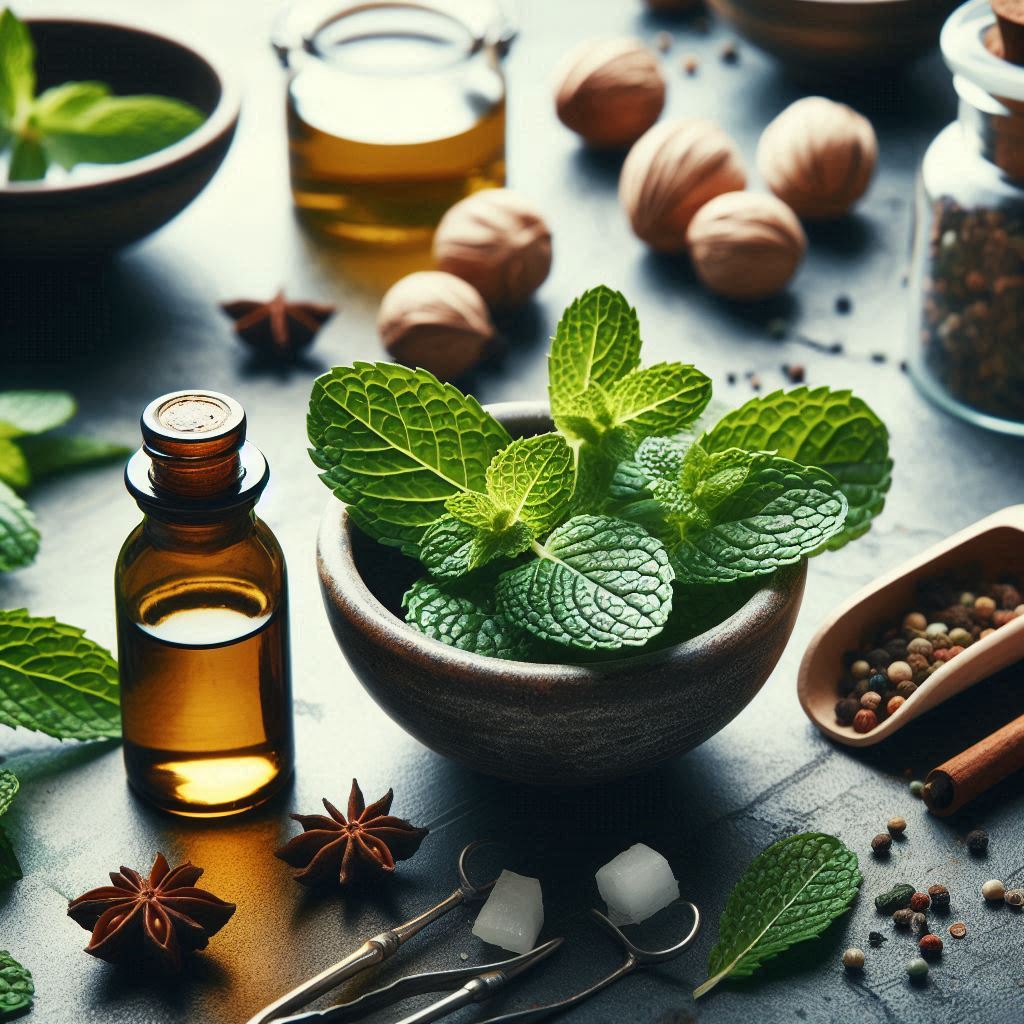
- Can be used for nausea, tension relief, and increasing mental alertness. Apply topically or use in aromatherapy—consult a doctor before ingesting.
3- Mint Tea:
-
- A time-tested digestive tonic. Drink after meals to ease bloating, relieve stomach cramps, and promote relaxation.
Warnings and Precautions:
Despite its many benefits, it should be used wisely:
- While it is safe for most people, high doses of peppermint oil may trigger acid reflux or heartburn in sensitive individuals.
- Pregnant or breastfeeding women, and children under 6, should consult a healthcare professional before using in large amounts or concentrated form.
- If you have gallbladder issues or chronic acid reflux, avoid excessive intake.
Mint in Traditional Medicine Practices:
- Ayurveda (India): Mint is used to balance digestive fire (Agni), relieve headaches, and cool the body.
- Traditional Chinese Medicine (TCM): Known to clear heat, calm nerves, and promote smoother energy (Qi) flow.
- Arabic Herbal Medicine: Mint tea is a staple for soothing digestive discomfort and improving respiratory function.
Growing Mint at Home:
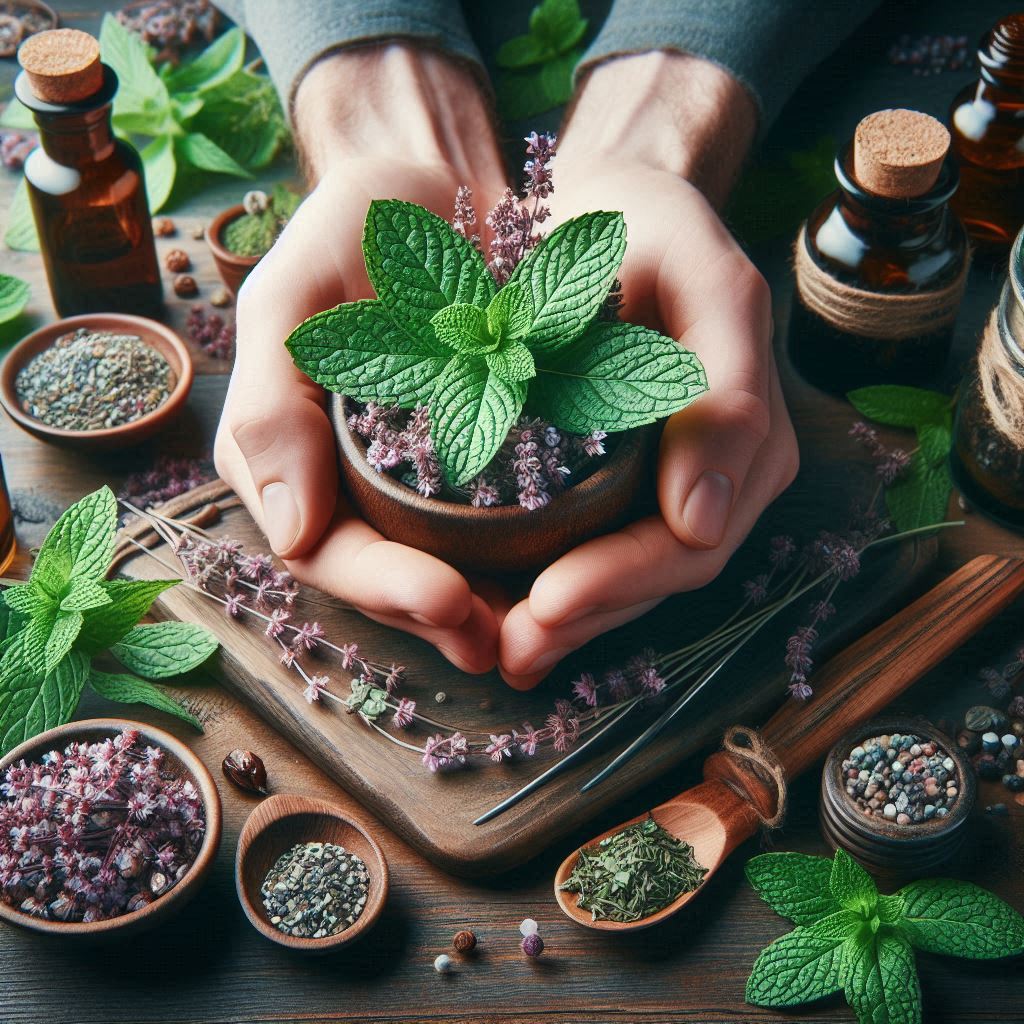
Mint is one of the easiest herbs to cultivate at home—whether on a balcony, windowsill, or garden.
- It prefers partial sunlight and moist, well-drained soil.
- Grows quickly and spreads fast, so planting it in containers is recommended.
- Use freshly picked leaves in teas, meals, or desserts for optimal flavor and benefits.
Mint is much more than a decorative herb or a refreshing flavor—it’s a nutritional and therapeutic powerhouse that supports digestion, strengthens immunity, boosts energy, and calms the mind. By making mint a regular part of your daily routine, you’re choosing wellness in its simplest form.
At Nutrition Travels, we help you discover the healing secrets of everyday foods. From trusted nutritional advice to global wellness insights, let us guide you toward a healthier, more balanced life—one leaf at a time.