
Do you sometimes feel like you are perpetually stressed? Or that your body cannot relax even during rest periods? The reason might be the hormone Cortisol — known as the “stress hormone.”,The pleasant surprise, however, is that controlling it doesn’t depend only on sleep or mental rest; food can be your secret weapon in naturally lowering cortisol levels.
In this article, we will discuss the best foods that help lower cortisol levels, and why smart nutrition plays a key role in restoring your physical and psychological balance.
What is Cortisol and Why Should We Lower It?
Cortisol is a hormone secreted by the adrenal gland in response to stress. It helps the body cope with nervous pressure, but when continuously elevated, it causes:
- Weight gain, especially in the abdominal area.
- Weakened immunity.
- Sleep disturbances.
- A feeling of constant exhaustion.
Therefore, the goal is not to eliminate cortisol entirely, but to lower cortisol levels to the normal range so the body operates in perfect balance.

Leafy Vegetables: to lowering cortisol levels
Spinach, kale, and arugula are considered among the best foods that help lower cortisol levels.
- They contain magnesium, an essential mineral that helps calm nerves and reduce cortisol secretion.
- They help regulate blood pressure and improve sleep quality.
Tip: Add a plate of spinach or green salad to your daily meal to naturally support your body against stress.
Dark Chocolate: The Pleasure That Soothes Your Nerves
It may sound strange, but dark chocolate, thanks to its antioxidant and flavonoid content, helps lower cortisol levels and improve mood.
- It reduces stress hormones and stimulates the secretion of serotonin, the “happiness hormone.”
- Two small squares daily of chocolate containing 70% cocoa or more are sufficient.
This way, you can enjoy the sweetness without the guilt!

Berries and Antioxidant-Rich Fruits to lowering cortisol levels
Berries, cherries, and pomegranates are potent foods affecting the nervous system.
- They contain polyphenols that reduce inflammation and help lower cortisol.
- They protect brain cells from the negative effects of chronic stress.
These fruits are a smart choice as a snack or as additions to yogurt or oatmeal.
Avocado: Healthy Fats That Reduce Stress
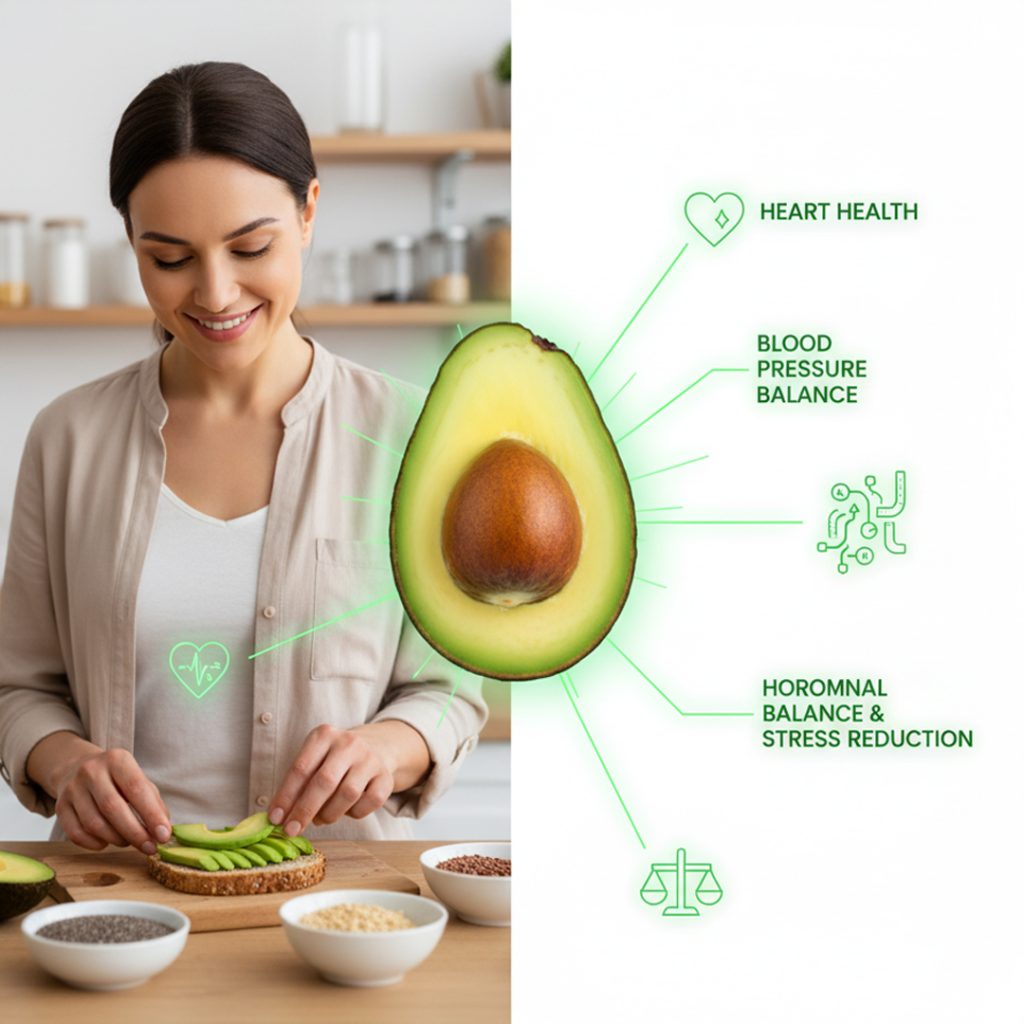
Avocado is a rich source of Omega-3 fats and potassium, making it one of the foods that help lower cortisol levels naturally.
- It promotes heart health and balances blood pressure.
- It helps the body produce hormones, including cortisol, in a balanced manner.
You can add it to salad or eat it with brown bread as a nutritious snack.
Coffee and Green Tea… in Moderation
Coffee can raise cortisol if consumed excessively, but when consumed in moderation in the morning, it can aid focus and improve mood.
Green tea, on the other hand, contains “L-theanine,” which helps relaxation and lowering cortisol levels without causing drowsiness.
The secret is in balance — too much strains the body, while moderation achieves the benefit.
Fatty Fish: Hormonal Support from the Sea
Salmon, sardines, and tuna are among the most important sources of Omega-3, which studies have proven to reduce inflammation and lower cortisol.
- They help stabilize mood and reduce feelings of tension.
- They enhance brain efficiency and reduce sleep disturbances associated with anxiety.
It is recommended to consume fatty fish two to three times a week for the full benefit.

Banana: A Snack That Calms the Nerves
Banana contains a wonderful mix of Vitamin B6 and magnesium, making it one of the foods that help lower cortisol levels and improve energy.
- It aids the production of dopamine and serotonin, which improve mood.
- Ideal before exercise or as a quick snack between meals.
Oatmeal: A Stress-Reducing Start to the Day
Oatmeal is not only filling but also an excellent way to regulate hormones.
- It contains complex carbohydrates that support serotonin production.
- It reduces sugar cravings resulting from stress.
Start your day with a bowl of oatmeal with fruits and nuts, and you will notice an improvement in your focus and mood throughout the day.

Yogurt and Probiotics: Comfort That Starts in the Gut
Gut health plays a significant role in hormone balance. Yogurt rich in probiotics helps lower cortisol levels by supporting good bacteria.
- It improves digestion and reduces inflammation.
- It enhances the production of neurotransmitters that reduce anxiety.
Choose unsweetened types for the best benefit without increasing sugar.
Sweet Potatoes: to lowering cortisol levels
Sweet potatoes are not only delicious but also among the foods that help lower cortisol levels thanks to their complex carbohydrate content.
- They supply the body with energy without a sudden sugar spike.
- They balance stress hormones and improve mood.
- They are rich in Vitamin C, which reduces inflammation resulting from nervous pressure.
They can be eaten baked or boiled as a nutritious snack that satisfies your sweet craving without harm.

Raw Nuts: Calm Fuel for the Mind
Almonds, walnuts, and cashews are among the foods richest in magnesium and healthy fats.
- They help stabilize blood sugar levels, thereby lowering cortisol levels.
- They provide stable energy and improve brain functions.
- They contain antioxidants that reduce inflammation.
Be sure to eat a small handful of raw, unsalted nuts daily as part of your balanced diet.
Calming Herbs to lowering cortisol levels: Drinks That Naturally Reduce Stress
Herbal drinks like chamomile, lavender, and mint have a strong effect on calming the nervous system.
- They aid good sleep, which is a key factor in lowering cortisol levels.
- They reduce heart rate and enhance the feeling of relaxation.
Make a cup of herbal tea part of your night routine instead of stimulating drinks.
Garlic: A Natural Fighter Against Stress
It may seem simple, but it is one of the most effective foods that help lower cortisol levels.
- It contains sulfur compounds that support immunity and regulate hormones.
- It lowers blood pressure and improves blood circulation.
Use it fresh in cooking or add it to cooked meals to enhance flavor and benefit at the same time.
Lifestyle and Its Role in lowering cortisol levels
Even with consuming the foods that help lower cortisol levels, there are daily habits that enhance the effect of nutrition:
- Good Sleep: 7–8 hours a night automatically lowers cortisol.
- Practicing Meditation or Yoga: Calms the nerves and improves body awareness.
- Regular Walking: Promotes the production of happiness hormones like endorphins.
- Reducing Added Sugar and Excessive Caffeine: Because they cause a sudden rise in cortisol.

The balance between nutrition and daily routine is the key to success in controlling stress.
Make Your Food Your Path to Psychological Comfort
Lowering cortisol levels does not require complex medications; it starts with your daily plate.
From spinach and berries to nuts and dark chocolate — every smart choice brings you one step closer to balance and inner calm.
Start with a simple change, such as replacing a heavy meal with a dish rich in calming nutrients, and you will be amazed by the difference in your energy and mood.
If you would like to know more about foods that balance hormones, reduce stress, and support your psychological health, visit our website nutritiontravels and start your journey to discover the world of conscious nutrition with simple steps and practical information.