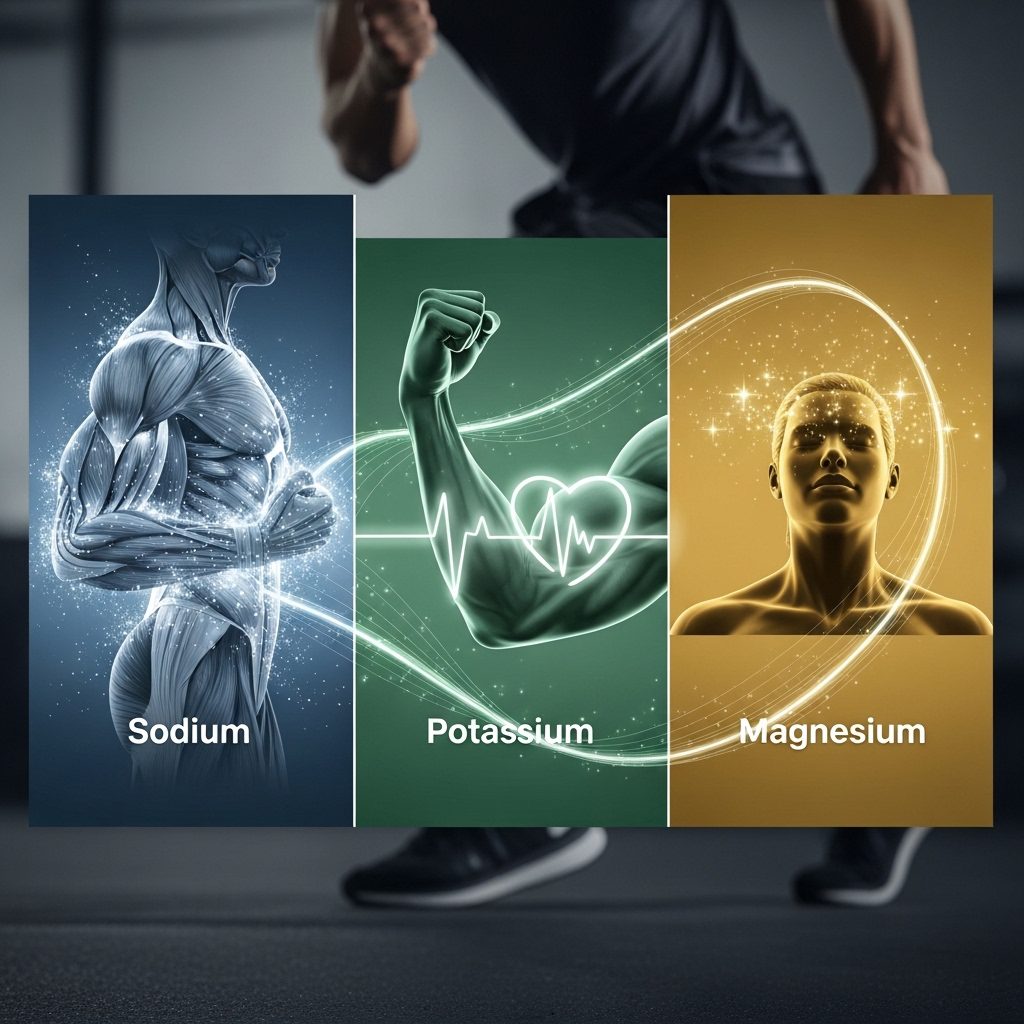
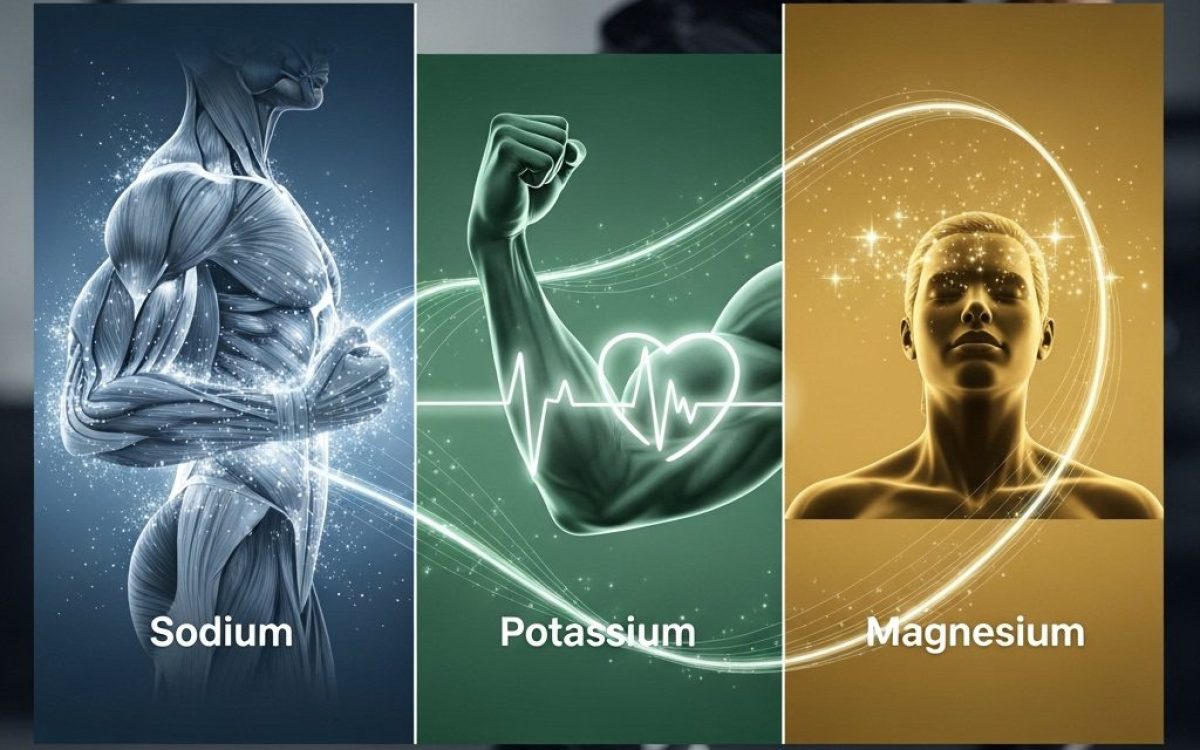
Have you ever felt sudden fatigue during a workout? Or experienced muscle cramps even though you’ve eaten enough? In many cases, the issue isn’t a lack of calories—it’s a subtle imbalance in electrolytes that affects overall performance, Electrolyte Balance for Optimal Performance are far more than simple salts in the body. They are essential regulators that control muscle movement, heart rhythm, nerve signaling, and cellular hydration. When properly balanced, your body functions smoothly and efficiently. When disrupted, symptoms can appear quickly.
In this article, we’ll explore—step by step—how sodium, potassium, and magnesium work together to support electrolyte balance for optimal performance, and why maintaining that balance is fundamental for anyone focused on health, physical performance, or mental clarity.
Electrolyte Balance for Optimal Performance: What Are Electrolytes?
Electrolytes are minerals that carry an electric charge when dissolved in body fluids such as blood and sweat. The key electrolytes include:
-
- Sodium
- Potassium
- Magnesium
- Calcium
- Chloride
Today, we’ll focus on the three most critical for maintaining performance-related balance: sodium, potassium, and magnesium.
Electrolyte Balance for Optimal Performance: Sodium The Primary Fluid Regulator:
Why Do We Need Sodium?
Sodium plays a central role in regulating fluid balance outside the cells. Think of it as your body’s fluid pressure manager.
During sweating—especially in hot weather or intense exercise—sodium is lost rapidly. Without proper replacement, this may lead to:
-
- Headaches
- Dizziness
- Muscle cramps
- Reduced physical performance
For athletes and those living in warm climates, adequate sodium intake is key to sustaining electrolyte balance and performance.
Is Sodium Harmful?
Balance is everything. Excessive sodium intake is associated with high blood pressure, but severe deficiency—particularly during prolonged physical activity—can be equally problematic.
Potassium: Sodium’s Smart Partner
If sodium manages fluids outside the cells, potassium works inside them.
What Does Potassium Do?
-
- Supports muscle contractions
- Regulates heart rhythm
- Facilitates nerve signal transmission
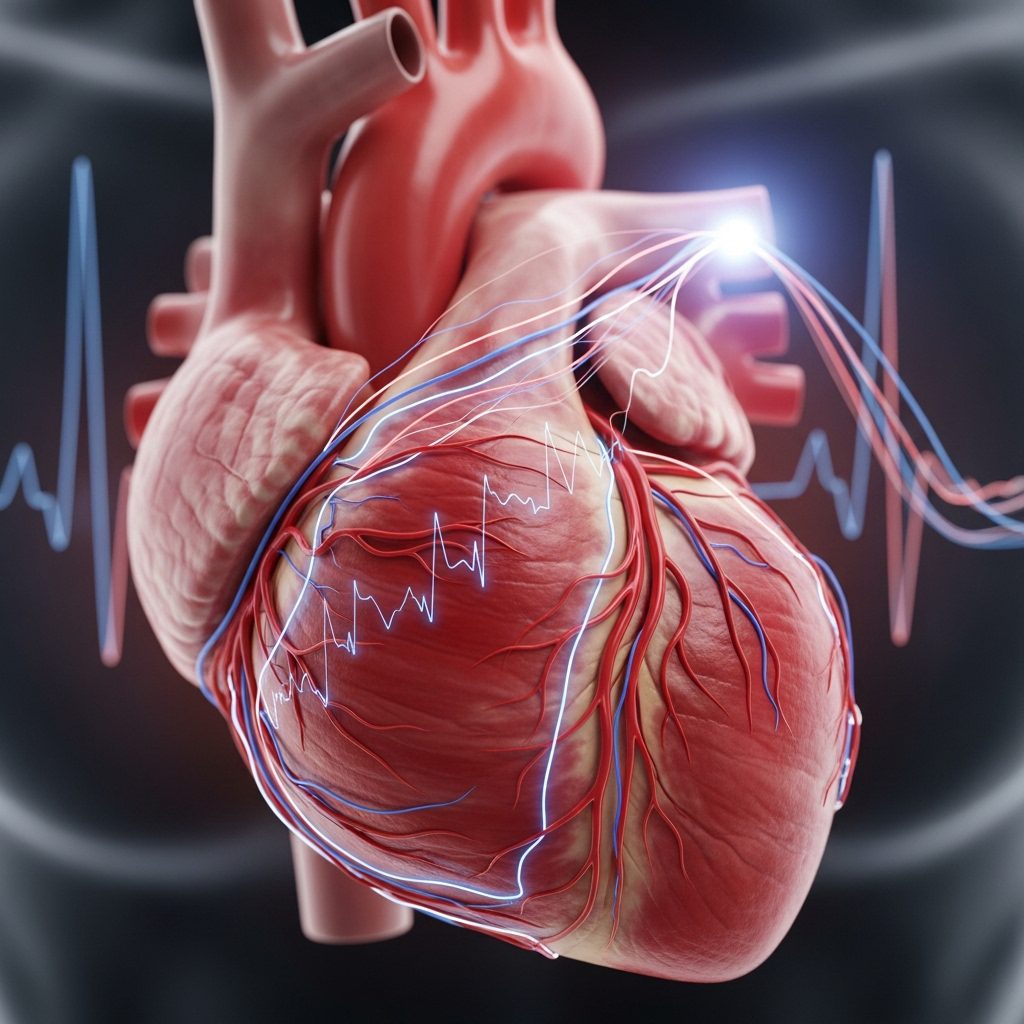
The balance between sodium and potassium is what truly maintains electrolyte stability and optimal function. When sodium levels are disproportionately high and potassium intake is low, risks such as elevated blood pressure or muscle dysfunction may increase.
Natural Sources of Potassium:
-
- Bananas
- Potatoes
- Spinach
- Avocados
- Legumes
A diet rich in whole foods typically provides sufficient potassium without the need for supplementation.
Electrolyte Balance for Optimal Performance: Recognizing an Imbalance:
Ask yourself:
-
- Do you experience frequent muscle cramps?
- Do you feel unexplained fatigue?
- Do you notice unusual heart palpitations after exercise?
These may be signals of disrupted electrolyte balance. However, symptoms alone are not always reliable. Blood testing can be helpful, particularly for individuals engaged in high-intensity training or restrictive diets.
Sodium and potassium are not merely dietary minerals—they function as a precise system maintaining fluid equilibrium and vital physiological processes. Understanding their interaction is the first step toward achieving optimal performance.
Magnesium: The Quiet Power Behind Energy and Recovery:
While sodium and potassium often receive the spotlight, magnesium is equally essential. Though less talked about, its impact on energy, nerves, and muscles is profound.
Have you ever experienced nighttime muscle tightness or persistent fatigue despite adequate sleep? Magnesium deficiency is often an overlooked factor.

What Does Magnesium Do?
-
- Participates in over 300 enzymatic reactions
- Supports energy production (ATP)
- Helps muscles relax after contraction
- Regulates nerve signaling
Without adequate magnesium, electrolyte balance can remain suboptimal—even if sodium and potassium levels are sufficient.
Electrolyte Balance for Optimal Performance: Natural Sources of Magnesium:
The best approach is through whole foods, such as:
-
- Almonds
- Pumpkin seeds
- Dark chocolate
- Spinach
- Whole grains
Modern diets can sometimes fall short in magnesium due to lower consumption of leafy greens and seeds.
A Smart Daily Strategy for Electrolyte Balance:
1. Hydrate Intentionally:
Drinking water is important, but context matters. During prolonged exercise or heavy sweating, fluids containing electrolytes may be beneficial.
2. Eat Balanced Meals:
A simple performance-supporting meal might include:
-
- Leafy greens (magnesium + potassium)
- A quality protein source
- A moderate amount of natural salt

This practical approach supports electrolyte balance without unnecessary supplementation.
3. Pay Attention to Body Signals:
Cramps, fatigue, or post-workout headaches are not random—they’re feedback.
Electrolyte Balance for Optimal Performance: Do You Need Supplements?
In most cases, a varied, whole-food diet covers electrolyte needs. However, athletes or individuals with digestive conditions may benefit from medical evaluation.
For reliable medical information about the role of minerals in the body, you can consult the official website of the National Institutes of Health (NIH).
Electrolyte Balance for Optimal Performance: The Bigger Picture:
Performance is not just about calories or protein—it’s about maintaining a finely tuned internal balance.
Electrolyte balance for optimal performance is not only relevant to athletes. It influences daily energy, mental focus, and even sleep quality.
So here’s a question worth reflecting on:
Are you truly giving your body what it needs to function at its best?

Electrolyte Balance for Optimal Performance: Your Journey Begins with Awareness:
If you’re interested in improving your health through a science-based yet practical approach—or exploring the connection between nutrition, lifestyle, and even wellness travel—we invite you to discover more expert articles at nutritiontravels.
Peak performance doesn’t begin in the gym.
It begins with knowledge.
Start today—and give your body the balance it deserves.