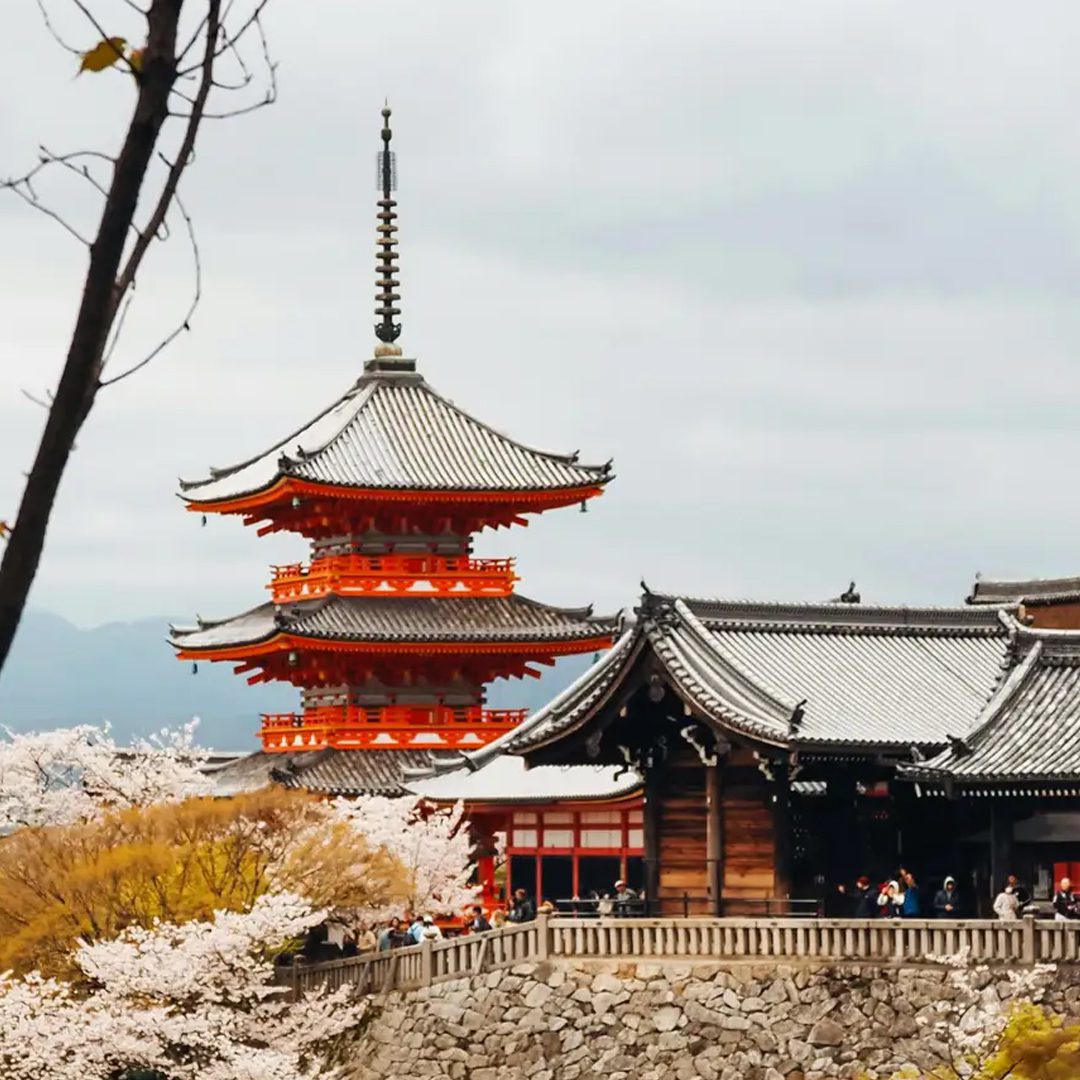
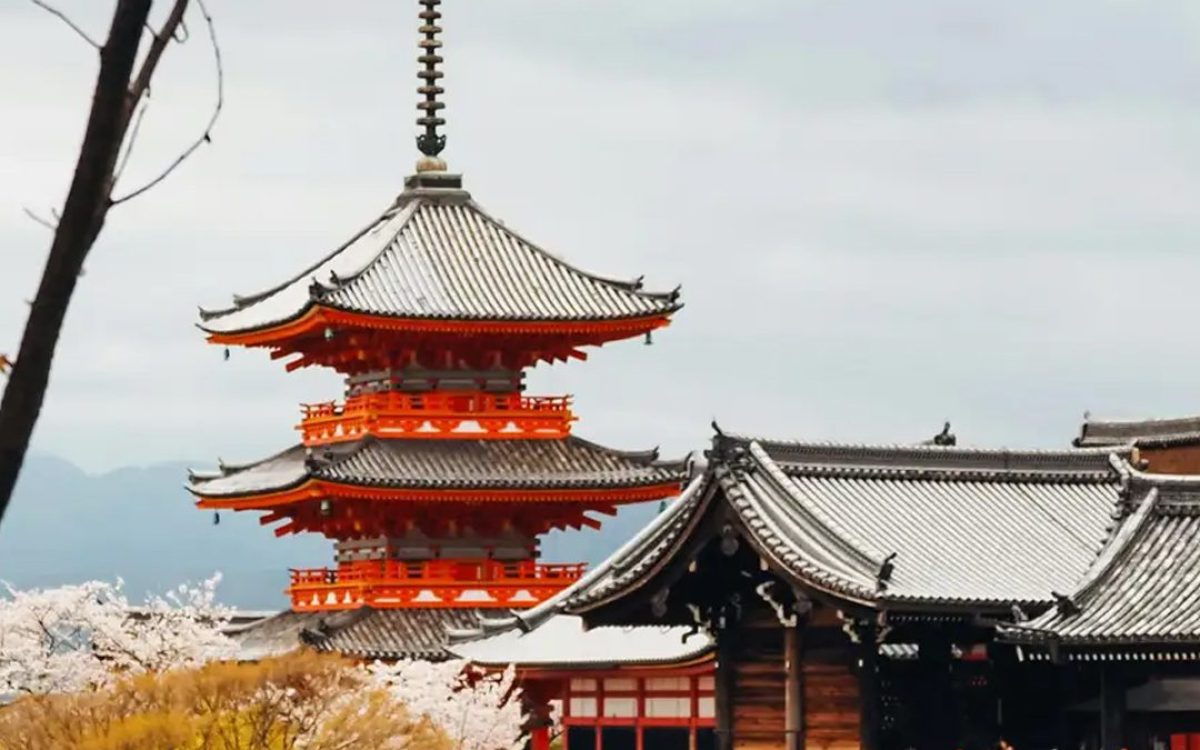
When people think of Japan, many picture bustling cities, cutting-edge technology, and neon lights at night. But the cultural heart of Japan beats in Kyoto’s Zen Gardens & Temples, a captivating collection of serene landscapes and historic spiritual sites that represents a unique balance between rich history and breathtaking natural beauty. Kyoto, which served as Japan’s capital for over a thousand years, offers visitors more than just stunning scenery; it provides an immersive experience of Japanese culture, spirituality, and traditional art.
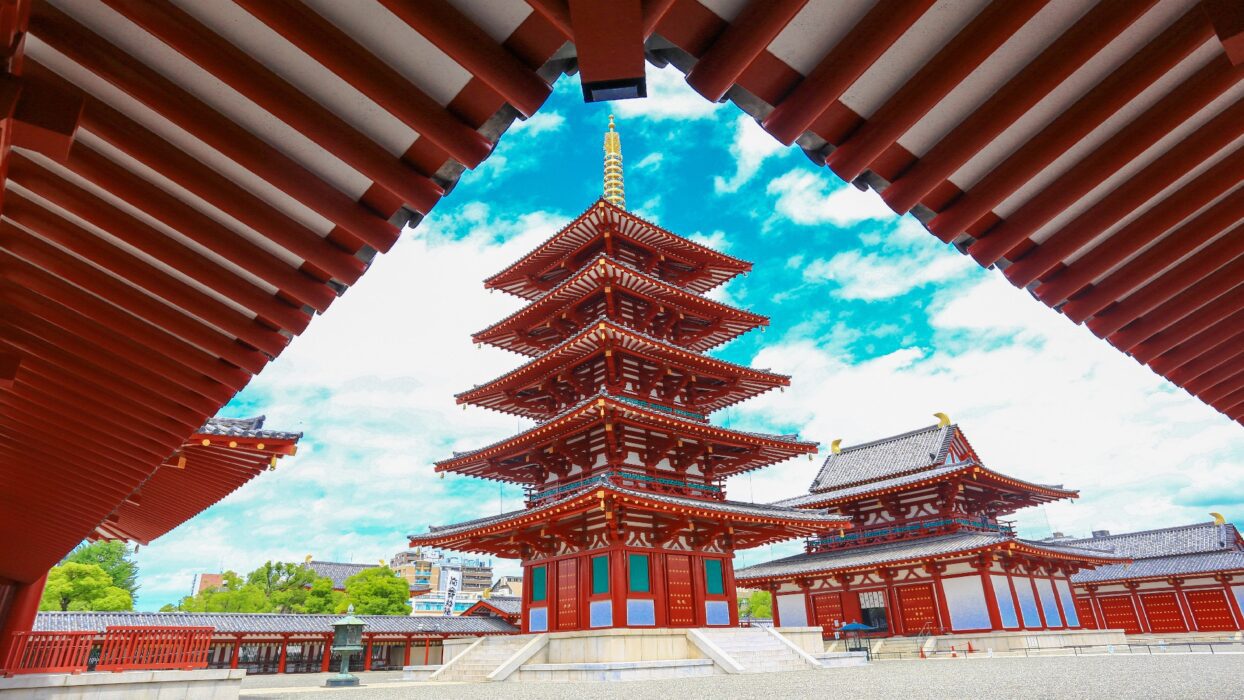
The Magic of Zen Gardens: A Place for Inner Peace:
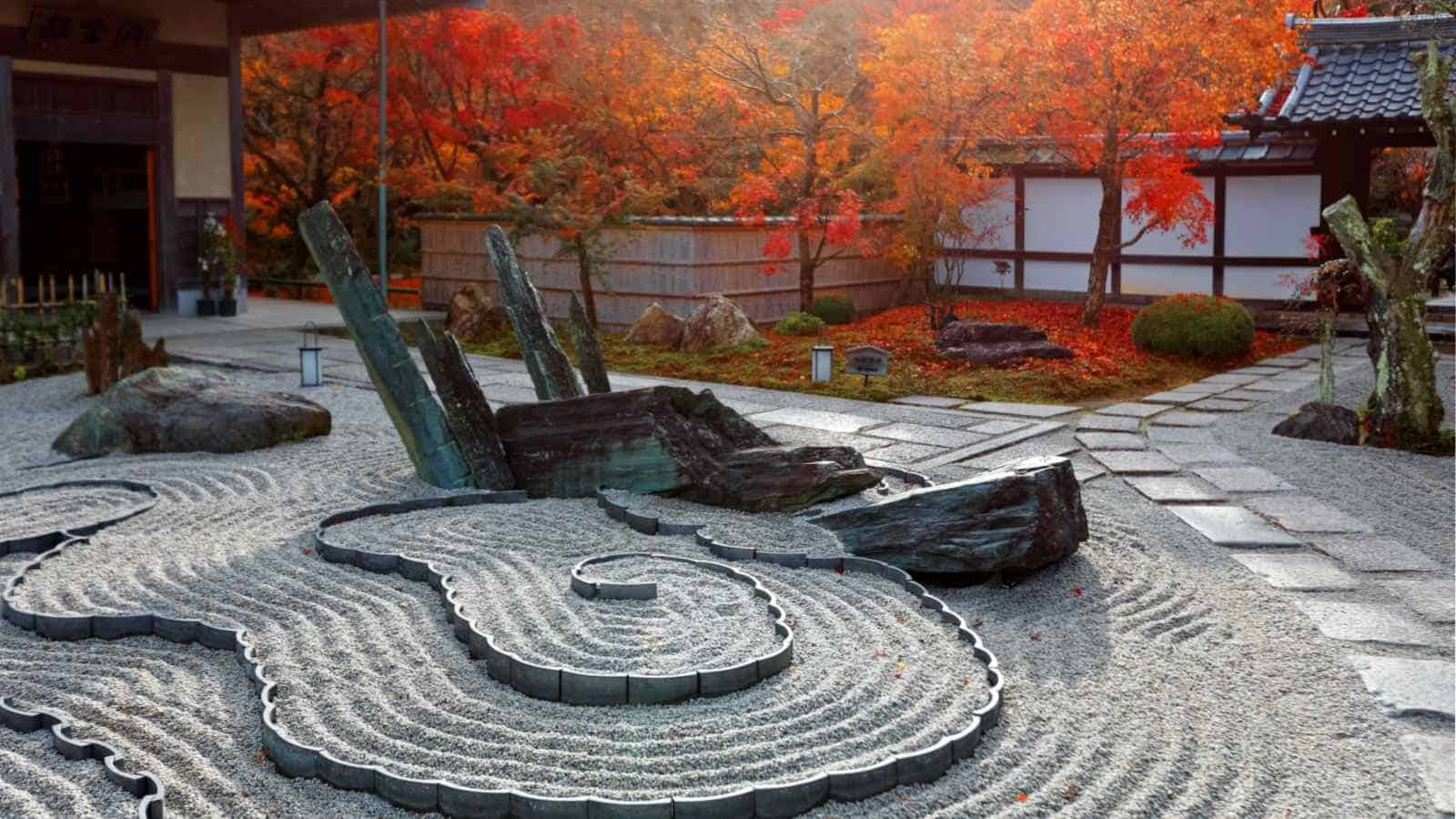
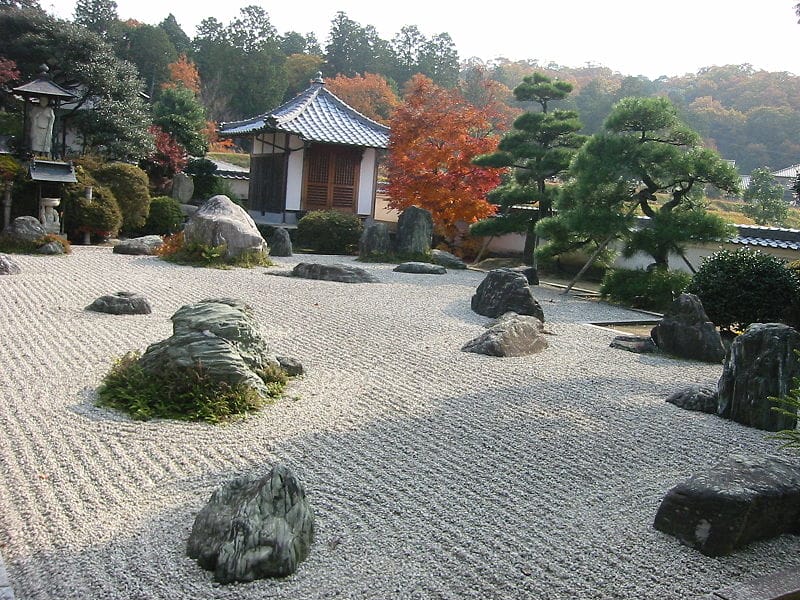
Japanese gardens, or rock gardens, form the perfect elements to create a serene space for meditation. These gardens were first designed by Buddhist monks of the Zen sect in the 6th century, specifically for meditation, and later became centers for Zen teachings.
One of the most famous gardens is Rokuon-in Garden, renowned worldwide for its exceptional beauty and striking simplicity. The design relies on the arrangement of rocks and gravel to suggest the movement of water, even though the place is devoid of any actual river or lake. Sitting in front of this garden, visitors find themselves immersed in a state of psychological calm—a rare experience in today’s fast-paced world.
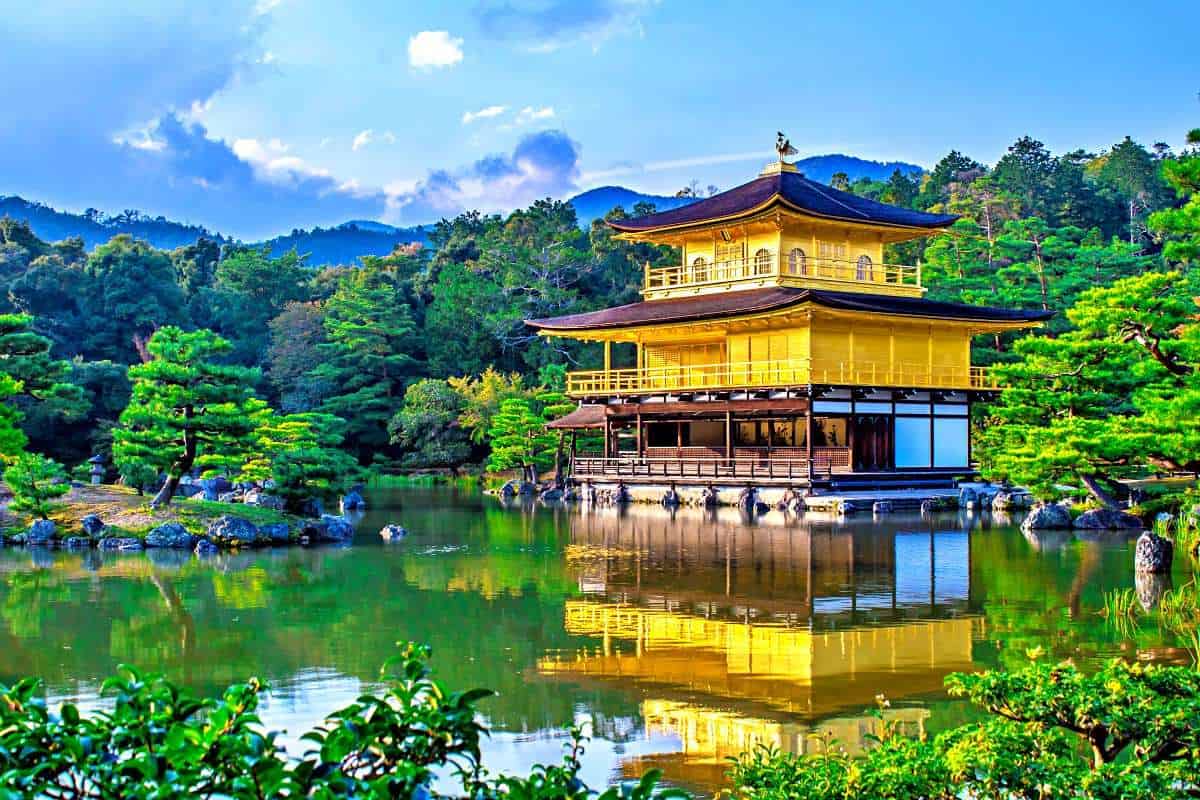
Other gardens, like Kinkaku-ji Garden, associated with the Golden Pavilion Temple, combine Zen philosophy with luxury in a landscape that captivates the eye. The reflection of the golden building on the water creates a feeling that everything in the space harmonizes with nature, offering a chance to appreciate the smallest details in every natural and architectural element.
Temples: A Journey Through History and Spirituality:
Kyoto hosts more than 2,000 religious sites, including 16 UNESCO World Heritage sites, making it an unparalleled spiritual center. Kiyomizu-dera, or the “Pure Water Temple”, stands out with its magnificent wooden platform built without using a single nail, offering a stunning view of the city, especially during cherry blossom season or autumn leaf fall.
Kinkaku-ji, or the “Golden Pavilion”, is another iconic landmark, representing architectural splendor. Its upper floors, covered in pure gold, shimmer above a tranquil pond, creating a perfect scene that reflects the Japanese philosophy of beauty.
Comprehensive Tourist Experiences:
Visiting Kyoto is not limited to enjoying gardens and temples. There’s a complete cultural experience, from wearing a kimono and walking through old neighborhoods, to tasting Japanese tea in the Chado ceremony. These experiences add depth to the visit, making visitors feel part of a living and evolving culture rather than just fleeting sights or photographs.
Trips between temples and gardens also provide opportunities to discover local handicrafts, traditional markets, and restaurants serving authentic Japanese cuisine. Here, a meal is not just food; it’s part of the culture, as every kitchen blends seasonal ingredients and flavors in a way that respects nature.
Best Times to Visit:
Weather plays an important role in the Kyoto experience. Spring, with the blooming of cherry blossoms (Sakura), offers a magical display of bright colors, while autumn decorates the city with red and golden leaves, making the gardens and temples even more poetic. Even in winter, Kyoto transforms into a quiet and inspiring place for contemplation.
Kyoto’s is not just a tourist city; it is a cultural heart that pulses with spirituality, art, and nature. Zen gardens and traditional temples offer visitors an experience that goes beyond superficial sightseeing, becoming an inner journey full of calm, beauty, and inspiration. For those interested in cultural tourism or seeking a place that balances exploring history with enjoying nature, Kyoto offers an unforgettable experience, one that leaves visitors immersed in the depth of Japanese spirit.
Visiting Kyoto can be more than just a trip; it is an opportunity to understand a different life philosophy, learn patience, and appreciate the beauty of simple things. Every corner, every garden, and every temple here carries a silent message about harmony between humans and nature, past and present, art and spirituality. For more detailed information and travel tips about Kyoto and its landmarks, you can check out Nutrition Travels, which provides a comprehensive guide for all travel and culture enthusiasts.