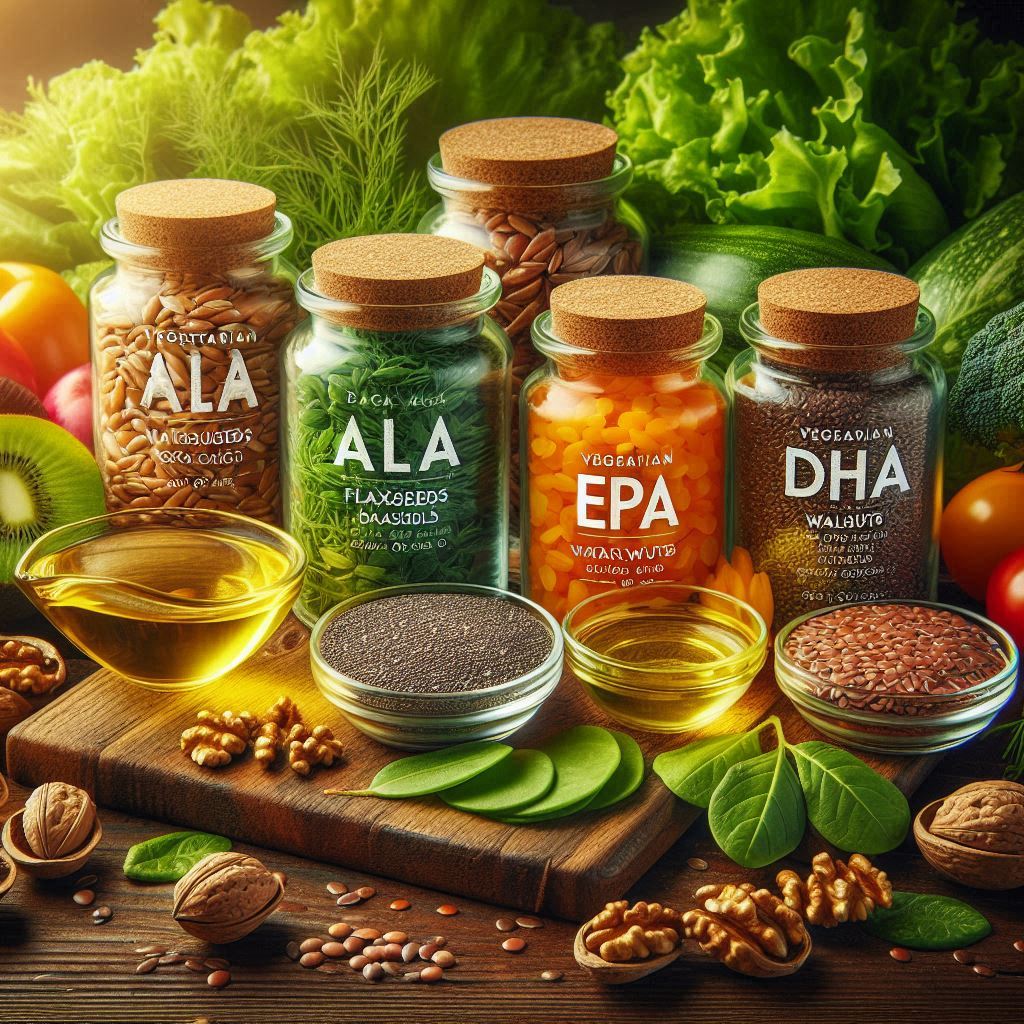
Plant-based omega-3 sources are essential for vegetarians who want to maintain optimal health. Omega-3 fatty acids play a vital role in the heart, brain, and inflammation. However, understanding how to obtain sufficient amounts of ALA (Alpha-Linolenic Acid), EPA (Eicosapentaenoic Acid), and DHA (Docosahexaenoic Acid) can be challenging for those who do not consume fish or seafood.

What Are Omega-3 Fatty Acids?
Omega-3 fatty acids, scientifically known as polyunsaturated fatty acids, are a group of essential fats that the human body cannot do without. Among this group, three main types are particularly important for human health:
1. Alpha-Linolenic Acid (ALA): A short-chain omega-3 fatty acid, which can be obtained from plant foods such as walnuts and flaxseeds. It is the only essential fatty acid that must be obtained through the diet.
2. EPA (Eicosapentaenoic Acid): A long-chain omega-3 fatty acid, known for its therapeutic benefits, especially in supporting heart and cardiovascular health.
3. DHA (Docosahexaenoic Acid): Another long-chain omega-3 fatty acid, playing a key role in brain health.
Why Plant-Based Omega-3 Is Important for Vegetarians?
Vegetarians may face a direct deficiency in EPA and DHA due to the absence of animal sources in their diet. This deficiency can affect:
1. Heart Health: Omega-3 fatty acids are known for their ability to reduce the risk of heart disease. They help lower triglyceride levels and blood pressure. Omega-3s also contribute to reducing inflammation in the arteries, improving overall cardiovascular health.
2. Brain Function: DHA, in particular, is a major component of the brain and eyes. Omega-3 fatty acids also play a role in mental health, with research linking them to a lower risk of depression and anxiety.
3. Inflammation: Omega-3 has anti-inflammatory effects, which is important for people suffering from chronic diseases such as arthritis or heart problems.
For this reason, vegetarians need to know which sources they can rely on to obtain these important fats.
Top Plant-Based Omega-3 Sources for Vegetarians:
1. Flaxseeds:
Flaxseeds are among the richest sources of Alpha-Linolenic Acid (ALA). This acid is absorbed better when ground, so it is recommended to buy whole seeds and grind them when needed, or to buy pre-ground flaxseeds and store them in the refrigerator to maintain freshness.
2. Chia Seeds:
Chia seeds, which swell when added to liquids, are an excellent source of omega-3 fatty acids. They can easily be sprinkled over smoothies or oatmeal.
3. Walnuts:
Walnuts contain a good amount of ALA and are considered a healthy snack to support daily omega-3 intake. 28 grams of walnuts provide about 2.5 grams of ALA.
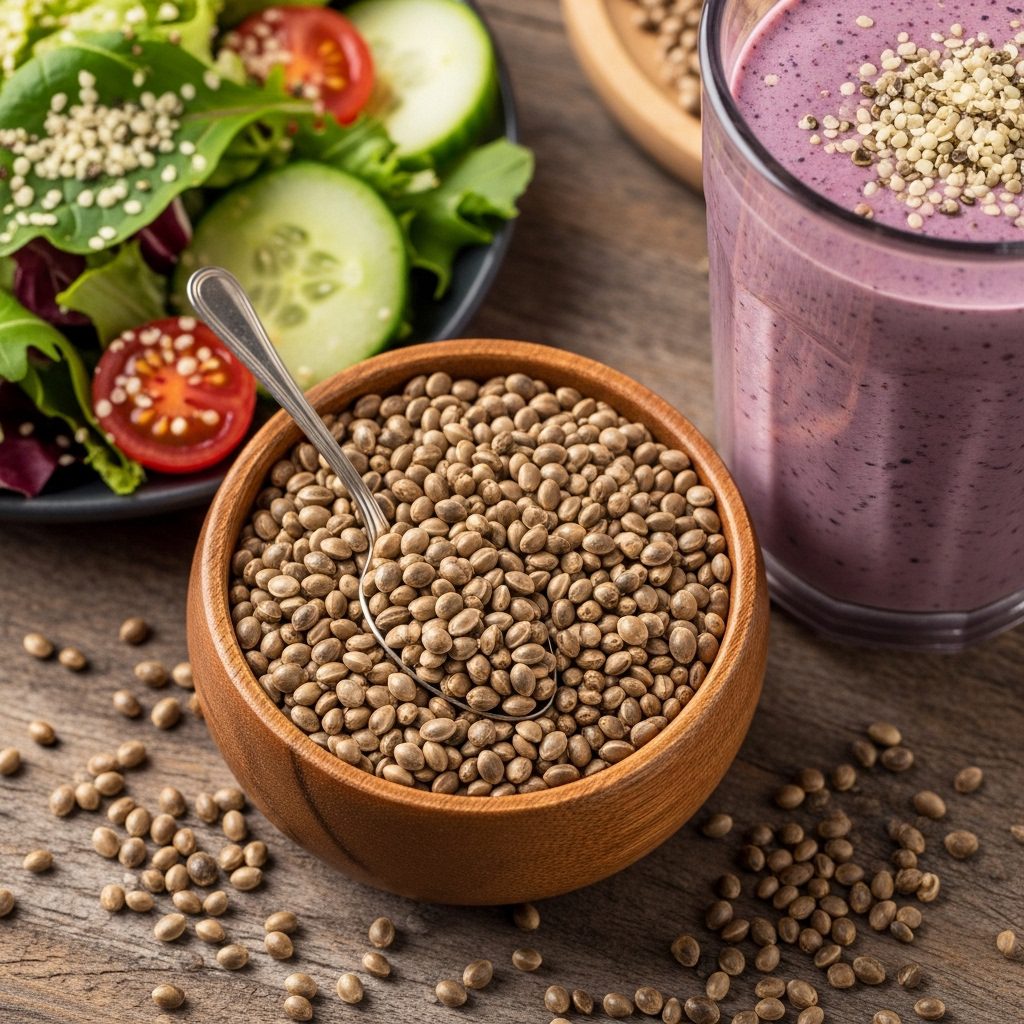
4. Hemp Seeds:
Hemp seeds contain ALA as well as high-quality plant protein. They can be sprinkled on salads or added to smoothies.
Tips to Maximize Plant-Based Omega-3 Absorption:
Several factors can help vegetarians enhance the absorption and utilization of omega-3:
1. Balance Between Omega-3 and Omega-6: Diets rich in vegetable oils such as corn or sunflower oil contain high levels of omega-6, which may reduce the conversion of ALA to EPA/DHA. Reducing foods high in omega-6 can help improve omega-3 utilization.
2. Consume Fresh and Whole Sources: Grinding flaxseeds before consumption increases ALA absorption.
3. Use Algae Supplements if Needed: Especially for strict vegetarians or those with higher DHA needs, such as pregnant women or older adults.
Recommended Intake:
Recommendations vary by age and health condition, but in general:
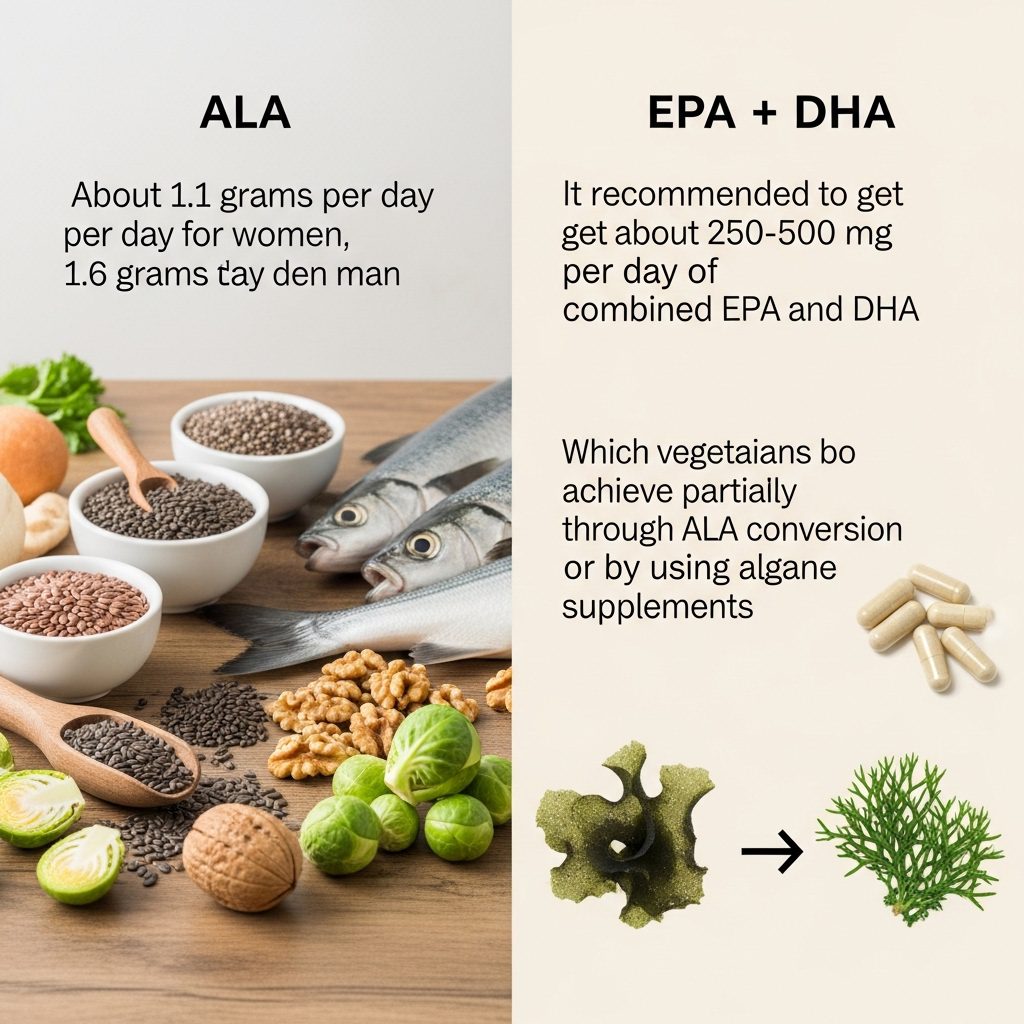
- ALA: About 1.1 grams per day for women, 1.6 grams per day for men.
- EPA + DHA: It is recommended to get about 250-500 mg per day of combined EPA and DHA, which vegetarians can achieve partially through ALA conversion or by using algae supplements.
Maintaining adequate omega-3 levels is an important part of a healthy diet, especially for vegetarians who lack traditional fish sources. Focusing on plant-based ALA sources such as flaxseeds, chia seeds, walnuts, and canola oil, along with considering algae supplements for DHA, can help support heart health, brain function, and reduce inflammation.
For all those interested in nutrition, our site Nutrition Travels provides detailed information about the differences between ALA, EPA, and DHA and the best ways to obtain them, helping to build a comprehensive dietary plan that achieves nutritional balance.