In a world of fast travel, where many people rush through trips in quick snapshots and social media photos, the concept of slow travel emerges as a calming breeze, inviting travelers to enjoy their journeys more deeply and peacefully. Imagine arriving in a new city without the need to cover all its landmarks in just two or three days, but instead living in every corner and feeling its daily rhythm.
For those who love tourism, there is often a constant sense of rushing—trying to see as many sites as possible in the shortest time. But slow travel offers a different opportunity, an experience that allows the visitor to become part of the place, not just a passerby. Travelers spend days in a small café overlooking the street, learning the names of local vendors, and tasting flavors that may be overlooked in rushed travel itineraries.
What is Slow Travel?
Slow travel is not entirely a new idea, but its popularity has increased recently with growing awareness about the quality of the travel experience and the positive impact of travel on local environments. As the name suggests, the concept revolves around slowing down the travel experience, taking enough time to enjoy everything a destination has to offer, away from busy schedules, rushing, and the exhaustion of trying to visit every landmark or participate in every activity.
Slow travel means authentic interactions with locals, learning about their culture, traditions, and even picking up a few words of their language, while tasting their traditional cuisine. Staying longer in a city, village, or specific area gives travelers the chance to explore every aspect of the place, discover lesser-known spots, and collect unique memories and experiences that remain etched in their minds forever.
For example, you might find yourself visiting a small restaurant—not because it’s the most luxurious or famous, but because it serves traditional dishes made with local ingredients that cannot be found anywhere else, offering a genuine taste of the destination’s culture.
Why Do Travelers Choose Slow Travel?
There are several reasons why slow travel appeals to many tourists:
1. Deep Cultural Experiences:
Staying longer in one place allows travelers to immerse themselves more deeply in local culture. You have time to talk to locals, learn a few phrases in their language, and understand their daily customs. This kind of interaction creates authentic experiences that go far beyond the stereotypical images found in guidebooks.
2. Relaxation and Mental Well-being:
Fast-paced travel is often exhausting, with a tight schedule of activities and constant movement. Slow travel, on the other hand, allows travelers to relax, enjoy the moment, and not feel pressured to move from place to place. It can even feel therapeutic, helping to clear the mind and recharge energy.
3. Environmental Sustainability:
Traditional fast travel often contributes to overcrowding, pollution, and resource depletion. Slow travel encourages eco-friendly practices and reduces environmental impact. Staying longer in one place helps:
- Reduce the environmental footprint of frequent flights or long car trips.
- Minimize single-use items often associated with short stays, like disposable toiletries or packaging.
4. Discover Hidden Gems:
Fast-paced trips usually focus on popular tourist attractions, while slow travel allows the discovery of lesser-known places with unique charm. It could be a tiny restaurant in a narrow alley, a public park frequented by locals, or a traditional festival unknown to ordinary tourists.
5. Authentic Food Experiences:
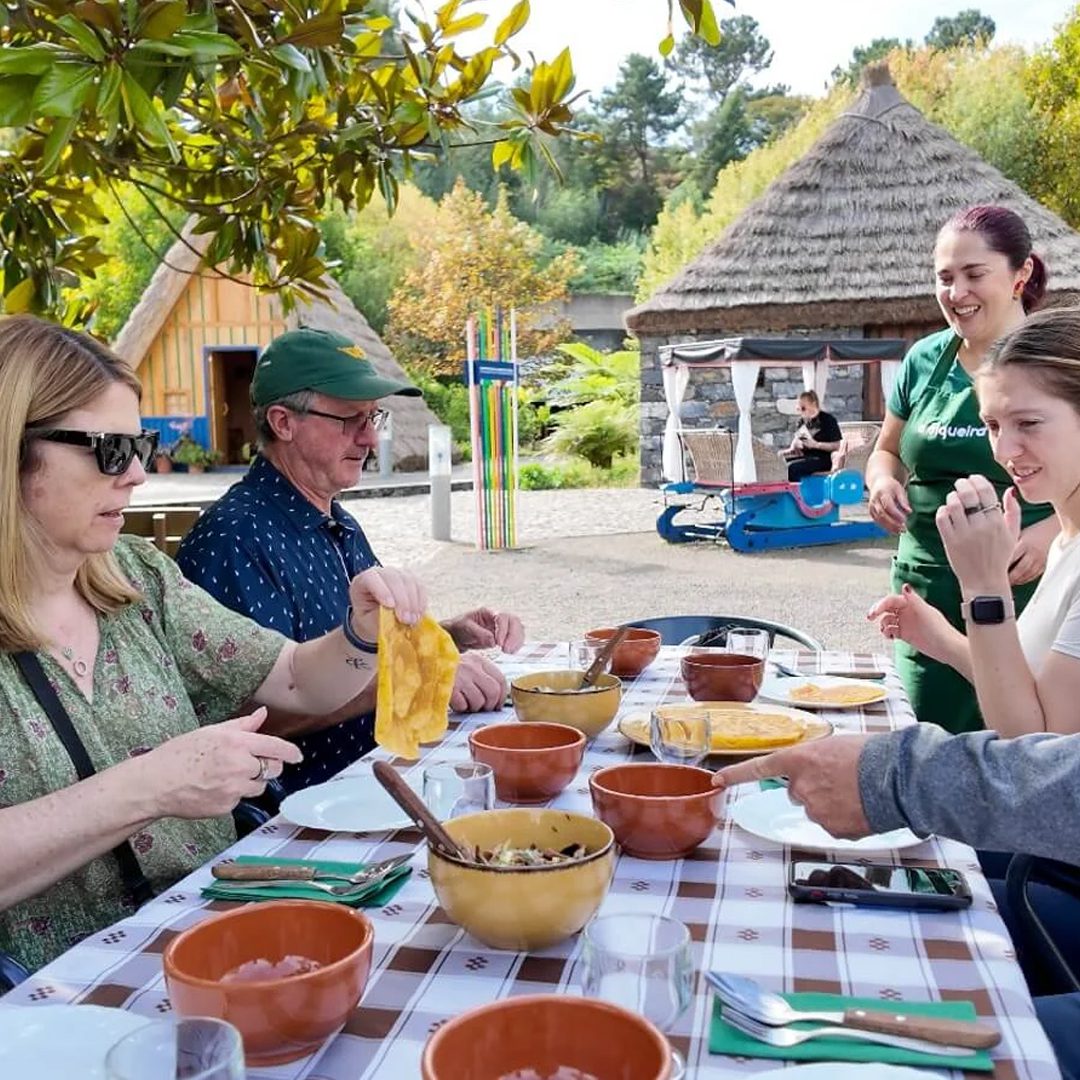
Food is an essential part of culture, and slow travel lets travelers enjoy local cuisine deeply. From markets to traditional restaurants, you can explore new flavors, hear the stories of local chefs, and understand the connection between ingredients and the local culture.
Best Destinations for Slow Travel:
If you’re ready to experience slow tourism, some destinations are particularly well-suited for this mindful and enjoyable style of travel, offering rich experiences, stunning natural beauty, and a relaxed lifestyle:
1. Tuscany, Italy:
With its rolling hills, medieval towns, world-class cuisine, and wine, Tuscany is the perfect example of slow travel. Spend your days exploring vineyards, learning to make fresh pasta, or cycling between charming towns like San Gimignano and Montepulciano.
Slow travel tip: Stay in a small town for a week and take day trips to nearby areas. Use the extra time to connect with locals and learn about their traditions.
2. Kyoto, Japan:
Kyoto’s serene temples, bamboo forests, and traditional tea houses make it an ideal destination for relaxation and exploration. The city invites you to experience Japanese culture at a gentle pace.
Slow travel tip: Take long walks in the Arashiyama Bamboo Grove or along the Philosopher’s Path. Instead of rushing through all temples, choose a few and spend more time appreciating their intricate details and tranquil surroundings.
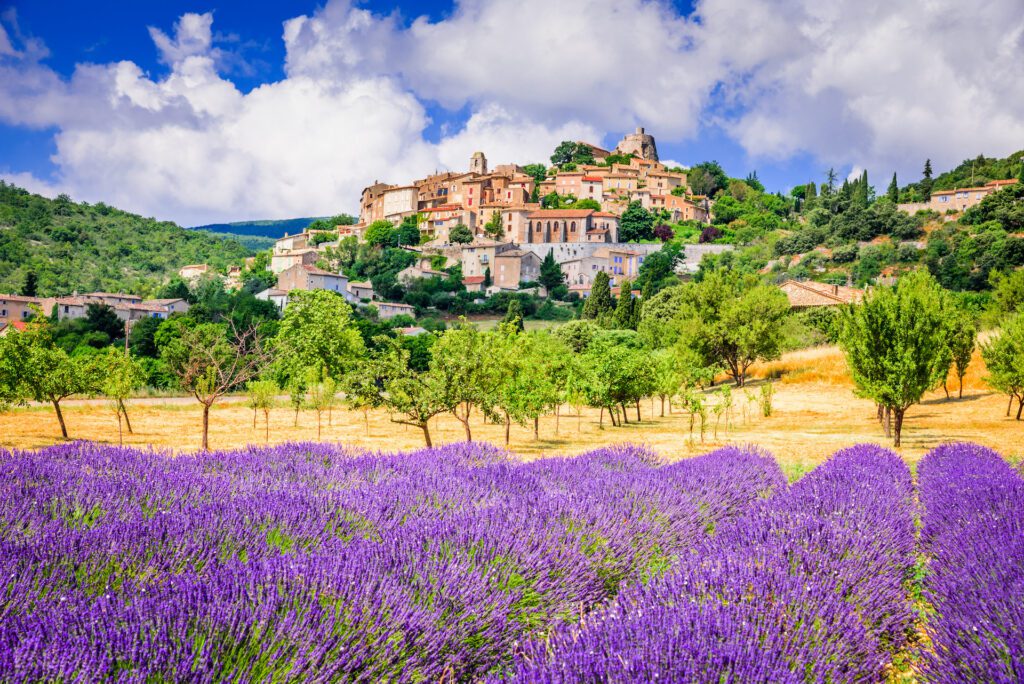
3. Provence, France:
Provence is a sensory delight with its lavender fields, ancient villages, and lively farmers’ markets. It’s perfect for enjoying leisurely meals, sipping wine, and soaking in picturesque rural landscapes.
Slow travel tip: Stay in a local bed-and-breakfast and spend mornings at the markets. Use the afternoons to relax in the countryside or join activities like olive oil tasting or pottery workshops.
Tips for Travelers Interested in Slow Travel:
1. Choose One Place and Focus on It: Instead of trying to visit several cities in a week, spend two weeks or more in one city or region. This gives enough time to explore every aspect of the location.
2. Flexible Planning: Slow travel requires a flexible schedule that allows spontaneous discovery. Sometimes wandering without a plan is the best way to uncover hidden treasures.
3. Use Local Transportation: Experiencing trains, buses, or even bicycles helps you understand the daily life of locals.
4. Learn Basic Local Phrases: Even knowing greetings and essential words can open doors to authentic experiences.
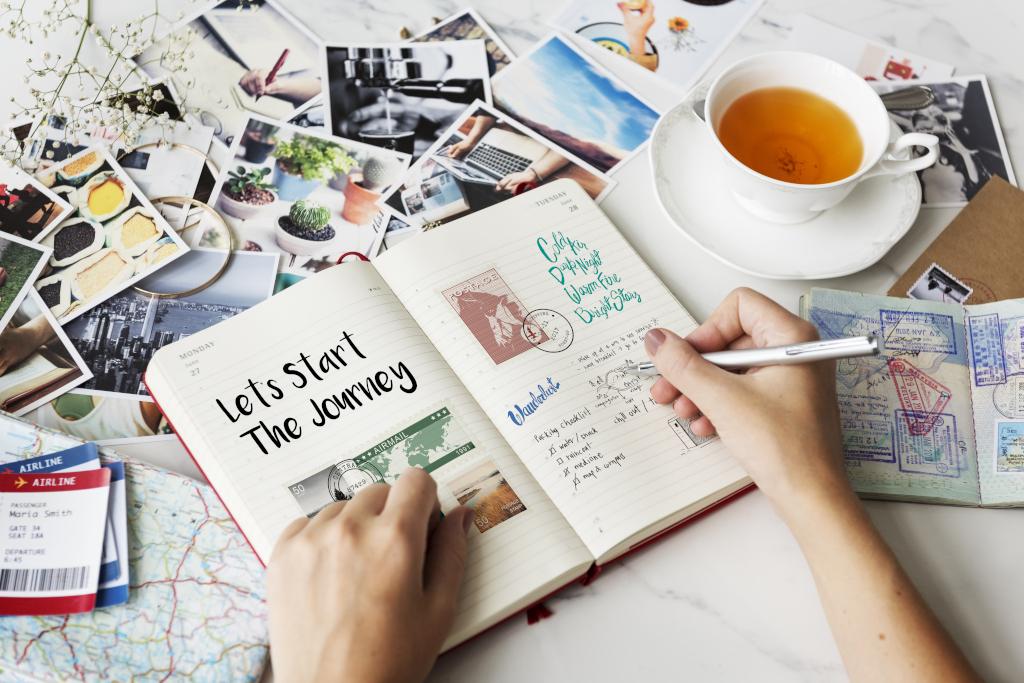
5. Keep a Journal or Record Memories: Documenting moments or taking photos enhances the joy of revisiting memories and makes the experience more valuable.
Slow travel is more than a tourism style; it’s a lifestyle philosophy that gives travelers the chance to deeply experience every destination they visit. By spending more time in one place, you can enjoy local culture, savor authentic food, support the local economy, and create lasting memories.
If you love true discovery or seek a travel experience different from rushed, crowded tours, slow travel might be the key to a richer and more enjoyable journey. Each trip done this way gives you a chance to see the world in a more human and deliberate way, where the journey is not only about landmarks but every moment you live.
On our site, Nutrition Travels, you’ll find all the tips and information to enjoy slow travel effectively and delightfully, with ideas for immersing yourself in local culture, tasting authentic foods, and connecting with local communities during your trips.