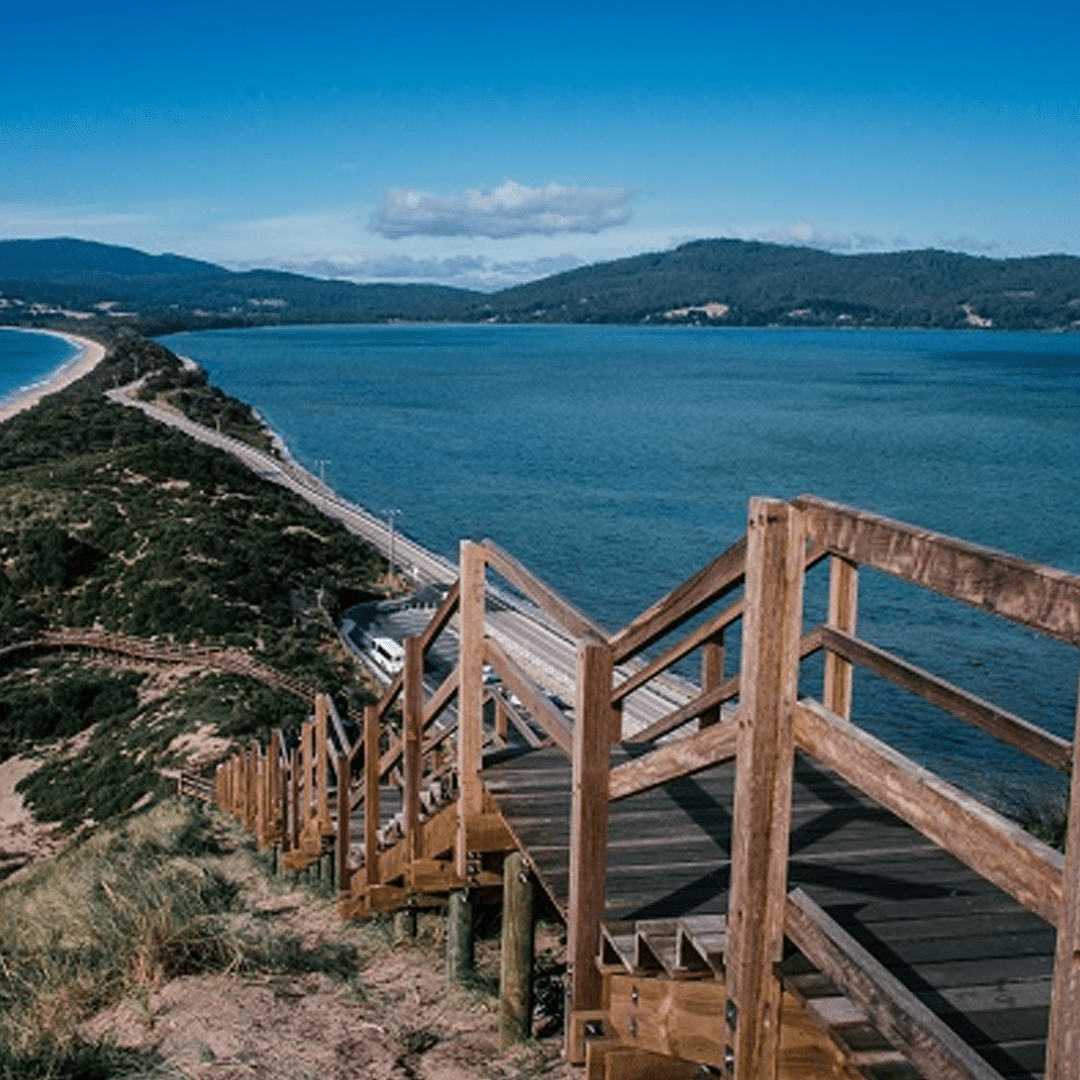
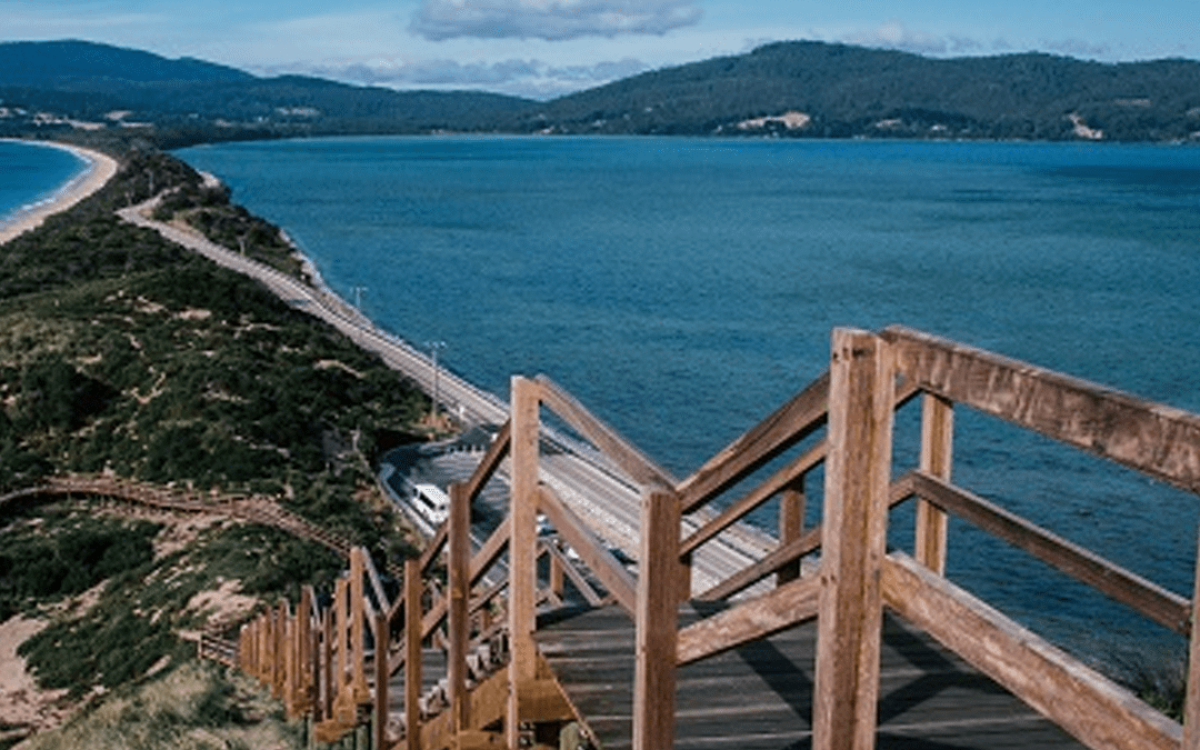
Tasmania’s east coast is not merely a stretch of beautiful shoreline—it is a landscape shaped by deep time, Indigenous heritage, and a quiet philosophy of coexistence with nature. Here, the ocean carves curves into pink granite cliffs, eucalyptus forests breathe salt-scented air, and the horizon feels closer than elsewhere in Australia. To understand this region is to look beyond postcard beaches and into a story of resilience, reverence, and rhythm.
From the sculpted arc of Wineglass Bay to the fiery lichen-streaked boulders of the Bay of Fires, Tasmania’s east coast offers more than scenery. It offers perspective.
The Cultural Landscape of Tasmania’s East Coast:
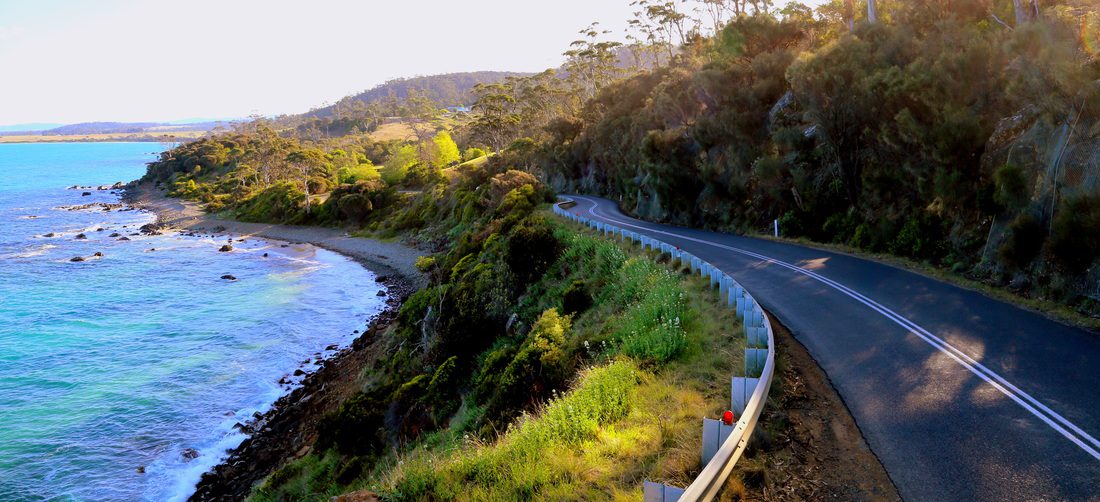
Long before hiking trails and lookout platforms existed, the lands of Tasmania were home to the Palawa people, the Aboriginal custodians of the island. Along the east coast, shell middens and cultural sites quietly testify to thousands of years of sustainable living. The sea was not a backdrop—it was sustenance, ceremony, and connection.
Today, visitors often approach the coast seeking isolation and natural beauty. Yet what makes this region profound is its layered identity. Colonial exploration, maritime trade, and conservation movements have all shaped the east coast’s evolution. It is now one of Australia’s most treasured natural corridors, carefully protected and deeply respected.
Wineglass Bay: The Perfect Curve of Nature:
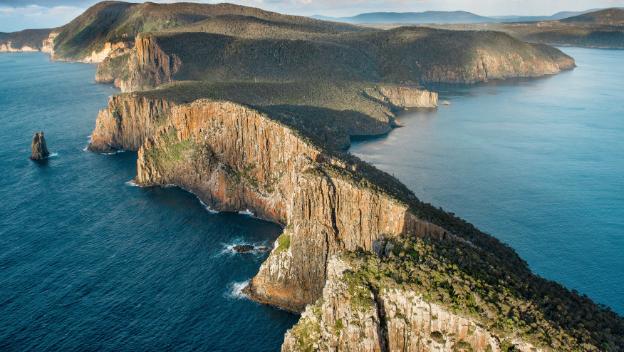
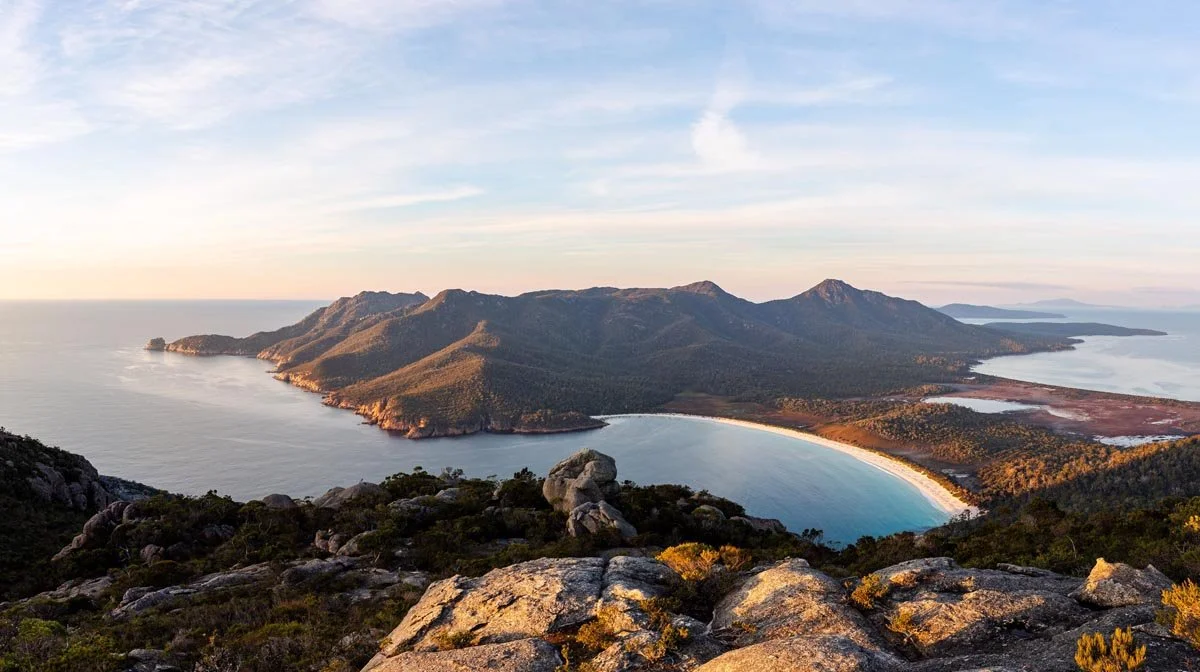
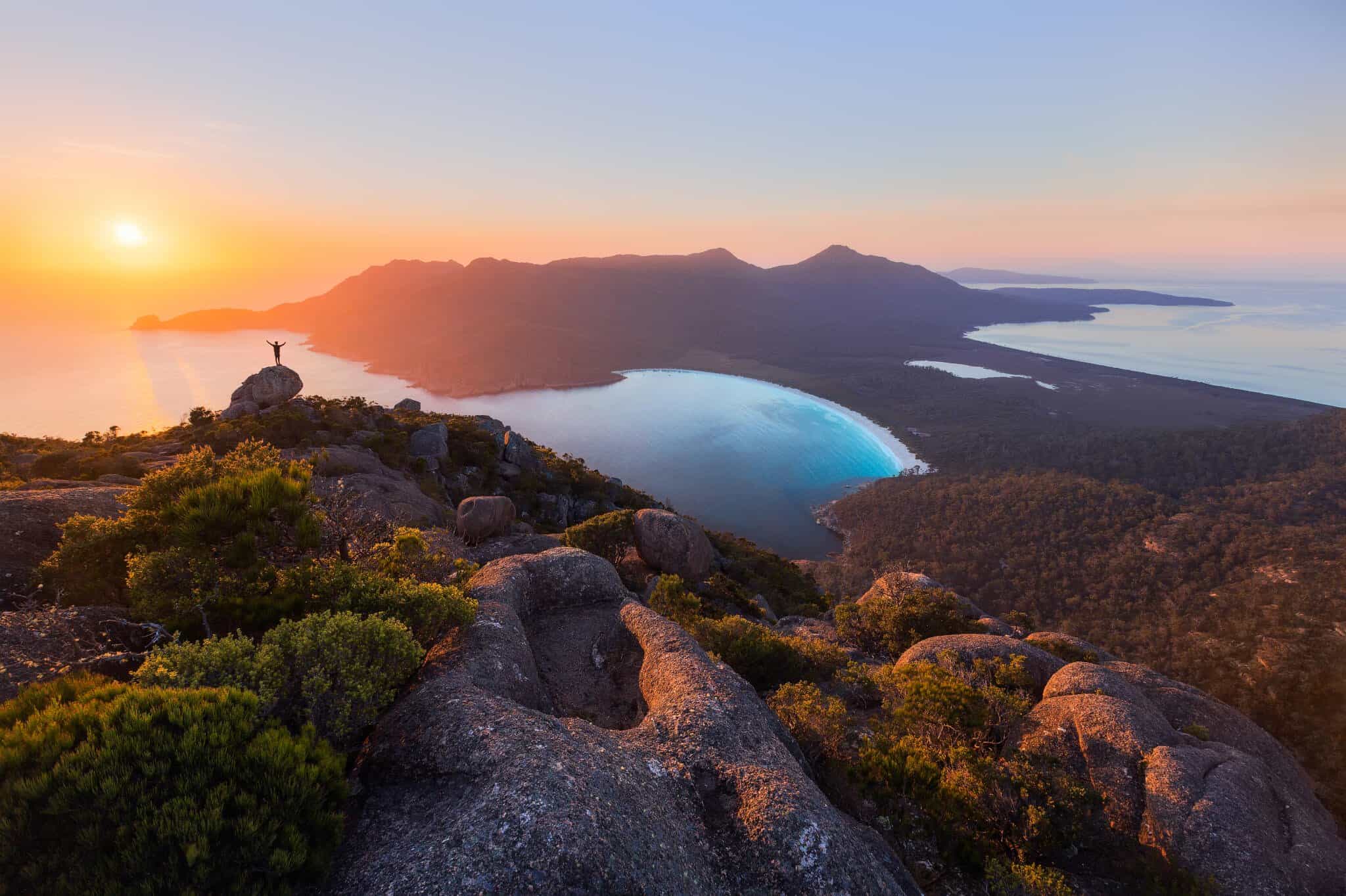
Few coastal vistas feel as sculpted as Wineglass Bay. Located within Freycinet National Park, this crescent-shaped beach is framed by the Hazards—pink-hued granite mountains that glow at sunrise and sunset.
The Story Behind the Name:
Despite its poetic beauty, Wineglass Bay carries a complex history. Some historians believe the name references the bay’s shape; others suggest it recalls the era of 19th-century whaling, when the waters reportedly turned red during hunts. This dual narrative reflects Tasmania itself—a place of both serenity and confrontation with its past.

Essential Experiences at Wineglass Bay:
1. Hike to the Lookout:
The climb to the Wineglass Bay Lookout is a rite of passage. The trail winds through dry sclerophyll forest before revealing a panoramic view that feels almost surreal. The reward is not only the image—but the stillness.
2. Walk the Beach:
Descending to the beach offers a different intimacy. The sand is fine and pale, the water crystalline and cool. Dolphins are occasionally spotted offshore, and seabirds trace quiet arcs above.
3. Explore Freycinet’s Coastal Trails:
For those wanting more immersion, multi-day walks such as the Freycinet Peninsula Circuit offer a deeper engagement with the landscape—sleeping near the sea, rising with the tide.
Bay of Fires: Where Granite Meets Flame-Colored Lichen:
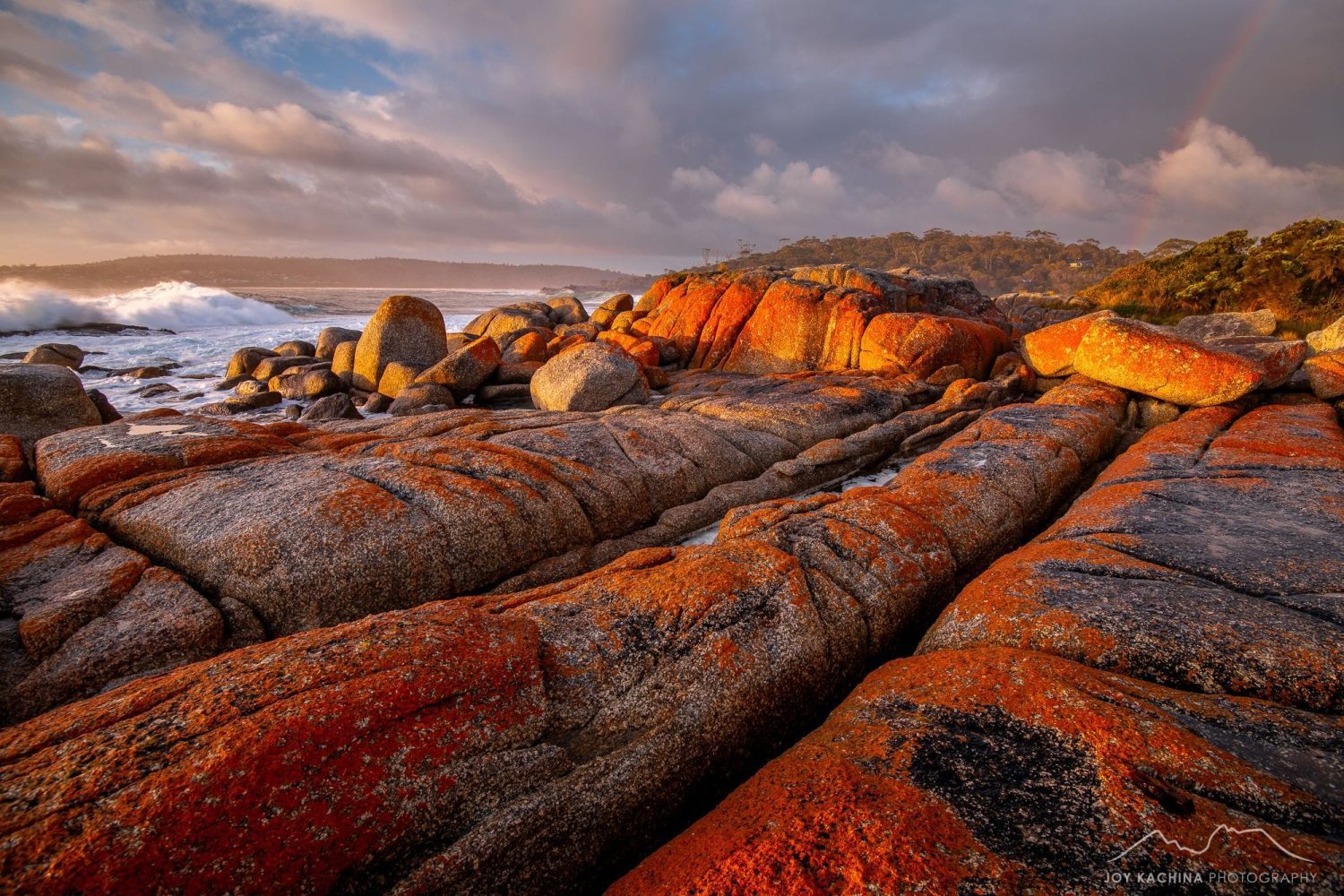
Further north, the Bay of Fires feels wilder, less defined by single viewpoints and more by continuous discovery. Stretching along the northeast coast, this region is famous for its brilliant orange lichen that clings to granite boulders, creating a striking contrast against turquoise waters.
The Meaning Behind the Name:
The name “Bay of Fires” originates from Captain Tobias Furneaux, who observed Aboriginal fires burning along the coastline in 1773. The fires were not signals of danger but signs of habitation—evidence of thriving communities living in harmony with land and sea.

Signature Experiences at the Bay of Fires:
1. Wander Binalong Bay:
Binalong Bay serves as a gentle introduction. White sands, calm waters, and scattered boulders create natural sculptures. It is a place for slow walks rather than structured itineraries.
2. Sunrise Rituals:
Sunrise here feels ceremonial. As first light touches the orange rocks, the entire coastline appears to glow. Many visitors describe it not as sightseeing but as witnessing.
3. Coastal Camping:
Camping is popular and thoughtfully managed. Sleeping under vast southern skies connects travelers to Tasmania’s elemental simplicity—wind, salt, stars.
Traditions, Food, and Coastal Living:
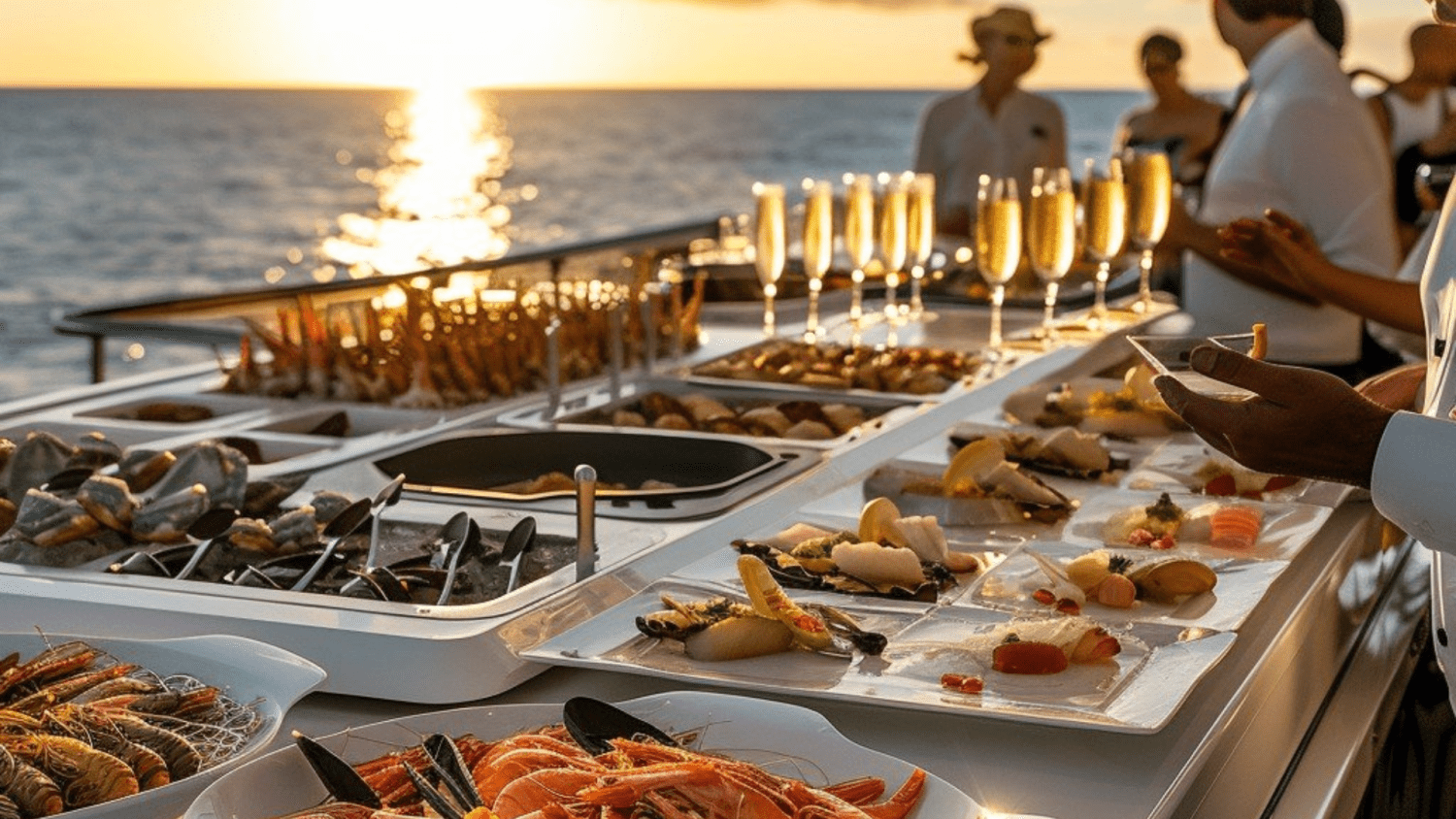
Tasmania’s east coast is deeply tied to the sea. Oysters from nearby farms, freshly caught crayfish, and cool-climate wines define the region’s culinary identity. The emphasis is on purity—minimal intervention, maximum respect for ingredients.
Local etiquette reflects this philosophy. Visitors are encouraged to:
-
- Leave no trace
- Respect wildlife from a distance
- Honor Indigenous heritage sites
- Move slowly and intentionally
There is an unspoken understanding along this coast: nature is not curated for entertainment. It exists independently, and we are temporary guests.
The Modern Evolution of Tasmania’s East Coast:
Over the past two decades, Tasmania has undergone a quiet renaissance. Boutique lodges, sustainable tourism initiatives, and guided Aboriginal cultural experiences have enriched the east coast’s offerings without overwhelming its character.
Eco-conscious travel has become central. Walking tours emphasize environmental education. Local wineries champion sustainable viticulture. Art galleries and community markets reflect a creative revival grounded in place.
This balance—preservation without stagnation—is what makes Tasmania’s east coast feel contemporary yet timeless.

Practical Travel Tips for Visiting Wineglass Bay and the Bay of Fires:
Best Time to Visit:
-
- Summer (December–February): Warmest weather, ideal for swimming.
- Autumn (March–May): Fewer crowds, crisp air, golden light.
- Spring (September–November): Wildflowers and active wildlife.
Getting There:
-
- Wineglass Bay is about 2.5 hours by car from Hobart.
- The Bay of Fires is roughly 3 hours from Launceston.
Renting a car is essential, as public transport options are limited.
Cultural Considerations:
-
- Stay on marked trails.
- Avoid disturbing wildlife.
- Check for fire restrictions before camping.
- Acknowledge the traditional custodians of the land.
What Not to Expect:
This is not a nightlife destination. Evenings are quiet. Restaurants close early. Mobile reception can be inconsistent. But that absence of constant connectivity is part of the gift.
Why Tasmania’s East Coast Matters:
In a world increasingly shaped by speed and spectacle, Tasmania’s east coast invites something different: patience. The curve of Wineglass Bay teaches proportion. The glowing stones of the Bay of Fires remind us that color can emerge from stillness.
These places are not dramatic in the way cities are dramatic. Their impact is subtle and cumulative. You leave not overstimulated—but recalibrated.
To explore Tasmania’s east coast is to engage with Australia’s quieter voice—one that speaks through wind, granite, and tide.
Discover more meaningful journeys with Nutrition Travels, where culture, landscape, and lived experience come together in every story.