Iron is one of the most important minerals the body needs to maintain overall health and daily performance. It plays a key role in forming hemoglobin, the protein responsible for transporting oxygen in the blood to all parts of the body. When iron levels drop below normal, a person may feel constant fatigue, difficulty concentrating, and even long-term health issues. Many people do not realize they are suffering from iron deficiency until clear symptoms appear that affect their daily life.
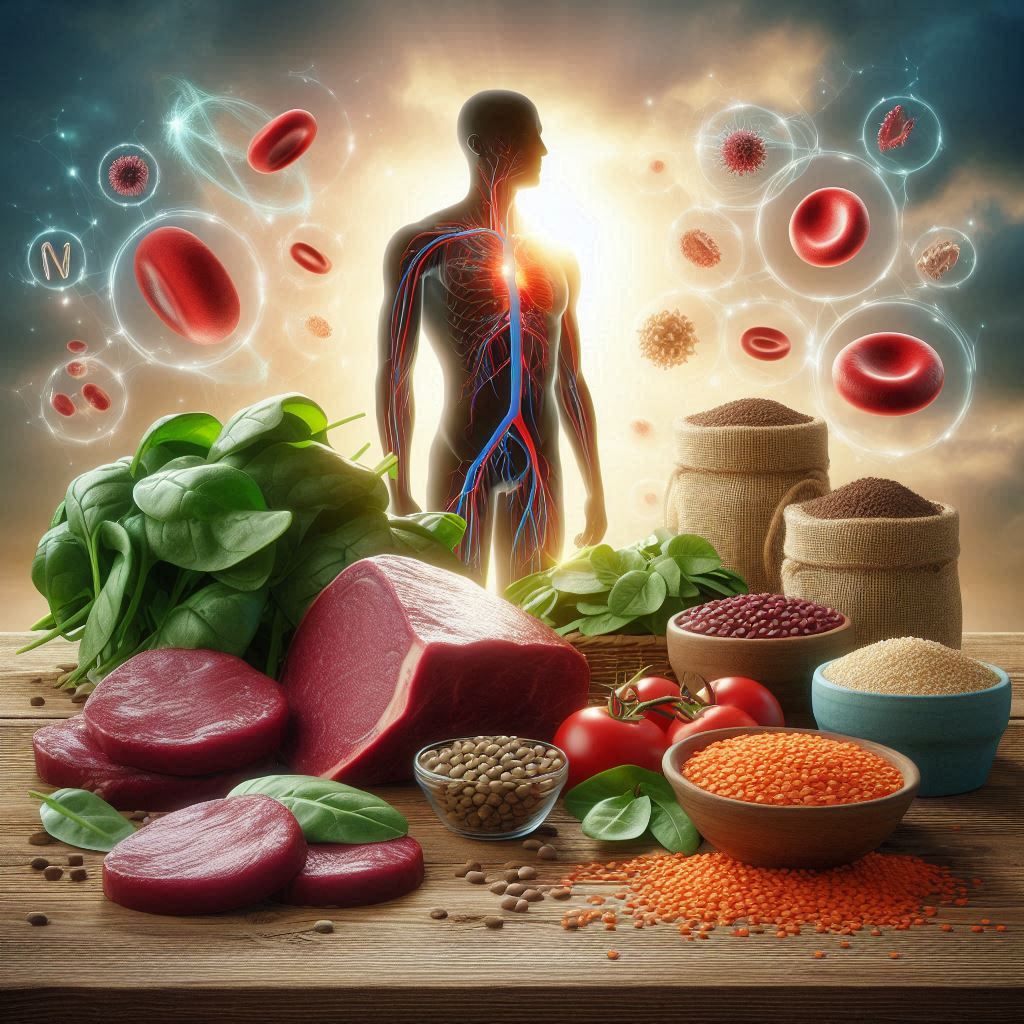
Common Iron Deficiency Symptoms:
Iron is an essential mineral that plays a vital role in producing red blood cells and carrying oxygen throughout the body. Iron deficiency, also known as anemia, can lead to a range of symptoms. Here are some common signs of iron deficiency:
1. Fatigue and Weakness from Iron Deficiency:
Feeling tired and low on energy is one of the most common symptoms of iron deficiency. The body needs iron to produce hemoglobin, which carries oxygen to tissues. Inadequate iron levels can reduce oxygen delivery, leading to fatigue and weakness.
2. Pale Skin:
Hemoglobin is responsible for the red color of blood, so low hemoglobin levels due to iron deficiency make the blood less red. This is why the skin appears pale in people with iron deficiency, especially on the face or areas like the lips, under the nails, or dark circles under the eyes.
3. Shortness of Breath:
Hemoglobin transports oxygen throughout the body. When iron is low, hemoglobin levels drop, meaning oxygen levels in the blood also decrease. This leads to an increased breathing rate as the body tries to get more oxygen, making shortness of breath a common symptom of iron deficiency.

4. Headaches:
Iron deficiency can cause headaches, especially in women. Although the relationship between iron deficiency and headaches is not fully clear, researchers believe several factors contribute, including affected dopamine function and estrogen levels due to low iron.
5. Hair Growth Problems and Hair Loss:
Dry or damaged hair may be a sign of iron deficiency, as lower hemoglobin levels reduce the amount of oxygen available to cells responsible for hair growth.
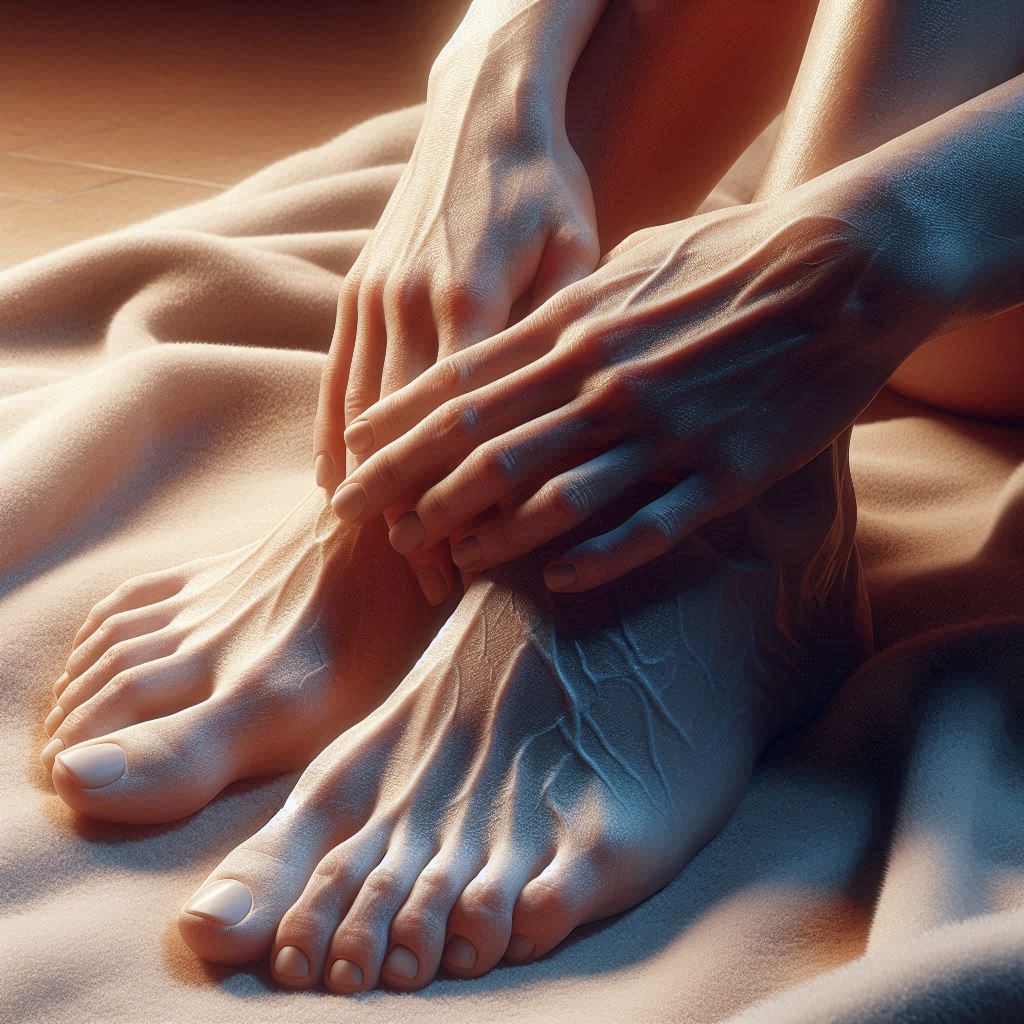
6. Cold Hands and Feet:
Reduced blood flow and oxygen caused by iron deficiency can lead to a feeling of coldness in the extremities, such as the hands and feet.
Common Causes of Iron Deficiency:
Iron deficiency can result from several factors, including:
1. Blood Loss: Iron deficiency can easily occur in cases of chronic blood loss. Common causes include regular blood donation, frequent nosebleeds, or other chronic conditions.
2. Inability to Absorb Iron: Iron is absorbed from food in the small intestine. Certain digestive disorders, such as celiac disease, can affect the intestine’s ability to absorb nutrients from digested food.
3. Pregnancy, Childbirth, and Breastfeeding: During pregnancy, women need double the amount of iron to produce more blood to supply the fetus with nutrients and oxygen.
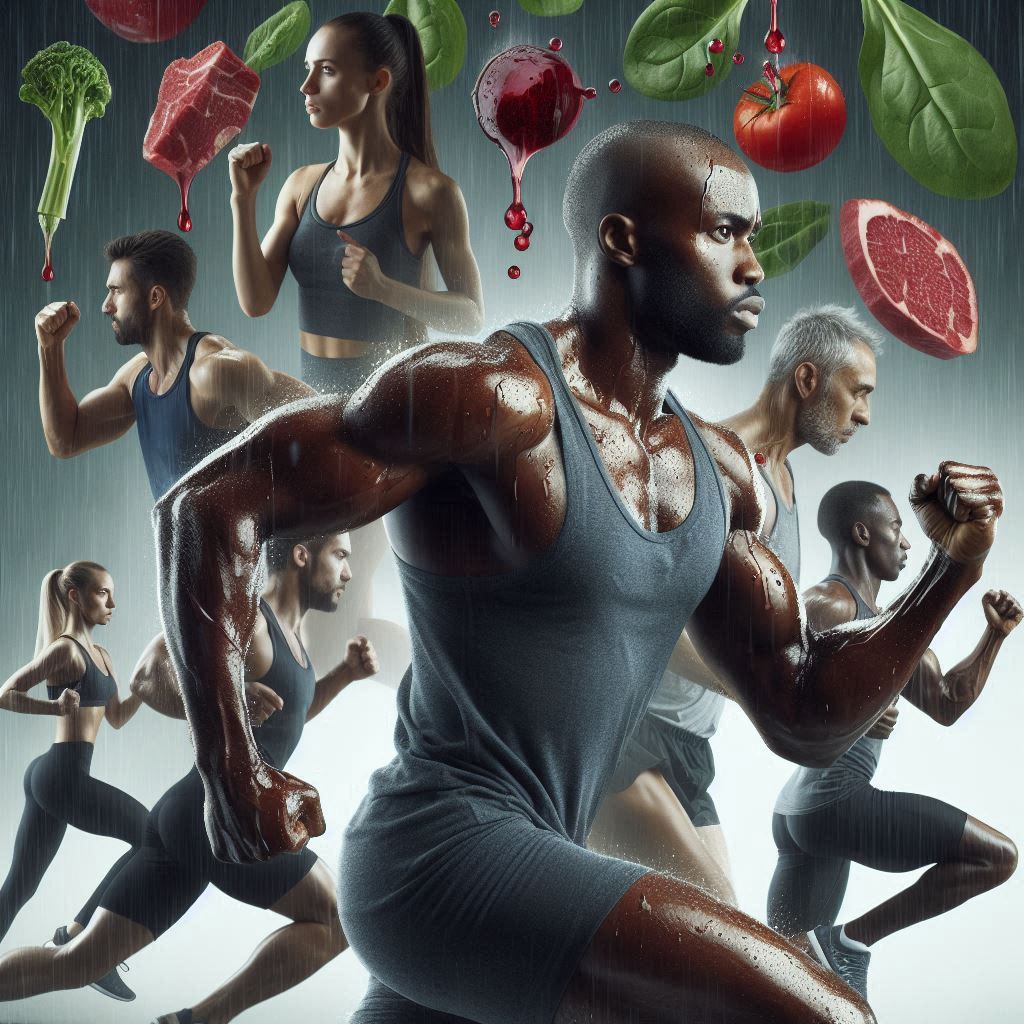
4. Intense Exercise: Athletes are more prone to iron deficiency because regular exercise increases the body’s need for iron.
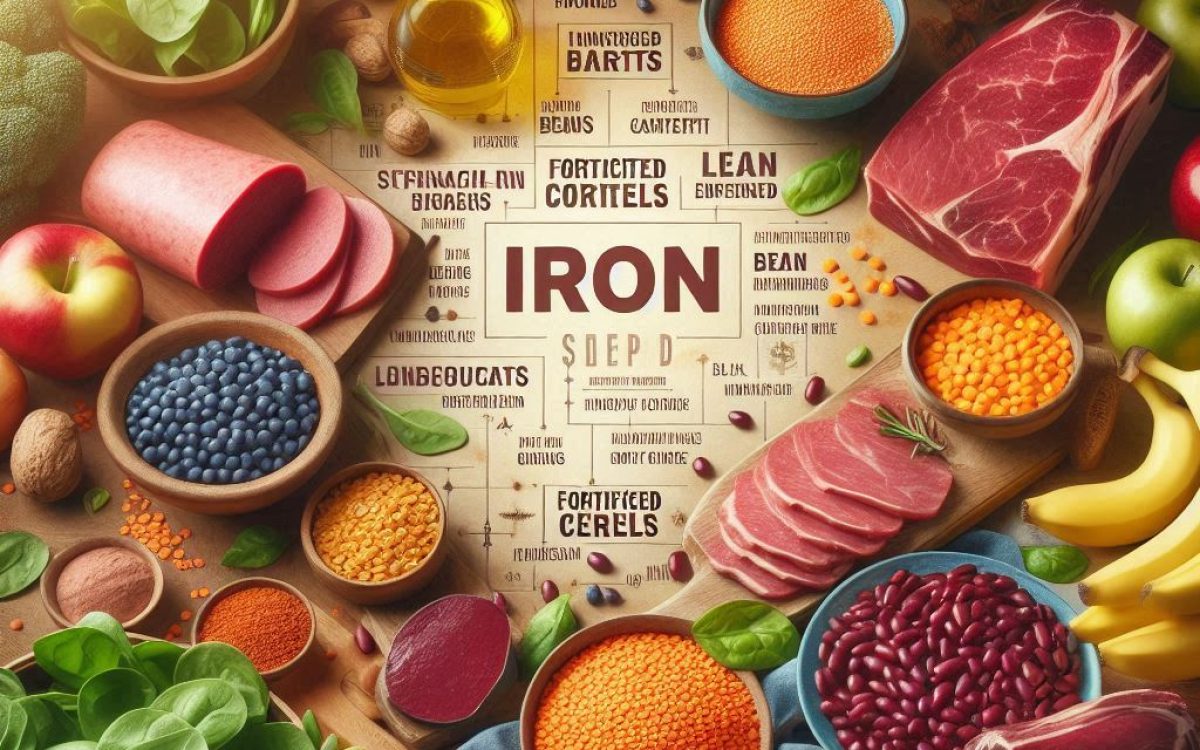
Best Iron-Rich Foods to Combat Iron Deficiency:
1. Red Meat:
Red meat (especially beef, lamb, and chicken liver) is the best source of iron and is the most easily absorbed form. About 30% of heme iron in red meat is absorbed by the body.
2. Green Leafy Vegetables:
Green leafy vegetables are nutrient-rich foods and a good source of many nutrients, including iron.
3. Nuts and Seeds:
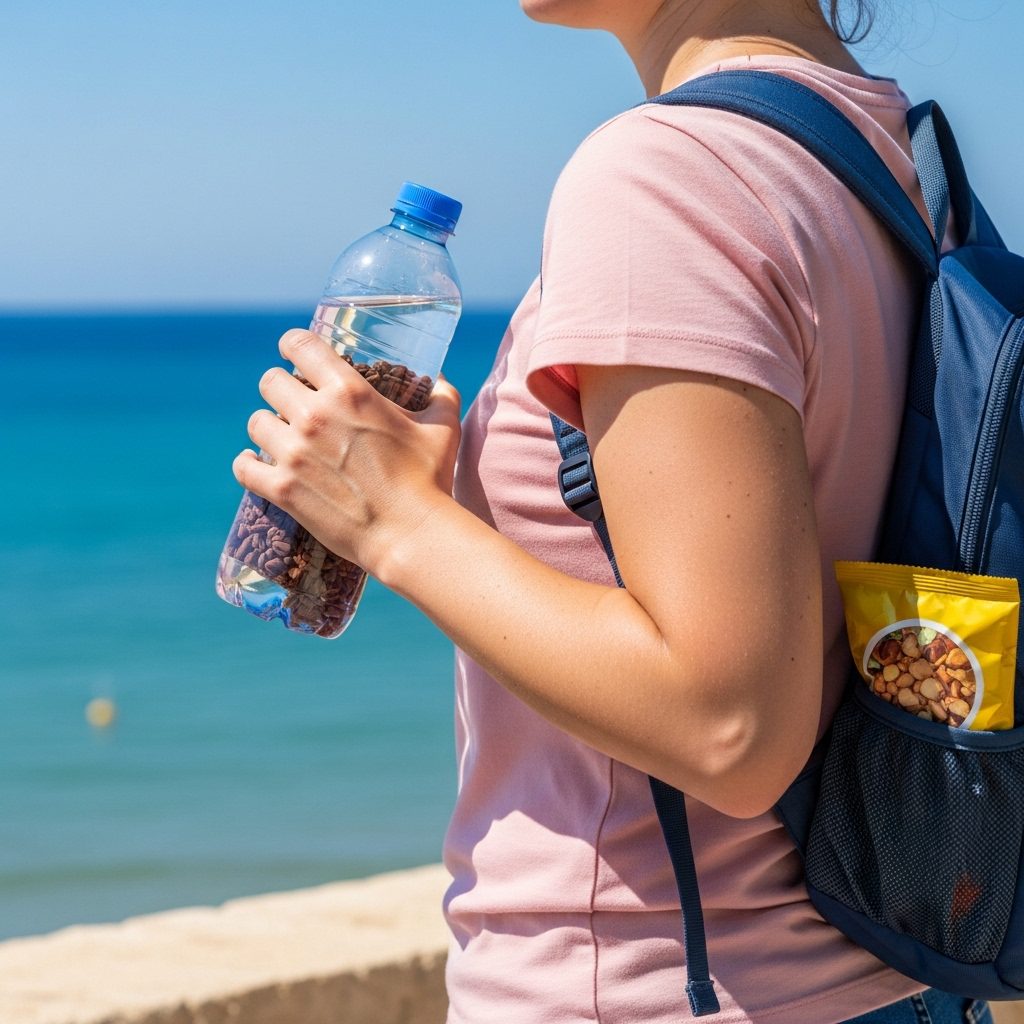
Seeds like pumpkin seeds, cashews, and almonds are beneficial as snacks to increase iron intake and improve energy levels.
4. Whole Grains:
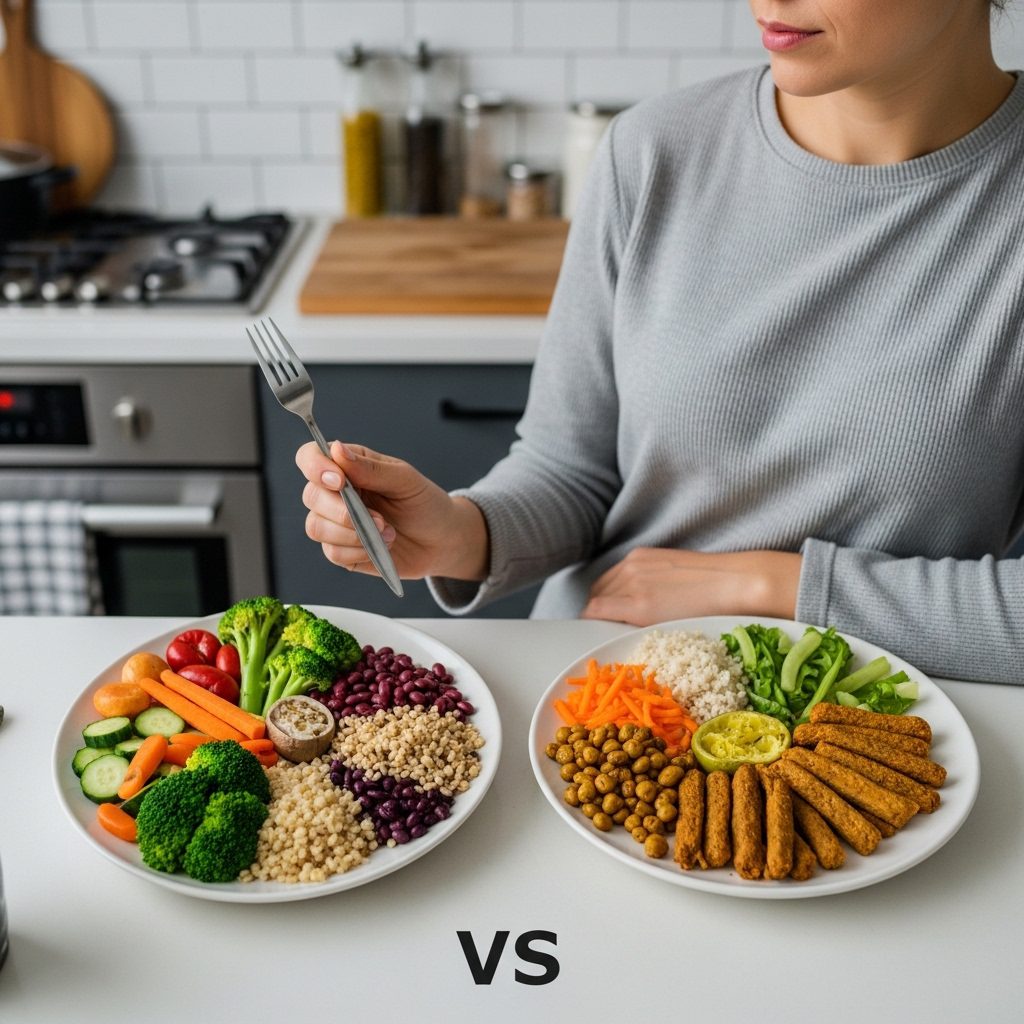
Oats, quinoa, and brown rice contain iron and other essential minerals for the body.
5. Poultry and Fish:
Chicken breast and fish like salmon and tuna contain good amounts of iron. They are also easy to digest and suitable for many people.

Tips to Enhance Iron Absorption:
1. Consume foods rich in vitamin C with plant-based iron sources, such as red peppers or oranges, to improve absorption.
2. Avoid drinking tea or coffee immediately after meals, as they reduce iron absorption.
3. Combining animal protein with plant-based iron sources enhances absorption and increases nutritional benefits.
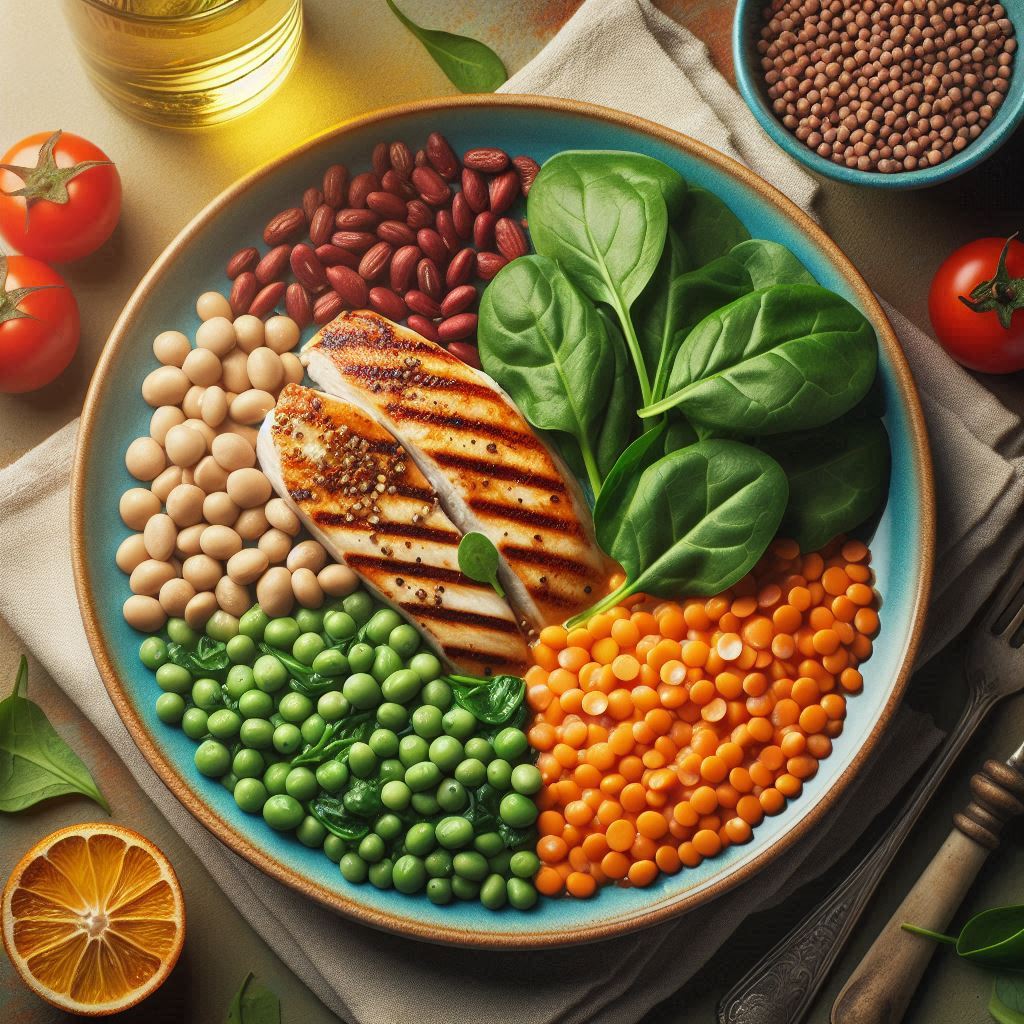
Knowing the symptoms of iron deficiency and incorporating iron-rich foods into the diet can make a significant difference in daily life quality. Whether through meat, legumes, or vegetables, the body can get what it needs to enhance physical and mental performance. For more detailed and reliable information about nutrition and the best health tips, you can visit our website Nutrition Travels. Maintaining a balanced diet is the best way to avoid iron deficiency problems and feel energetic and healthy consistently.