
Sugar hides in more foods than you might imagine — especially in products marketed for children. From colorful cereals and fruit yogurts to granola bars and juices, many snacks that appear “healthy” actually contain surprising amounts of added sugar. While a sweet treat now and then is fine, consistently high sugar intake can affect your child’s health, energy, mood, and even long-term development.
This article explores how to identify hidden sugars in kids’ snacks, the impact of excess sugar, and smart ways to choose healthier alternatives without depriving your little ones of taste or fun.

1- Why Hidden Sugar Is a Growing Concern
Children today consume far more sugar than recommended. According to the World Health Organization (WHO), kids should get less than 10% of their daily calories from added sugar — ideally closer to 5%. Yet, many children exceed that amount before lunchtime, often without realizing it.
Excess sugar can lead to:
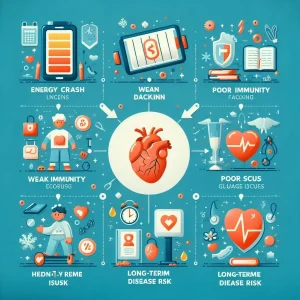
- Weight gain and childhood obesity
- Tooth decay and cavities
- Energy crashes and mood swings
- Weakened immunity
- Increased risk of diabetes and heart disease later in life
The problem isn’t just candy or desserts — it’s the hidden sugars that sneak into foods we consider healthy or essential.
2- Where Sugar Hides in Kids’ Snacks
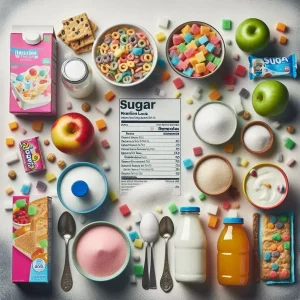
Food manufacturers use dozens of names for sugar to disguise it on ingredient lists. Learning to recognize these aliases is the first step in reducing sugar intake.
Common hidden sugar names include:
- High-fructose corn syrup
- Glucose syrup
- Dextrose
- Maltose
- Evaporated cane juice
- Fruit juice concentrate
- Maltodextrin
- Brown rice syrup
- Agave nectar
If any of these appear near the top of the ingredients list, it’s a sign the product contains a lot of added sugar.
3- “Healthy” Snacks That Aren’t So Healthy
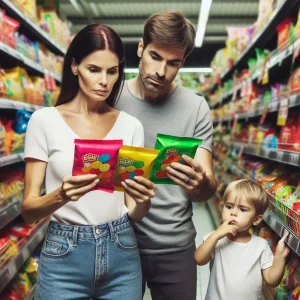
Many foods marketed as “natural,” “low-fat,” or “fortified” can be misleading. Parents often choose them thinking they’re nutritious, but they can still pack a sugar punch.
Examples of deceptively sugary snacks:
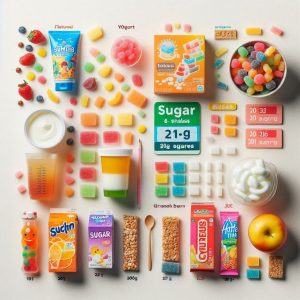
- Flavored yogurts: Some single-serve cups contain up to 20 grams of sugar — equivalent to 5 teaspoons.
- Fruit snacks and gummies: Often made from juice concentrates and added syrups, not real fruit.
- Granola bars and breakfast bars: Frequently coated in chocolate, honey, or corn syrup.
- Cereals marketed to kids: Even “whole grain” varieties may contain 10–12 grams of sugar per serving.
- Juice boxes: Contain as much sugar as soda, despite being labeled “100% juice.”
When in doubt, always read the nutrition label — not just the marketing on the front of the package.
4- How to Read Nutrition Labels Like a Pro
Understanding food labels is one of the most effective tools for identifying hidden sugar.
Here’s what to look for:
- Check the “Added Sugars” line: Modern labels list both total and added sugars. Aim for snacks with less than 5 grams of added sugar per serving.
- Pay attention to serving size: Many snacks list unrealistically small serving sizes, making sugar content seem lower.
- Watch for ingredient order: Ingredients are listed by quantity. If sugar appears among the first three items, it’s a high-sugar product.
- Look at carbohydrates: If most of the total carbs come from sugar, the product likely provides little nutritional value.
Tip: Compare two similar products — often, a “plain” version has much less sugar than a flavored one.

5- The Impact of Excess Sugar on Kids’ Health
Sugar doesn’t just cause cavities — it affects almost every part of a child’s body.
- Energy highs and crashes: Sugary snacks cause quick spikes in blood sugar followed by sudden drops, leading to fatigue and irritability.
2. Weakened immune system: Excess sugar can suppress immune responses, making kids more prone to infections.
3. Poor focus: High sugar intake can affect concentration and attention span, impacting learning and school performance.
4. Weight and metabolic issues: Consistent overconsumption contributes to insulin resistance, a precursor to diabetes.
5. Long-term health risks: Studies link high-sugar diets in childhood to increased risk of chronic diseases in adulthood.
6- Smart Swaps for Healthier Snacking
The good news? Reducing sugar doesn’t mean eliminating sweetness. You can make simple swaps to create balanced snacks that kids love.
Healthy alternatives include:
- Fresh fruit instead of fruit snacks — whole fruits contain natural sugars with fiber that slows absorption.
- Plain yogurt with fresh berries or honey drizzle instead of flavored versions.
- Homemade smoothies made with milk, spinach, banana, and a small portion of fruit.
- Whole-grain toast with nut butter instead of sweet pastries.
- Popcorn or roasted chickpeas as crunchy, low-sugar alternatives to chips.
These swaps not only reduce sugar intake but also add vitamins, minerals, and healthy fats essential for growing bodies.

7- Drinks: The Hidden Sugar Trap
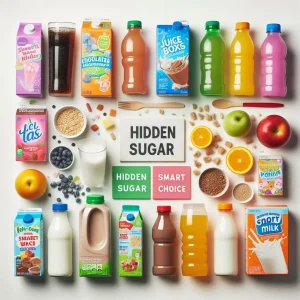
Beverages are a major source of added sugar for children. Even drinks labeled “organic” or “natural” can contain shocking amounts.
Top offenders include:
- Flavored milk and chocolate milk
- Juice boxes and fruit punches
- Sports drinks and sweetened water
- Soda and carbonated beverages
Instead, encourage:
- Water as the main beverage.
- Infused water with fruit slices or mint for flavor.
- Unsweetened milk or plant-based alternatives like almond or oat milk.
Remember: one juice box can exceed a child’s daily sugar limit.
Spotting hidden sugar in kids’ snacks is an essential skill for parents who want to protect their children’s health and well-being. By reading labels, choosing natural foods, and leading by example, you can significantly reduce sugar intake — without making your child feel deprived.
Start today by checking one snack in your pantry. Swap it for a whole-food alternative and see how small changes can make a big difference.
At Nutrition Travels, we believe that mindful eating begins with awareness. Explore our guides to discover healthy swaps, simple recipes, and tips to keep your family energized, happy, and thriving — one bite at a time.