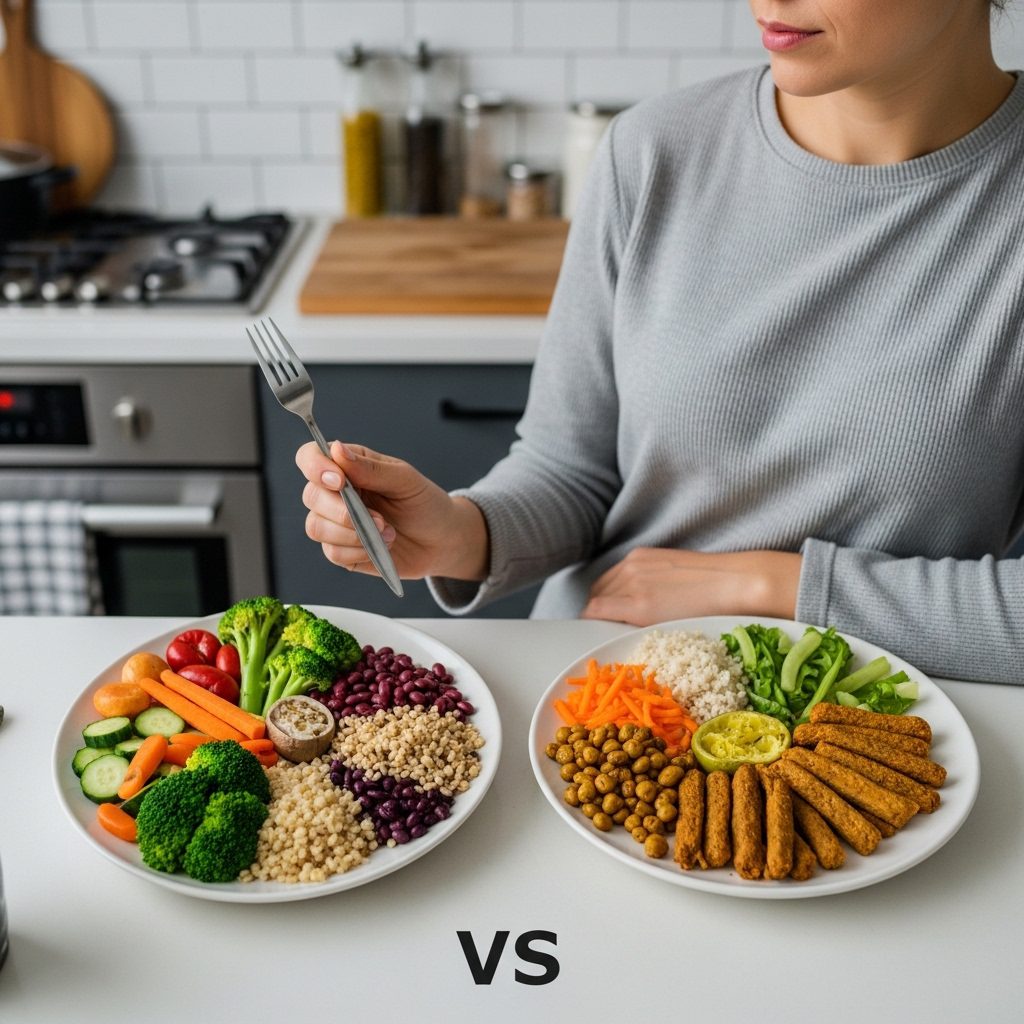

Every parent knows the struggle: you prepare a colorful plate filled with nutritious vegetables, and your child pushes it away with a grimace. Whether it’s broccoli, spinach, or peas, many children instinctively reject vegetables. While it might seem like a small issue, picky eating can affect a child’s nutrition, growth, and long-term relationship with healthy food. The good news is that there are smart, science-backed strategies to help children accept and even enjoy vegetables—without stress or endless negotiations at the dinner table.
Why Kids Resist Vegetables
Children’s dislike of vegetables isn’t just stubbornness. There are biological, psychological, and behavioral factors behind it.
Biologically, kids are more sensitive to bitter flavors, which makes some vegetables—like spinach or Brussels sprouts—taste unpleasant. Psychologically, children often prefer familiar and sweet foods because they associate them with comfort. Behaviorally, if they sense tension during mealtime or feel pressured to eat, they’re more likely to resist.
Additionally, exposure plays a role. Studies show that children need to try a new food between 10 and 15 times before accepting it. So, rejection at first bite doesn’t mean they’ll never like it—it simply means they need more gentle exposure.

Start with Small Changes
Instead of forcing vegetables, start with small, consistent changes. Offer tiny portions of vegetables alongside favorite foods. For example, add finely chopped carrots to pasta sauce or blend spinach into smoothies. These “hidden veggies” techniques can introduce new flavors gradually, allowing kids to adapt without feeling overwhelmed.
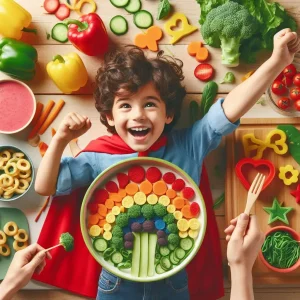
You can also make vegetables visually appealing. Kids eat with their eyes first, so present food in fun shapes or colorful combinations. Create a “veggie rainbow” using red peppers, yellow corn, green beans, and purple cabbage. Giving vegetables creative names—like “superhero spinach” or “power broccoli”—can also make them sound more exciting.
Be a Role Model
Children mimic their parents’ eating habits. If they see you eating and enjoying vegetables, they’re more likely to try them. Avoid negative comments about taste, even jokingly, because children absorb that attitude. Make vegetables a normal part of every meal without emphasizing them too much. The goal is to show that healthy eating is enjoyable, not forced.
Eating together as a family also helps. Family meals create a relaxed environment that encourages kids to explore food naturally. Research shows that children who eat with their families tend to consume more fruits and vegetables overall.

Involve Kids in the Kitchen
Kids are more likely to eat what they help prepare. Involve them in grocery shopping and cooking. Let them pick a new vegetable each week and find creative ways to cook it together. Whether they wash lettuce, stir a sauce, or decorate a plate, participating builds curiosity and ownership. When kids feel empowered, they’re more open to trying the results of their own efforts.
You can even turn cooking into a fun experiment—compare how different vegetables taste raw versus roasted, or mix them into colorful dishes like veggie pizzas or tacos. Learning about food through play transforms mealtime into a positive experience rather than a battle.
Avoid Pressure and Bribes
One of the most common mistakes parents make is pressuring or bribing kids to eat vegetables—“Eat your broccoli, and you’ll get dessert.” While it may work short-term, it teaches children that vegetables are something to endure, not enjoy. Instead, offer choices: “Would you like carrots or peas today?” Giving them options helps them feel in control while still eating nutritious foods.
Also, avoid labeling children as “picky eaters.” Labels can reinforce behavior. Instead, use positive language like “You’re learning to like new foods” or “Your taste buds are growing stronger.

Pair Vegetables with Familiar Flavors
To make vegetables more appealing, combine them with foods your child already enjoys. Add cheese to broccoli, serve sweet potatoes with cinnamon, or dip cucumber sticks in hummus or yogurt. Pairing new flavors with favorites reduces anxiety and helps children associate vegetables with pleasure rather than pressure.
Additionally, texture matters. Some children reject vegetables because of their texture, not taste. Experiment with different cooking methods—roasting for crispiness, steaming for softness, or blending into soups—to find what your child prefers.

Turn Vegetables into Fun Snacks
If your child dislikes vegetables during meals, try offering them as snacks instead. Make veggie sticks with a tasty dip, create mini skewers with cherry tomatoes and cheese cubes, or bake kale chips for a crunchy treat. You can even make smoothies with spinach, banana, and berries for a naturally sweet flavor packed with nutrients.
Making vegetables part of snack time removes the mealtime pressure and allows kids to enjoy them casually.
Stay Patient and Consistent
Patience is key. Remember, food preferences develop over time. Avoid getting frustrated or showing disappointment if your child refuses vegetables again. Keep offering them in different forms and flavors. The more relaxed you stay, the more comfortable your child will feel exploring new tastes.
Consistency works better than confrontation. Keep vegetables visible—on the table, in lunchboxes, and in the fridge. The goal is to normalize them so they’re seen as a regular part of daily life, not a punishment.

Celebrate Small Wins
If your child tries even a bite of a new vegetable, praise their effort without exaggerating. Positive reinforcement helps them feel proud and encourages them to keep experimenting. You can also turn it into a family challenge: try one new vegetable each week and rate it together. This playful approach builds excitement instead of resistance.
Final Thoughts
Helping kids embrace vegetables is not about forcing or bribing—it’s about patience, creativity, and consistency. Every child’s taste develops differently, and small steps can lead to big results. Keep mealtime stress-free, celebrate curiosity, and make vegetables part of fun family traditions.
Remember, healthy habits start at home. By creating a positive food environment, you’re setting your child up for lifelong wellness.
Want more science-backed nutrition tips and kid-friendly meal ideas?
Visit Nutrition Travels for expert guidance, healthy recipes, and practical strategies to help your whole family eat better—one colorful plate at a time.