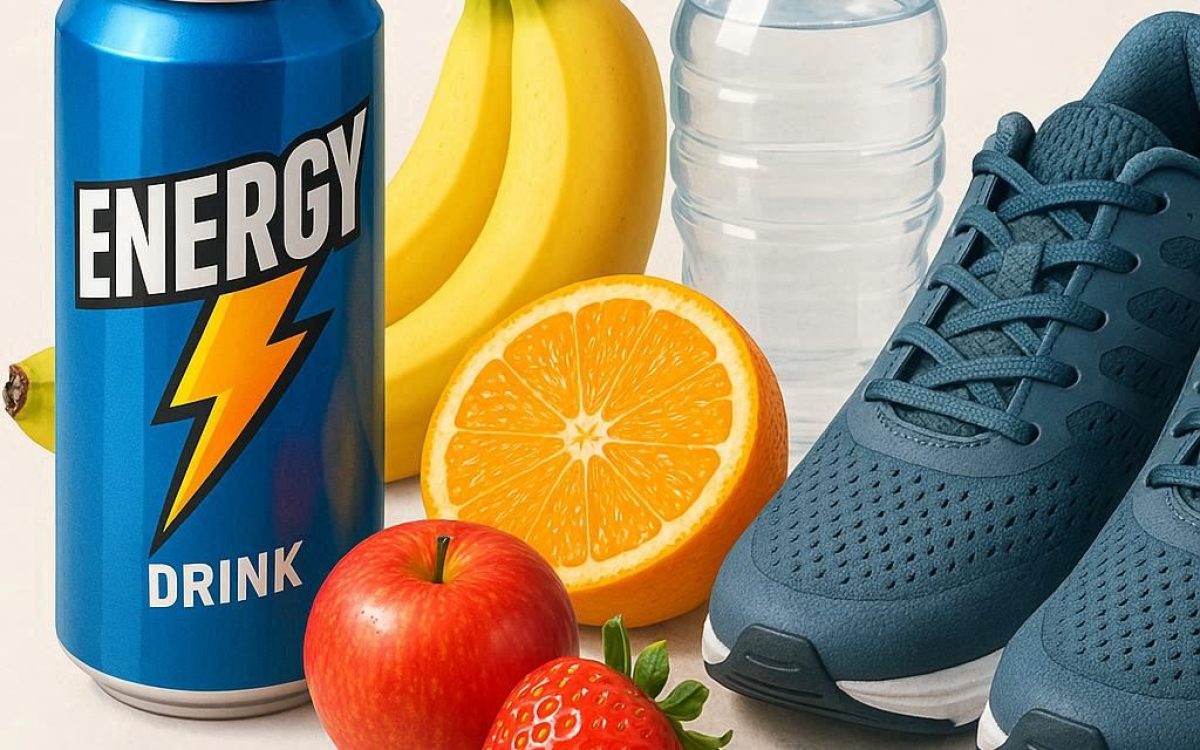
Energy drinks are everywhere—on gym shelves, in vending machines, and even promoted as quick fixes for long workdays. They promise instant energy, sharper focus, and better performance. But here’s the big question: do they really deliver on those promises, or are they doing more harm than good?
In this article, we’ll break down the science behind energy drinks, their short-term effects, hidden risks, and healthier alternatives—so you can decide if they’re truly a boost or just a bust.
What’s Inside an Energy Drink?
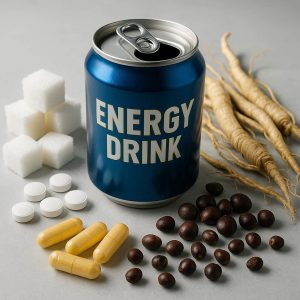
Energy drinks aren’t just caffeine in a can. Most contain a mix of:
- Caffeine: Ranges from 80–300 mg per serving (a cup of coffee has ~95 mg).
- Sugar: Often 25–40 grams per can, though “sugar-free” options exist.
- B vitamins: Claimed to boost energy metabolism.
- Taurine, guarana, ginseng: Herbal or amino acid additives with mixed evidence.
On the surface, this combo looks like the perfect “energy cocktail.” But it’s not that simple.
The Short-Term “Boost”
Energy drinks can deliver noticeable benefits, especially when you’re tired:
- Increased alertness and focus
- Reduced perception of effort during exercise
- Quick energy from sugar (if present)
That’s why athletes, students, and night-shift workers often turn to them. But these benefits usually come with a catch.

The Hidden Downsides
1- Caffeine Overload
While caffeine can improve performance in moderate doses, too much can lead to:
- Jitters and anxiety
- Rapid heartbeat
- Sleep disruption
- Dependency over time
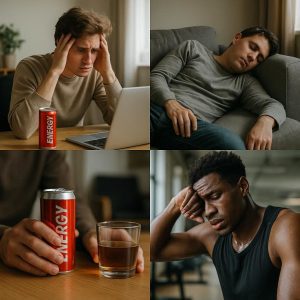
Many energy drinks contain as much caffeine as three cups of coffee in one can—and people often drink more than one.
2- Sugar Spikes (and Crashes)
A can of energy drink can pack more sugar than a soda. This causes a quick energy spike, followed by a sharp crash that leaves you more tired than before. Long-term, excess sugar also raises the risk of weight gain, insulin resistance, and dental problems.
3- Mixing with Alcohol
One of the most dangerous trends is mixing energy drinks with alcohol. The caffeine masks alcohol’s sedative effects, making people feel more awake than they are—leading to risky decisions and increased alcohol consumption.
4- Impact on Athletes
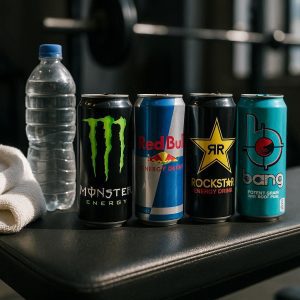
While some athletes use energy drinks before competitions, studies show they may dehydrate the body, raise blood pressure, and reduce sleep quality—outweighing any short-term performance gains.
Are “Sugar-Free” Energy Drinks Any Better?
Zero-calorie energy drinks remove the sugar, but the high caffeine and artificial sweeteners are still there. While they may reduce calories, they don’t solve the issues of overstimulation, poor sleep, or dependency.
Healthier Alternatives for an Energy Boost
If you want sustainable energy without the crash, try these options:
- Coffee or tea: Natural caffeine, often with antioxidants.
- Balanced meals: Whole grains, lean protein, and healthy fats provide steady energy.
- Hydration: Fatigue is often linked to dehydration—water may be the best “energy drink.”
- Naps and better sleep: No drink can replace proper rest.
- Snacks with protein and fiber: Like Greek yogurt with fruit, or nuts with dried berries.

Who Should Avoid Energy Drinks?
Energy drinks can be especially risky for:
- Teenagers and children
- Pregnant or breastfeeding women
- People with heart conditions or high blood pressure
- Anyone sensitive to caffeine
So, are energy drinks a boost or a bust? The answer depends on how, when, and how often you use them. A single can now and then probably won’t hurt most healthy adults, but making them a daily habit comes with real risks—especially if you’re chasing sleep with caffeine instead of better recovery.
Instead of relying on quick fixes, focus on balanced nutrition, proper hydration, and quality rest. These are the real energy boosters your body needs.
For more science-backed tips, smarter food choices, and performance strategies, visit Nutrition Travels—your trusted source for eating well, training strong, and living with lasting energy.