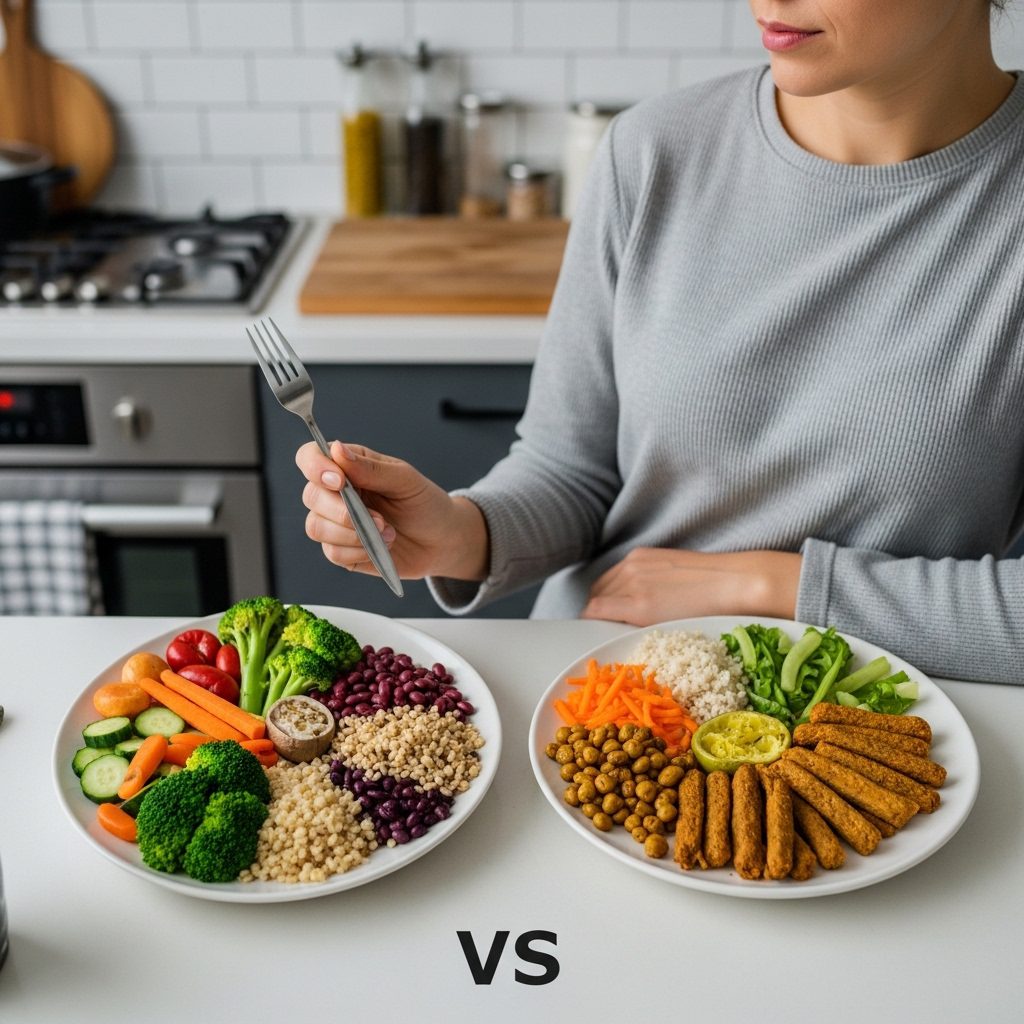

Diet changes for ADHD have become a growing area of research in recent years. Attention Deficit Hyperactivity Disorder (ADHD) is one of the most common neurological conditions among children and adolescents — and often continues into adulthood. This disorder, marked by difficulties in focus, hyperactivity, and impulsivity, can significantly affect academic, social, and professional life. While medications remain a key treatment, many studies now suggest that specific diet changes for ADHD may help reduce symptoms and improve concentration naturally.
In this article, we’ll explore how diet can influence ADHD symptoms, and which foods are recommended or best avoided, based on recent scientific studies.

How Diet Changes for ADHD Support Brain Function:
The brain relies heavily on nutrients to function properly. Vitamins, minerals, fatty acids, and proteins all play key roles in producing neurotransmitters and regulating brain activity.
Therefore, a deficiency or excess of certain nutrients can lead to imbalances in behavior or concentration, potentially worsening ADHD symptoms.
Studies show that children with ADHD often have deficiencies in essential nutrients, such as:
- Omega-3 fatty acids
- Iron, zinc, and magnesium
- Vitamins B6 and B12
- Amino acids needed to produce dopamine and serotonin
These nutrients are vital for regulating mood, attention, and brain activity — making nutrition a crucial factor that should not be overlooked.
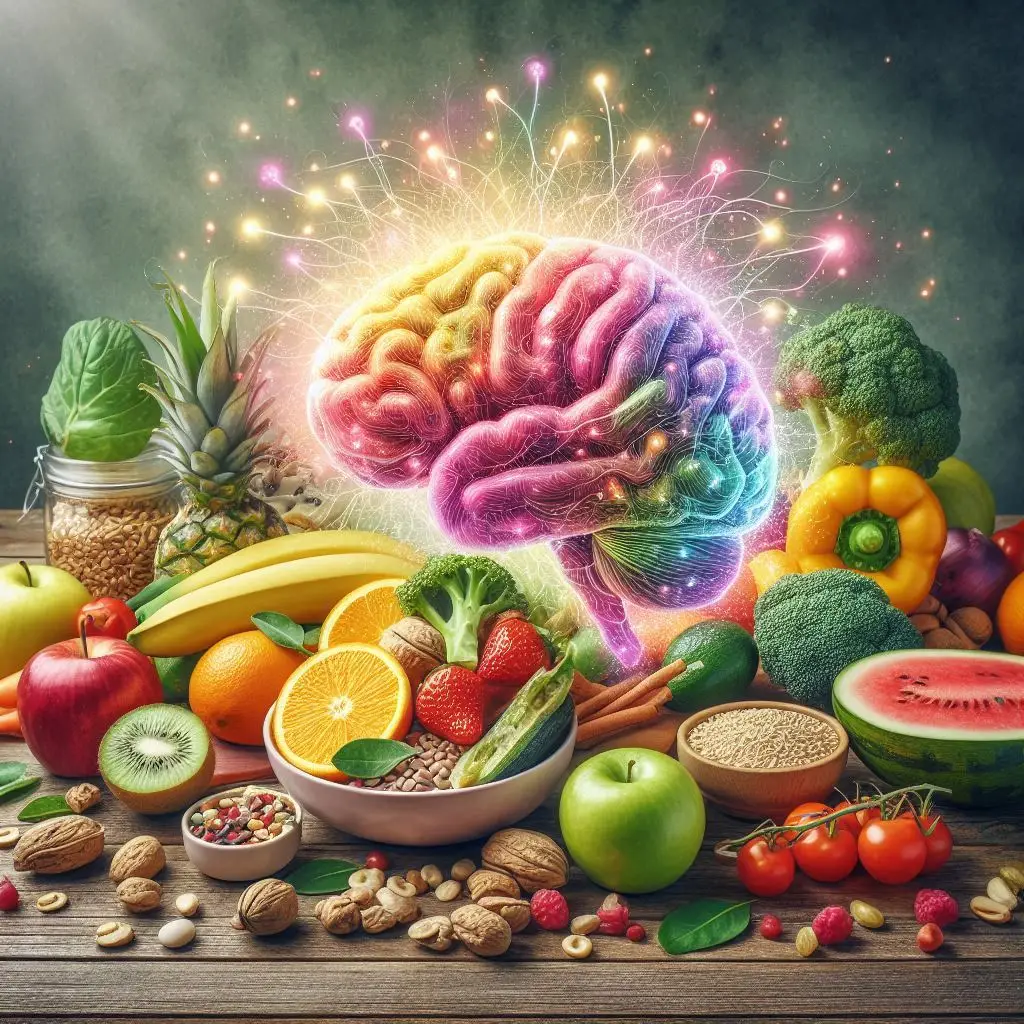
Omega-3 Fatty Acids and Their Role in Focus and Behavior:
Numerous studies have shown that omega-3 fatty acids (found in fatty fish like salmon and sardines) help improve brain function and reduce impulsivity and hyperactivity.
They are essential components of neuronal cell membranes and enhance communication between brain cells — supporting better attention and memory.
In a review involving over 700 children with ADHD, taking omega-3 supplements for 3 to 6 months significantly improved attention, calm behavior, and reduced distractibility.
Top food sources of Omega-3 include:
- Fatty fish (salmon, tuna, sardines)
- Flaxseeds and chia seeds
- Walnuts
- Canola oil and fish oil
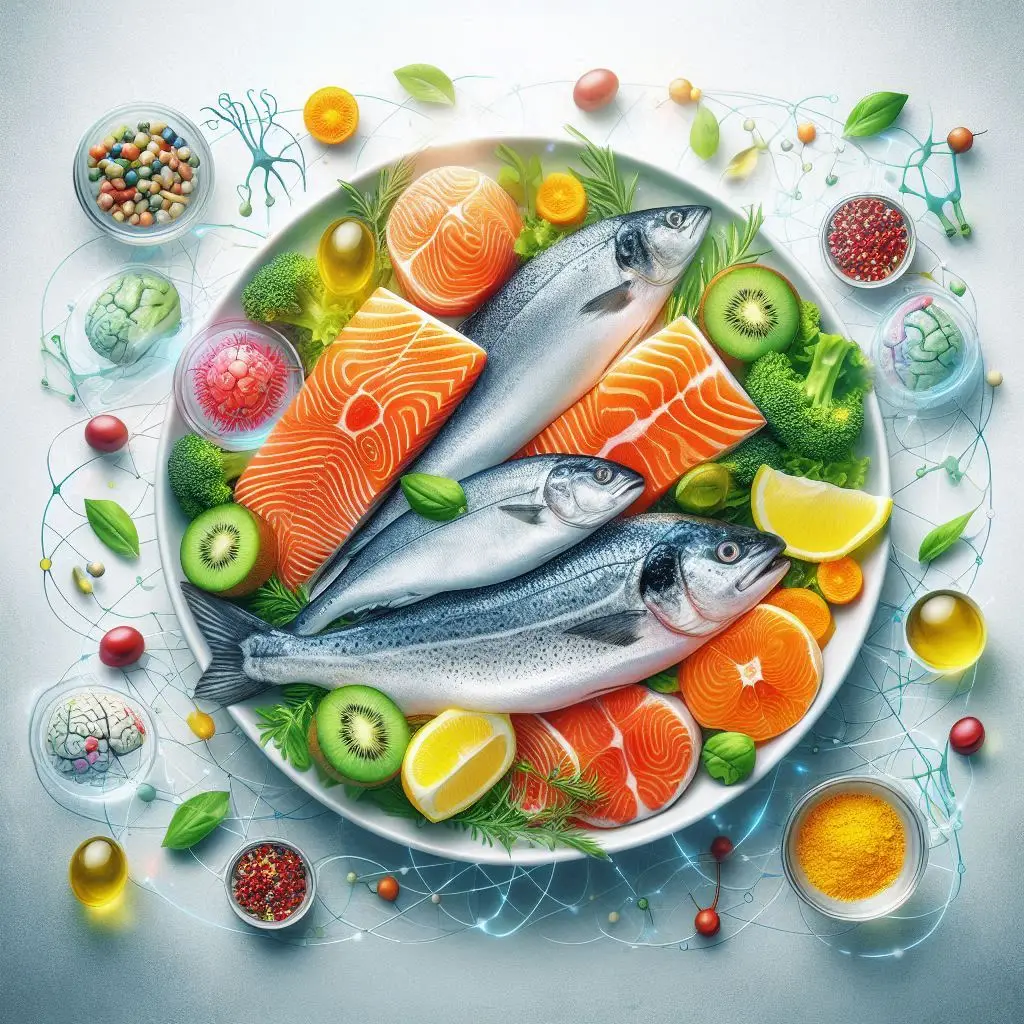
Why Reducing Sugar Matters in Diet Changes for ADHD:
Research suggests that excessive intake of simple sugars (like candies, sodas, and artificial juices) can increase hyperactivity and difficulty concentrating, especially in children.
Simple sugars cause a rapid spike in blood glucose levels followed by a sharp drop, which affects mood and attention.
Therefore, it’s recommended to follow a balanced, low-sugar diet based on complex carbohydrates such as:
- Oats
- Sweet potatoes
- Brown rice
- Whole grains
These foods provide steady energy for the brain without dramatic sugar fluctuations, helping maintain focus and calmness for longer periods.

Protein’s Role in ADHD Diet Management:
Proteins are necessary for producing neurotransmitters such as dopamine and norepinephrine, which play a major role in controlling attention and motivation.
Adding protein-rich meals to the daily diet (especially breakfast) can help:
- Improve morning focus and alertness
- Reduce hyperactivity episodes
- Stabilize mood and energy levels
Best protein sources include:
- Lean meats, poultry, and fish
- Eggs
- Dairy products
- Nuts and seeds
- Beans and legumes
- Quinoa (a high-protein grain)
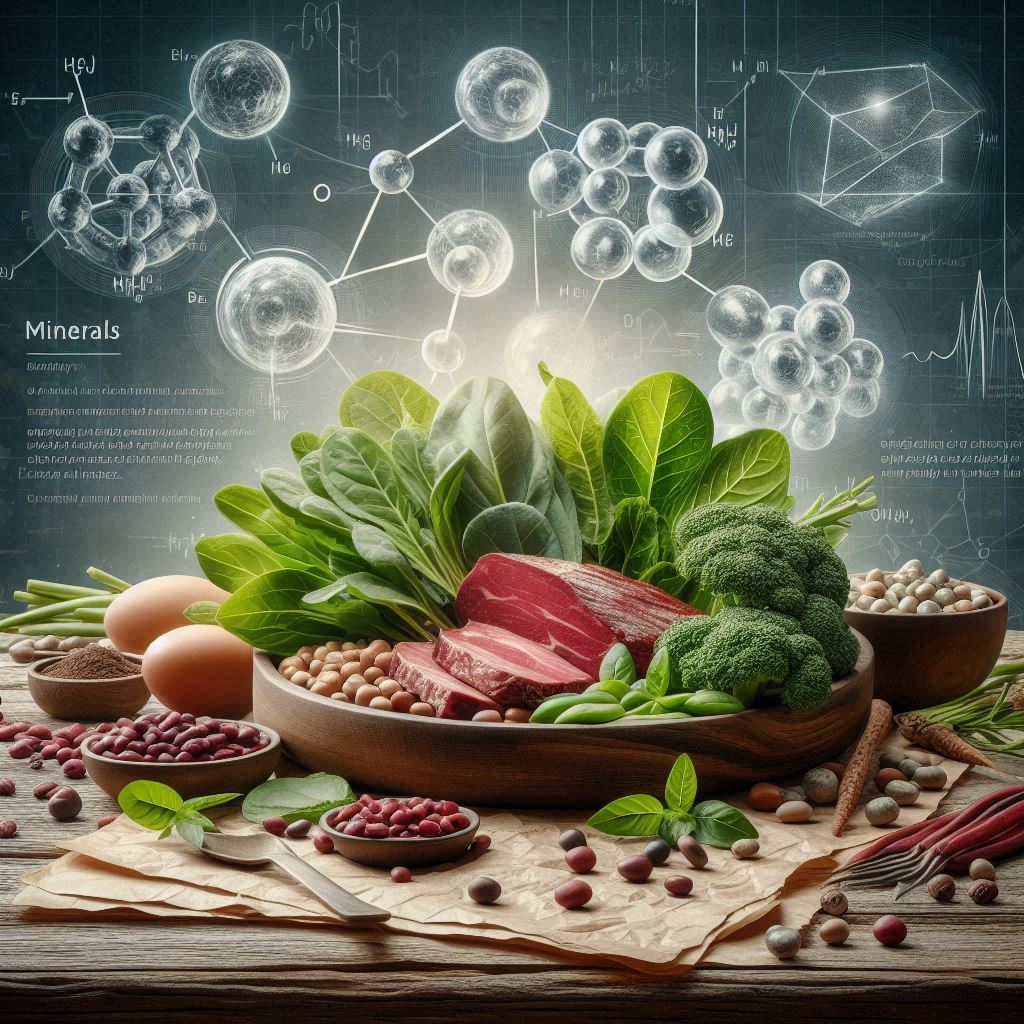
The Role of Key Minerals (Iron, Zinc, and Magnesium):
1. Iron:
Iron is essential for producing dopamine, a neurotransmitter linked to focus and motivation.
Low iron levels may lead to poor concentration and increased hyperactivity.
Sources: liver, red meat, spinach, lentils, and legumes.
2. Zinc:
Zinc helps regulate neurotransmitters like dopamine and serotonin. Studies show that zinc supplements may improve behavior and attention in children with ADHD.
Sources: nuts, whole grains, meats, and legumes.
3. Magnesium:
Magnesium acts as a natural relaxant for the nervous system, helping reduce anxiety and irritability.
Sources: leafy greens, bananas, avocados, and nuts.
Avoiding Additives in ADHD Diet Plans:
Some studies suggest that children consuming high amounts of artificial colors, flavors, and preservatives may show more impulsive or hyperactive behavior.
Common additives linked to worsening symptoms include:
- Red dye
- Yellow dyes
- Sodium benzoate (a preservative found in juices and sodas)
For this reason, some organizations recommend trying an elimination diet for one month, removing these additives and observing behavioral changes.
The Role of Hydration and Caffeine in Focus:
Many people overlook how important proper hydration is for mental performance. Even mild dehydration can cause poor focus and distractibility.
It’s important to drink enough water throughout the day, especially during school or study sessions.
As for caffeine, while it may improve focus in some adults, it’s not recommended for children, as it can increase anxiety, cause restlessness, and interfere with sleep.

Research shows that nutrition can play a strong supportive role in managing ADHD symptoms.
A balanced diet rich in omega-3s, proteins, vitamins, and minerals — while limiting refined sugars and artificial additives — can help improve focus, behavior, and impulse control.
Although dietary changes alone are not a cure, they represent a safe and natural way to support both the brain and body, especially when guided by a nutritionist or healthcare professional.
Food is not just a source of energy — it’s a tool to enhance brain health and overall well-being for anyone living with this condition.
At Nutrition Travels, we’re committed to providing you with evidence-based nutritional information to help you choose the best lifestyle for your physical and mental health.
Because we believe that healthy eating is not just about food — it’s a journey toward a better balance for your body and mind. 🌿