
Many people separate food from emotions, thinking that eating is only about filling hunger or maintaining weight. But the truth is that diet and mental health are deeply connected. Our daily food choices can boost our energy, calmness, and focus—or, conversely, lead to stress, mood swings, and constant fatigue.
The brain is highly sensitive to what enters the body. Every meal sends chemical signals that either support or stress it.
How Does Food Communicate with the Brain?
The brain relies on chemicals called neurotransmitters, like serotonin and dopamine, which are responsible for:
-
- Feeling happy
- Emotional stability
- Focus and attention
Interestingly, producing these chemicals depends heavily on simple nutrients:
-
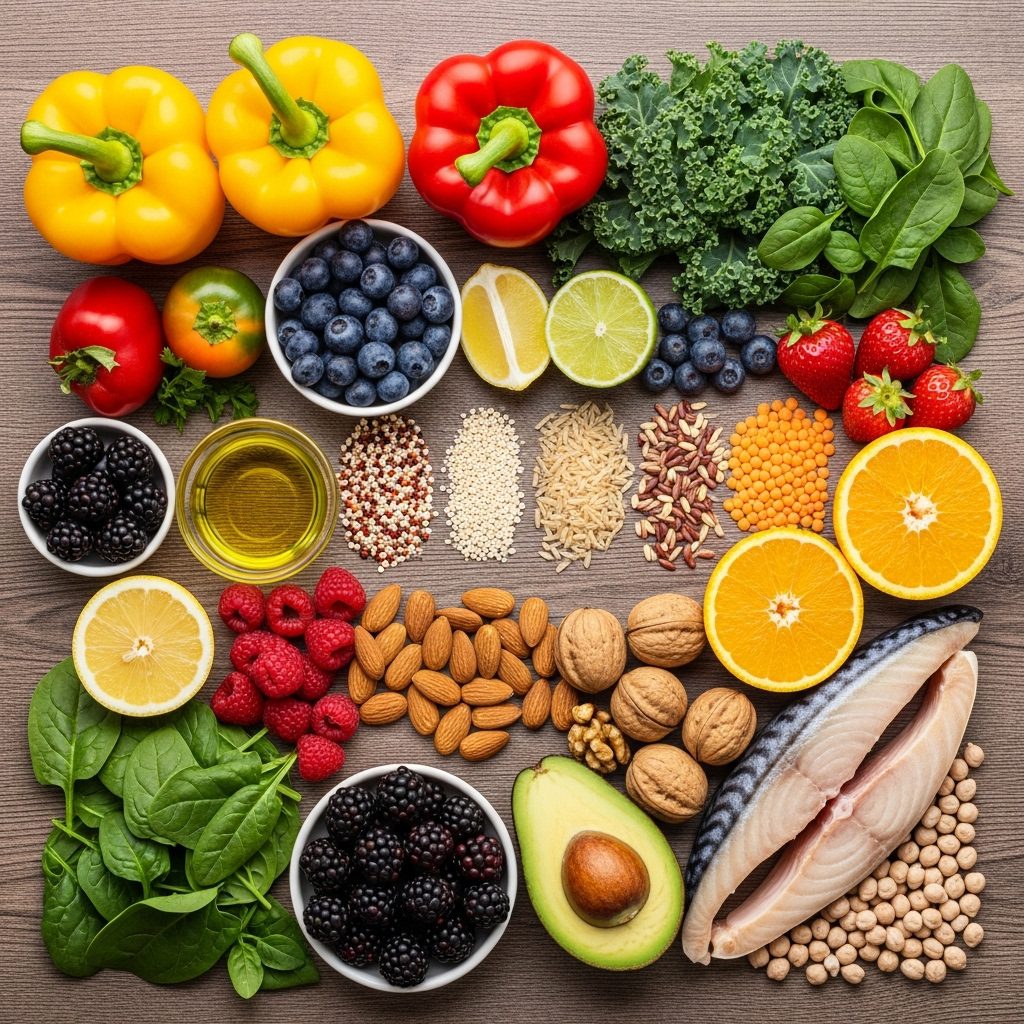
- Amino acids from protein
- Vitamins and minerals
- Healthy fats
This shows that diet and mental health aren’t a luxury—they’re a foundation for internal balance.
The Gut: The Body’s Second Brain
You may have heard about the gut-brain axis. The gut isn’t just for digestion—it directly affects mood.
About 90% of serotonin (the “happiness hormone”) is produced in the gut.
This means:
-
- Poor diet = gut imbalance
- Gut imbalance = mood swings, anxiety, or fatigue
Maintaining gut health is essential for linking diet and mental well-being.
Diet and Mental Health : Sugar and Mood Quick Energy… Then a Crash
Foods high in refined sugar give a rapid energy boost, but it’s followed by:
-
- A sharp drop in blood sugar
- Irritability or stress
- Strong cravings for more food
Daily repetition of this cycle negatively impacts overall mood, making a person constantly irritable or mentally drained.
This is why reducing sugar isn’t just a physical health choice—it’s a mental health decision too.

Can Nutrient Deficiencies Affect Mood?
Yes, and significantly. Common examples include:
-
- Iron deficiency: fatigue, poor concentration, mood swings
- Vitamin B12 deficiency: depression, mental fog
- Omega-3 deficiency: increased anxiety, less emotional stability
That’s why diet and mental health should be viewed as one interconnected system.
Why Do Certain Foods Make Us Feel Better?
It’s no coincidence that we crave specific foods when stressed. The body is trying to compensate:
-
- Complex carbs → help calm the nerves
- Warm meals → provide comfort and security
- Natural, unprocessed foods → support internal balance
It’s not about restriction—it’s about understanding what your body is signaling.
Diet and Mental Health :First Steps Toward Better Balance
Improving diet and mental health doesn’t require drastic changes:
- One balanced meal a day
- Reducing processed foods
- Drinking enough water
- Listening to true hunger cues
Simple steps, yet they make a big difference over time.
Foods and Habits That Support Mental Balance
After understanding how food affects the brain and mood, the key question is: what can we do practically to feel better?
The good news: supporting your diet and mental health doesn’t require deprivation or complex plans—just smart, gradual choices.
Diet and Mental Health :Foods That Naturally Improve Mood
Some foods directly and positively impact mental health by nourishing the brain and stabilizing neurotransmitters:
-
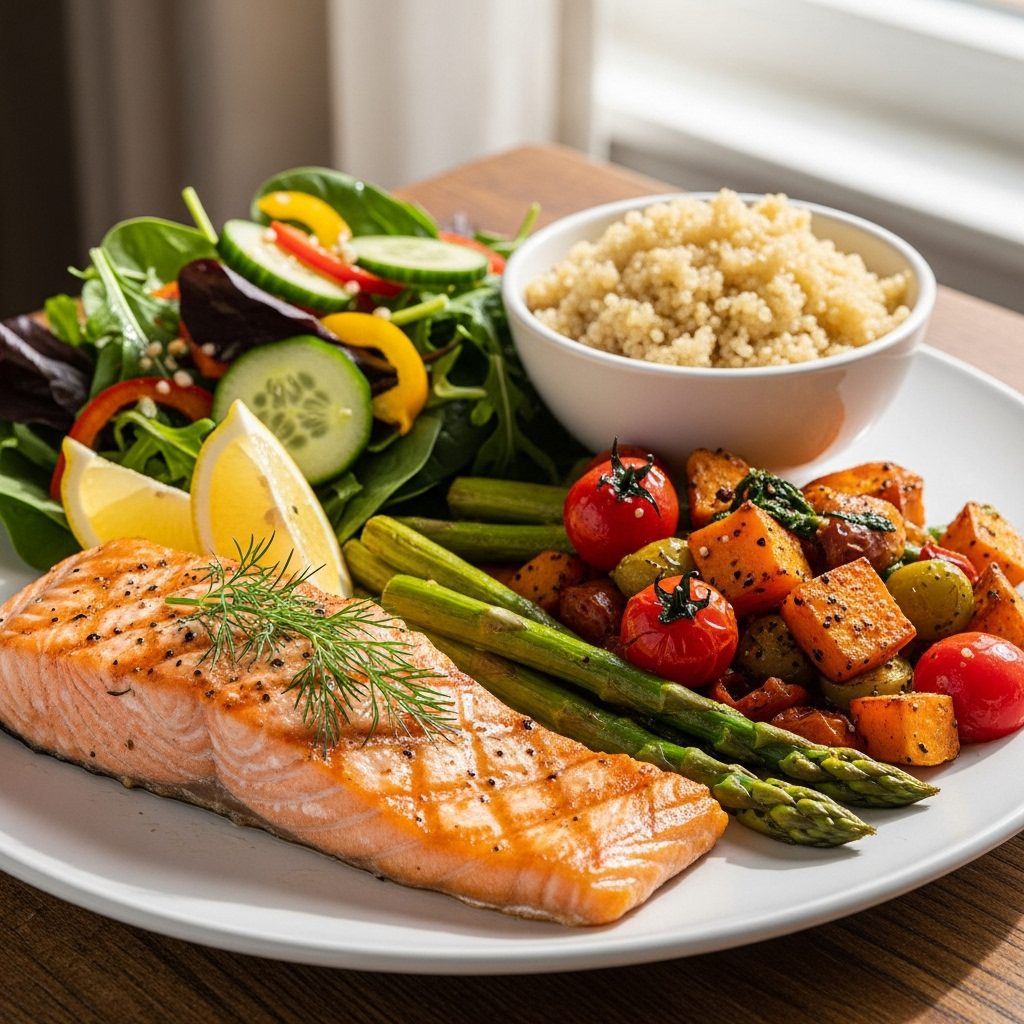
- Fatty fish (salmon, sardines): rich in Omega-3, reduce inflammation, support mood
- Nuts and seeds: good sources of magnesium and zinc, important for calming nerves
- Complex carbs (oats, sweet potatoes): support balanced serotonin production
- Fermented foods (yogurt, kefir): improve gut health, supporting mental health from the root
Consistency is more important than quantity.
Caffeine: Friend or Foe for Mental Health?
Caffeine has two sides.
1- In moderation, it can:
-
-
- Boost focus
- Reduce fatigue
-

2- Excessive intake can lead to:
-
-
- Increased anxiety
- Sleep disturbances
- Mood swings
-
This emphasizes that diet and mental health rely on balance, not complete restriction or overconsumption.
Emotional Eating: When Feelings Drive Choices
Many people turn to food when sad or stressed.
This is natural, but it becomes problematic when:
-
- It turns into a daily habit
- Food becomes the primary source of comfort
A healthy approach involves:
-
- Noticing the real cause of hunger
- Finding simple alternatives for comfort (walks, music, deep breathing)
- Choosing comforting but balanced foods
Understanding emotional eating is a key step in improving both diet and mental health.
Simple Habits That Make a Psychological Difference
You don’t need to change everything to feel a difference. Small habits often have the biggest impact:
-
- Eat meals regularly
- Don’t skip breakfast
- Drink enough water
- Eat mindfully, away from screens
Consistency is more important than perfection.

Diet and Mental Health : Is Diet Alone Enough?
Food is essential but only part of the picture. Supporting diet and mental health also requires:
-
- Good sleep
- Daily physical activity
- Stress management
- Seeking professional help when needed
The body and mind function as a single system.
Your Relationship with Food Reflects Your Relationship with Yourself
Food isn’t just calories, and mood isn’t just a fleeting state.
When we understand the connection between diet and mental health, we start listening to our bodies more, choosing what supports rather than drains us.
Start with one step, one meal, one habit, and over time, the change becomes visible.
If you want to dive deeper into the link between nutrition and mood, and learn how to build a balanced lifestyle without complexity or deprivation, visit nutritiontravels to discover practical, human-centered content that supports your health inside and out.