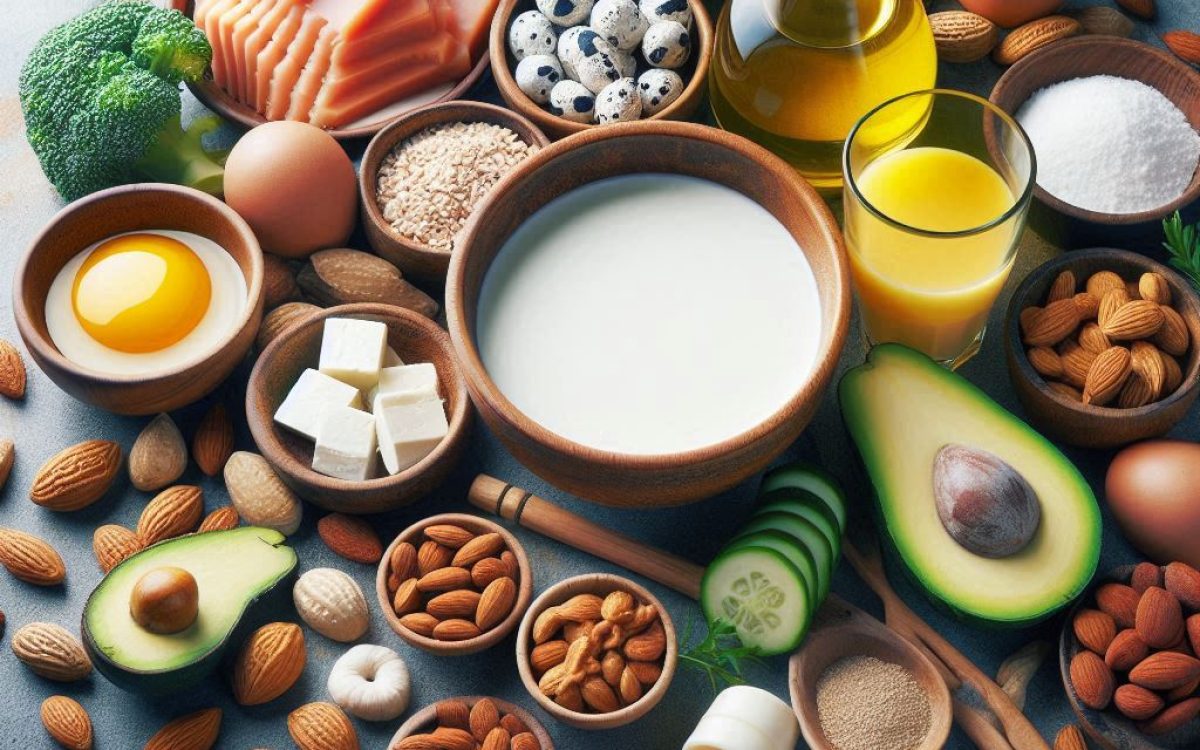
Calcium is one of the most important minerals the human body needs to maintain strong bones and teeth, support muscle contraction, regulate nerve function, and even keep the heart healthy. For decades, calcium has been associated with dairy products such as milk, cheese, and yogurt, but the truth is that these are not the only sources. With the growing trend toward plant-based diets and healthy alternatives, the question arises: Can we get enough calcium without dairy?
The answer is yes—easily. There are many plant-based foods rich in calcium that are just as beneficial as dairy, and in some cases, they even offer additional advantages such as being high in fiber, antioxidants, and low in saturated fat.
In this article, we’ll explore the top plant-based foods rich in calcium, how much calcium your body needs daily, and tips to improve calcium absorption.
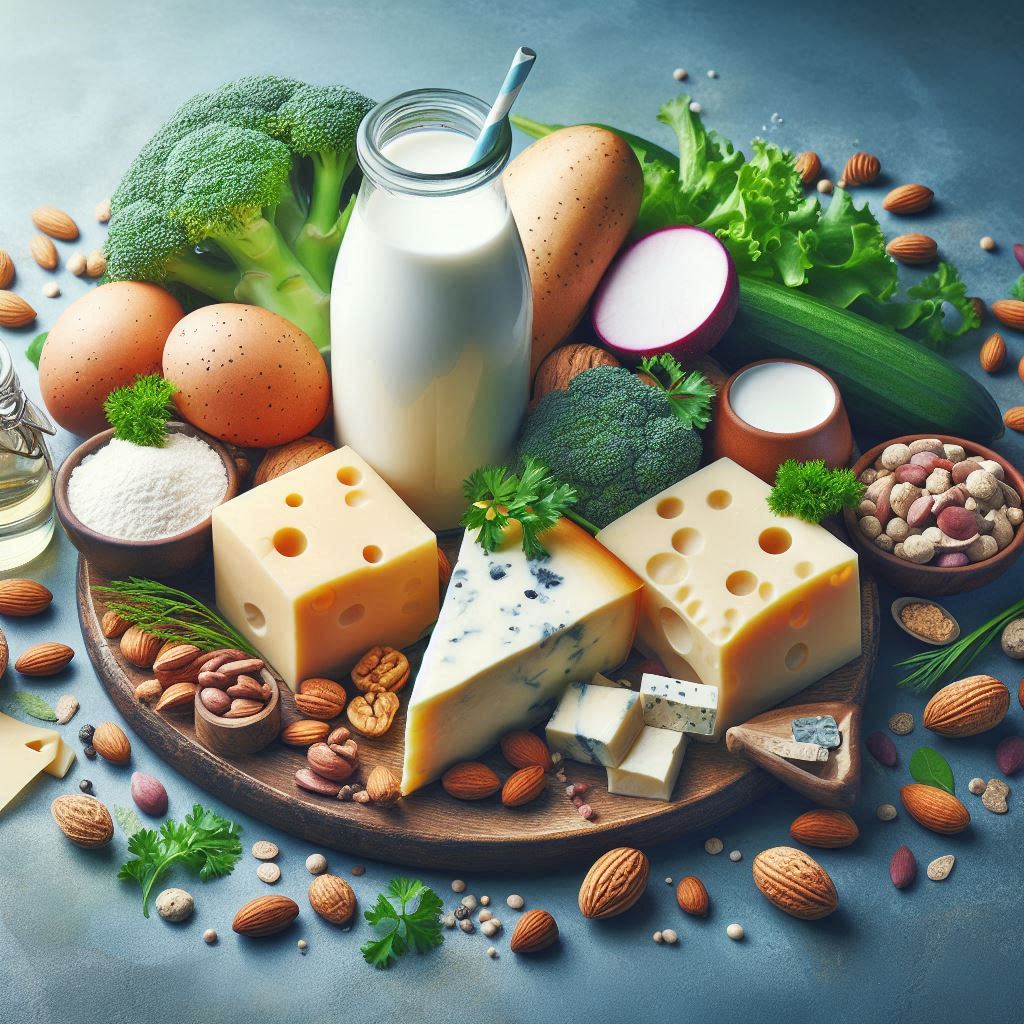
How Much Calcium Do You Need Daily?
Before diving into plant-based sources, it’s important to know the recommended daily intake of calcium:
- Adults (19–50 years): about 1000 mg per day
- Women over 50 and men over 70: about 1200 mg per day
- Teenagers (14–18 years): about 1300 mg per day
Meeting these requirements through a plant-based diet is very achievable with some planning and food variety.
Why Choose Plant-Based Sources of Calcium?
Many people avoid dairy due to lactose intolerance, allergies, or for health reasons. Plant-based foods naturally provide calcium and often come with additional benefits such as being low in saturated fat, free of cholesterol, and rich in other valuable nutrients.

Best Plant-Based Foods Rich in Calcium:
1. Sweet Potatoes:
Sweet potatoes are another source of calcium. A large sweet potato contains about 68 mg of calcium, along with potassium, vitamin A, and vitamin C.
2. Leafy Green Vegetables:
Dark leafy greens such as kale, Swiss chard, and bok choy are some of the richest plant-based sources of calcium. For example, one cup of cooked kale provides about 270 mg of calcium. While spinach is also high in calcium, its oxalate content reduces absorption, so it’s better to focus on low-oxalate greens like kale and bok choy.
3. Broccoli and Brussels Sprouts:
Broccoli and Brussels sprouts contain good amounts of calcium that are also easy for the body to absorb. One cup of cooked broccoli provides about 60 mg of calcium, and when eaten regularly, they contribute significantly to daily requirements.

4. Legumes:
Beans such as white beans, navy beans, chickpeas, and black-eyed peas are excellent calcium sources. One cup of cooked white beans contains about 160 mg of calcium. Lentils provide less, but they’re still a valuable addition to a balanced plant-based diet.
5. Nuts and Seeds:
Almonds are rich in calcium, offering about 75 mg in just 28 grams (a small handful). Sesame seeds are even richer, with two tablespoons of tahini (sesame paste) containing about 130 mg. Chia seeds and flaxseeds are also good sources and can easily be added to smoothies, plant-based yogurt, or oatmeal.
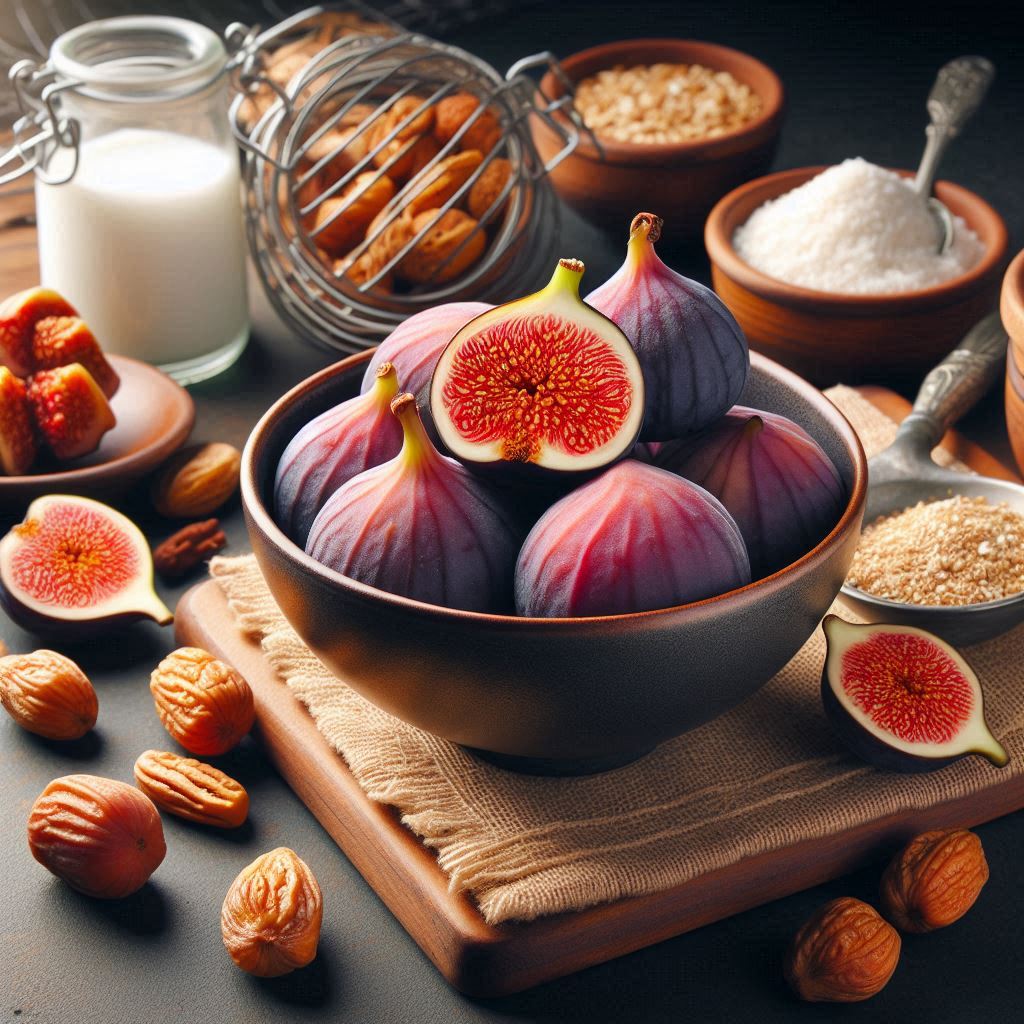
6. Dried Figs:
Dried figs are not only naturally sweet but also calcium-rich. Just five dried figs provide about 135 mg of calcium. They’re also high in fiber and antioxidants.
Tips to Enhance Calcium Absorption:
1. Vitamin D: Essential for improving calcium absorption. It can be obtained through sunlight exposure, fortified foods, or supplements.
2. Reduce Salt and Caffeine: Excessive intake can lead to calcium loss.
3. Moderate Protein Intake: Protein is important for bone health, but very high amounts may increase calcium excretion.

Following a plant-based diet or avoiding dairy doesn’t mean missing out on calcium. On the contrary, there are many delicious plant-based options that can easily help you meet your daily needs. From leafy greens and legumes to fortified plant milks and nuts, these foods provide calcium along with other valuable nutrients.
By diversifying food sources and paying attention to absorption factors, anyone can maintain strong bones, a healthy heart, and a well-functioning nervous system—all without dairy products.
At Nutrition Travels, we are committed to delivering nutritional information in a simple and practical way, helping you choose what best fits your lifestyle. With the right food variety and mindful habits, you can enjoy strong bones, a healthy heart, and balanced nerves—without ever needing dairy.