

Chronic inflammation is a hidden health threat. Over time, it can damage tissues, weaken the immune system, and increase the risk of serious conditions such as heart disease, diabetes, arthritis, autoimmune disorders, and even certain types of cancer. The good news is that nutrition plays a vital role in managing inflammation and protecting overall health. By focusing on whole, nutrient-rich foods, you can help your body combat inflammation naturally.

Anti-Inflammatory Foods to Include
Fatty Fish
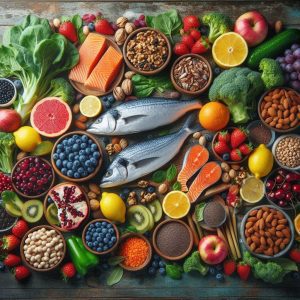
Fatty fish like salmon, sardines, mackerel, and tuna are rich in omega-3 fatty acids, which reduce inflammatory markers and improve immune response. Omega-3s help protect the heart, joints, brain, and even support bone health. Including fish in your meals 2–3 times per week is highly beneficial.
Colorful Fruits and Vegetables
Leafy greens (spinach, kale, arugula) and cruciferous vegetables (broccoli, cauliflower) are packed with antioxidants, vitamins, and minerals that reduce oxidative stress. Berries such as blueberries, blackberries, and strawberries are high in flavonoids that protect cells. Other fruits like pomegranate, cherries, grapes, and oranges also help fight inflammation and promote heart and brain health.
Nuts and Seeds
Walnuts, almonds, flaxseeds, and chia seeds are rich in healthy fats, antioxidants, and minerals. Vitamin E, magnesium, and zinc found in these foods help reduce chronic inflammation, support joint health, and protect against heart disease. A small handful daily is enough to reap their benefits.
Legumes
Beans, lentils, and chickpeas provide fiber, plant-based protein, and antioxidants that improve gut health, regulate blood sugar, and reduce inflammatory markers like C-reactive protein (CRP). Including legumes in salads, soups, or main dishes supports long-term health.
Olive Oil
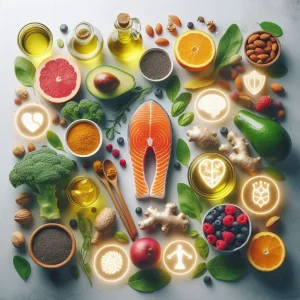
Extra virgin olive oil contains monounsaturated fats and polyphenols that reduce inflammation and oxidative stress. It is a staple of anti-inflammatory diets and can be used as a salad dressing or for cooking at low to medium heat.
Herbs and Spices
Turmeric (curcumin), ginger, garlic, cinnamon, cumin, cardamom, and thyme have powerful anti-inflammatory properties. Turmeric’s curcumin is especially effective, and combining it with black pepper improves absorption. These spices can be added to meals, teas, or smoothies to boost anti-inflammatory effects.
Foods to Limit or Avoid
- Processed and fast foods: These often contain added sugars, refined carbohydrates, and unhealthy fats. Consuming them excessively can trigger inflammation, raise blood sugar levels, and weaken immune function. Regular intake may also contribute to weight gain and increase the risk of chronic diseases over time.
- Saturated and trans fats: Found in fried foods, fatty meats, and full-fat dairy products, these fats can promote chronic inflammation, raise cholesterol levels, and worsen joint pain. Reducing their intake supports heart health and overall well-being.
- Certain vegetable oils high in omega-6 fatty acids: Oils such as corn, soybean, and sunflower are high in omega-6, which is essential in small amounts but can promote inflammation if overconsumed. Balancing omega-6 with omega-3 fatty acids helps maintain a healthy inflammatory response.
- Excess alcohol and added salt: Overconsumption of alcohol can harm the liver and increase inflammatory markers, while high sodium intake may lead to fluid retention and elevated blood pressure, both contributing to chronic inflammation.
Limiting these foods helps stabilize inflammation levels, supports a healthy immune system, protects the heart and joints, and promotes long-term health. Focusing on whole, natural foods and home-cooked meals is the most effective way to avoid these risks.

Benefits of an Anti-Inflammatory Diet
- Strengthens Immunity: Nutrient-rich foods improve your body’s defense against infections.
- Protects Heart Health: Omega-3s, fiber, and antioxidants reduce cholesterol, lower blood pressure, and improve vascular function.
- Reduces Joint Pain: Anti-inflammatory foods may ease arthritis symptoms and improve mobility.
- Supports Brain Function: Antioxidants and omega-3s protect nerve cells, enhancing memory and focus.
- Maintains Healthy Weight: Whole foods and balanced meals help manage weight, reducing inflammation caused by obesity.
Daily Anti-Inflammatory Meal Plan
Breakfast:
- Green smoothie: spinach, blueberries, chia seeds
- Or: boiled eggs or olive oil-fried eggs with avocado and whole-grain toast
Lunch:
- Large salad with leafy greens, broccoli, bell peppers, and grilled salmon or chicken
- Dressing: extra virgin olive oil and lemon juice
- Optional: sprinkle with nuts or seeds
Snack:
- Handful of almonds or walnuts
- Fresh fruit like berries or apple slices
- Greek yogurt with berries and a drizzle of honey
Dinner:
- Turmeric and ginger-marinated chicken with roasted cauliflower and bell peppers
- Or: baked cod with sweet potato slices and a drizzle of olive oil
Beverages:
- Green tea or herbal teas like ginger, mint, or berry blends
- Plenty of water throughout the day

Lifestyle Tips to Complement Your Diet
- Exercise regularly: Walking, swimming, yoga, or low-impact workouts reduce inflammation and improve overall health.
- Sleep well: Aim for 7–8 hours per night to allow the body to repair itself and regulate immune responses.
- Manage stress: Deep breathing, meditation, or mindfulness can lower inflammation.
- Avoid smoking and limit alcohol consumption.
- Stay hydrated to maintain cellular function and support detoxification.
Chronic inflammation can have serious consequences, but a healthy lifestyle and diet provide a powerful defense. Incorporate fatty fish, colorful vegetables, berries, nuts, seeds, legumes, whole grains, olive oil, and anti-inflammatory herbs and spices into your daily meals. Avoid processed foods, added sugars, unhealthy fats, and excessive alcohol.
Combining an anti-inflammatory diet with regular exercise, adequate sleep, stress management, and hydration creates a holistic approach that reduces inflammation and supports overall well-being.
Start today—add leafy greens, berries, fatty fish, nuts, and anti-inflammatory spices to every meal. Your body will thank you!
Discover more tips, recipes, and guides to reduce inflammation naturally at Nutrition Travels.