

Amino acids and mental health are intricately connected. While many people assume mood is purely psychological, the truth is that brain chemistry plays an equally crucial role. Neurotransmitters—chemical messengers in the brain—rely on amino acids as building blocks. Without adequate intake, even a balanced lifestyle may struggle to maintain emotional stability.
Among all amino acids, tryptophan and tyrosine stand out as key contributors to mood regulation. Tryptophan serves as a precursor to serotonin, which helps control happiness, sleep, and appetite. Tyrosine, on the other hand, supports dopamine and norepinephrine production, critical for focus, motivation, and stress resilience. Understanding how these amino acids work allows you to make informed dietary choices that positively impact mental well-being.
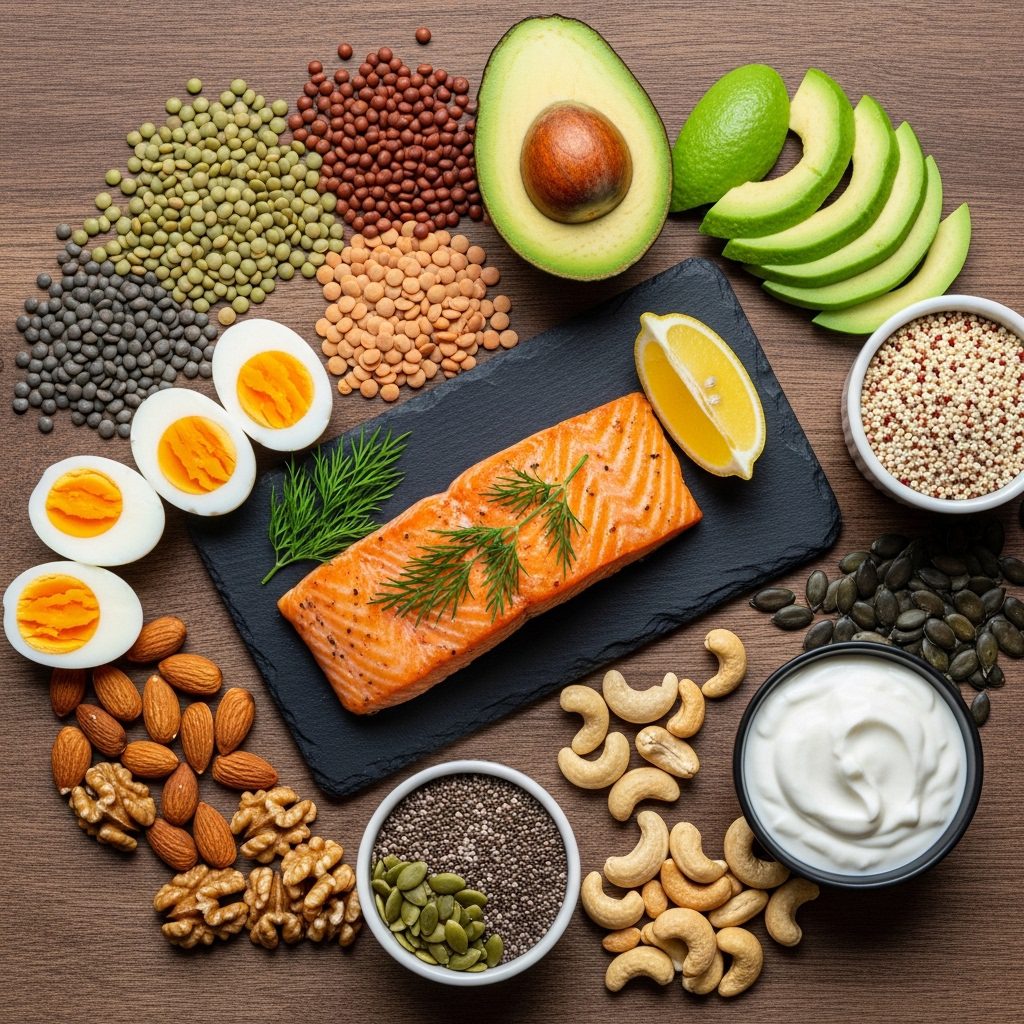
Understanding the Connection Between Amino Acids and Mental Health:
The relationship between amino acids and mental health centers on neurotransmitter production. Neurotransmitters, such as serotonin, dopamine, and norepinephrine, are responsible for transmitting signals across brain cells. When their levels are balanced, individuals experience stable moods, improved motivation, and emotional resilience.
However, when neurotransmitter synthesis is disrupted, mood instability can occur. This may manifest as irritability, low energy, anxiety, or even sleep disturbances. Amino acids play a vital role here, as they act as the raw materials your brain uses to create these neurotransmitters. Without sufficient amino acids in your diet, your brain may struggle to maintain these chemical signals effectively.
Transitioning to practical considerations, dietary intake becomes essential for supporting optimal neurotransmitter production. For instance, consuming adequate protein at regular intervals ensures that your body has a steady supply of amino acids. This not only stabilizes mood but also enhances cognitive performance throughout the day.

Tryptophan: The Serotonin Precursor:
Tryptophan is an essential amino acid, meaning your body cannot produce it naturally. Therefore, it must come from the foods you eat. Once ingested, tryptophan is converted into serotonin in the brain—a neurotransmitter often associated with mood, relaxation, and sleep regulation.
A deficiency in tryptophan may contribute to low mood, irritability, and even sleep issues. This explains why including tryptophan-rich foods in your diet can be beneficial for overall mental health. Common sources include:
- Salmon
- Turkey
- Eggs
- Pumpkin seeds
- Greek yogurt
Interestingly, tryptophan competes with other amino acids to cross the blood-brain barrier. Therefore, pairing protein sources with complex carbohydrates—like quinoa, sweet potatoes, or whole grains—can improve tryptophan absorption. As a result, this combination enhances serotonin production and supports mood stabilization.
Moreover, tryptophan may have subtle effects on sleep quality. Adequate serotonin levels contribute to melatonin production, the hormone that regulates the sleep-wake cycle. This connection highlights how nutrition directly influences not only daytime mood but also nighttime rest.

Tyrosine: Supporting Dopamine and Motivation
While tryptophan primarily supports serotonin, tyrosine plays a central role in dopamine and norepinephrine synthesis. Dopamine is critical for motivation, focus, and reward processing, while norepinephrine affects alertness and stress response.
Insufficient tyrosine intake can lead to decreased cognitive performance, reduced motivation, and heightened stress sensitivity. On the other hand, a diet rich in tyrosine can help maintain mental clarity, support learning, and enhance emotional resilience under stress.
Foods high in tyrosine include:
- Almonds
- Avocados
- Cheese
- Lentils
- Chicken
Although the body can produce tyrosine from phenylalanine, dietary sources ensure sufficient availability, especially during periods of stress or high mental demand. Furthermore, tyrosine supplementation under medical guidance has shown potential in improving cognitive performance during challenging tasks. However, this should not replace a balanced diet, which remains the most sustainable source.

How Balanced Nutrition Supports Mental Health:
Balanced nutrition plays a fundamental role in stabilizing mood. Diets lacking in protein or diversity can limit neurotransmitter production, regardless of other healthy habits. For example, skipping protein at breakfast may lead to mid-morning fatigue, irritability, or difficulty focusing.
On the other hand, incorporating 20–30 grams of protein per meal ensures steady amino acid availability. This approach supports continuous neurotransmitter synthesis, leading to more consistent energy levels, mood stability, and cognitive performance.
Additionally, extreme dietary restrictions, such as very low-carb or low-protein diets, can inadvertently reduce the availability of amino acids needed for serotonin and dopamine production. Therefore, maintaining a sustainable, balanced eating pattern is essential for mental well-being.
Transitioning from nutrition to practical strategies, small adjustments in your daily routine can have measurable effects on mood and motivation.

Actionable Strategies to Improve Mood Through Diet:
Nutrition interventions don’t have to be complicated. Simple, consistent habits often yield the best results:
- Include a high-quality protein source at every meal.
- Pair proteins with fiber-rich carbohydrates for better amino acid absorption.
- Stay hydrated to maintain optimal brain function.
- Include omega-3 fatty acids from fish, nuts, or seeds to support neuronal health.
- Avoid skipping meals, which can lead to dips in neurotransmitter levels.
- Moderate caffeine intake if you experience anxiety, as excessive amounts may increase stress hormones.
These strategies not only support amino acid availability but also enhance overall energy, focus, and emotional resilience.

Lifestyle Factors That Affect Mental Health and Amino Acid Utilization:
Nutrition works best when combined with supportive lifestyle habits. For instance, sleep quality directly affects neurotransmitter balance. Serotonin contributes to melatonin production, which regulates the sleep-wake cycle. Poor sleep can therefore disrupt this balance, leading to mood swings or irritability.
Physical activity is another key factor. Regular exercise increases dopamine receptor sensitivity and serotonin availability. Even light daily movement, such as walking or stretching, can enhance neurotransmitter function.
Exposure to natural sunlight supports serotonin regulation, while chronic stress depletes dopamine and norepinephrine. Practicing stress management techniques, such as mindfulness, deep breathing, or journaling, helps preserve amino acid-derived neurotransmitters.
Therefore, combining diet, sleep, exercise, and stress management creates a comprehensive approach to improving mental health.

Amino acids and mental health : When to Seek Professional Guidance
While nutrition and lifestyle strategies are powerful, persistent mood disorders require professional attention. Symptoms like ongoing sadness, anxiety, lack of motivation, or sleep disruption should not be ignored.
In certain cases, supplements such as tryptophan or tyrosine may help. However, these should only be used under medical supervision, particularly if combined with prescription medications. Consulting a healthcare provider ensures safe and effective strategies tailored to individual needs.
Amino acids are far more than nutrients for muscle building—they are foundational to emotional and cognitive health. Tryptophan supports serotonin, influencing happiness and sleep, while tyrosine fuels dopamine and norepinephrine, enhancing motivation and focus.
Small, consistent dietary choices can gradually strengthen brain chemistry and emotional resilience. Combined with healthy lifestyle habits—sleep, exercise, sunlight, and stress management—these strategies provide a holistic approach to mental well-being.
For more science-backed insights and practical tips to optimize your health, explore additional guidance on Nutrition Travels, and continue building a healthier mind and body through informed, sustainable choices.