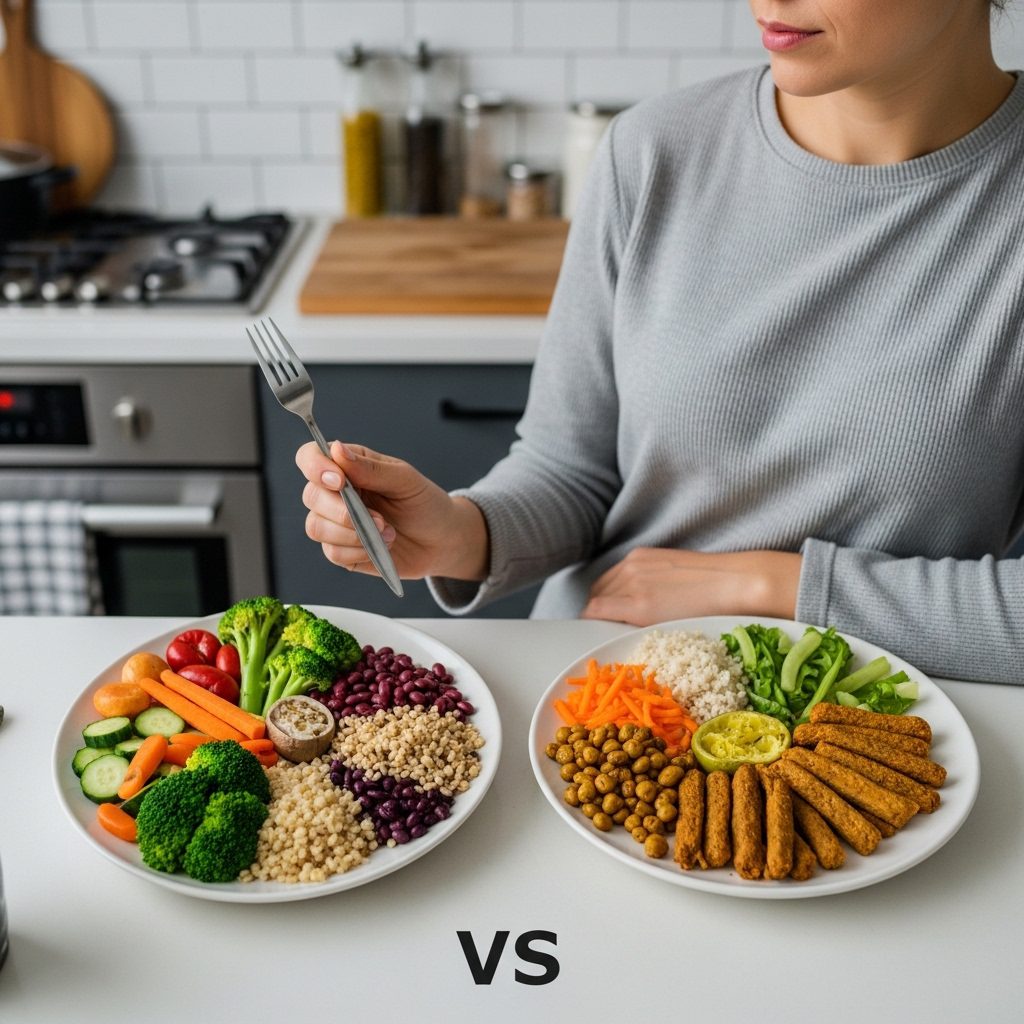

Protein bars have become a convenient choice for fitness enthusiasts, busy professionals, and anyone looking for a quick, portable snack. Although they are marketed as high-protein, low-sugar, and nutrient-packed, not all protein bars deliver on these promises. Many are highly processed, contain hidden sugars, artificial sweeteners, and unhealthy fats, which can turn a seemingly healthy snack into a calorie-laden treat.
Therefore, choosing the right protein bar requires careful label reading, understanding ingredient lists, and knowing what makes a bar truly healthy. This guide will help you navigate the protein bar market, identify hidden sugars, and select bars that genuinely support your nutrition goals.
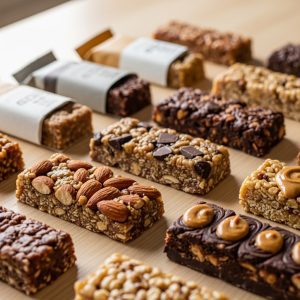
Understanding Protein Bars
Protein bars are snacks designed to boost protein intake and provide quick energy. While they can complement meals or serve as convenient options when you’re on the go, relying on them as daily meal substitutes is not recommended. Most commercially available bars are highly processed and may contain undesirable additives.
Key components to check in a protein bar include:
- Protein content: Aim for at least 10–15 grams per bar. For post-workout recovery or muscle building, choose bars with 20–25 grams. High-quality protein sources include whey protein, casein, pea protein, or egg white protein.
- Sugar content: Keep added sugar under 5–7 grams. Watch for hidden sugars listed under different names.
- Fat content: Avoid hydrogenated oils, trans fats, and palm oil. Nuts and seeds provide healthy fats.
- Fiber content: Fiber helps regulate blood sugar, improves digestion, and keeps you full. Look for bars with at least 3–5 grams.
- Calories: Ideally between 150–250 kcal per serving to prevent turning your snack into a mini-meal.

Hidden Sugars in Protein Bars
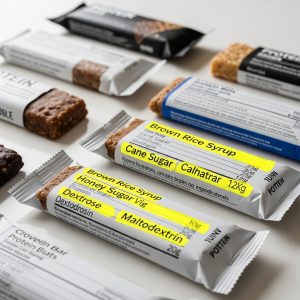
Hidden sugars are a major concern in many protein bars. These sugars often hide under alternative names, making them hard to spot. Common hidden sugar sources include:
- High fructose corn syrup
- Brown rice syrup
- Cane sugar
- Honey
- Dextrose
- Maltodextrin
Even if a bar lists a low sugar count, sugar may appear among the first ingredients, indicating the product is sweeter than it seems. Thus, reading the ingredients list is essential to avoid unexpected sugar intake.
Artificial Sweeteners to Avoid
Many protein bars use artificial sweeteners to maintain sweetness while reducing calories. Common artificial sweeteners include:
- Maltitol
- Sorbitol
- Sucralose
- Acesulfame potassium
These additives can cause digestive discomfort in some individuals and may negatively affect blood sugar regulation. Instead, choose bars sweetened with natural ingredients like stevia, monk fruit, or dates.

How to Evaluate the Ideal Protein Bar
When selecting a protein bar, consider the following:
- Protein: At least 10–15 grams per bar; 20–25 grams for intense workouts.
- Sugar: Less than 5–7 grams of added sugar. Avoid bars with sugar or syrups in the top three ingredients.
- Fiber: At least 3–5 grams to promote satiety and healthy digestion.
- Ingredients: Prefer short, natural ingredient lists. Look for nuts, seeds, oats, and natural protein sources. Avoid highly processed ingredients, hydrogenated oils, or palm oil.
- Calories: 150–250 kcal per bar is ideal for a snack; higher-calorie bars suit meal replacements or pre-workout fuel.
Red Flags: Signs of Highly Processed Bars
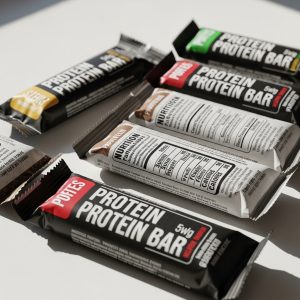
Some bars marketed as “healthy” are actually closer to candy bars. Avoid bars that:
- Have long, complex ingredient lists
- Contain sugar exceeding protein content
- Include chocolate coatings or candy toppings
- Contain high amounts of saturated or trans fats
These bars are calorie-dense and can spike blood sugar, providing little nutritional benefit despite being labeled protein-packed.
Practical Tips for Choosing a Protein Bar
- Read labels carefully: Don’t rely solely on marketing claims like “natural” or “healthy.”
- Check protein sources: Whey, casein, pea, or egg white protein is preferable. Soy protein isolates are acceptable if plant-based protein is desired.
- Avoid artificial additives: Skip bars with artificial flavors, colors, or preservatives.
- Prioritize fiber: Bars with 3–5 grams or more of fiber help stabilize blood sugar and enhance fullness.
- Select natural sweeteners: Stevia, monk fruit, or dates are healthier alternatives to artificial sweeteners and sugar alcohols.

Timing and Use of Protein Bars
Protein bars are convenient supplements but should not replace whole meals. Ideal consumption times include:
- Post-workout: Supports muscle recovery and replenishes energy.
- Between meals: Maintains energy and prevents overeating at the next meal.
- On-the-go snacks: Ideal for travel or busy schedules with limited healthy options.
Remember, protein bars are supplements, not substitutes for a balanced diet.
Examples of Smart Protein Bars
- Simple ingredient bars: Containing nuts, dates, and concentrated protein.
- High-quality protein bars: Whey, pea, or egg white protein with minimal additives.
- Naturally sweetened bars: Sweetened with stevia, monk fruit, or natural fruit instead of sugar alcohols.
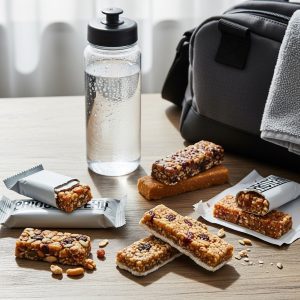
Brands like Quest Nutrition (sweetened with stevia) and other “Smart Protein” bars focus on natural, minimally processed ingredients and provide effective alternatives to sugary, processed options.
Final Recommendations
- Monitor sugar and calories: Choose bars with under 5–7 grams sugar and 150–250 kcal.
- Focus on protein and fiber: 10–15 grams protein and 3–5 grams fiber per bar is ideal.
- Avoid unhealthy fats: Skip hydrogenated oils, palm oil, and bars high in saturated fats.
- Check the first ingredients: Top ingredients should be protein-rich, not sugar or oil.
- Use wisely: Protein bars are tools to support nutrition goals, not daily meal replacements.
Protein bars can be a convenient, on-the-go solution to support your protein intake and help you stay energized. However, not all bars are created equal. Many are loaded with hidden sugars, artificial sweeteners, and unhealthy fats that can undermine your nutrition goals. By reading labels carefully, prioritizing natural ingredients, and choosing bars with high protein, sufficient fiber, and low sugar, you can enjoy a snack that truly supports your health.
For smart, informed choices about protein bars and other healthy snacks, trust Nutrition Travels as your go-to guide for nutrition tips and product reviews. Your health deserves the best, and making informed decisions starts here.