

Biohacking your diet is not about extreme restrictions or complicated rules. It is about using food as a daily tool to improve energy, focus, productivity, and physical performance. By choosing the right foods at the right time, you can support your brain, stabilize blood sugar, reduce fatigue, and help your body recover more efficiently.
This approach focuses on smart nutrition, balanced meals, and small sustainable changes that lead to long-term results. Below is a complete daily nutrition framework designed to optimize both mental and physical performance.

Morning Nutrition (6:00 – 9:00 AM): Igniting Your Internal Engine
Breakfast is the first step in your daily nutrition cycle. After hours of overnight fasting, your body needs fuel to restart metabolism, restore energy, and activate brain function.
What to Eat in the Morning:
- High-quality protein: Eggs, Greek yogurt, whey protein
- Complex carbohydrates: Oats, whole-grain bread, sweet potatoes
- Healthy fats: Olive oil, peanut butter, nuts
- Fiber and vitamins: Seasonal fruits such as berries, apples, or bananas
Ideal Breakfast Example:
Oatmeal with milk, banana, and cinnamon + two boiled eggs + a cup of black coffee.
Benefits of a Balanced Breakfast:
- Boosts memory and mental clarity
- Stabilizes blood sugar levels
- Reduces cravings for sugary foods later in the day

Mid-Morning Snack (10:00 – 11:30 AM): Maintaining Focus and Energy
At this stage, hunger signals may return, especially if breakfast was light. A smart snack helps maintain concentration and prevents energy crashes.
Smart Snack Options:
- A handful of raw nuts (10–15 almonds or walnuts)
- One fruit with a spoon of peanut butter
- A small piece of cheese with whole-grain bread

Lunch Time (12:00 – 2:00 PM): Fueling Performance and Productivity
Lunch is the main meal of the day, especially for people with physically or mentally demanding lifestyles. It should offer a balance of protein, complex carbohydrates, and healthy fats.
What to Include:
- Protein: Grilled chicken breast, lean beef, or fish
- Complex carbs: Brown rice, bulgur, whole-wheat pasta, roasted potatoes
- Vegetables: Broccoli, spinach, lettuce, carrots
- Healthy fats: Olive oil, avocado
Ideal Lunch Example:
Grilled chicken breast + brown rice + green salad with olive oil + yogurt.

Afternoon Snack (3:00 – 5:00 PM): Preventing Energy Drops
This period is crucial for people who train in the evening or need mental focus late in the day. A balanced snack prevents blood sugar drops and supports performance.
Suitable Options:
- Banana with almond butter
- Small whole-grain sandwich with egg or cheese
- Fresh fruit and vegetable smoothie with no added sugar

Pre-Workout Nutrition (1–1.5 Hours Before Training)
Before exercise, the body needs easily digestible fuel to enhance performance and reduce fatigue.
Best Pre-Workout Choices:
- Banana + whey protein
- Toast with honey and a small portion of chicken
- White rice with eggs
Avoid heavy, fatty, or high-fiber meals before training to prevent digestive discomfort.
Post-Workout Nutrition (30–60 Minutes After Training)
After exercise, the body is highly receptive to nutrients. This is the ideal time to support muscle recovery and refill glycogen stores.
What to Eat:
- Fast-absorbing protein: Whey protein, tuna, egg whites
- Quick carbs: Potatoes, white rice, fruit
- Light vegetables: Steamed vegetables
Example:
Whey protein shake + banana + roasted potatoes.

Dinner (7:00 – 9:00 PM): Supporting Recovery and Sleep
Dinner should be light, balanced, and easy to digest to support recovery and restful sleep.
What to Eat:
- Light protein: Grilled fish, eggs, cottage cheese
- Cooked vegetables: Spinach, broccoli, zucchini
- Small carbs if needed: Quinoa or a small potato
Dinner Example:
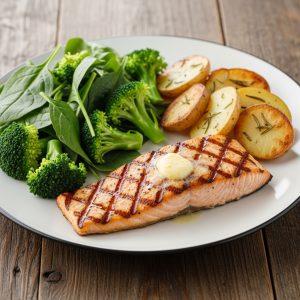
Grilled fish + green salad + roasted potato slices.
Before Bed (9:30 – 10:30 PM): Muscle Recovery Support
If you feel hungry before sleep, a light snack with slow-digesting protein can support overnight recovery.
Ideal Options:
- Plain Greek yogurt
- Low-fat cottage cheese
- A small handful of nuts with warm milk
Nutritional Biohacking for Energy and Focus
Nutritional biohacking focuses on stabilizing blood sugar, feeding the brain, and reducing fatigue through nutrient-dense foods.
Key Biohacking Strategies:
- Blood sugar stability: Avoid refined sugars and focus on complex carbs like oats, quinoa, and sweet potatoes
- Smart fats for brain health: Fatty fish, olive oil, omega-3 sources
- Brain-boosting nutrients: Blueberries, eggs (rich in choline), leafy greens
- Smart beverages: Green tea for calm focus, dark chocolate (70%+) for blood flow to the brain
Everyday Biohacking Foods:
- Nuts and pumpkin seeds for minerals and zinc
- Leafy greens for cognitive support
- Legumes for sustained energy and folate
This approach is personal, so experimenting with what works best for your body is essential.

Lifestyle Habits That Enhance Nutritional Biohacking
Nutrition works best when combined with healthy habits:
- Drinking enough water throughout the day
- Eating balanced meals every 3–4 hours
- Avoiding ultra-processed foods
- Prioritizing quality sleep
- Managing stress through movement or mindfulness
Small, consistent changes lead to major improvements in energy, focus, mood, and productivity.

Final Thoughts
Biohacking your diet is about smart, sustainable choices. By focusing on whole foods, balanced meals, hydration, and timing, you can significantly improve mental clarity, physical performance, and overall well-being.
These nutritional tweaks do not require perfection—only consistency.
If you want to learn more about smart nutrition strategies, biohacking insights, and wellness-focused lifestyle guidance, visit Nutrition Travels.
At Nutrition Travels, we help you optimize your energy, focus, and health through science-based nutrition and practical daily habits.
Start fueling your body and mind the smart way with Nutrition Travels