

Have you ever thought about the secrets that make some people live for many decades in good health and noticeable vitality? The Blue Zones Diet is one of the most studied eating patterns linked to longevity. Nutrition scientists have found that there are specific areas around the world, called the “Blue Zones”, where people live very long lives and often enjoy excellent health even with advancing age. These areas include, for example: Sardinia Island in Italy, Okinawa in Japan, Lomi in Costa Rica, Ikia in Greece, and Nikia in California, USA.
What is most interesting is that longevity is not just luck, but is closely linked to lifestyle, especially dietary habits. The dietary pattern of these communities has revealed many secrets that anyone interested in health and nutrition can benefit from.

Basics of the Blue Zones Diet:
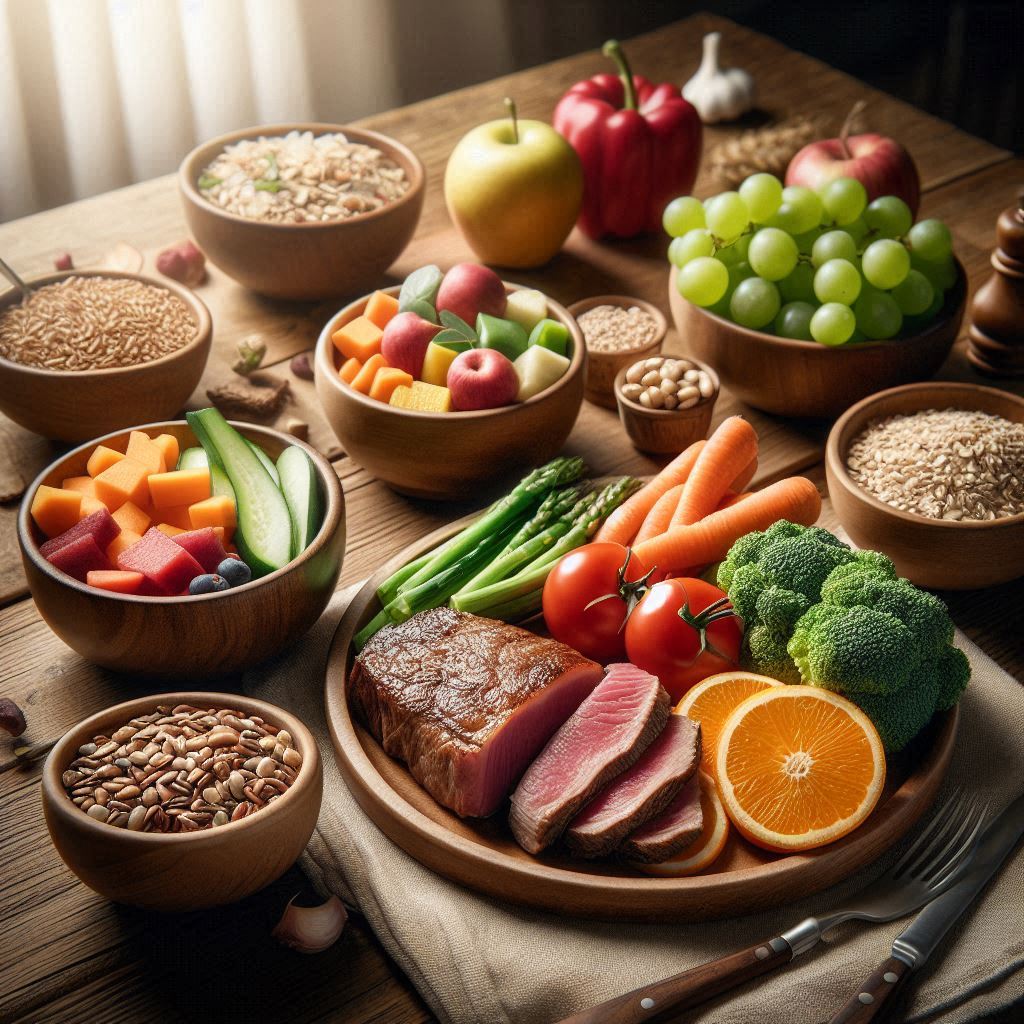
The diet in the Blue Areas consists of 95 to 100% plants, mostly whole, unprocessed foods, including nuts and legumes. Food is preferably local, with reduced animal products such as meat, fish, dairy, and eggs. This diet is also low in added sugar. Moderate wine consumption is allowed, as well as coffee and tea.
The core pillars of the Blue Zones appear to align with current research on diet and lifestyle, as fiber- and plant-rich diets are linked to a lower risk of disease, lower stress levels may improve cardiovascular risk, and focusing on community can improve at least self-rated health levels.
Using meat in moderate amounts:
Unlike modern diets that rely heavily on meat, people in the Blue Zones consume meat only on special occasions or in small quantities. This balance helps reduce the risk of chronic diseases such as heart disease and diabetes, while maintaining the body’s energy.
Moderation in eating:
There is a very important habit in these communities known as “Hara Hachi Bu” in Okinawa, which roughly means: “eat until you are 80% full”. This method helps prevent overeating, contributes to weight control, reduces inflammation, and increases healthy lifespan.
Eating fresh and seasonal food:
Relying on fresh, seasonal ingredients is common in the Blue Zones. Food is often prepared at home, away from processed foods and fast meals. This ensures getting natural vitamins and minerals essential for the body’s health, such as vitamin C from fruits, and iron and magnesium from legumes and leafy greens.

The importance of legumes:
Legumes are a fundamental pillar in the Blue Zones, as they are a rich source of plant protein and fiber, help regulate blood sugar levels, and improve digestion. Regular legume consumption is associated with a lower risk of heart disease and obesity.
Healthy fats instead of harmful fats:
It is noted that most fats consumed in these areas are healthy and heart-friendly, such as olive oil in Greece and nuts in Sardinia. These fats maintain cholesterol levels, support brain health, and reduce chronic inflammation, and are one of the reasons people in these areas are less prone to age-related diseases.

Natural drinks and moderation in alcohol:
Most people in the Blue Zones drink limited amounts of alcohol, often red wine in some areas like Sardinia, and of course with food. These small amounts may help improve heart health, but excessive consumption does the exact opposite. In contrast, water and green tea are common beverages that support overall health.
Lifestyle alongside food:
The system is not limited to food only, but is part of a broader lifestyle that includes natural daily movement such as walking and strong social relationships. It also includes having a purpose and meaning in life.
All these factors together contribute to increased longevity and improved quality of life in the “Blue Zones”.

Psychological and social impact:
Nutrition in the Blue Zones is also linked to the social and psychological side. Eating is often done with family or the community, which increases social connection, reduces stress, and enhances feelings of belonging and happiness, all of which are important factors for longevity and mental health.
Lessons that can be learned:
Nutrition enthusiasts can benefit greatly from studying the Blue Zones diet, such as:
1. Increasing the consumption of vegetables, fruits, and legumes in the daily diet.
2. Reducing meat and processed products, and focusing on plant proteins.
3. Using healthy fats such as olive oil and nuts instead of hydrogenated oils.
4. Practicing moderation in eating and avoiding overeating.
5. Paying attention to fresh and seasonal food as much as possible.
6. Strengthening social relationships during meals to support mental health.

The effect of the system on health and longevity:
Studies of people in the Blue Zones have shown that following this dietary pattern reduces the risk of:
- Heart and artery diseases
- Some types of cancer
- Obesity and chronic inflammation
- Type 2 diabetes
Studies have also shown that people who follow similar dietary patterns have a greater ability to remain mentally and physically active even after the age of ninety.
Simple steps to apply some Blue Zones principles:
Even without moving to these areas, anyone interested in nutrition can build similar habits gradually:
- Increasing the daily portion of vegetables, fruits, and legumes.
- Choosing whole grains.
- Eating nuts regularly as a source of healthy fats.
- Reducing red meat and limiting to fish sometimes.
- Reducing stress through daily routine.
- Practicing physical activity.

The Blue Zones diet does not rely on a complicated secret or a strict diet, but on a balanced and simple lifestyle that focuses on plant-based food, physical activity, and social connection. These principles show how natural and seasonal foods, along with a healthy lifestyle, can be key to maintaining health and longevity. You can follow all detailed information and nutritional tips about this system on our website Nutrition Travels.