
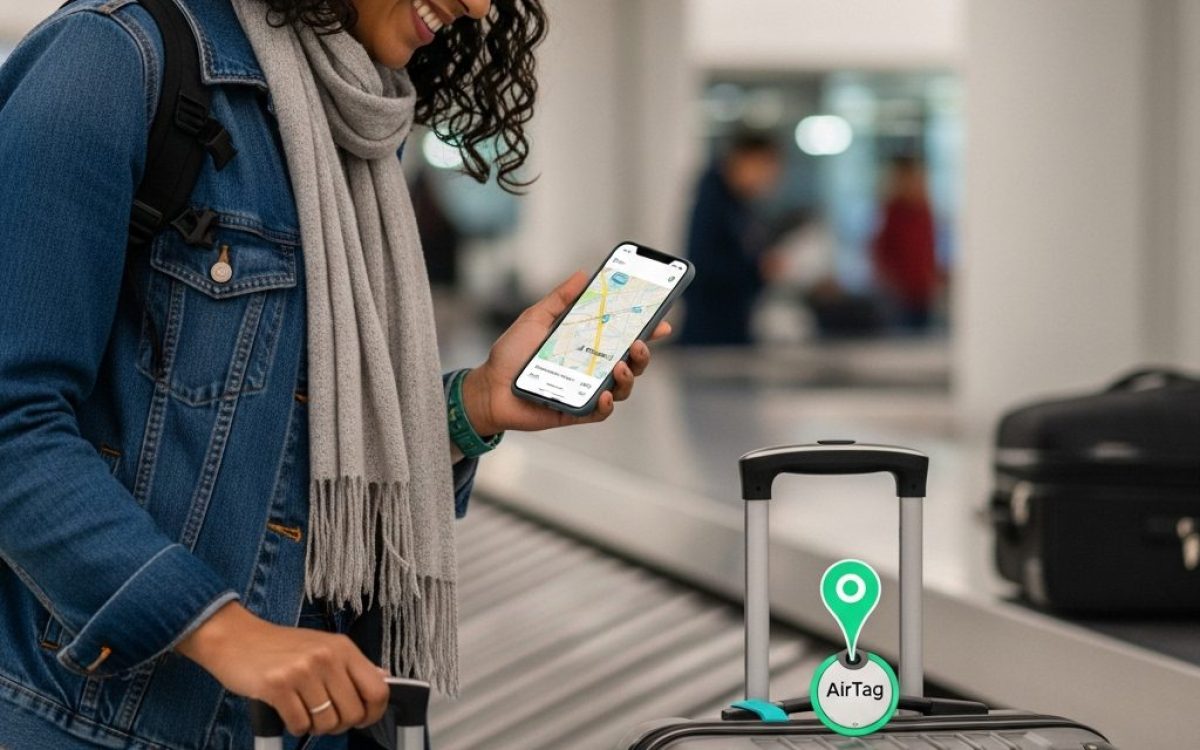
If you’ve ever traveled—even once—you probably know this feeling:
Standing by the baggage carousel… watching it empty… and feeling the anxiety rise , This is where AirTags and Travel emerged as a smart, simple, and practical solution to a problem faced by millions of travelers every year.
An AirTag isn’t a magical device, but it has changed the way we think about travel. Instead of feeling powerless, you now have information—and there’s a huge difference between the two.
What Are AirTags, and Why Have They Become Part of the Travel Experience?
An AirTag is a small tracking device by Apple that uses the extensive Find My network to pinpoint its location.
In the context of AirTags and Travel, it shifts from being just a tech accessory to a tool for security and peace of mind.

Why do travelers rely on AirTags?
- Extremely small size → easy to hide inside luggage
- Long battery life (around one year)
- No monthly subscription required
- Works in most countries worldwide
This makes it a practical option for frequent travelers—or even those who travel once or twice a year.
AirTags and Travel: Where Should You Place an AirTag in Your Luggage?
Smart use is what makes the real difference.
In AirTags and Travel, the placement of the AirTag inside your bag matters.
Best places to hide an AirTag:
- A hidden internal pocket
- Inside a small shoe bag
- Within the luggage lining (if accessible)
Important tip:
Avoid placing it in a visible or easily accessible spot. The goal is tracking—not advertising.

What Happens If Your Luggage Actually Gets Lost?
This is where the real power of AirTags and Travel shows.
Instead of filing a report and waiting blindly, you can:
- See the last known location of your bag
- Know whether it’s still at the airport or in another city
- Share that information with airline staff
This completely changes how they handle your case.
They’re no longer searching for “lost luggage”—they’re looking for luggage in a specific location.
AirTags and Travel : Are AirTags Allowed on Airplanes?
A very important question—and the answer is reassuring.
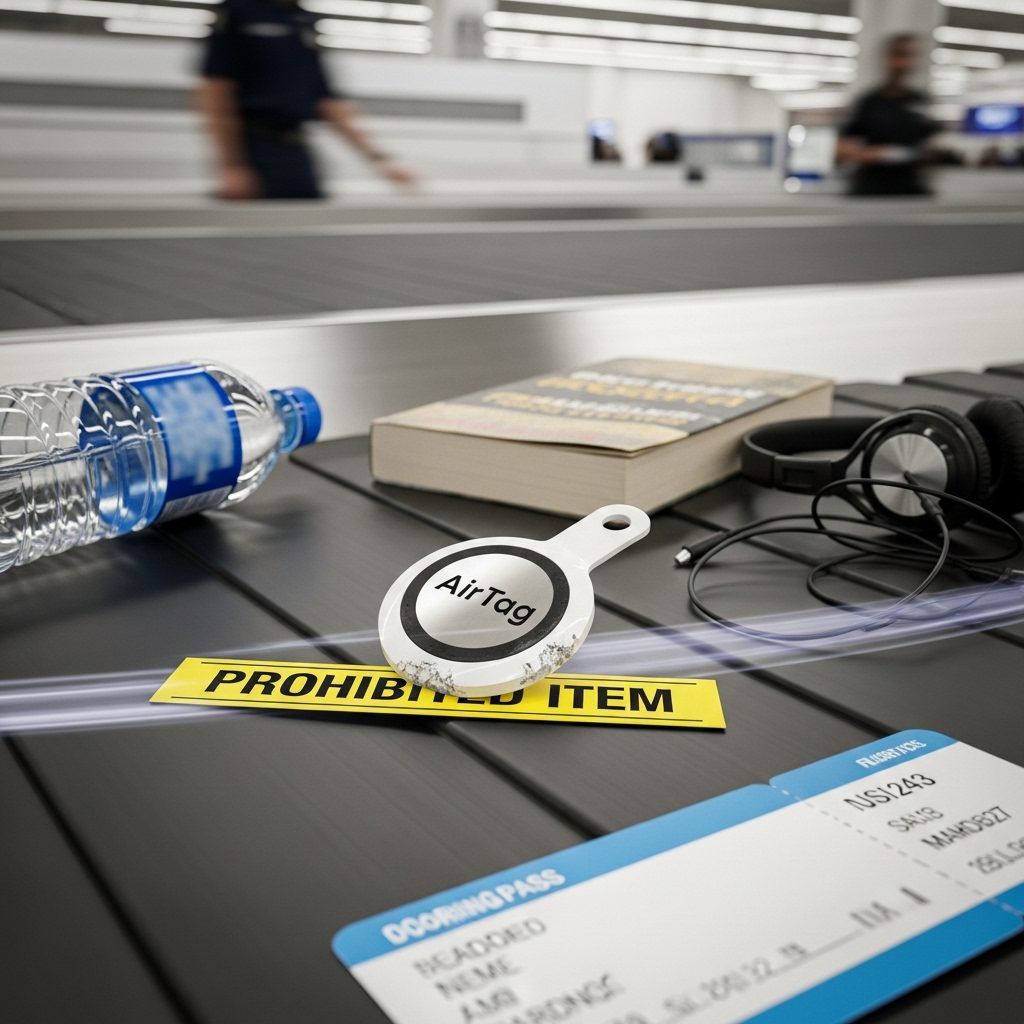
According to official aviation authorities, small tracking devices that use low-energy Bluetooth (like AirTags) are allowed in checked luggage.
Trusted regulatory source for reference:
Federal Aviation Administration (FAA) – USA
(An official aviation authority outlining approved electronic devices onboard aircraft)
AirTags vs. Traditional Airline Tracking Systems
Airlines do have internal tracking systems, but:
- They aren’t always accurate
- They’re not directly accessible to passengers
- Updates can be delayed
AirTags and Travel, on the other hand, rely on a massive global user network that updates locations continuously.
The real difference?
You’re not waiting for someone to tell you where your bag is—you can see it yourself.
When AirTags and Travel Are Not a Complete Solution
It’s important to stay realistic.
An AirTag:
- Does not prevent luggage from being lost
- Does not replace travel insurance
- Does not eliminate the need for name and address tags
It’s a powerful support tool—not a guarantee—but it significantly reduces stress and gives you a sense of control.
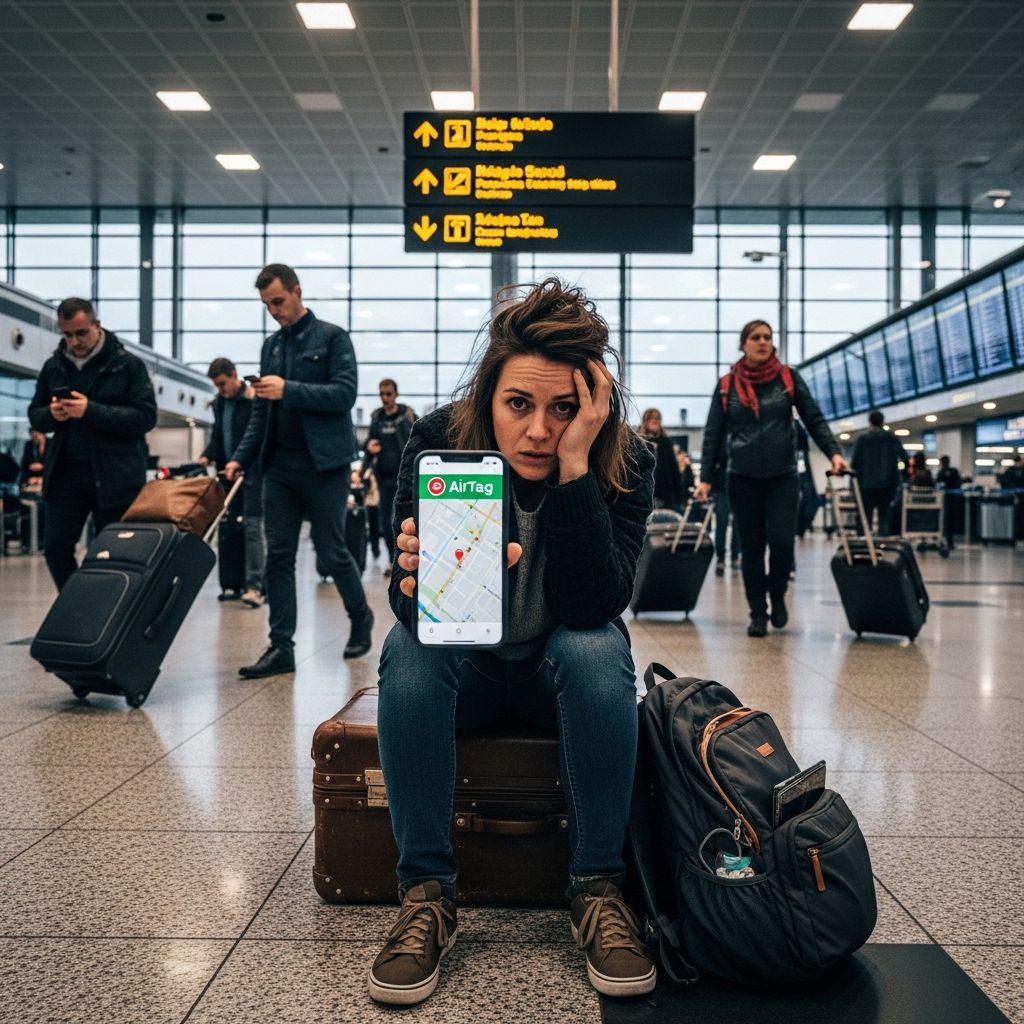
AirTags and Travel on Long-Haul and International Trips
AirTags may feel convenient on short trips, but their true value appears during long-haul or international travel—especially with layovers and multiple airlines.
In these situations, luggage loss is more likely due to:
- Aircraft changes
- Different airline operators
- High operational pressure at major airports
Here, an AirTag isn’t a luxury—it’s information.
Knowing your bag is in a specific airport, even if it’s not with you yet, reduces anxiety and speeds up resolution.
Common Mistakes When Using AirTags While Traveling
Despite their simplicity, many people reduce their effectiveness through poor use.
Mistakes to avoid in AirTags and Travel:
- Forgetting to enable notifications in the Find My app
- Not testing the AirTag before traveling
- Placing it in an external, easy-to-access pocket
- Relying on it instead of proper luggage insurance
AirTags are smart tools—but only when used consciously.
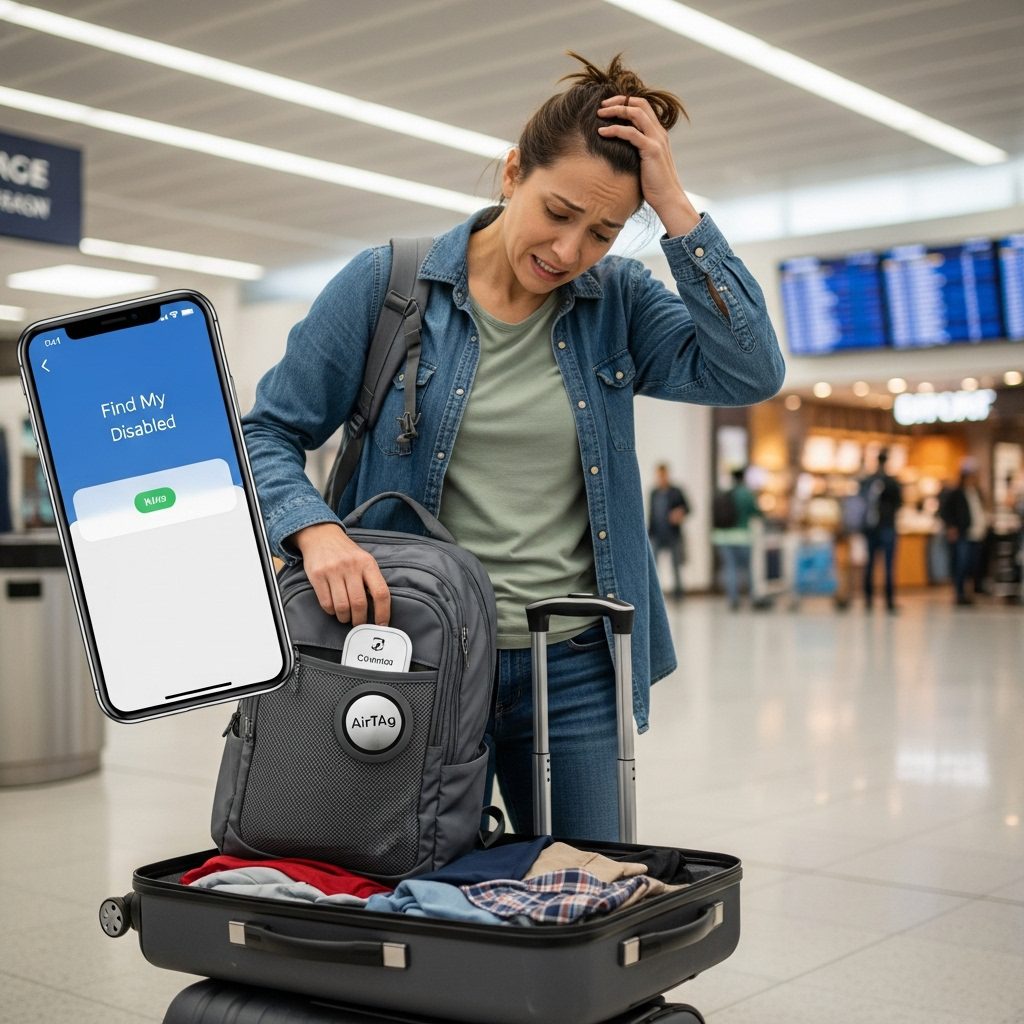
What If You See Your Luggage Location, but It Hasn’t Reached You?
A common AirTags and Travel scenario:
You see your bag on the map at an airport or in another city, but the airline says, “We’re still searching.”
In this case:
- Stay calm
- Present the exact location data
- Request escalation to a specialized staff member
- Document all communication when possible
Having real data strengthens your claim and changes how you’re treated as a traveler.
Privacy Concerns: Are AirTags Safe to Use?
A valid concern, especially with growing privacy awareness.
Apple designed AirTags with safeguards against unwanted tracking:
- Alerts if an unknown AirTag is moving with you
- Audible warnings after a period
- Encrypted location data
From a travel perspective, AirTags and Travel are considered legitimate and acceptable as long as the AirTag is used within your personal belongings.
Are AirTags Suitable for Every Traveler?
Not necessarily.
AirTags and Travel are most useful for:
-
- Frequent travelers
- Trips with layovers
- Traveling with family or children
- Carrying valuable or specialized equipment

But if you:
-
- Travel with carry-on only
- Take short domestic flights
You may not always need one.
The point isn’t owning technology—it’s using it at the right time.
Smart Tracking Doesn’t Prevent Problems—It Changes How You Experience Them
The biggest impact of AirTags and Travel isn’t technical—it’s psychological.
It’s the feeling of not being lost, even if your luggage is.
Travel will always come with surprises.
But having information—even simple information—makes the journey calmer and smarter.
Smart travel isn’t about controlling every detail—it’s about being prepared.
If tools like AirTags have changed how you think about travel, explore more practical travel insights, safety tips, and real-world guides on nutritiontravels, where every journey is planned with awareness—not stress.