
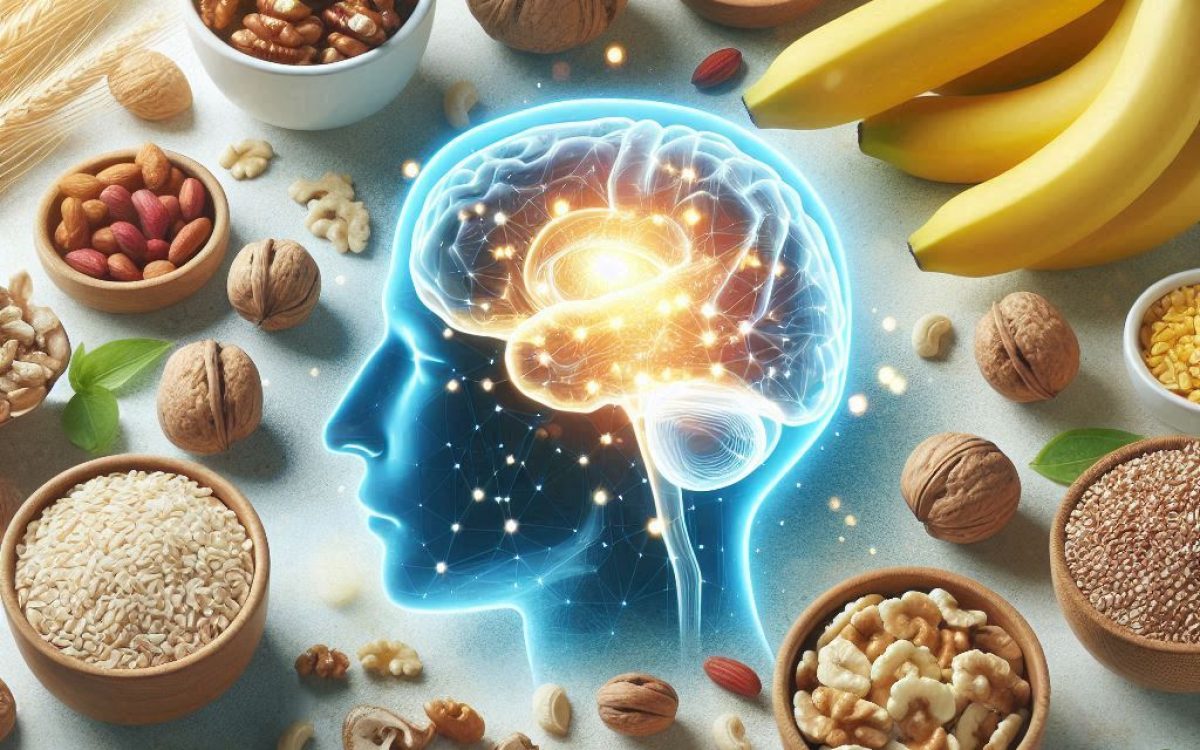
Vitamin B6 benefits make this essential nutrient a hidden hero in the world of nutrition. It plays a vital role in both body and brain health, supporting mood, the nervous system, and other essential bodily functions.
What is Vitamin B6?
Vitamin B6 is one of the B-complex vitamins and is scientifically known as pyridoxine. It exists in several chemical forms, including pyridoxal and pyridoxamine, with a large portion of it being converted in the body into the active form known as pyridoxal 5-phosphate, which performs biological functions in the cells.
Vitamin B6 is water-soluble, which means the body excretes it regularly. This also means it’s necessary to replenish B6 continuously, preferably through a balanced diet that includes meat, grains, vegetables, and nuts.

The Role of Vitamin B6 in Brain and Mood:
One of the main reasons nutrition enthusiasts care about Vitamin B6 is its significant effect on the brain and mood. It helps the body produce neurotransmitters such as serotonin and dopamine, which play a direct role in regulating mood and feelings of happiness.
1. Improving Mood and Mental Health:
Vitamin B6 is essential for producing neurotransmitters that influence emotions, such as serotonin and dopamine. This makes it a key nutrient for regulating mood and mental well-being. Studies have shown that taking magnesium supplements can improve mood swings effectively, enhancing emotional performance and other mental functions.
2. Enhancing Brain Function:
Both Vitamin B6 and magnesium are necessary for maintaining healthy brain functions. They are essential for cognitive functions such as focus and learning. B6 also helps convert homocysteine into less toxic compounds, contributing to overall brain health. This makes it an important nutrient for protecting against cognitive decline and supporting normal psychological functions.

Health Benefits of Vitamin B6:
1. Boosts Immune System Functions:
Your immune system heavily relies on Vitamin B6 to produce antibodies and maintain white blood cell function. This vitamin supports the production of lymphocytes and interleukin-2, both essential components in immune response mechanisms.
2. Supports Heart and Cardiovascular Health:
Vitamin B6 contributes to heart health by helping regulate homocysteine levels in the blood. Elevated homocysteine levels are associated with a higher risk of cardiovascular diseases, making B6’s regulatory function particularly important.
3. Enhances Skin and Hair Health:
Your skin and hair benefit greatly from adequate Vitamin B6 intake. It supports collagen production, which maintains skin elasticity and strength. It also helps regulate oil secretion in the skin, potentially reducing acne and other skin issues.

4. Supports Energy Production and Metabolism:
This vitamin is a key cofactor in energy metabolism, helping convert carbohydrates, fats, and proteins into usable energy.
5. Controls Inflammation:
Some studies have shown that Vitamin B6 can help reduce chronic inflammation, a common contributor to multiple health issues such as heart disease and diabetes.
Dietary Sources of Vitamin B6:
1. Fish: Tuna is one of the best fish for heart health, containing a high level of Vitamin B6—among the highest of all foods.
2. Dairy Products: A cup of low-fat cottage cheese (1%) provides 12% of the recommended daily value of Vitamin B6. It is also present in other cheeses, especially those containing whey.
3. Eggs: Eggs are a nutritious part of any meal. Regardless of preparation, two eggs provide about 10% of the recommended daily value of Vitamin B6.

Recommended Daily Intake:
Daily requirements vary by age and gender, but generally range from 1.3 to 2 mg per day for adults. It’s important to note that excessive supplement intake may cause side effects, such as nerve issues, so it’s best to obtain the vitamin from food as much as possible.
Symptoms and Warnings of B6 Deficiency:
Vitamin B6 deficiency is uncommon among people who follow a balanced diet, but it may occur in certain cases such as:
- Poor nutrition or strict diets.
- Liver or kidney diseases.
- Certain medications that affect vitamin absorption.

Vitamin B6 is not just an ordinary nutrient; it is an essential partner for brain health, mood, and daily energy. Nutrition enthusiasts or those seeking to improve their mental and psychological quality of life may find B6 a natural supporter for enhancing focus, mood, and preventing some chronic health issues.
At Nutrition Travels, we provide accurate and comprehensive information about vitamins and nutrients, highlighting safe and effective ways to benefit from them. The best way to make the most of Vitamin B6 is to diversify your diet and include B6-rich foods daily, while being mindful of the quantity and avoiding excessive supplements, ensuring balanced health and a more active, happier life.