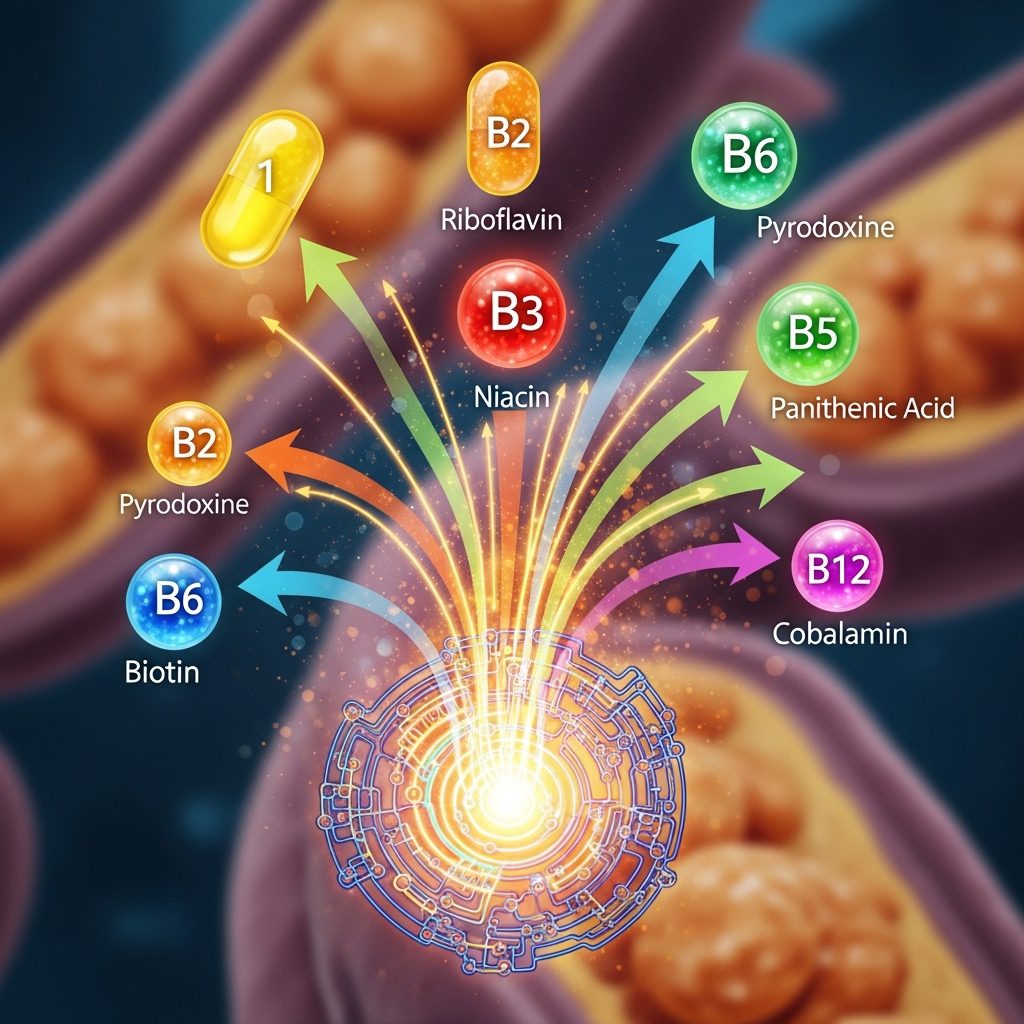

Maintaining optimal health starts with understanding the essential vitamins your body needs daily. These nutrients are crucial for immunity, energy, brain function, and overall vitality. While there are 13 essential vitamins, focusing on the top 10—A, C, D, E, K, and B vitamins (B1, B3, B6, B9, B12)—can provide a solid foundation for well-being. The best way to get them is through a balanced, colorful diet, with occasional supplementation if recommended by your healthcare provider.

1- Vitamin A (Retinol) – Vision and Immunity
Function: Supports eye health, immune system, and cell growth.
Sources: Carrots, sweet potatoes, spinach, liver, eggs, and dairy.
Vitamin A is critical for maintaining sharp vision and a strong immune system. Including orange and dark green vegetables in your meals ensures you get enough beta-carotene, which the body converts into vitamin A.

2- Vitamin C (Ascorbic Acid) – Immune Booster
Function: Powerful antioxidant, supports immunity, collagen production.
Sources: Citrus fruits, strawberries, bell peppers, broccoli, tomatoes.
Vitamin C protects your cells from oxidative stress while helping your body absorb iron efficiently. It’s essential for healthy skin, gums, and wound healing.

3- Vitamin D (Calciferol) – Bone and Immune Health
Function: Promotes calcium absorption, strengthens bones and teeth, supports immunity.
Sources: Sunlight, fatty fish (salmon, sardines), fortified milk, eggs.
Often called the “sunshine vitamin,” vitamin D deficiency is common, especially in winter. Regular safe sun exposure or fortified foods ensures strong bones and a healthy immune response.

4- Vitamin E (Tocopherol) – Cellular Protection
Function: Antioxidant that protects cells from damage, supports skin health.
Sources: Nuts, seeds, vegetable oils, leafy greens.
Vitamin E helps neutralize free radicals, reducing oxidative stress and supporting youthful, healthy skin. Including a handful of almonds or sunflower seeds daily can make a big difference.

5- Vitamin K (Phylloquinone) – Blood Clotting and Bone Health
Function: Supports blood clotting and bone strength.
Sources: Dark leafy greens (spinach, kale), broccoli, Brussels sprouts.
Vitamin K is vital for coagulation and directing calcium to the bones instead of arteries. Pairing it with vitamin D-rich foods enhances bone health.

6- B Vitamins – Energy, Brain, and Nerve Support
B vitamins are water-soluble and play key roles in energy metabolism, brain function, and red blood cell formation. Key B vitamins include:
- B1 (Thiamine): Converts carbohydrates into energy, supports nerves. Found in whole grains, beans, nuts.
- B3 (Niacin): Supports skin, nervous system, and energy production. Found in meats, poultry, fish, peanuts.
- B6 (Pyridoxine): Helps produce neurotransmitters, supports red blood cells. Found in chicken, fish, potatoes, bananas.
- B9 (Folate): Essential for DNA synthesis, cell growth, and pregnancy health. Found in leafy greens, legumes, liver, fortified grains.
- B12 (Cobalamin): Supports nerve health, red blood cell formation, and energy. Found in meat, poultry, fish, eggs, dairy.
Ensuring you consume a variety of these foods helps prevent fatigue, anemia, and nerve issues.

7- Vitamins and Mental Clarity
Vitamins don’t just support physical health—they also enhance mental clarity and focus. B vitamins, especially B6, B9, and B12, aid in the production of neurotransmitters that regulate mood, memory, and cognitive function. Vitamin D contributes to emotional well-being and mental performance. Even minor deficiencies can lead to brain fog, low energy, and mood swings. Prioritizing these vitamins through diet or supplements ensures a sharper mind, better concentration, and improved daily productivity.

8- How to Get Your Daily Vitamins
The most effective way to meet your vitamin needs is through a diverse diet:
- Vegetables: Leafy greens (spinach, kale, broccoli) provide vitamins A, K, folate, and antioxidants.
- Fruits: Citrus, berries, and colorful fruits deliver vitamin C and carotenoids.
- Protein Sources: Meat, poultry, fish, and eggs supply B12, B6, vitamin D, and protein.
- Dairy: Milk, yogurt, and cheese offer calcium, vitamin D, and B2.
- Nuts and Seeds: Rich in vitamin E, healthy fats, and minerals.
- Whole Grains and Legumes: Excellent for B vitamins, fiber, and energy.
Moderation and balance are key. Water-soluble vitamins (B and C) need daily intake, while fat-soluble vitamins (A, D, E, K) are stored and should be consumed with healthy fats for absorption.

9- Tips for Maximizing Vitamin Absorption
- Pair with healthy fats: Vitamins A, D, E, and K absorb better with olive oil, avocado, or nuts.
- Avoid overcooking: Steaming or light sautéing preserves water-soluble vitamins.
- Sun exposure: Regular safe sun exposure is essential for vitamin D production.
- Supplement wisely: Consult a doctor before taking supplements, especially for B12, vitamin D, or prenatal vitamins.

10- The Bigger Picture – Minerals and Lifestyle
While vitamins are essential, minerals like calcium, iron, magnesium, and zinc work alongside them to support immunity, bone health, and energy metabolism. Combined with a balanced diet, regular exercise, and proper hydration, these nutrients create the foundation for optimal health.

Focusing on these 10 essential vitamins ensures your body and mind function at their best. From energy production and immunity to mental clarity and strong bones, vitamins are the building blocks of health. By including colorful fruits, vegetables, protein-rich foods, and safe sun exposure in your daily routine, you can naturally meet your nutritional needs.
Ready to take charge of your health? Explore practical tips, meal plans, and vitamin-rich recipes on Nutrition Travels and start fueling your body the right way today!