
As we age, taking care of cardiovascular health becomes more critical than ever. One of the most important factors in protecting the heart and blood vessels is controlling cholesterol levels. High cholesterol, especially the “bad” cholesterol known as LDL, can lead to fat deposits on artery walls, restricting blood flow and increasing the risk of heart attacks and strokes.
Although elevated cholesterol is common in older adults, awareness and adopting a healthy lifestyle can make a tremendous difference in both quality of life and longevity. Proactive management is the key to staying active, independent, and heart-healthy.

Risks of High Cholesterol in Seniors
- Atherosclerosis
Excess cholesterol leads to fatty deposits inside the arteries, making them hard and less flexible. This condition, called atherosclerosis, narrows blood vessels and forces the heart to work harder. - Heart Disease
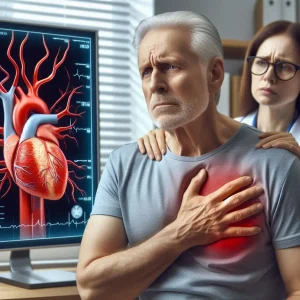
When arteries that supply blood to the heart are narrowed, it can cause chest pain (angina) or even heart attacks. Seniors with high cholesterol are particularly vulnerable to these risks. - Stroke
Sometimes, fatty deposits detach and travel through the bloodstream, causing blockages in vessels that supply the brain. This can result in sudden strokes, which may have long-term or even life-threatening consequences.
When Should Seniors Worry About Cholesterol?
It is crucial for people over 50 to undergo regular cholesterol screenings. Both high LDL (bad cholesterol) and low HDL (good cholesterol) raise red flags for cardiovascular disease.
Moreover, chronic conditions such as diabetes, hypertension, or obesity make cholesterol-related complications more dangerous. Regular medical follow-ups help create a personalized plan tailored to each person’s health status.
Understanding Good vs. Bad Cholesterol
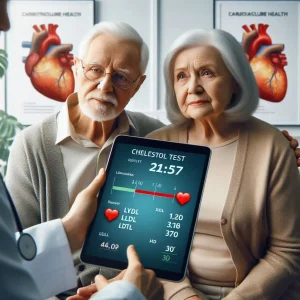
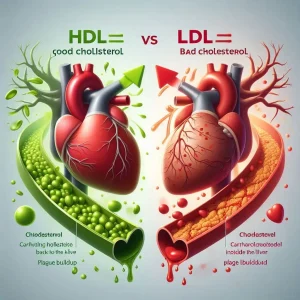
- HDL (High-Density Lipoprotein) – The “good” cholesterol. HDL helps remove excess cholesterol from arteries and transports it back to the liver for elimination. Higher HDL levels are protective against heart disease.
- LDL (Low-Density Lipoprotein) – The “bad” cholesterol. LDL carries fat to the arteries, increasing plaque buildup and artery blockages. Elevated LDL is directly linked to heart attacks and strokes.
Healthy Ranges for Seniors:
- HDL: 60 mg/dL or higher (ideal).
- LDL: Less than 100 mg/dL (optimal).
Lifestyle Strategies to Control Cholesterol
- Adopt a Heart-Healthy Diet
- Eat more vegetables, fruits, legumes, and whole grains.
- Prioritize lean proteins like fish, chicken, and plant-based proteins.
- Limit processed foods, fried meals, and sugar-heavy snacks.
- Stay Physically Active
- Aim for at least 30 minutes of light to moderate exercise daily, such as brisk walking, swimming, or cycling.
- Even chair yoga, stretching, or simple strength training can help older adults stay active and improve circulation.
- Quit Smoking
- Smoking lowers HDL and increases LDL, damaging arteries further. Quitting at any age significantly improves heart health.
- Regular Medical Check-Ups
- Blood tests every 6–12 months can track cholesterol levels.
- Doctors may prescribe cholesterol-lowering medications such as statins if lifestyle changes alone aren’t enough.

Foods That Lower Cholesterol Naturally
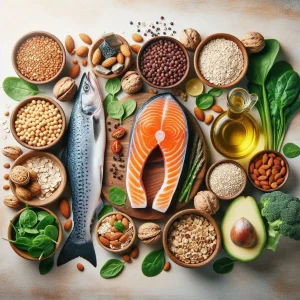
- Fatty Fish – Salmon, mackerel, and sardines provide omega-3 fatty acids that protect the heart.
- Legumes – Beans, lentils, and chickpeas are rich in fiber, which helps reduce LDL.
- Leafy Greens – Spinach and kale contain compounds that lower cholesterol absorption.
- Whole Grains – Oats and barley help reduce bad cholesterol.
- Nuts – Almonds and walnuts supply healthy fats that raise HDL.
- Healthy Oils – Olive oil and avocado oil are excellent replacements for butter and margarine.
- Soy Products – Tofu, soy milk, and edamame can improve cholesterol balance.
Foods to Limit or Avoid
- Processed meats (sausages, bacon, salami).
- Deep-fried foods and fast food.
- Butter-heavy pastries and baked goods.
- Full-fat dairy products.
- Organ meats like liver.
- High-cholesterol seafood such as shrimp (if consumed excessively).
The Role of Healthy Fats in Senior Nutrition
Not all fats are harmful. In fact, healthy unsaturated fats play a vital role in supporting heart health. Olive oil, avocado, flaxseeds, and nuts help lower LDL while boosting HDL. These fats also improve brain function, support weight management, and keep skin and hair healthy thanks to their antioxidant content.

Hydration and Its Impact on Heart Health
Staying hydrated is often overlooked but is critical for seniors. Water helps maintain blood volume, stabilizes blood pressure, and prevents clot formation. Adequate hydration allows the heart to pump more efficiently, reducing strain. Older adults should aim for 6–8 glasses of water per day, adjusting for climate and activity levels.
Practical Tips for Portion Control and Balanced Meals
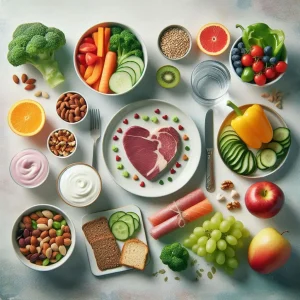
- Mix food groups in every meal to balance nutrients.
- Eat slowly to avoid overeating and improve digestion.
- Use smaller plates to naturally reduce portion sizes.
- Plan meals ahead of time to avoid unhealthy snacking.
- Choose healthy snacks like nuts, fruit, or yogurt.
Beyond Diet: Exercise, Sleep, and Stress Management
- Physical Activity – Regular exercise helps lower LDL, increase HDL, and improve circulation.
- Quality Sleep – 7–8 hours of restful sleep maintains hormonal balance and energy.
- Stress Reduction – Stress can raise cholesterol levels. Relaxation practices such as meditation, yoga, deep breathing, or spending time with loved ones are highly beneficial.
Sample Heart-Healthy Meal Ideas for Seniors
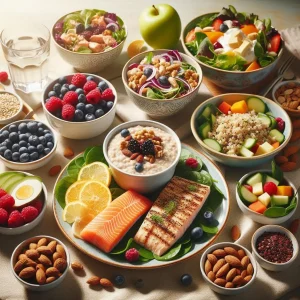
- Breakfast: Oatmeal with berries and walnuts.
- Lunch: Quinoa salad with tuna, chickpeas, and leafy greens.
- Dinner: Grilled salmon with brown rice and steamed vegetables.
- Snacks: Greek yogurt, a handful of almonds, or fresh fruit.
Managing cholesterol isn’t just about numbers on a blood test—it’s about protecting your heart, brain, and overall well-being as you age. With the right balance of nutrition, exercise, hydration, and lifestyle habits, seniors can significantly reduce their risk of heart disease and live fuller, more energetic lives.
Don’t wait for warning signs—start making small, sustainable changes today. For more expert tips and practical guides on heart health and nutrition, visit Nutrition Travels and take the first step toward a stronger, healthier future.