
As more families explore plant-based lifestyles, one question often arises: Are vegan diets safe for children? The answer is yes—but only when done thoughtfully, with careful planning and guidance from healthcare professionals. A well-balanced vegan diet can provide all the essential nutrients for growing kids, support their health, and instill lifelong healthy eating habits.
Why Planning is Key
A vegan diet for children requires meticulous planning to ensure they get all the nutrients necessary for growth and development. Parents should always consult a pediatrician or a registered dietitian before transitioning their child to a fully plant-based diet. Proper guidance helps prevent nutritional gaps and ensures children receive sufficient calories, vitamins, and minerals.

Essential Nutrients to Monitor
Vitamins
- Vitamin B12: Crucial for nerve health and blood cell production. Without it, children may develop neurological problems or anemia.
- Vitamin D: Supports bone health and immune function. Supplementation might be necessary, especially in low-sunlight regions.
Minerals
- Iron: Plant-based iron (non-heme) is less easily absorbed than animal sources. Pairing iron-rich foods with vitamin C boosts absorption.
- Calcium: Essential for strong bones and teeth; fortified plant milks or calcium-rich greens can help meet requirements.
- Zinc: Vital for growth and immune health.
Protein and Calories
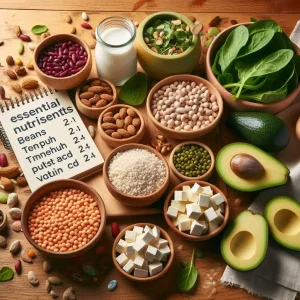
Children need sufficient protein for growth, which can come from beans, lentils, tofu, tempeh, nuts, seeds, and whole grains. High-fiber plant diets can sometimes leave kids feeling full before they meet their calorie needs, so energy-dense foods like nut butters, avocado, and fortified plant milks are excellent options.
Building a Balanced Vegan Diet for Kids
Key Food Groups
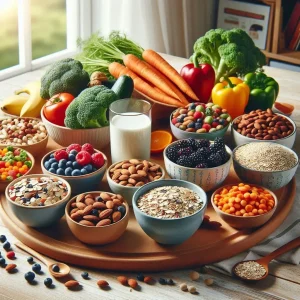
- Fruits and Vegetables: Five servings a day, ideally a rainbow of colors, to ensure a wide range of vitamins and minerals.
- Whole Grains: Brown rice, oats, quinoa, whole wheat bread, and pasta provide energy, fiber, and some protein.
- Legumes: Lentils, chickpeas, black beans, and peas are protein-rich staples.
- Nuts and Seeds: Almonds, walnuts, chia, and flax seeds offer healthy fats and additional protein.
- Fortified Plant Milks & Alternatives: Soy milk or oat milk fortified with calcium, vitamin D, and B12 helps meet key nutrient needs.
Tips for Nutrient Coverage
- Include B12 supplements if the child does not consume fortified foods.
- Pair iron-rich foods with vitamin C sources like oranges, bell peppers, or strawberries.
- Rotate protein sources daily to ensure a complete amino acid profile.
- Ensure healthy fats through nuts, seeds, and avocado to support brain development.
Monitoring Growth and Health
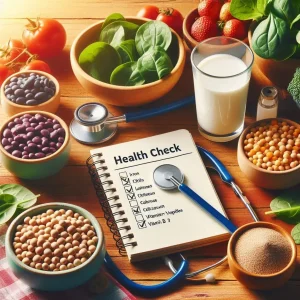
Regular check-ups with a pediatrician are critical. Children following a vegan diet should have:
- Height and weight tracked to ensure normal growth.
- Blood tests periodically to monitor vitamin B12, vitamin D, iron, and other essential nutrients.
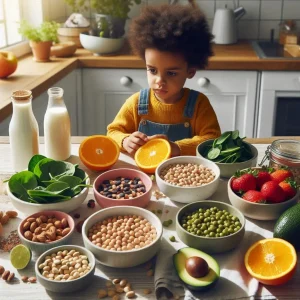
Signs of Nutrient Deficiency
Watch for potential warning signs:
- Fatigue, weakness, or pale skin (may indicate iron or B12 deficiency).
- Poor concentration or cognitive issues.
- Hair thinning, brittle nails, or skin problems.
- Muscle cramps or bone pain (possible calcium or vitamin D deficiency).
If any of these appear, consult a healthcare professional promptly. Early intervention can prevent long-term health issues.
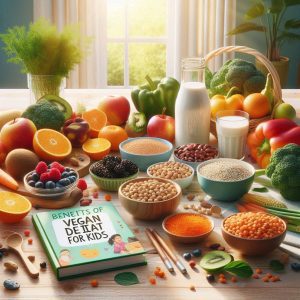
Benefits of a Well-Planned Vegan Diet for Kids
When carefully designed, a plant-based diet offers remarkable benefits:
- Heart health: Lower saturated fat and cholesterol intake reduces cardiovascular risk.
- Reduced risk of type 2 diabetes: High fiber and lower processed sugar improve insulin sensitivity.
- Cancer prevention: Diets rich in fruits, vegetables, and legumes can lower certain cancer risks.
- Improved nutrient intake: Kids get ample fiber, antioxidants, and essential vitamins and minerals from plant foods.
Challenges and How to Overcome Them
While vegan diets can be safe, challenges include:
- Potential deficiency in vitamin B12, iron, calcium, and vitamin D if not supplemented.
- Delayed growth if caloric intake is insufficient.
- Bone health concerns without proper calcium and vitamin D intake.
Solutions:
- Consult a dietitian to design a personalized nutrition plan.
- Use fortified foods and supplements as needed.
- Encourage a variety of foods to cover all nutrients.
- Monitor growth and lab results regularly.


Fun and Balanced Vegan Meals for Kids
- Breakfast: Oatmeal with almond butter, chia seeds, and fruit.
- Lunch: Lentil patties with brown rice and colorful vegetables.
- Snack: Trail mix with nuts, seeds, and dried fruit.
- Dinner: Tofu stir-fry with quinoa and steamed broccoli.
- Dessert: Banana “nice cream” made with frozen bananas and a splash of plant milk.
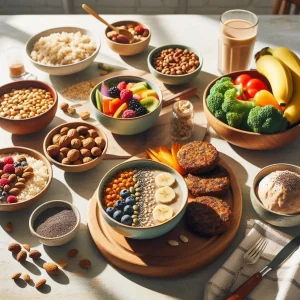
Making meals visually appealing, colorful, and fun encourages kids to enjoy eating plant-based foods.
A vegan diet can absolutely be safe and healthy for children—if planned carefully. Parents must educate themselves, seek guidance from experts, and ensure that kids get all the nutrients they need. With the right planning, a plant-based diet can support strong growth, optimal development, and long-term health.
Ready to try a balanced vegan diet for your kids? Explore recipes, meal plans, and expert tips on Nutrition Travels to ensure your child thrives on plant-based nutrition!