What happens to the body during exercise?
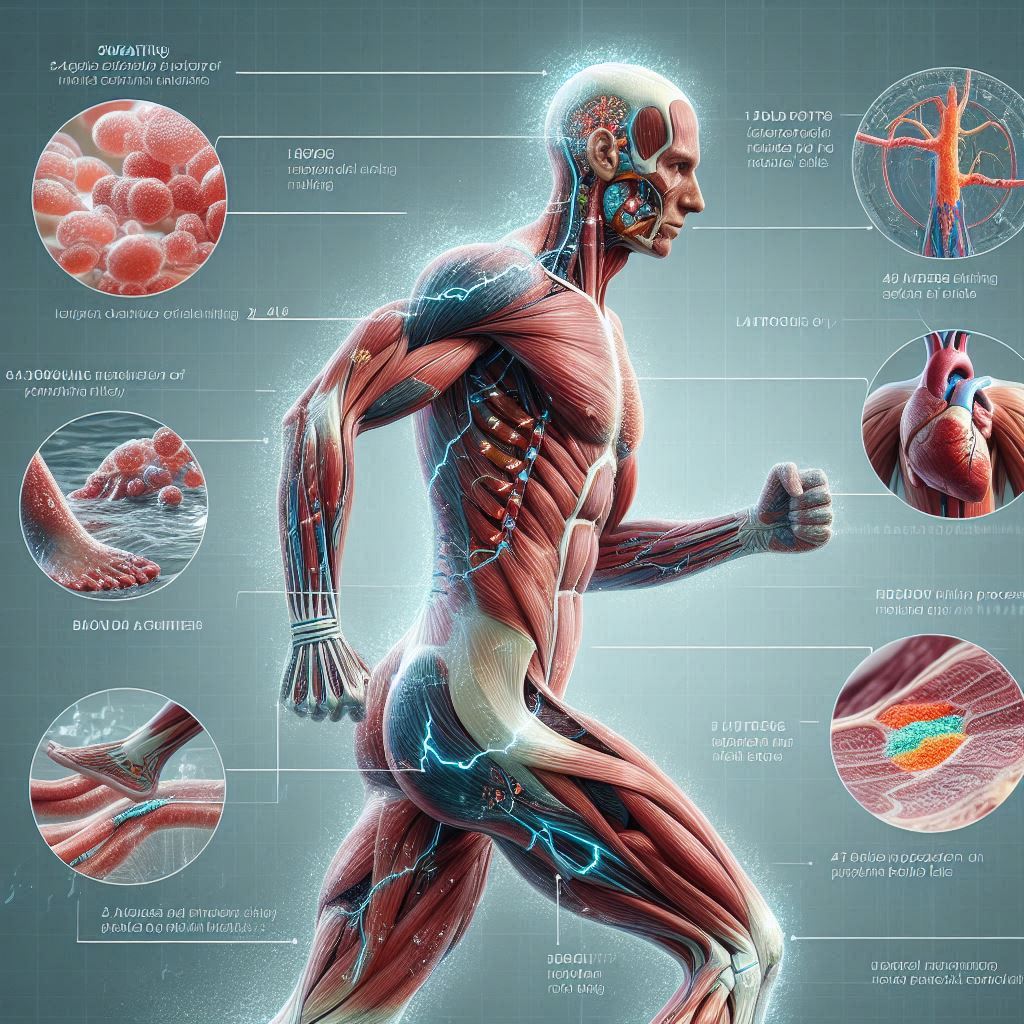
To understand the importance of nutrient timing, it is helpful to look at what happens inside the body during physical activity:
1. Stored glycogen in the muscles and liver is used as the primary source of energy, especially during high-intensity exercise.
2. The release of certain hormones such as adrenaline and cortisol increases.
3. Muscle fibers begin to experience microscopic mechanical stress, which later contributes to muscle building and growth.
4. There is a loss of fluids and mineral salts.
These changes indicate that the body enters a state of energy expenditure and muscle repair stimulation, and here nutrition plays a key role in supporting these processes efficiently.
Pre-Workout Nutrition: Preparing the Body for Performance:
Not eating before a workout is like driving a car with an empty battery. You may not have enough energy to get the most out of your session, and this may limit your ability to burn calories effectively. It is preferable to consume a fuel-rich meal about two hours before exercise by:
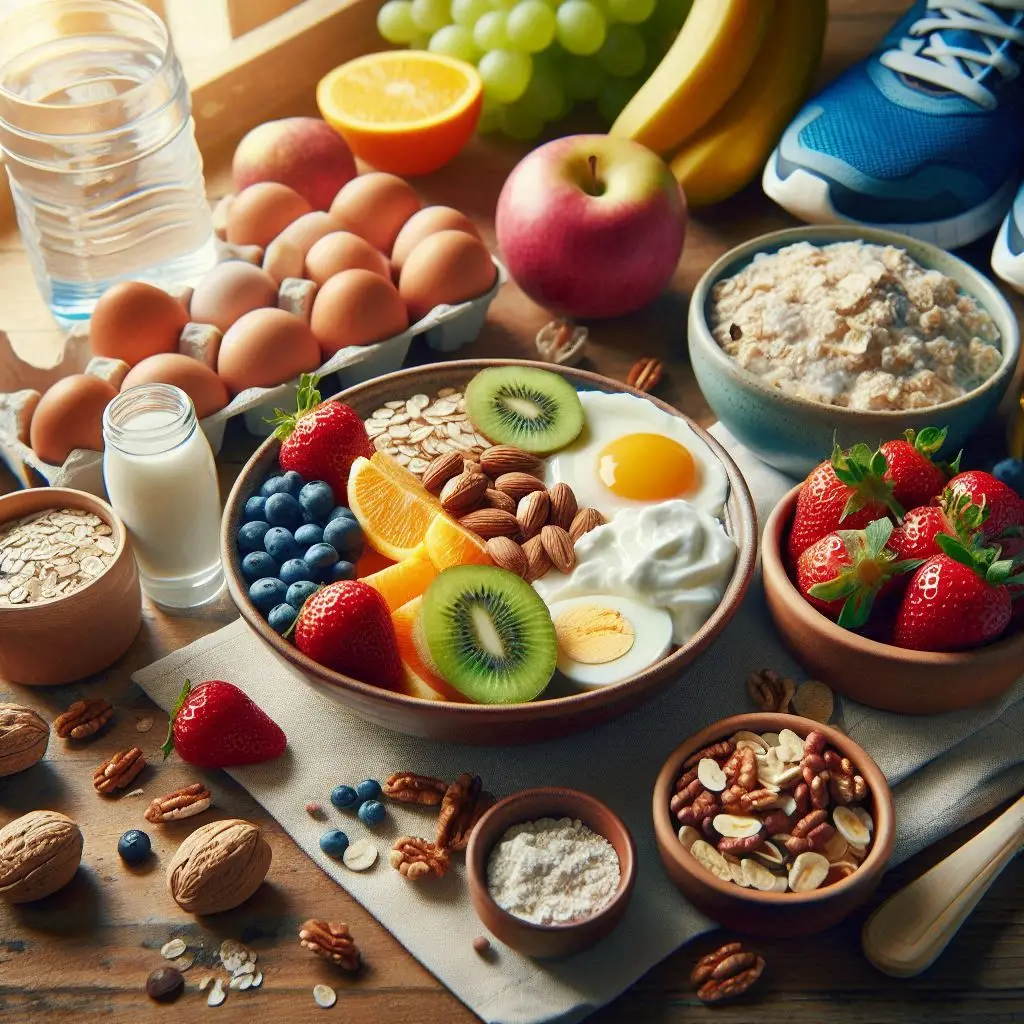
1. Eating healthy carbohydrates such as whole-grain cereals (with low-fat or fat-free milk), whole-wheat toast, whole-grain pasta, brown rice, fruits, and vegetables.
2. Avoiding saturated fats, as the stomach digests these types of fuel slowly, which reduces the amount of oxygen and blood needed to deliver energy to your muscles, thereby interfering with digestion.
3. Adding a moderate amount of protein before exercise may help reduce muscle breakdown. The availability of amino acids in the bloodstream during exercise may support recovery afterward.
Suitable sources include:
- Greek yogurt
- Eggs
- Cottage cheese
Timing Your Pre-Workout Meals for Best Results?
Timing is a very important factor in nutrition. If food is consumed too early, it may wear off before the workout begins; if consumed too late, it may feel uncomfortable in the stomach during exercise. Although body size, age, metabolism, gastric movement, and type of exercise all influence meal timing, the optimal time to eat is generally two to four hours before exercise.
Post-Workout Nutrition: The Phase of Building and Recovery:
Your body uses stored energy (glycogen) in your muscles to provide the energy needed during exercise. Afterward, these lost nutrients need to be replenished. What can be done?
1. Post-Workout Meals to Replenish Glycogen:
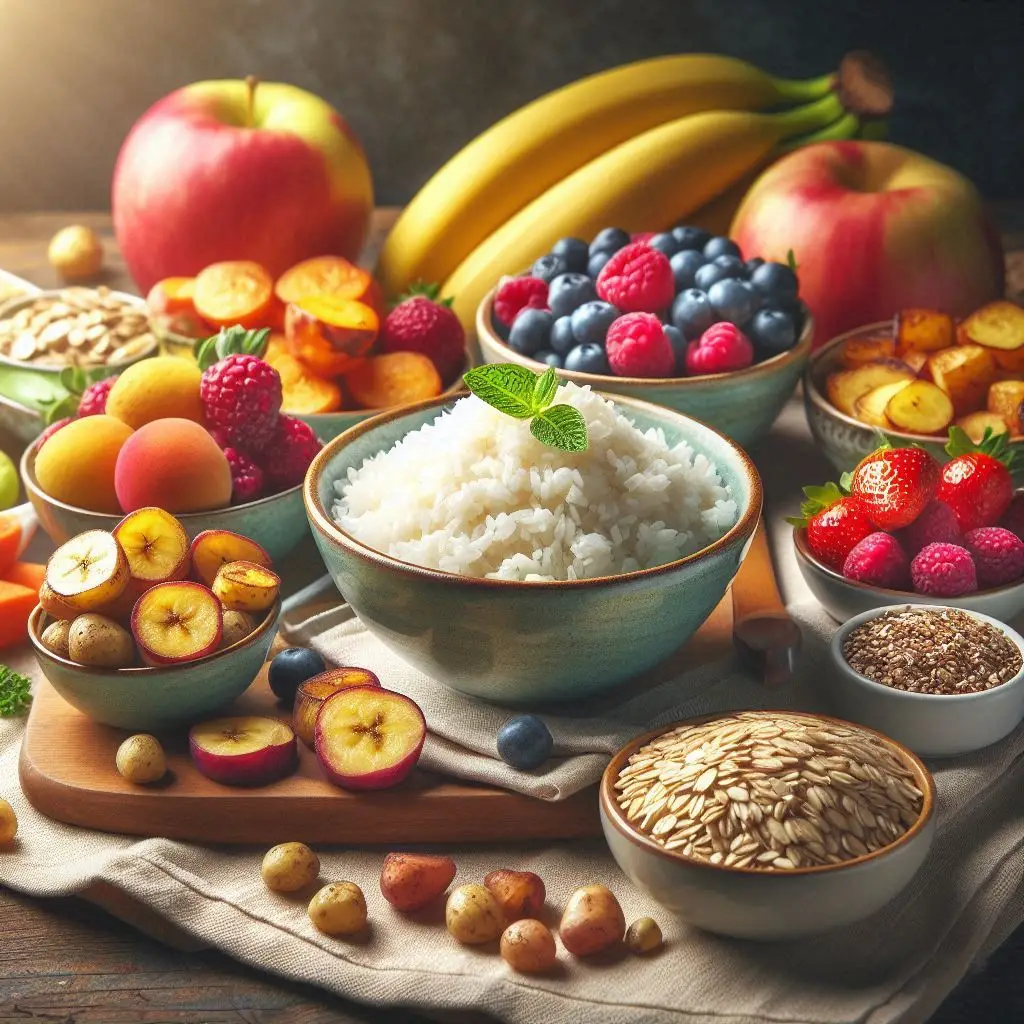
Carbohydrates after exercise help compensate for what was used during activity. Muscle insulin sensitivity increases after exercise, making glucose absorption more efficient.
This does not necessarily mean consuming large amounts of simple sugars. Moderate sources can be relied upon, such as:
- Rice
- Fruits
- Potatoes
- Whole grains
2. Protein and Muscle Protein Synthesis:
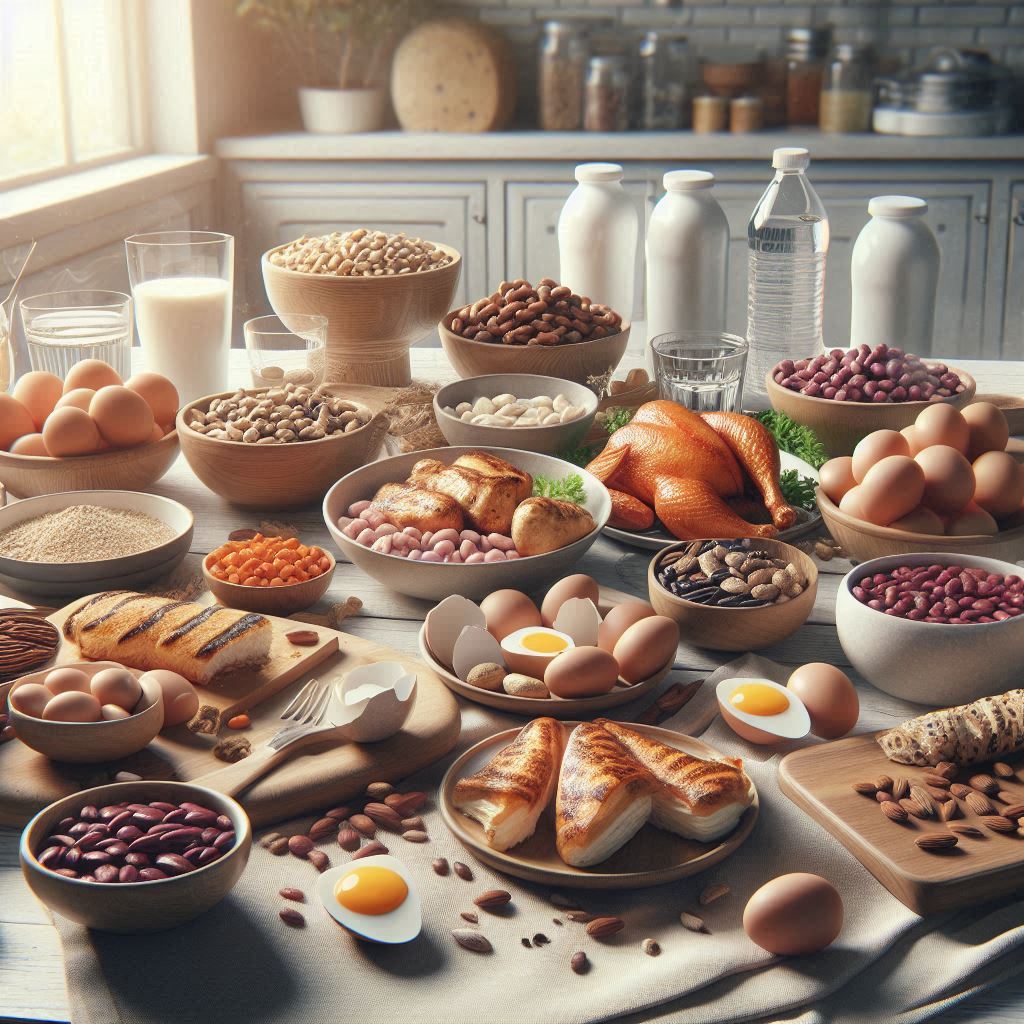
From a scientific perspective, the post-workout phase is an appropriate time to stimulate muscle protein synthesis. Research suggests that consuming 20–40 grams of high-quality protein may effectively support this process.
Effective sources include:
- Whey protein
- Chicken breast
- Fish
- Eggs
The matter is not only related to total daily protein intake, but also to its distribution throughout the day, including the meal following exercise.
Different Goals, Different Strategies:
1. For those seeking muscle gain:
- Paying attention to a slight caloric surplus.
- Distributing protein intake evenly.
- Supporting workouts with carbohydrate-rich meals before and after training.

2. For those seeking fat loss:
- Maintaining a moderate caloric deficit.
- Not neglecting protein to preserve muscle mass.
- Choosing carbohydrate sources that align with daily needs.
3. For professional athletes or endurance training:
- More precise carbohydrate management strategies may be needed.
- Paying attention to fluid replacement.
- Focusing on rapid recovery between sessions.

The Role of Fluids and Electrolytes:
1. Fluids:
In addition to food, hydration is a fundamental element in performance and recovery. Losing even a small percentage of fluids can affect strength and concentration. Therefore, maintaining fluid balance before, during, and after exercise is an essential part of sports nutrition strategy.
2. Electrolytes:
Lost electrolytes can be replenished through food sources such as fruits, leafy green vegetables, fatty fish, low-fat dairy products, nuts, and seeds. These sources provide the electrolytes and minerals the body needs. Although sports drinks and tablets may help replenish electrolytes, caution is advised. These products often contain high amounts of sugar and caffeine. Dizziness, lightheadedness, or muscle cramps may occur after exercise if electrolytes are not properly replaced.
Common Mistakes in Nutrient Timing:
1. Relying on supplements without focusing on the basic diet.
2. Ignoring total calorie intake and focusing only on the post-workout meal.
3. Overconsuming sugars.
4. Neglecting protein intake throughout the day.
Meal timing before and after exercise, through well-planned pre- and post-workout meals, is essential for maximizing the benefits of your training, supporting recovery, and achieving long-term fitness goals. At Nutrition Travels, we provide guidance on selecting the best pre- and post-workout meals based on science, so that every workout contributes to sustainable results.
In the end, nutrition is not merely support for training; it is an essential partner in achieving optimal performance, building a stronger body, and reaching health and fitness goals in a studied and sustainable way.
Because understanding these details may seem complex for some, at Nutrition Travels we provide simplified and continuously updated scientific content for those interested in sports nutrition and general health, with a focus on helping readers understand the scientific foundation behind every nutritional recommendation without exaggeration or misinformation.