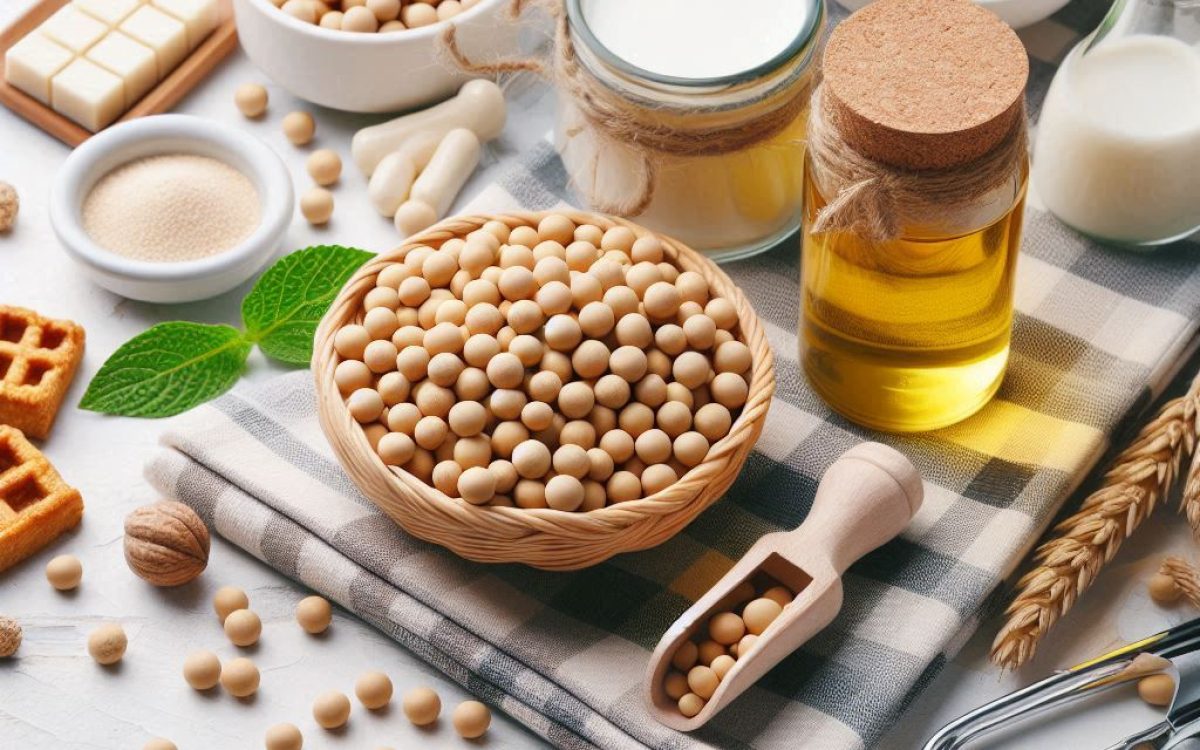
Soybeans are among the most debated foods in modern nutrition. For decades, they have been labeled a “superfood”, yet some experts remain cautious about possible side effects. With the global rise of plant-based diets, this legume has become a staple in foods such as soy milk, protein powders, and plant-based meat alternatives. But what’s the real truth about soy and human health? Let’s explore in detail.
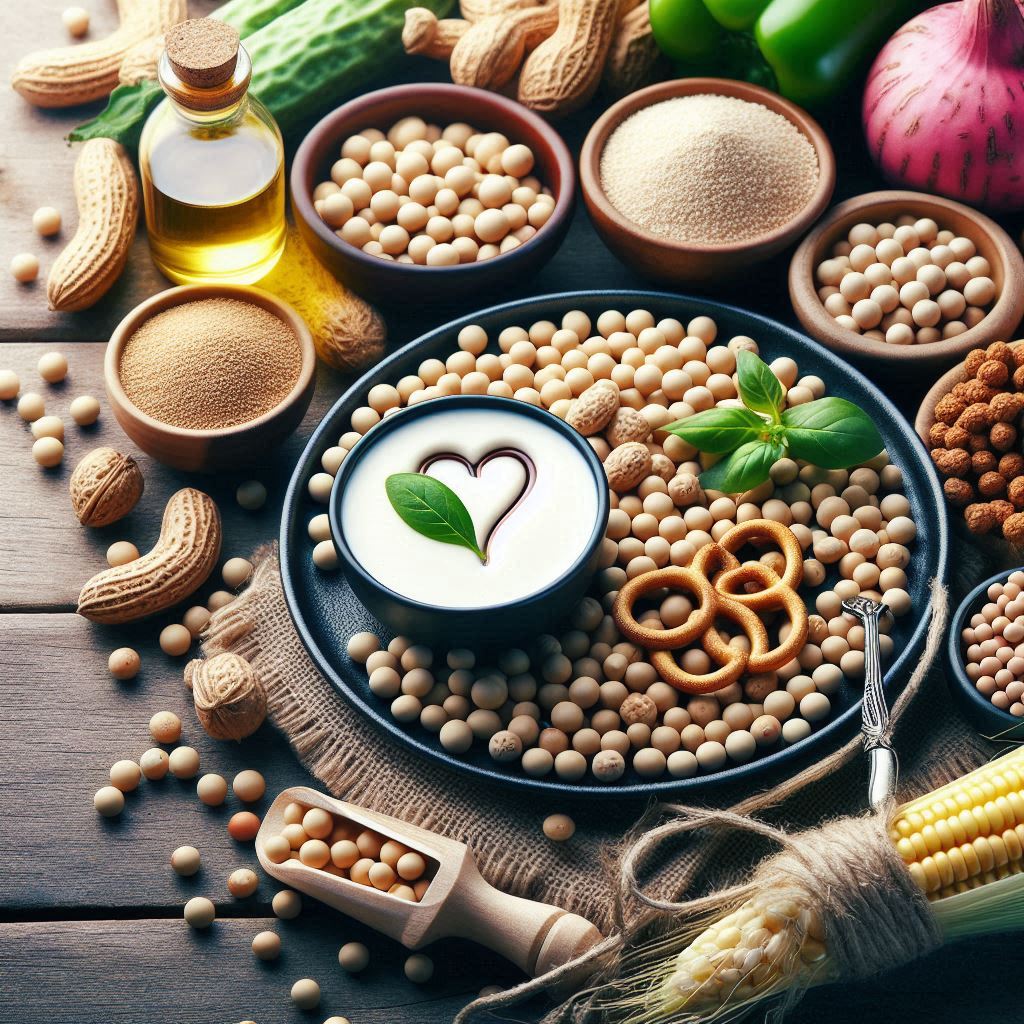
What Is Soy?
Soybeans are a common type of legume native to East Asia and a powerful source of plant-based protein. They also contain many beneficial compounds that may help reduce the risk of cancer, though excessive consumption could cause some digestive issues.
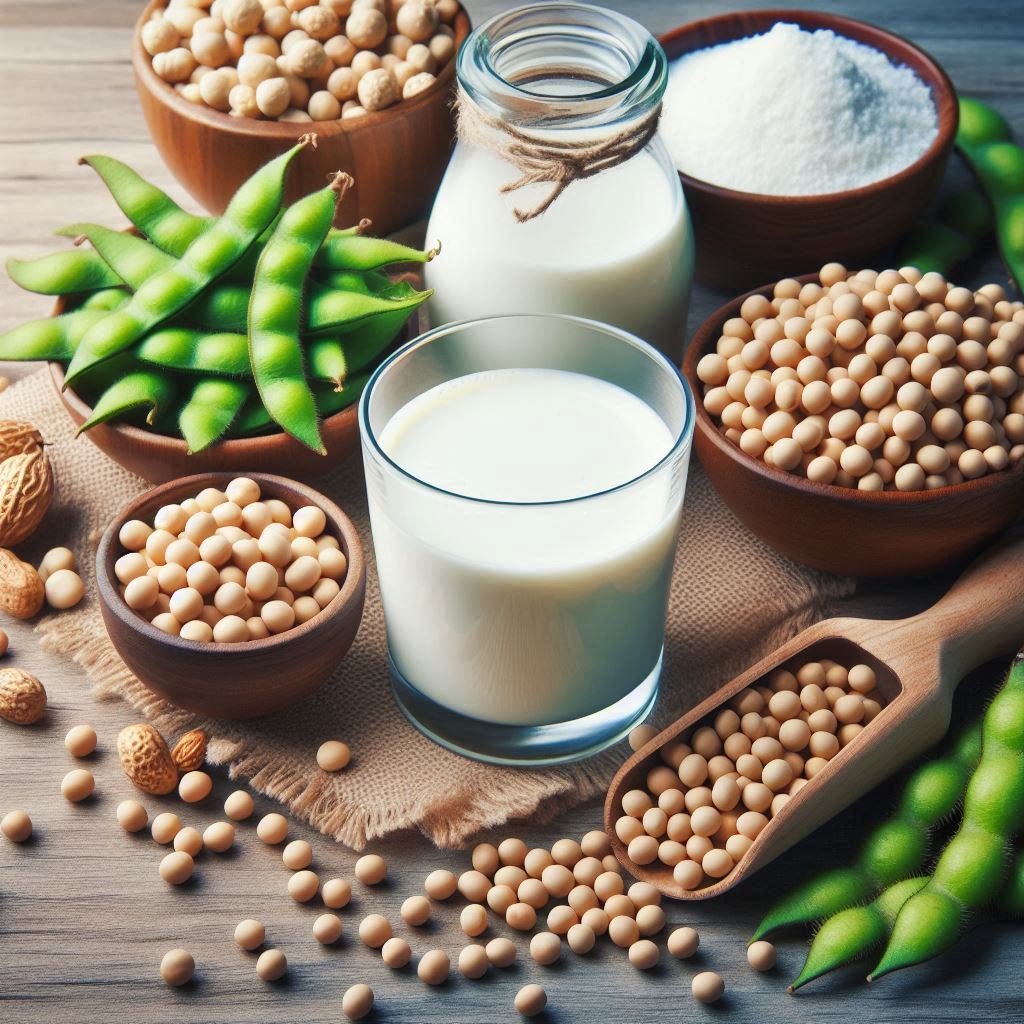
This bean is rich in antioxidants and phytonutrients linked to various health benefits. A wide range of foods made from soy is available, including soy flour, protein powders, soy milk, soybean oil, and plant-based meat substitutes.
What makes this protein source unique is that it is a complete plant protein, providing all nine essential amino acids—something rarely found in other plant foods.
Nutritional Value of Soy:
Soy-based foods are not only high in protein but also low in saturated fat, cholesterol-free, and naturally lactose-free, making them suitable for people with dietary restrictions.
Key nutrients include:
- Dietary fiber
- Protein
- Omega-3 fatty acids
- Antioxidants
- Calcium
- Iron
- Magnesium
- Phosphorus
- Potassium
- Vitamin C
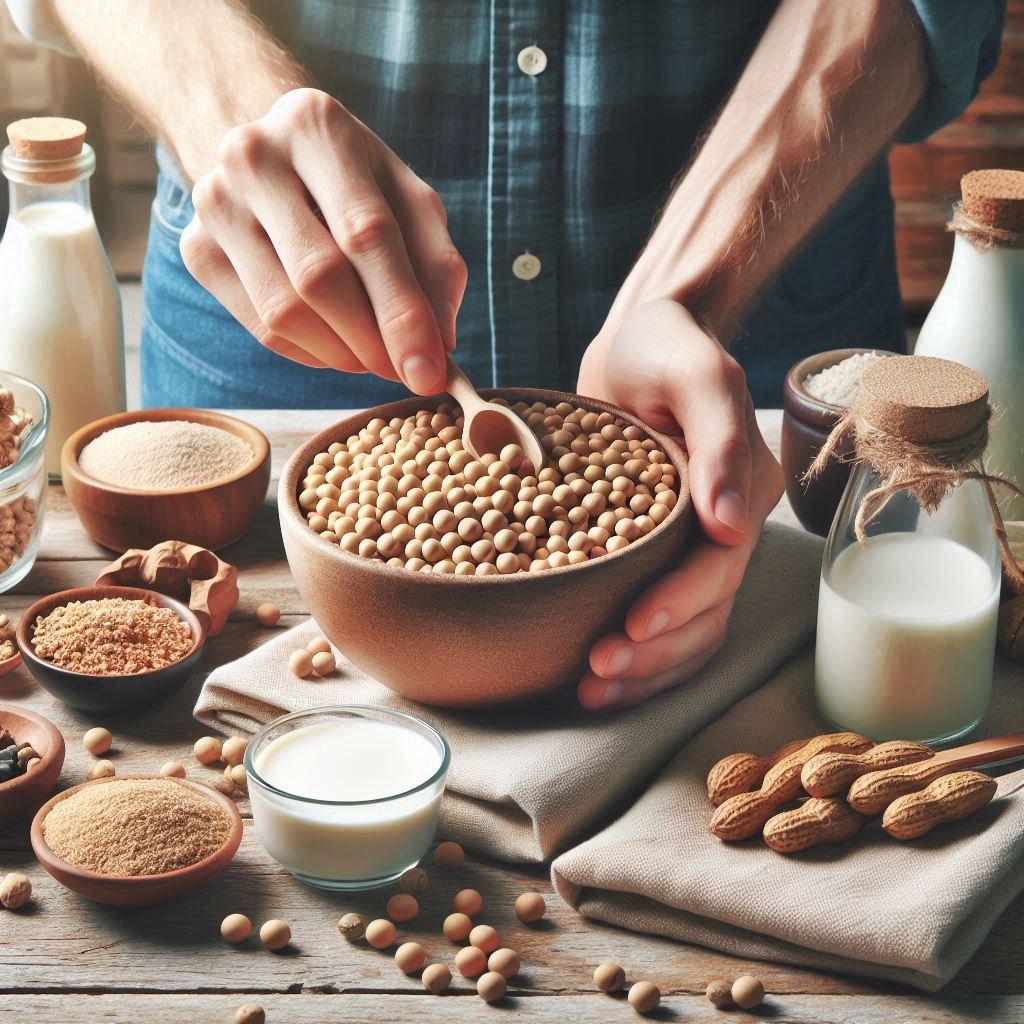
Health Benefits of Soy:
1. Heart Health:
One of the most researched benefits is its impact on the cardiovascular system. Studies show that replacing animal protein with soy protein helps lower LDL (bad cholesterol) and increase HDL (good cholesterol). It may also support lower blood pressure and improve blood vessel flexibility, reducing the risk of heart disease.
2. Cancer Prevention:
Recent studies suggest that moderate intake of soy-based foods may reduce the risk of breast and prostate cancers. This is linked to their antioxidant and anti-inflammatory effects.
3. Diabetes Management:
Some research indicates that this protein source can improve insulin sensitivity and help stabilize blood sugar levels, making it useful for individuals with type 2 diabetes.
4. Weight Management:
Protein from this legume promotes satiety, helping people feel full for longer and reducing calorie intake. Diets including soy foods also tend to be lower in saturated fat compared to meat-based diets, supporting healthier weight control.

Potential Risks of Soy:
1. Thyroid Function Suppression:
High intake of soy-based products may interfere with thyroid hormone production in some people, contributing to hypothyroidism. Isoflavones are the compounds most often linked to this effect.
2. Digestive Issues:
Because this bean contains insoluble fiber, it may cause bloating and discomfort in sensitive individuals or those with allergies.

Recommended Soy Intake:
Most experts agree that two servings per day are safe and beneficial for most people. A serving may include:
- 1 cup (240 ml) of soy milk
- ½ cup of green soybeans (edamame)
- 30 grams of soy nuts
However, individuals with thyroid conditions or breast cancer survivors should consult their doctor before consuming large amounts.
The truth about soy is more positive than many assume. Scientific research confirms that it is a safe, nutritious, and versatile food offering multiple benefits, from supporting heart and bone health to easing menopausal symptoms.
Still, moderation matters. Consuming 1–2 servings of minimally processed soy daily is a healthy choice for most people. Those with allergies or special health conditions should always seek medical advice.
Here at Nutrition Travels, we are committed to presenting scientific knowledge in a simple and unique way, helping you clearly understand nutritional facts and apply them in your daily life.