

In recent years, interest in the relationship between nutrition and digestive health has increased, especially with the noticeable spread of issues such as chronic bloating and Irritable Bowel Syndrome (IBS). The Low-FODMAP diet for IBS and bloating has gained growing attention, as many people notice that their symptoms are not linked to a clear organic disease, but rather appear after consuming certain foods. This has opened the door to therapeutic dietary approaches based on understanding how the gut responds to food.
From here, the low-FODMAP diet has emerged as one of the most researched and applied dietary approaches in the field of nutrition therapy related to IBS.
This article provides a comprehensive and simplified overview of the FODMAP concept, why this diet may be a suitable option for some individuals, how it can be applied in a balanced and mindful way, and which groups are most likely to benefit from it.
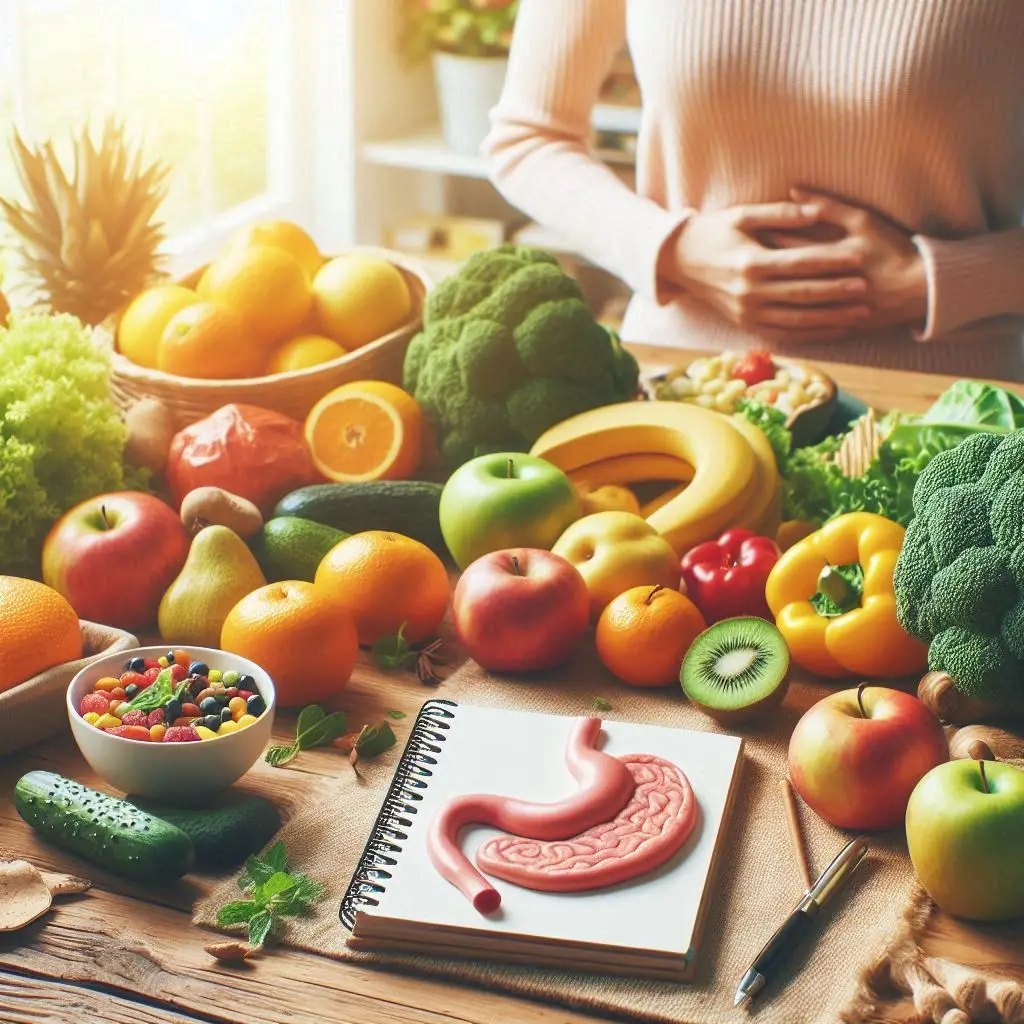
What Is the Low-FODMAP Diet for IBS and Bloating?
The FODMAP diet refers to fermentable oligosaccharides, disaccharides, monosaccharides, and polyols. These are short-chain carbohydrates (sugars) that are poorly absorbed in the small intestine. Some people experience digestive disturbances after consuming them.
Why Are FODMAPs Linked to Bloating and IBS?
Irritable Bowel Syndrome is not considered an inflammatory disease or a structural abnormality, but rather a functional disorder, where the intestines are more sensitive to stretching and gas.
When foods high in FODMAPs are consumed, the following may occur:
- Increased fermentation of food in the colon.
- Increased gas pressure inside the intestines.
- Stimulation of intestinal nerves.
For a healthy person, this process may pass without noticeable symptoms, while someone with IBS may experience clear symptoms even with small amounts.
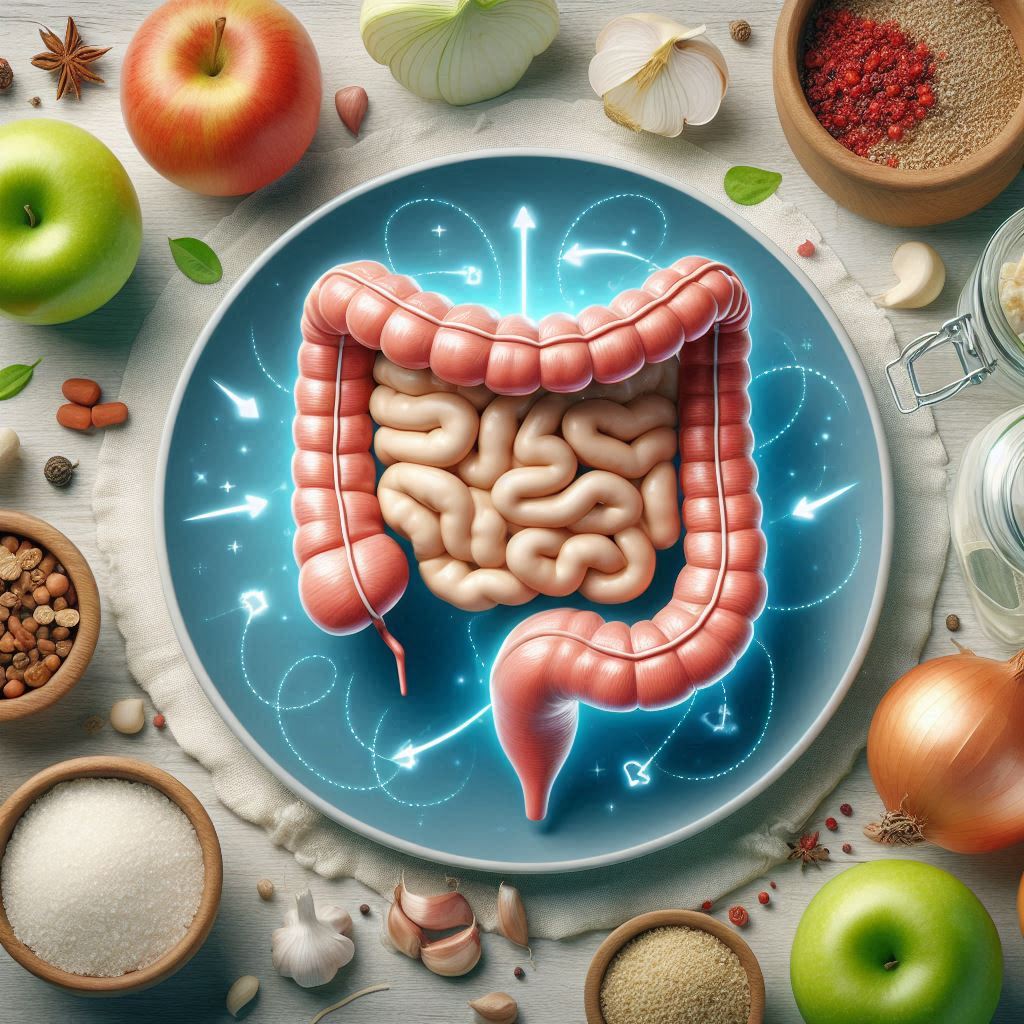
The Main Stages of the Low-FODMAP Diet:
1. Low-FODMAP Elimination Phase:
The goal is to reduce the intake of foods high in FODMAPs by focusing on low-FODMAP foods and appropriate portion sizes. The aim is to determine whether FODMAPs are affecting digestive symptoms.
2. Reintroduction of High-FODMAP Foods:
In this phase, a series of food challenges is conducted using specific high-FODMAP foods to identify which FODMAP groups affect your gut. This phase is sometimes referred to as the challenge phase.
3. Personalization Phase:
Your low-FODMAP diet can be relaxed by reintroducing the FODMAP groups that were well tolerated during the reintroduction phase. This process helps calm digestive symptoms while improving dietary variety and making social eating and dining out easier.

Examples of High- and Low-FODMAP Foods:
To relieve symptoms of IBS and small intestinal bacterial overgrowth, it is important to avoid high-FODMAP foods that irritate the gut, including:
- Milk, yogurt, and ice cream made from dairy products
- Wheat-based products such as cereals, bread, and biscuits
- Beans and lentils
- Certain vegetables, such as onions and garlic
- Certain fruits, such as apples, cherries, pears, and peaches
Instead, base your meals on low-FODMAP foods such as:
- Eggs and meat
- Certain types of cheese such as cheddar and feta
- Almond milk
- Grains such as rice, quinoa, and oats
- Vegetables such as eggplant, potatoes, tomatoes, cucumber, and zucchini
- Fruits such as grapes, oranges, strawberries, blueberries, and pineapple

Who Benefits from the Low-FODMAP Diet for IBS?
A low-FODMAP diet is often beneficial for:
1. People diagnosed with Irritable Bowel Syndrome.
2. Those who suffer from chronic bloating without a clear organic cause.
3. Individuals who notice a direct connection between food and digestive symptoms.
For people who do not experience digestive symptoms, there is no real benefit to following this diet, and it may unnecessarily reduce dietary variety.

A low-FODMAP diet is not a magic solution for all digestive problems, but it is an effective, scientifically supported tool for managing bloating and IBS symptoms in certain individuals.
For those interested in nutrition, this approach opens an important door to understanding the complex relationship between food, the gut, and the nervous system. At Nutrition Travels, we are committed to presenting this type of information in a clear, science-based, and accessible way that helps readers view therapeutic nutrition as a tool for analysis and understanding, rather than a set of rigid rules or quick fixes.